

Prevent Blindness Naturally: 10 Foods to Protect Your Eyes
Protecting Your Vision: The Power of Nutrition
Our eyes are among the most vital and delicate organs, constantly working to help us navigate the world. While genetics and age play significant roles in eye health, emerging research highlights the profound impact of diet on preventing vision loss and maintaining ocular health.
Ejes Gist News has learned that certain nutrients—vitamins, minerals, and antioxidants—can act as natural shields against common eye conditions such as cataracts, age-related macular degeneration (AMD), and dry eye syndrome.
This article explores 10 nutrient-rich foods scientifically linked to eye protection, their key components, and practical ways to incorporate them into daily meals. It is important to note that while nutrition is a powerful tool, it should complement—not replace—regular eye exams and professional medical care. Always consult a healthcare provider for personalized advice.
Mental Health Crisis: How to Prevent Depression and Anxiety
Top 7 Foods To Boost Your Brain Power
Understanding Eye Health and Nutrition
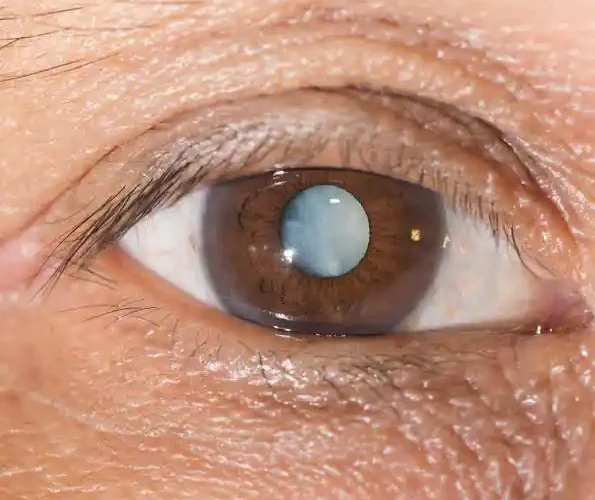
Age-related macular degeneration (AMD) is a leading cause of vision loss in adults over 50, affecting the macula, the central part of the retina responsible for sharp vision. Cataracts, the clouding of the eye’s lens, are another common age-related condition. Both are influenced by oxidative stress and inflammation, which can be mitigated by a diet rich in antioxidants.
Key nutrients for eye health include:
- Vitamin A: Essential for night vision and maintaining the cornea (the eye’s outer surface).
- Vitamin C: A powerful antioxidant that may slow AMD progression.
- Vitamin E: Protects eye cells from oxidative damage.
- Lutein and Zeaxanthin: Carotenoids that filter harmful blue light and accumulate in the retina.
- Omega-3 fatty acids: Support retinal function and reduce dry eye symptoms.
- Zinc: Helps vitamin A function properly and may delay AMD progression.
The National Eye Institute (NEI) recommends a diet high in fruits, vegetables, and fish to support long-term eye health. Below, we highlight 10 foods that deliver these critical nutrients in delicious, accessible forms.
Top 10 Foods to Protect Your Eyes
The following foods are backed by scientific evidence for their eye-protective properties. A balanced diet incorporating these can help maintain vision and reduce the risk of chronic eye diseases.
| Food | Key Nutrients | Benefits for Eye Health | Serving Suggestion |
|---|---|---|---|
| Carrots | Vitamin A (beta-carotene), Lutein | Supports night vision and retinal health; lutein may reduce AMD risk. | Raw as a snack, roasted, or in soups. |
| Spinach | Lutein, Zeaxanthin, Vitamin C, Vitamin E | High in antioxidants that protect against oxidative stress and AMD. | Salads, smoothies, sautéed with garlic. |
| Salmon | Omega-3 fatty acids (DHA, EPA), Vitamin D | Reduces dry eye symptoms and supports retinal function; DHA is a major structural component of the retina. | Grilled, baked, or in salads. |
| Eggs | Lutein, Zeaxanthin, Vitamin A, Zinc | Lutein and zeaxanthin are highly bioavailable; zinc supports retinal health. | Boiled, scrambled, or as an omelet. |
| Sweet Potatoes | Beta-carotene (provitamin A), Vitamin C | Promotes night vision and immune function; high in antioxidants. | Baked, mashed, or roasted with olive oil. |
| Almonds | Vitamin E, Healthy Fats | Vitamin E protects eye cells from oxidative damage; supports overall cellular health. | Handful as a snack, or sprinkled on yogurt. |
| Oranges | Vitamin C, Flavonoids | Vitamin C may slow AMD progression; flavonoids support blood vessel health in the eyes. | Fresh fruit, juiced, or in salads. |
| Blueberries | Anthocyanins, Vitamin C, Vitamin K | Anthocyanins improve blood flow to the retina and may reduce eye strain. | Fresh, frozen in smoothies, or as a topping. |
| Kale | Lutein, Zeaxanthin, Vitamin C, Vitamin K | One of the richest sources of lutein and zeaxanthin; supports macular health. | Raw in salads, sautéed, or in green juices. |
| Bell Peppers | Vitamin C, Beta-carotene, Lutein | High in vitamin C (more than oranges per calorie); supports collagen in the cornea. | Raw in dips, stir-fried, or roasted. |
How to Incorporate Eye-Healthy Foods Into Your Diet
Building a meal plan around these foods is simple and enjoyable. Below is a sample one-day meal plan designed to maximize eye-protective nutrients.
| Meal | Food Choices | Key Nutrients Included |
|---|---|---|
| Breakfast | Spinach and egg omelet with bell peppers, topped with sliced almonds | Lutein, Zeaxanthin, Vitamin A, Vitamin C, Vitamin E, Zinc |
| Snack | Carrot sticks with hummus and a small orange | Beta-carotene, Vitamin C, Fiber |
| Lunch | Grilled salmon salad with kale, blueberries, and walnuts, dressed with olive oil and lemon | Omega-3s, Lutein, Zeaxanthin, Vitamin C, Vitamin E |
| Snack | Handful of almonds and a small sweet potato (roasted or mashed) | Vitamin E, Beta-carotene, Vitamin C |
| Dinner | Baked chicken with a side of roasted sweet potatoes and steamed spinach | Vitamin A, Vitamin C, Lutein, Zinc |
Practical Tips for Optimal Eye Nutrition
While individual foods are beneficial, variety and consistency are key. Here are practical tips to enhance eye health through diet:
- Eat a rainbow: Different colored fruits and vegetables provide a range of antioxidants. Aim for at least 5 servings daily.
- Choose healthy fats: Include sources like avocados, nuts, seeds, and olive oil to enhance absorption of fat-soluble vitamins (A, D, E, K).
- Limit processed foods: High intake of sugar and refined carbohydrates may increase oxidative stress and inflammation in the eyes.
- Stay hydrated: Proper hydration supports tear production and reduces dry eye symptoms.
- Consider fortified foods: Some plant-based milks and cereals are fortified with vitamin A or D, which may support eye health.
- Pair nutrients wisely: Vitamin C and E work synergistically; lutein and zeaxanthin are best absorbed with a small amount of fat (e.g., olive oil).
Who Benefits Most from Eye-Healthy Diets?
While everyone can benefit from a nutrient-rich diet, certain groups may see particularly strong advantages:
- Adults over 50: At higher risk for AMD and cataracts; diet may slow progression.
- People with diabetes: High blood sugar can damage retinal blood vessels; antioxidants may help protect against diabetic retinopathy.
- Those with a family history of AMD: Genetic predisposition increases risk; diet may act as a protective factor.
- Individuals with dry eye syndrome: Omega-3s and vitamin A can improve tear quality and reduce symptoms.
Beyond Diet: A Holistic Approach to Eye Health
Nutrition is a cornerstone of eye health, but it should be part of a broader strategy. Regular eye exams—especially after age 40—can detect early signs of conditions like AMD or glaucoma. Other protective measures include:
- Wearing UV-protective sunglasses to shield the eyes from harmful ultraviolet rays, which contribute to cataract and AMD development.
- Taking screen breaks using the 20-20-20 rule: every 20 minutes, look at something 20 feet away for 20 seconds to reduce eye strain.
- Managing chronic conditions like hypertension and diabetes, which can negatively impact eye health.
- Avoiding smoking, which increases the risk of AMD and cataracts.
Summary: Nourish Your Sight
Science supports the idea that what we eat profoundly influences our eye health. Foods rich in lutein, zeaxanthin, omega-3s, vitamin C, vitamin E, and zinc offer natural protection against common vision problems. By incorporating a variety of colorful fruits, vegetables, nuts, seeds, and fatty fish into daily meals, we can support our eyes’ long-term resilience.
Remember, diet is just one piece of the puzzle. Regular eye care, a healthy lifestyle, and professional guidance are essential for maintaining optimal vision throughout life. If you experience changes in vision, persistent dryness, or discomfort, consult an eye care specialist promptly.
“A diet rich in fruits and vegetables, particularly leafy greens and fish, is associated with a lower risk of advanced AMD and cataract progression. These foods provide essential nutrients that support the structural and functional integrity of the eye.”
Disclaimer: This article is for informational purposes only and does not constitute medical advice. Always consult a qualified healthcare professional for diagnosis and treatment.
You May Also Like


Trending Now