
Solar Battery Safety: 8 Tips to Prevent Explosions and Fire
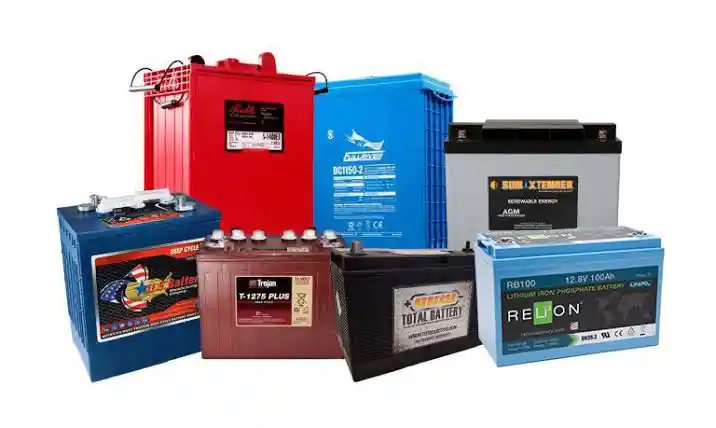
8 Essential Tips for Safe Use of Solar Battery.
Solar batteries are now a fixture in Nigerian homes, offices and shops — and as installations rise, so does the volume of systems wired by people who were never trained to wire them. Most battery failures are not mysterious. They come from the wrong chemistry, poor wiring, cheap components, or a battery left to overcharge in a sealed room.
Also Read : How Much will it Cost to Install Solar Panels for Home in Nigeria
Here is what actually reduces the risk.
Why solar batteries fail
Overheating, short circuits and gas build-up are the three recurring causes. Each is preventable, and each maps to one of the eight steps below.
Choose the right battery chemistry
Lithium-ion is popular, but not all lithium-ion is equal. Lithium Iron Phosphate (LiFePO4) is generally presented by manufacturers as having a lower fire and thermal risk than some other lithium-ion chemistries, and it typically offers a longer lifespan. Check the datasheet rather than the marketing copy, and confirm the chemistry matches your charge controller’s charging profile.
2. Use qualified installers
Poor wiring, undersized cables and bad placement are the most common causes of short circuits. Solar and inverter systems should be installed by technicians with solar-specific experience, not general electricians working from guesswork.
3. Buy quality components
Batteries, charge controllers and inverters from reputable manufacturers cost more and fail less. Look for evidence the product meets recognised safety standards — in Nigeria, SONCAP certification is the baseline check — and avoid unbranded cells with no datasheet.
4. Maintain and inspect regularly
Check for swelling, leaks, corrosion and loose terminals. Look for exposed wiring. A five-minute inspection every few months catches most problems before they become incidents.
5. Avoid overcharging and over-discharging
Both stress a battery and generate heat. Use a charge controller with a working Battery Management System (BMS), and set voltage limits to the manufacturer’s specification rather than to whatever the installer prefers.
6. Ventilate the battery area
Lead-acid batteries can release gases while charging. Keep the storage area ventilated, and keep batteries away from enclosed cupboards, living spaces and heat sources.
7. Install detection and suppression
A smoke detector and a suitable fire extinguisher in the battery area are cheap insurance. Where available, add alarms for overheating and abnormal voltage.
8. Know your own system
Read the manual for your specific battery. Understand what the warning indicators mean. Then brief everyone else who operates or maintains the system — including whoever covers for you when you travel.
Frequently asked questions
Can solar batteries explode?
They can fail violently if overheated, overcharged or short-circuited, which is why correct installation and a functioning BMS matter. Under normal, correctly specified use, the risk is low.
What is the safest solar battery?
There is no universally safest option. LiFePO4 is often chosen for its lower thermal risk profile, but correct installation and quality components matter more than chemistry alone.
How do I stop my inverter battery from overheating?
Ventilation, correct voltage settings, a working charge controller and regular inspection of terminals and cables.
Where should I keep a solar battery at home?
A ventilated, dry, shaded space away from living areas and heat sources — and never in a sealed cupboard.
The bottom line
Battery safety is not one decision, it is four: the right chemistry, a competent installer, quality components, and routine maintenance. Get those right and the rest follows. If you are unsure about your setup, have a qualified technician inspect it rather than adjusting settings yourself.
Ejes Gist News ( EGN) stands for truth, responsible journalism, editorial integrity and fearless accountability.
You May Also Like

Trending Now