
How to Choose the Right Inverter Charge Controller for Your Solar System
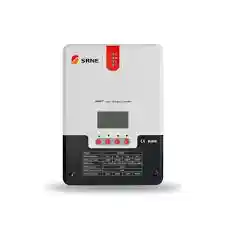
Choosing an appropriate charge controller is an important part of putting together a solar power system, since the component can have a considerable effect on how efficiently the installation runs and how long it lasts.
The controller regulates the voltage and current that the solar panels send to the batteries, so that charging happens properly and the batteries are protected from overcharging or damage.
The guide below sets out how to pick the right one for your system.
1. Understand the Types of Charge Controllers
There are three main types of charge controllers:
- PWM (Pulse Width Modulation) Controllers: These are the most basic type of charge controllers. They work by gradually reducing the power going into the battery as it reaches full charge. PWM controllers are generally more affordable and suitable for smaller solar systems.
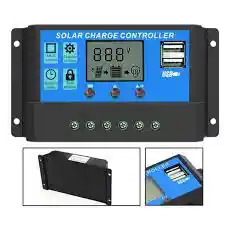
- MPPT (Maximum Power Point Tracking) Controllers: These controllers are more advanced and efficient compared to PWM controllers. MPPT controllers optimize the power output by adjusting the voltage to match the battery’s requirements, which can improve system efficiency by up to 30%. They are ideal for larger systems or setups where maximizing energy production is crucial.
How to Avoid Solar Battery Explosions: 8 Essential Tips for Safe Use
- Hybrid Controllers: These combine the features of both PWM and MPPT controllers, offering flexibility and efficiency. They are designed to work with various power sources and are suitable for complex solar setups.
2. Match the Controller to Your System Voltage
Charge controllers are designed to operate at specific system voltages, typically 12V, 24V, or 48V. It is essential to choose a controller that matches the voltage of your solar system. For example, a 12V charge controller should be used with a 12V battery bank. Using a controller with the wrong voltage rating can lead to inefficiency or damage to your system.
3. Determine the Appropriate Current Rating
The current rating of the charge controller should be higher than the maximum current produced by your solar panels. To determine this, add up the current outputs of all your solar panels. For instance, if you have a 200W panel producing 10A, and you have four such panels, your total current is 40A. Choose a charge controller with a current rating that exceeds this value to ensure reliable operation and to avoid overloading.
4. Consider the Battery Type
Different types of batteries (lead-acid, lithium-ion, gel, AGM) have specific charging requirements. Ensure the charge controller you choose is compatible with your battery type. Many modern controllers can be adjusted to accommodate various battery chemistries, but it’s essential to check compatibility to ensure optimal performance and battery life.
5. Evaluate Features and Functionality
Charge controllers come with various features that can enhance your solar system’s performance:
- LCD Display: Provides real-time data on charging status, battery voltage, and system performance.
- Remote Monitoring: Allows you to monitor and control your system remotely via smartphone or computer.
- Temperature Compensation: Adjusts the charging based on the temperature of the battery to prevent overcharging or undercharging in extreme temperatures.
- Overload Protection: Prevents damage by shutting down the system in case of excessive current or voltage.
6. Check for Expandability
If you plan to expand your solar system in the future, consider choosing a charge controller that can handle additional solar panels or batteries. Some controllers are designed to be modular, allowing for easy upgrades and expansions.
7. Choose a Reputable Brand
Buy charge controllers from manufacturers recognised for quality and reliability. Brands with solid reviews and responsive customer support are more likely to deliver a product that performs well and endures longer.
Conclusion
Choosing the correct charge controller matters for both the safety and the efficiency of a solar power system. A sound decision rests on knowing the available types of controller, matching one to the system’s voltage and current, checking battery compatibility, and weighing the features on offer.
How Much will it Cost to Install Solar Panels for Home in Nigeria
That informed choice helps optimise solar energy production. Time spent on the selection is repaid through a more dependable and efficient system, which in turn supports greater energy independence and savings.
Ejes Gist News ( EGN) stands for truth, responsible journalism, editorial integrity and fearless accountability.
You May Also Like


Trending Now