
Latest Advancement In Cancer Treatment: What Does It Mean
By Ojo Folashade
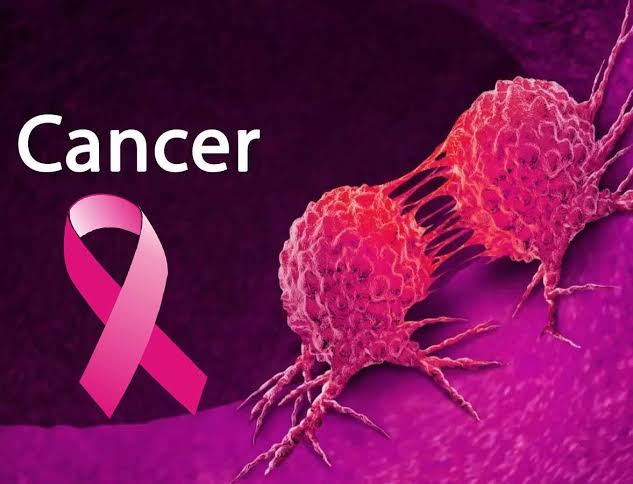
Cancer develops when cells in the body begin to multiply without restraint and spread into surrounding tissue. Because the human body is built from trillions of cells, the disease can start almost anywhere within it.
Normally, cells divide to create new cells as the body requires them. Cancerous cells keep dividing when they should not. Over time, that runaway growth can produce a solid mass known as a tumour. Not every tumour is malignant, but malignant ones carry serious danger because their cells can travel to other organs.
Read Also
- Anthrax Disease: 10 Facts Worth Knowing
- Bitter Leaf Juice, Scent and the Treatment of 5 Chronic Diseases
- Heart Attack: 5 Early Warning Signs and Why Fast Action Saves Lives
Breast, lung, colon, prostate and skin cancers rank among the most frequently diagnosed forms of the disease, though many rarer varieties exist, each behaving differently from the next. Risk is shaped by a range of factors, among them growing older, inherited family history and lifestyle habits such as what a person eats and how much they move.
A person can carry cancer without knowing it. Breast cancer is a particular case in point, since it frequently produces no noticeable signs in its earliest phase. That is why regular mammograms and self-examinations matter so much for women: treatment is far more successful when the disease is identified early.
Latent cancer describes disease that exists inside the body without triggering any symptoms. Sometimes it is called “sleeping cancer.” Detection can be difficult, yet awareness matters, because a latent tumour may switch into an active, symptomatic phase at any moment. Breast cancer is among the forms that can remain dormant for years before being found.
Carcinogenesis is the term for the sequence through which healthy cells turn malignant. Numerous influences feed into this complicated process, including inherited genetics, daily habits and exposure to environmental hazards. Usually it unfolds gradually, over years or even decades. Cancer researchers study carcinogenesis closely because a clearer picture of it opens the way to stronger prevention and better treatment.
Tobacco stands out among the factors that drive carcinogenesis. Smoking and other tobacco use is a leading cause of lung, bladder and mouth cancers, among others. Obesity, a sedentary lifestyle and infection with certain viruses also raise the risk.
Certain genes, when altered, make cancer more likely; these are known as cancer susceptibility genes. BRCA1 and BRCA2 are the best known examples. Carriers of mutations in either gene face a substantially elevated chance of breast and ovarian cancer. Genetic testing allows people to find out whether they carry these or similar variants, although such testing is not appropriate for everyone.
Among the lifestyle influences on carcinogenesis, diet ranks high. Wholesome eating habits lower the likelihood of developing cancer, whereas poor ones, particularly diets heavy in processed meat and saturated fat, push the risk upward.
Breast cancer is the most frequently diagnosed cancer among women and ranks as the second biggest cause of cancer deaths in this group. Being female, growing older and having relatives with the disease are the principal risk factors. Inherited genetic mutations can also raise a woman’s susceptibility. Found early, breast cancer can often be treated successfully; found late, it becomes far harder to control.
Screening at regular intervals is therefore essential. The American Cancer Society advises women to begin yearly mammograms at 45, while those at high risk may need to start sooner. Self-examination forms another pillar of breast health, and women should learn how to carry one out properly.
A lump or mass in the breast is the symptom reported most often, although most lumps turn out not to be cancer. Other warning signs include a change in the breast’s shape or size, alterations to the skin, and discharge from the nipple. Women should pay attention to anything that is unusual for their own bodies and arrange a prompt medical assessment if such changes appear.
For a self-exam, stand before a mirror and check the breasts for differences in size, shape or skin texture. Then use the opposite hand to feel each breast, moving in circles from the outer edge inward toward the nipple. Notice any lump or patch of thickening. The check should be repeated once a month, and any change warrants a visit to a doctor.
Diagnosis usually begins with a physical examination, followed by imaging such as mammography or ultrasound. Should those tests reveal anything suspicious, a biopsy is normally performed to establish whether cancer is present. Treatment planning then hinges on several considerations: the type and stage of the disease, the patient’s age and general health, and her own preferences. Options include surgery, radiation, chemotherapy, hormone therapy and targeted therapy.
Surgery is frequently the first line of treatment. Which operation is chosen depends on where the tumour sits and how large it is, along with the patient’s wishes. Sometimes the whole breast has to be removed, a procedure called a mastectomy. In other cases only part of the breast tissue is taken out, which is known as a lumpectomy. Many women also receive radiation therapy, chemotherapy, or both, and some opt for hormone or targeted therapy. Stage of disease, personal preference and other considerations all shape the decision.
Breast cancer is generally grouped into five stages, running from 0 to IV. Stage 0 describes non-invasive disease confined to the ducts or lobules of the breast. Stages I, II and III represent increasing degrees of invasive cancer, while stage IV means metastatic disease, in which cancer has reached other parts of the body. Staging helps doctors settle on the most suitable treatment.
Stage 0 is also called ductal carcinoma in situ (DCIS) or lobular carcinoma in situ (LCIS), depending on where the abnormal cells sit. In DCIS they are confined to the milk ducts; in LCIS they remain inside the lobules. Neither type is invasive, and neither has moved beyond the breast. Surgery plus radiation therapy is the usual approach at this stage.
Stage I disease is invasive but still small and has not reached the lymph nodes. Surgery, radiation and occasionally chemotherapy form the typical treatment plan. Stage II tumours are bigger than those in stage I yet have not spread to the lymph nodes. Stage III tumours are larger still and may have involved the lymph nodes. For stages II and III, treatment commonly combines surgery, radiation and chemotherapy.
Stage IV, the most advanced stage, means the cancer has travelled to sites such as the bones, liver, lungs or brain. Surgery, radiation, chemotherapy, hormone therapy and targeted therapy may all feature in treatment. At this stage the aim is no longer cure but a better quality of life and more time, so the disease is managed rather than eliminated.
Prognosis describes the likely course of the disease and is frequently given as a percentage. It rests on factors including the stage of the cancer, the size of the tumour, the patient’s age and general health, and the type of cancer involved. Earlier stages generally carry a more favourable outlook.
One common way to express prognosis is the five-year survival rate, meaning the proportion of patients still alive five years after diagnosis. If that figure stands at 80 percent, for instance, it means 80 percent of people diagnosed with that particular type and stage were alive five years later.
Some patients need further treatment after an operation, either radiation or chemotherapy. Radiation therapy employs high-energy beams to destroy cancer cells and is often given post-surgery to eliminate any remaining malignant cells and lower the chance of recurrence. Skin irritation, tiredness and swelling of the breast are possible side effects. Chemotherapy, meanwhile, works through drugs that kill cancer cells, and can bring hair loss, nausea and fatigue. A proportion of patients go on to experience lasting effects.
Most people could eat better, and there is no deadline for starting. Begin by adding more fruit and vegetables, which supply nutrients that help guard against cancer. Cut back on processed meat and saturated fat, and shift instead toward lean proteins and healthy fats of the kind found in olive oil and avocados.
Exercise is another lever. Staying physically active on a regular basis lowers the risk of several cancers, breast and colon cancer among them. American Cancer Society guidance calls for adults to accumulate at least 150 minutes of moderate-intensity activity every week. Limiting alcohol matters too: drinking in moderation can fit within a healthy lifestyle, but heavy consumption has been associated with a higher risk of several cancers.
Sleep deserves attention as well. Adequate rest underpins general health and may help ward off cancer. Research indicates that people who sleep fewer than seven hours a night run a greater risk of certain cancers.
Many people struggle to get enough sleep. Setting a consistent schedule, going to bed and rising at the same time daily, is a useful first step. A calming routine before bed helps the body wind down. Avoiding screens during the hour before sleep also helps, since their light can disrupt the body’s natural sleep cycle.
Stress is unavoidable, but when it persists it can take a toll on health. Long-term stress has been linked to a higher risk of several cancers, including those of the breast and colon, which makes finding ways to manage it important. Mindfulness, the practice of being fully present in the moment without judging what arises, is one powerful approach.
One simple mindfulness technique is breath awareness. Close your eyes and follow your breathing, noticing the sensation as air enters and leaves, and the rise and fall of chest and belly. Hold your attention there for a few minutes; when the mind drifts, gently bring it back to the breath.
Physical activity also eases stress, and even a brief walk can shift the mood considerably. Exercise boosts production of endorphins, hormones that lift mood and dampen stress. Yoga, dancing and swimming are among the other helpful options.
Diet, sleep, stress and exercise are all lifestyle factors that influence cancer risk. Small adjustments in each area can deliver meaningful gains for health, so begin modestly and build gradually. It is never too late to adopt healthier habits.
A breast cancer diagnosis can be emotionally overwhelming and can affect wellbeing in numerous ways. Fear, anxiety, depression and anger are common reactions, and many patients feel stressed and adrift. A strong support network, made up of family, friends and health care professionals, is crucially important.
Support Options for Breast Cancer Patients
A range of support resources exists for people living with breast cancer. Support groups, whether face-to-face or online, are one route. National organisations such as the American Cancer Society and the National Breast Cancer Foundation provide information and assistance. A patient’s own health care team, including doctors, nurses and social workers, is another source of help.
Open conversation about breast cancer chips away at stigma and helps make the disease an ordinary topic rather than a taboo. It can also reduce isolation among patients and encourage them to seek help, while spreading understanding of why regular screening and early detection matter.
Awareness campaigns serve several purposes. They give people the information required to look after their health, lessen stigma, draw new participants into efforts against the disease, and generate funding for research and treatment.
One of the greatest gains is the recognition that breast cancer is not exclusively a women’s concern. Men develop it too, though far less often. Awareness also teaches people about the various forms of the disease and the treatments on offer. Anyone who knows a person diagnosed with breast cancer should not hesitate to reach out; a card or an offer to help with household chores can mean a great deal.
Ojo Folashade Elizabeth, a student of Mass Communication, Kogi State University
Ejes Gist News stands for truth, responsible journalism, editorial integrity and fearless accountability.
You May Also Like


Trending Now