Naira Under Pressure: Official Rate Flat, Parallel Falls to N1,510
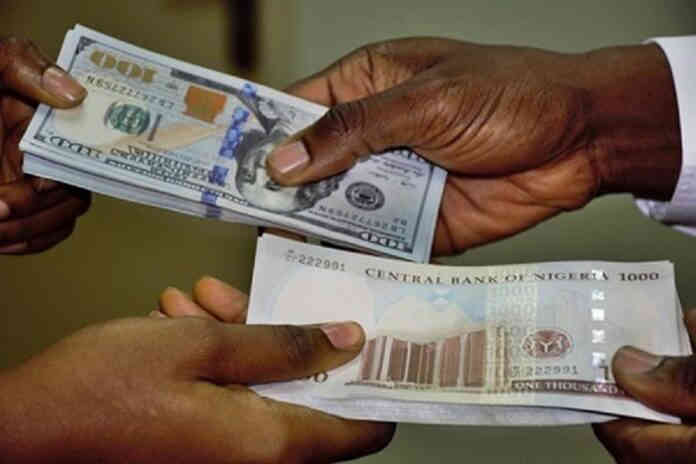
The naira held steady against the US dollar in the official foreign exchange market Tuesday, Aug. 4, 2026, trading at N1,478/$1, according to data from the Central Bank of Nigeria.
On the parallel market, however, the naira depreciated 0.5% to close at N1,500/$1 on Monday August 3, as demand for the greenback persisted.
Official Market
At the official investor and exporter (I&E) window, the naira appreciated slightly by 0.1% from the previous session’s close of N1,479.30. The intraday high was N1,480.50, while the low was N1,475.00, according to the FMDQ Exchange.
The CBN has continued to intervene through authorized dealer banks to shore up the currency, supporting importers and manufacturers with dollar allocations across various sectors.
Parallel Market
On the black market, the naira weakened to N1,510 per dollar from N1,502 on Monday. Traders in Lagos, Abuja and Port Harcourt cited renewed demand from importers and speculative buying as the main drivers.
Also Read: Oborevwori Approves ₦2m Grant, Stipends for Deltans Returned From South Africa
“The pressure is still there, especially from those needing dollars for school fees and medical trips,” said Alhaji Musa Yakubu, a bureau de change operator in Lagos. “Many customers are desperate, and they are willing to pay above the official rate to secure forex quickly.”
Market Forces
The exchange rate is under pressure due to a combination of factors, including lower oil revenues, rising import bills and capital outflows. Nigeria’s foreign reserves have dipped to $38.2 billion, the lowest level in 18 months, according to the latest CBN data.
“The CBN is in a difficult position. It cannot let the naira float freely while maintaining price stability,” said Emeka Nwankwo, a Lagos-based economist. “The divergence between the official and parallel rates is a symptom of underlying demand-supply imbalances.”
Economic Outlook
Analysts say the naira could trade between N1,480 and N1,520 for the rest of the week, depending on central bank actions and global crude oil prices.
The International Monetary Fund has repeatedly urged Nigeria to unify its exchange rates, but the government has resisted, citing the need to manage inflation and protect the poorest households.
Meanwhile, the World Bank noted in its latest Nigeria Development Update that a more flexible exchange rate regime would attract foreign investment and boost non-oil exports, but it could also trigger a spike in prices for imported goods.
For individuals and businesses planning to buy dollars, market watchers advise monitoring the official window closely, as rates can be more favorable than the parallel market.
However, the narrow spread between the two markets – currently around N32 – suggests that arbitrage opportunities remain limited.
The CBN has pledged to continue its “managed float” approach, intervening only to smooth excessive volatility.
As of Tuesday afternoon, the naira was trading at N1,508/$1 on the parallel market, with dealers expecting further movements ahead of the weekend, guided by the central bank’s next policy signal.
You May Also Like
Trending Now