
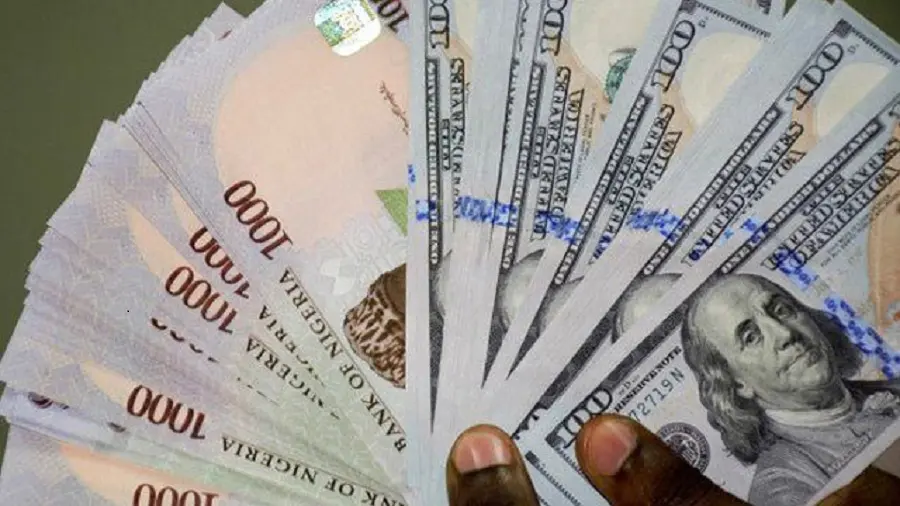
Dollar to Naira Today: Official and Parallel Market Rates for September 9, 2026
The US dollar traded with subtle fluctuations against the Nigerian naira on Wednesday, 9 September 2026, as trading opened across both the official Nigerian Autonomous Foreign Exchange Market (NAFEM) and the parallel informal market.
Data from official trading portals and Bureau De Change (BDC) operators showed the currency pairing maintaining a tight trading range following recent liquidity management measures introduced by the Central Bank of Nigeria (CBN).
Official and parallel market performance
In the official window, managed through NAFEM, the US dollar opened trading at approximately ₦1,385.50 per dollar, with closing projections aligning near ₦1,390.00. The official rate reflects ongoing efforts under the unified exchange rate regime to enhance price discovery and transparent transaction reporting.
Shake-Up: Nigerian Army Approves New Commanders, Redeploys Senior Officers (Full List)
In the parallel market, street traders in commercial hubs including Lagos, Abuja, and Kano quoted buying rates around ₦1,415.00 per dollar and selling rates at ₦1,425.00 per dollar. The margin between official and unofficial rates remains narrow compared with historical spreads, reflecting improved dollar availability across official channels.
| Market Segment | Buying Rate (USD/NGN) | Selling Rate (USD/NGN) |
|---|---|---|
| Official (NAFEM) | ₦1,380.00 | ₦1,390.00 |
| Parallel Market (BDC) | ₦1,415.00 | ₦1,425.00 |
Key drivers shaping the exchange rate
Financial market analysts attribute the current exchange rate levels to increased foreign currency inflows from crude oil revenues and consistent Diaspora remittances. Interventions by the central bank, including direct liquidity injections to authorised dealer banks and BDC operators, have helped meet foreign exchange demand for international trade and personal travel allowances.
Persistent demand from commercial importers and foreign debt obligations continue to exert pressure on foreign exchange reserves. Monetary policy decisions on benchmark interest rates and local inflation figures remain central to shaping market sentiment over the coming weeks.
You May Also Like
Trending Now