
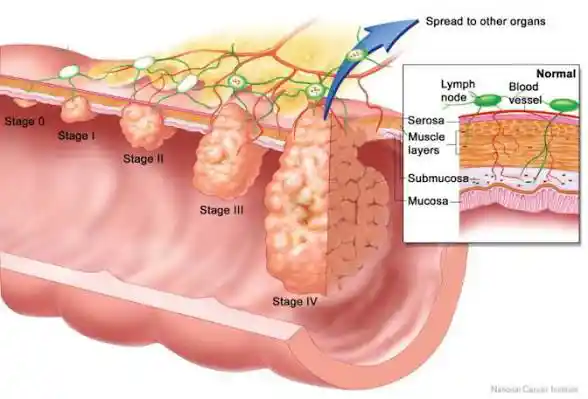
Stop Cancer Before It Starts: 10 Must-Know Tips
Understanding Cancer Risk: What the Science Says
Cancer remains one of the leading causes of death worldwide, with nearly 1 in 6 deaths globally attributed to the disease, according to the World Health Organization (WHO). While some cancer risks—such as age, genetics, or environmental exposures—are beyond our control, research shows that up to 40% of cancers may be preventable through lifestyle changes and evidence-based strategies. This article explores 10 scientifically backed ways to lower your cancer risk, grounded in peer-reviewed research and public health guidelines from organizations like the WHO and the American Cancer Society (ACS).
,Ejes Gist News understands, that cancer prevention is not about eliminating all risk but about making informed choices that significantly reduce your chances of developing the disease. Below, we break down the most effective, research-supported strategies to help you take proactive steps toward better health.
Maintaining a Healthy Weight: A Cornerstone of Cancer Prevention
Excess body weight, particularly obesity, is linked to an increased risk of several cancers, including breast, colorectal, endometrial, kidney, liver, and pancreatic cancers. The relationship between obesity and cancer is complex but well-documented. Fat tissue produces hormones like estrogen, which can promote the growth of certain cancers. Additionally, chronic inflammation associated with obesity may damage DNA and contribute to cancer development.
Research from the International Agency for Research on Cancer (IARC) suggests that maintaining a healthy weight could prevent up to 20% of all cancer cases. The ACS recommends aiming for a body mass index (BMI) between 18.5 and 24.9, though waist circumference (less than 35 inches for women and 40 inches for men) may be a more accurate indicator of risk.
How to Achieve and Maintain a Healthy Weight
Achieving a healthy weight involves a combination of balanced nutrition and regular physical activity. Here are practical steps backed by evidence:
- Prioritize whole foods: Focus on fruits, vegetables, whole grains, lean proteins, and healthy fats. These foods are nutrient-dense and help regulate appetite.
- Limit processed foods: Highly processed foods, often high in sugar, unhealthy fats, and additives, are linked to weight gain and increased cancer risk.
- Stay physically active: The WHO recommends at least 150 minutes of moderate-intensity or 75 minutes of vigorous-intensity aerobic activity per week, along with muscle-strengthening exercises twice weekly.
- Monitor portion sizes: Overeating, even healthy foods, can contribute to weight gain. Use smaller plates and pay attention to hunger and fullness cues.
Avoiding Tobacco: The Single Most Effective Cancer Prevention Strategy
Tobacco use is the leading preventable cause of cancer, responsible for approximately 22% of all cancer deaths globally. Smoking is linked to cancers of the lung, mouth, throat, esophagus, pancreas, bladder, kidney, cervix, and more. Even exposure to secondhand smoke increases cancer risk, particularly for non-smokers living with smokers.
Quitting smoking at any age can significantly reduce cancer risk. The Centers for Disease Control and Prevention (CDC) reports that within 5 years of quitting, the risk of mouth, throat, esophagus, and bladder cancers drops by half. After 10 years, the risk of lung cancer is about half that of a continuing smoker.
Resources for Quitting Smoking
If you’re looking to quit, consider the following evidence-based resources:
- Nicotine replacement therapy (NRT): Patches, gum, or lozenges can help manage withdrawal symptoms.
- Prescription medications: Drugs like varenicline (Chantix) or bupropion (Zyban) can reduce cravings.
- Behavioral support: Counseling or support groups, such as those offered by the American Lung Association or local health departments, can double your chances of success.
- Mobile apps: Tools like SmokeFree or Quit Genius provide personalized support and tracking.
Limiting Alcohol Consumption: A Balanced Approach
Alcohol consumption is a known risk factor for several cancers, including mouth, throat, esophagus, liver, breast, and colorectal cancers. The risk increases with the amount of alcohol consumed. Even light to moderate drinking (up to 1 drink per day for women and 2 for men) is associated with a higher cancer risk compared to abstinence.
The World Cancer Research Fund (WCRF) recommends avoiding alcohol altogether to minimize cancer risk. If you choose to drink, limit intake to occasional, moderate amounts and avoid binge drinking. For those with a family history of alcohol-related cancers, abstinence is the safest choice.
Alcohol and Cancer Risk: What the Data Shows
| Drinking Level | Cancer Risk Increase | Associated Cancers |
|---|---|---|
| None | Baseline risk | None |
| Light (≤1 drink/day for women, ≤2 for men) | 10-20% increase | Breast, colorectal |
| Moderate (2-3 drinks/day) | 30-50% increase | Mouth, throat, esophagus, liver |
| Heavy (≥4 drinks/day) | 2-5 times higher risk | All alcohol-related cancers |
Protecting Your Skin from UV Radiation
Skin cancer is the most common cancer worldwide, with melanoma and non-melanoma skin cancers accounting for over 1.5 million new cases annually. Ultraviolet (UV) radiation from the sun or tanning beds is the primary cause of skin cancer. UV rays damage the DNA in skin cells, leading to uncontrolled growth and cancer.
The American Academy of Dermatology (AAD) recommends a multi-layered approach to sun protection:
- Avoid peak sun hours: Stay indoors or seek shade between 10 a.m. and 4 p.m., when UV rays are strongest.
- Wear protective clothing: Long-sleeved shirts, wide-brimmed hats, and UV-blocking sunglasses can reduce exposure.
- Use broad-spectrum sunscreen: Apply a sunscreen with an SPF of 30 or higher, even on cloudy days. Reapply every 2 hours or after swimming/sweating.
- Avoid tanning beds: Tanning beds emit UVA and UVB rays that increase skin cancer risk by up to 75%.
Spotting Skin Cancer Early
Regular self-exams and dermatologist visits can help detect skin cancer early, when it’s most treatable. Use the ABCDE rule to identify potential melanomas:
- A: Asymmetry (one half of the mole doesn’t match the other)
- B: Border (edges are irregular, blurred, or jagged)
- C: Color (uneven shades of brown, black, tan, red, white, or blue)
- D: Diameter (larger than 6mm, or about the size of a pencil eraser)
- E: Evolving (changes in size, shape, or color over time)
Eating a Cancer-Protective Diet
Diet plays a significant role in cancer prevention. While no single food can prevent cancer, a diet rich in plant-based foods, lean proteins, and healthy fats may lower your risk. The WCRF and ACS recommend focusing on the following dietary strategies:
Foods to Include
- Fruits and vegetables: Aim for at least 5 servings per day. They are rich in vitamins, minerals, fiber, and antioxidants that protect cells from damage. Cruciferous vegetables (broccoli, cauliflower, kale) and berries are particularly beneficial.
- Whole grains: Foods like brown rice, quinoa, and whole-wheat bread are high in fiber, which may reduce the risk of colorectal cancer.
- Legumes: Beans, lentils, and peas provide plant-based protein and fiber, linked to lower risks of colorectal and stomach cancers.
- Healthy fats: Avocados, nuts, seeds, and olive oil contain monounsaturated and polyunsaturated fats, which may reduce inflammation and cancer risk.
- Lean proteins: Fish, poultry, tofu, and eggs are healthier protein sources than red or processed meats, which are linked to higher colorectal cancer risk.
Foods to Limit or Avoid
- Processed meats: Bacon, sausages, hot dogs, and deli meats contain nitrates and other compounds that may increase colorectal cancer risk. The IARC classifies processed meats as carcinogenic to humans.
- Red meat: While not as harmful as processed meats, high consumption of red meat (beef, pork, lamb) is linked to colorectal cancer. Limit intake to 12-18 oz per week.
- Sugary drinks and refined carbohydrates: High sugar intake is associated with obesity, which is a risk factor for several cancers. Limit sodas, candy, and white bread.
- Alcohol: As discussed earlier, alcohol increases the risk of multiple cancers. Limit or avoid it entirely.
Staying Physically Active: Exercise as a Cancer Shield
Regular physical activity is one of the most effective ways to lower cancer risk. Exercise helps maintain a healthy weight, reduces inflammation, improves immune function, and may directly protect against certain cancers, including breast, colorectal, and endometrial cancers. The WHO recommends at least 150 minutes of moderate or 75 minutes of vigorous activity per week for adults.
How Exercise Lowers Cancer Risk
Exercise influences cancer risk through multiple mechanisms:
- Weight management: Physical activity helps regulate hormones like insulin and estrogen, which can promote cancer growth when imbalanced.
- Immune function: Regular exercise enhances the body’s immune response, helping it detect and destroy cancer cells.
- Inflammation reduction: Chronic inflammation is a known driver of cancer. Exercise lowers inflammatory markers like C-reactive protein (CRP).
- Direct cellular effects: Some studies suggest that exercise may alter the tumor microenvironment, making it less conducive to cancer growth.
Simple Ways to Move More
Incorporating physical activity into your routine doesn’t require a gym membership. Try these evidence-based tips:
- Take the stairs: Opt for stairs instead of elevators whenever possible.
- Walk or bike: Use walking or cycling for short trips instead of driving.
- Stand more: Use a standing desk or take breaks to stand and stretch if you have a sedentary job.
- Dance or play: Activities like dancing, swimming, or team sports make exercise enjoyable and sustainable.
- Strength training: Include muscle-strengthening exercises (e.g., weightlifting, resistance bands) at least 2 days per week to build lean muscle mass.
Getting Vaccinated: Preventing Infection-Related Cancers
Certain cancers are caused by infections that can be prevented through vaccination. The Human Papillomavirus (HPV) and Hepatitis B Virus (HBV) are two of the most significant examples. Vaccination against these viruses can drastically reduce the risk of associated cancers.
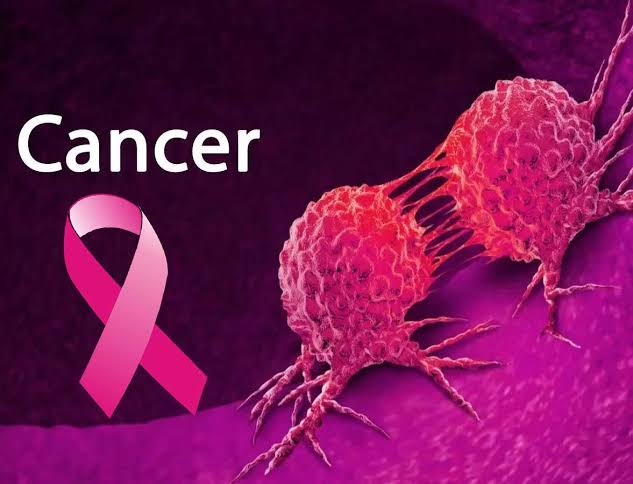
HPV Vaccination
HPV is a group of more than 200 related viruses, some of which can lead to cancers of the cervix, vagina, vulva, penis, anus, and oropharynx (throat). The HPV vaccine is highly effective at preventing infection with the most cancer-causing HPV types. The CDC recommends:
- Routine vaccination: For girls and boys at age 11 or 12 (can start at age 9).
- Catch-up vaccination: For individuals aged 13–26 who haven’t been vaccinated or completed the series.
- Shared decision-making: Adults aged 27–45 may discuss vaccination with their healthcare provider, as benefits depend on prior HPV exposure.
Hepatitis B Vaccination
Chronic HBV infection can lead to liver cancer (hepatocellular carcinoma). The Hepatitis B vaccine is part of routine childhood immunization schedules in many countries and is recommended for adults at high risk, including:
- People with multiple sexual partners.
- Injection drug users.
- Healthcare workers exposed to blood.
- People with chronic liver disease or HIV.
Reducing Exposure to Environmental Carcinogens
While some environmental risks—like air pollution or chemical exposures—are difficult to avoid entirely, taking steps to minimize exposure can lower your cancer risk. The IARC classifies several environmental factors as carcinogenic, including:
- Tobacco smoke: Both active and secondhand smoke increase the risk of lung cancer and other cancers.
- Asbestos: Found in older buildings, asbestos exposure is linked to mesothelioma and lung cancer. If you suspect asbestos in your home, consult a professional for removal.
- Radon gas: A naturally occurring radioactive gas, radon is the second leading cause of lung cancer in the U.S. Test your home for radon and mitigate if levels are high.
- Pesticides and herbicides: Long-term exposure to certain agricultural chemicals may increase cancer risk. Use protective gear when handling these substances and choose organic produce when possible.
- Ultraviolet (UV) radiation: As discussed earlier, UV rays from the sun or tanning beds can cause skin cancer.
Practical Steps to Reduce Environmental Risks
While you can’t eliminate all environmental risks, these steps can help reduce exposure:
- Test your home: Use radon test kits and ensure proper ventilation to reduce indoor air pollution.
- Choose safer products: Opt for cleaning products, cosmetics, and personal care items labeled as free from carcinogens like formaldehyde or benzene.
- Filter your water: Use a water filter certified to remove contaminants like lead, arsenic, and pesticides.
- Wear protective gear: If you work with chemicals or in high-risk environments, use masks, gloves, and other protective equipment.
- Stay informed: Follow guidelines from health organizations like the Environmental Protection Agency (EPA) or WHO for updates on environmental risks.
Prioritizing Sleep and Stress Management
Chronic stress and poor sleep are often overlooked but significant contributors to cancer risk. Stress triggers the release of hormones like cortisol, which can promote inflammation and weaken the immune system. Over time, this may increase susceptibility to cancer. Similarly, sleep is critical for cellular repair and immune function. Poor sleep quality or insufficient sleep (less than 7 hours per night) has been linked to higher risks of breast, colorectal, and prostate cancers.
How to Improve Sleep and Reduce Stress
Incorporating healthy sleep habits and stress-reduction techniques can lower your cancer risk and improve overall well-being:
- Establish a sleep routine: Go to bed and wake up at the same time every day, even on weekends. Aim for 7–9 hours of sleep per night.
- Create a restful environment: Keep your bedroom cool, dark, and quiet. Avoid screens (phones, TVs) at least 1 hour before bed.
- Practice relaxation techniques: Mindfulness meditation, deep breathing, yoga, or progressive muscle relaxation can reduce stress and improve sleep.
- Stay active: Regular exercise helps regulate sleep patterns and reduces stress hormones like cortisol.
- Limit caffeine and alcohol: Both can disrupt sleep. Avoid caffeine after 2 p.m. and limit alcohol close to bedtime.
Regular Screenings: Early Detection Saves Lives
While not a prevention strategy per se, regular cancer screenings are critical for early detection, when cancers are most treatable. Screening tests can identify precancerous changes or cancers at an early stage, often before symptoms appear. The ACS and U.S. Preventive Services Task Force (USPSTF) recommend the following screenings based on age and risk factors:
Common Cancer Screenings
| Cancer Type | Recommended Screening | Frequency | Starting Age |
|---|---|---|---|
| Breast Cancer | Mammogram | Every 1–2 years | Women: Age 40–44 (optional), 45–54 (annual), 55+ (every 1–2 years) |
| Cervical Cancer | Pap test and/or HPV test | Every 3–5 years | Women: Age 21 |
| Colorectal Cancer | Colonoscopy, stool tests, or sigmoidoscopy | Every 1–10 years (depending on test) | Adults: Age 45 (or earlier for high-risk individuals) |
| Lung Cancer | Low-dose CT scan | Annual | Adults: Age 50–80 with a 20+ pack-year smoking history |
| Prostate Cancer | Prostate-specific antigen (PSA) test | Discuss with doctor | Men: Age 50 (or earlier for high-risk individuals) |
Who Should Get Screened?
Screening recommendations vary based on age, sex, family history, and other risk factors. It’s essential to discuss your personal risk profile with a healthcare provider to determine the most appropriate screening schedule. For example:
- Family history: If you have a first-degree relative (parent, sibling, child) with a specific cancer, you may need earlier or more frequent screening.
- Genetic mutations: Certain genetic conditions, like BRCA1/2 mutations, significantly increase cancer risk and may warrant specialized screening.
- Lifestyle factors: Smokers, heavy drinkers, or individuals with obesity may need more frequent screenings for cancers like lung or liver cancer.
Summary: 10 Must-Know Tips to Stop Cancer Before It Starts
Cancer prevention is a lifelong journey that involves making informed, evidence-based choices. While no strategy can guarantee 100% protection, combining multiple approaches significantly reduces your risk. Below is a recap of the 10 most effective, scientifically backed ways to lower your cancer risk:
Top 10 Cancer Prevention Strategies
- Maintain a healthy weight: Aim for a BMI between 18.5 and 24.9 through balanced nutrition and regular exercise.
- Avoid tobacco: Quit smoking and avoid secondhand smoke to eliminate the leading preventable cause of cancer.
- Limit alcohol: Avoid alcohol or limit intake to occasional, moderate amounts to reduce cancer risk.
- Protect your skin: Use sunscreen, wear protective clothing, and avoid tanning beds to prevent skin cancer.
- Eat a cancer-protective diet: Focus on fruits, vegetables, whole grains, and lean proteins while limiting processed and red meats.
- Stay physically active: Aim for at least 150 minutes of moderate or 75 minutes of vigorous activity per week.
- Get vaccinated: Protect against HPV and HBV with recommended vaccines to prevent infection-related cancers.
- Reduce environmental exposures: Minimize contact with known carcinogens like asbestos, radon, and pesticides.
- Prioritize sleep and stress management: Aim for 7–9 hours of sleep per night and practice stress-reduction techniques.
- Get regular screenings: Follow age- and risk-based screening guidelines for early detection of cancers.
Final Thoughts: Empowerment Through Knowledge
Cancer prevention is not about fear or deprivation but about empowering yourself with knowledge and making choices that support long-term health. The strategies outlined in this article are grounded in decades of research and endorsed by leading health organizations. While individual risk varies, adopting even a few of these habits can make a meaningful difference.
Remember, cancer prevention is a marathon, not a sprint. Small, consistent changes—like swapping processed snacks for whole foods or taking a daily walk—can add up over time. If you’re unsure where to start, consult a healthcare provider to create a personalized plan tailored to your needs and risk factors.
By taking proactive steps today, you’re not just reducing your cancer risk; you’re investing in a healthier, more vibrant future.
Disclaimer: This article is for informational purposes only and does not constitute medical advice. Always consult a qualified healthcare professional for diagnosis and treatment.
You May Also Like

Trending Now