FBI fights to block release of Bola Tinubu’s 1990s drug records in U.S. court
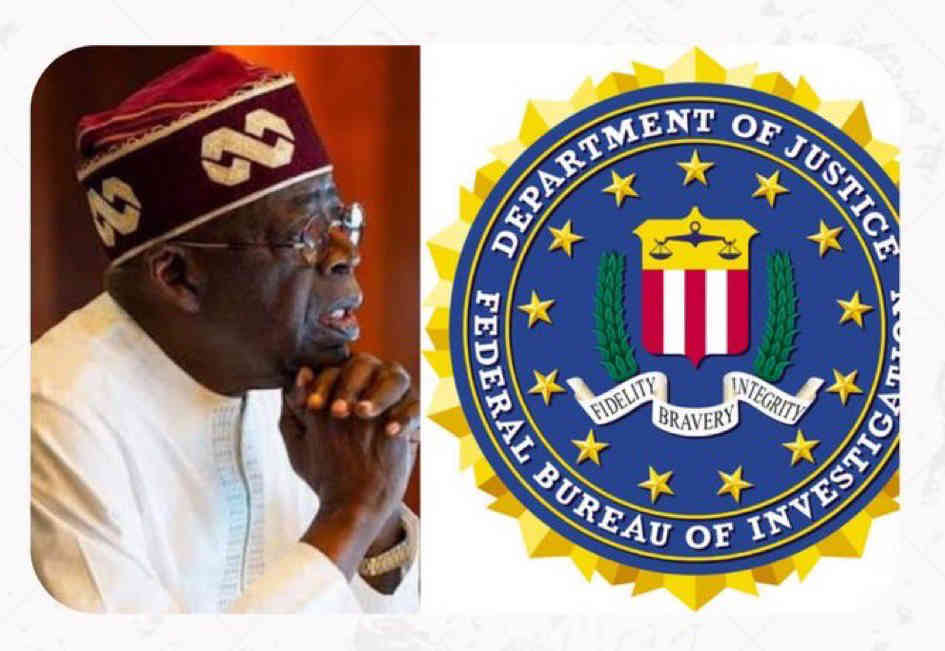
The U.S. Federal Bureau of Investigation (FBI) has told a federal court that releasing its full, unredacted records on Nigerian President Bola Tinubu’s 1990s drug-trafficking investigation could endanger lives and expose sensitive law enforcement techniques.
In a court filing on Tuesday, the FBI argued that disclosing specific details from its investigation into a heroin trafficking ring in Chicago during the early 1990s would violate privacy, compromise confidential sources, and threaten personal safety. The bureau relied on exemptions under the Freedom of Information Act (FOIA)—specifically 7(E) and 7(F)—to justify withholding the material.
Also Read : Tinubu’s Drug Trafficking Records: US Court Gives Ultimatum to Pirro’s Attorney
Ejes Gist News understands the FBI also requested permission to file a sealed, ex parte declaration, allowing a judge to review the sensitive reasoning in private rather than publicly.
Also Read: Delta State Governor Appoints New General Manager for Social Investment Programme
The court documents confirm the FBI holds highly sensitive records related to the investigation that led to Tinubu forfeiting $460,000 to the U.S. government in 1993.
Key Arguments Raised by the FBI
The FBI’s filing outlines several concerns:
- Risk to Safety and Methods: The bureau stated that public disclosure of certain details could reveal confidential sources, compromise ongoing or future investigations, and endanger individuals involved.
- Request for Private Review: The FBI argued it cannot fully explain its reasoning for withholding the records without revealing the sensitive details themselves. It asked the court to allow a sealed submission so a judge could assess the classified reasoning privately.
- Admission of Records: The FBI acknowledged it possesses highly sensitive documents related to the early 1990s heroin trafficking investigation in Chicago that implicated Tinubu.
Current Status of the Court Case
The legal battle stems from a Freedom of Information Act (FOIA) lawsuit filed by American researcher Aaron Greenspan, who has sought access to the records for years.
In a significant ruling, U.S. District Judge Beryl Howell rejected the FBI and DEA’s attempt to use a Glomar response—a tactic where agencies refuse to confirm or deny the existence of records. Judge Howell ruled that public interest outweighed privacy concerns, given Tinubu’s historical ties to the investigation were already a matter of public record.
The judge subsequently granted the FBI’s request to submit its confidential justifications under seal. The court has set a deadline of August 28, 2026, for the FBI, DEA, and Tinubu’s legal team to submit their sealed declarations and final oppositions on what can be publicly released.
Background: Tinubu’s 1990s Investigation
In 1993, Tinubu, then a Chicago-based businessman, forfeited $460,000 to U.S. authorities amid an investigation into a heroin trafficking ring. The case centred on allegations that the funds were linked to drug trafficking activities.
While Tinubu has never been criminally charged in the U.S., the investigation and subsequent forfeiture have remained a subject of public scrutiny, particularly in Nigeria, where he later rose to political prominence.
Tinubu, who became Nigeria’s president in 2023, has not publicly addressed the details of the 1990s investigation in recent years. His administration has not responded directly to the FOIA lawsuit or the FBI’s latest filing.
What Happens Next?
The court’s decision to allow sealed submissions means the public will not immediately see the FBI’s full reasoning for withholding the records. Judge Howell will review the confidential filings before determining what, if any, portions of the documents can be released.
The outcome of this case could set a precedent for future FOIA requests involving sensitive law enforcement records, particularly those tied to high-profile figures.
For now, the legal battle continues behind closed doors, with the next major deadline set for August 28, 2026.
Ejes Gist News stands for truth, responsible journalism, editorial integrity and fearless accountability.
You May Also Like



Trending Now