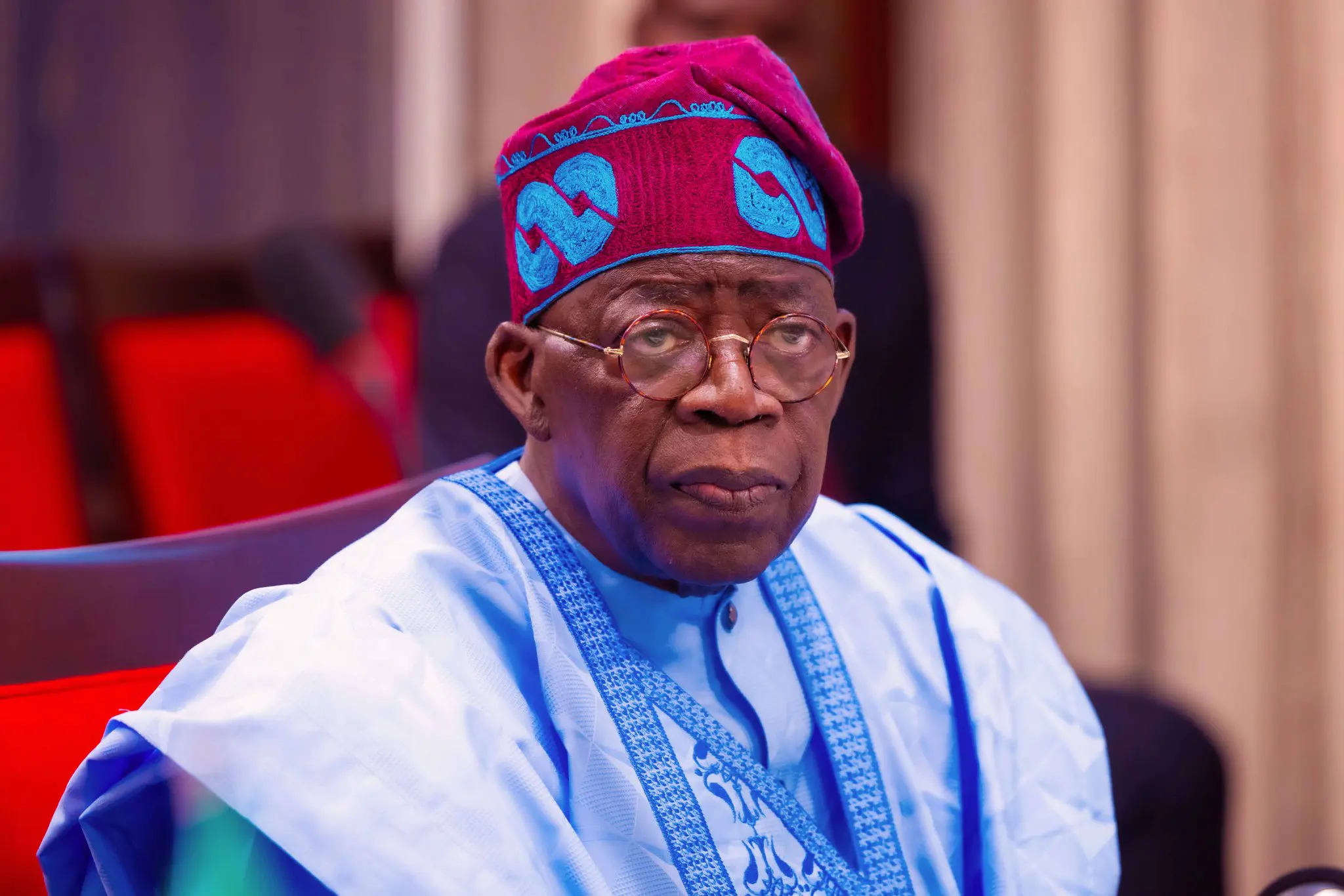

Cardoso: Why CBN’s rate decision shocked the market
CBN’s surprise rate decision aimed at fixing faulty policy transmission.
Central Bank of Nigeria Governor Olayemi Cardoso says the apex bank moved to correct a broken monetary policy transmission mechanism, helped by rising reserves and easing inflation.
Central Bank of Nigeria (CBN) Governor Olayemi Cardoso has explained that the need to correct a faulty monetary policy transmission mechanism, combined with improving macroeconomic conditions, drove the apex bank’s latest monetary policy decision — a move he acknowledged took the market by surprise.
Cardoso spoke during a session titled How Central Banks Decide at the ongoing International Monetary Fund (IMF) and World Bank Annual Meetings.
He said Nigeria’s external reserves had climbed to their highest level in 18 years, inflation was declining consistently and economic growth remained at a reasonable pace — conditions he said gave the CBN room to address the imbalance in how policy signals move through the economy.
Responding to a question from the IMF’s First Deputy Managing Director, Dan Katz, on how the CBN managed communication around a decision that surprised the market but appeared to cause little disruption, Cardoso attributed the outcome to deliberate communication and reforms undertaken before the decision.
“You are absolutely right. It took the market by surprise, and markets, as we know, generally don’t like surprises,” he said.
Fiscal–monetary MOU, new financing rate
Cardoso said several developments had strengthened the policy framework before the Monetary Policy Committee meeting, particularly improved coordination between fiscal and monetary authorities.
“We had signed up an MOU between the fiscal and the monetary to ensure that we were all on the same page, and that was very well received,” he said.
The CBN governor also cited the introduction of the overnight financing rate, which he said gave markets greater clarity about prevailing interest rate conditions than the previous system.
Tackle Financial Needs In Africa – Cardoso Tells World Bank, IMF
“In terms of the situation from the macros, Nigeria was in a very good place. Our external reserves were the highest we had had in 18 years,” Cardoso said.
Why Nigeria can’t simply copy other central banks
Cardoso also argued that Nigeria’s monetary policy decisions must reflect the country’s specific economic circumstances rather than mirror the actions of other central banks.
He said Nigeria’s inflation experience differed from that of many economies because major domestic policy changes — particularly foreign exchange harmonisation and the removal of petrol subsidies — occurred at a different point in the global inflation cycle.
MPC independence and the case against groupthink
Explaining the committee’s decision-making process, Cardoso said the independence of members was essential to ensuring robust deliberations and preventing groupthink.
The CBN’s MPC comprises 12 members — seven internal and five external.
According to him, the external members bring independent perspectives that strengthen debate and challenge established assumptions.
He said the CBN deliberately recruited independent-minded external members during the transition from currency crisis to economic stabilisation to strengthen the credibility of monetary policy decisions.
“By and large, they brought a completely different perspective from the perspective of those who are not just internal,” he said.
You May Also Like


Trending Now