
Tinubu’s Loans Yield Nothing, Says APC Chief Whip in Fiery Senate Speech
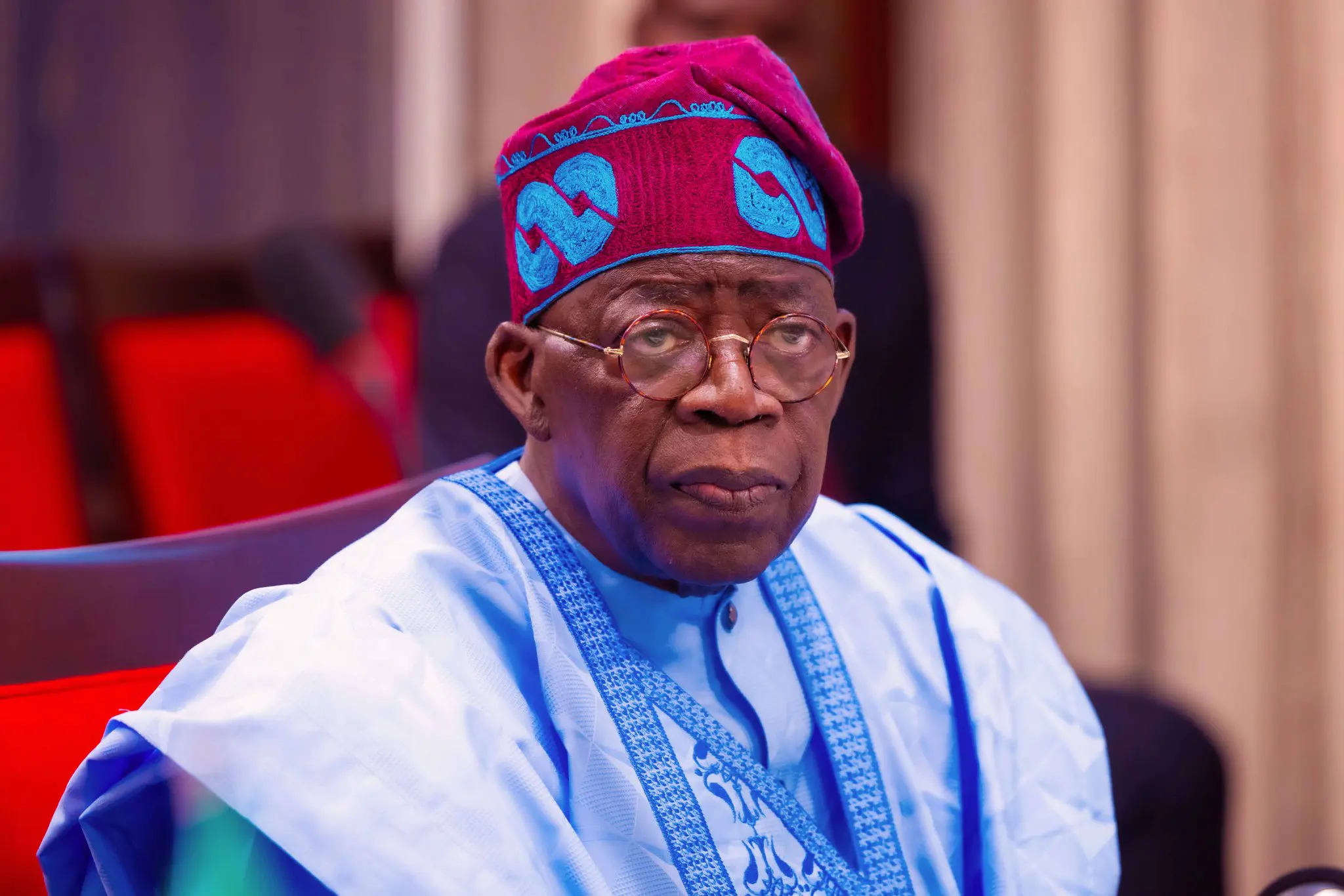
APC Senator Slams Tinubu’s Government, Says Loans Yield No Tangible Results
Senate Chief Whip, Senator Tahir Monguno (APC, Borno North), has launched a scathing critique of President Bola Tinubu’s administration, asserting that despite the government’s extensive borrowing, there is nothing concrete to show for the loans. The senator’s remarks, delivered on the floor of the Senate, have sparked intense debate about fiscal responsibility and governance under the current administration.
Monguno’s Criticism: A Rare Intra-Party Rebuke
Speaking during a plenary session, Senator Monguno expressed frustration over the lack of visible infrastructure or development projects funded by the loans obtained by the federal government. He argued that the failure to implement the national budget effectively amounts to an impeachable offense, signaling a rare public rebuke from within the ruling All Progressives Congress (APC).
“With all the loans this government has taken, we have nothing to show for it,” Monguno stated. “The budget is not being implemented, and that is a serious issue. If the budget is not implemented, it is an impeachable offense.” His comments highlight growing discontent among lawmakers over the executive’s handling of the economy and public funds.
Nnamdi Kanu’s Wife Denies Divorce Rumors, Calls Reports Misinformation
Context of the Loans and Budget Implementation
The Tinubu administration has secured multiple loans since taking office, citing the need to stabilize the economy and fund critical infrastructure.
However, critics argue that the borrowed funds have not translated into tangible improvements in the lives of Nigerians. The senator’s remarks underscore a broader concern about transparency and accountability in the use of public funds.
Budget implementation has been a contentious issue, with many lawmakers accusing the executive of failing to release allocated funds for projects.
Monguno’s threat of impeachment, while largely symbolic, reflects the depth of frustration within the National Assembly.
Political Implications and Reactions
Monguno’s statement has drawn mixed reactions from political analysts and the public. Some see it as a necessary check on executive power, while others view it as a political maneuver ahead of the 2027 elections.
The APC leadership has yet to officially respond, but the incident underscores internal divisions within the party.
As the debate continues, all eyes are on the Tinubu administration to demonstrate tangible results from its borrowing and budget implementation. The senator’s warning serves as a reminder that accountability remains a central demand from both lawmakers and citizens.
Senator Monguno’s critique highlights a critical juncture for the Tinubu government, where promises of economic revival must be matched with visible progress. Whether this leads to policy changes or remains a rhetorical flashpoint will shape the political landscape in the months ahead.