Plateau Governor Apologizes to Igbos for Civil War Role, Admits Misleading
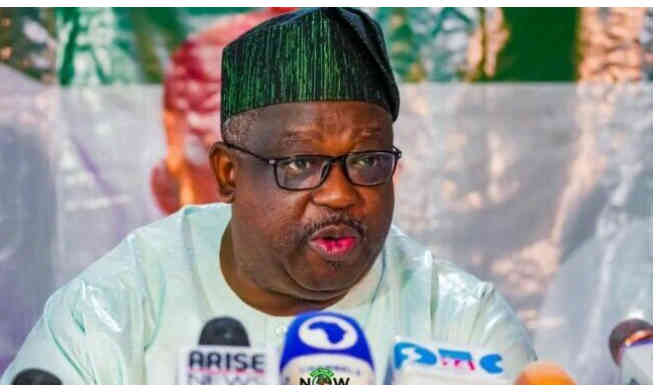
Plateau State Governor Caleb Mutfwang, in a significant move toward national reconciliation, has issued a formal apology to the Igbo nation for the role the state played during the Nigerian Civil War.
Speaking at a peace and reconciliation event in Jos, the governor acknowledged that the people of Plateau were misled into participating in the war against the Igbos.
Governor’s Acknowledgment of Historical Injustice
Governor Mutfwang expressed deep regret over the actions of his predecessors, stating that the Plateau people were manipulated by political elites to fight against the Igbos.
He emphasized that the civil war was a tragic chapter in Nigeria’s history, fueled by misinformation and ethnic divisions.
“We were misled into believing that the Igbos were our enemies, but today we know the truth,” the governor said. He called for unity and healing, urging both communities to move forward together.
Reactions from the Igbo Community
The apology has been met with mixed reactions. Leaders of the Igbo community in Plateau State welcomed the gesture, describing it as a step toward genuine reconciliation.
However, some expressed skepticism, noting that apologies must be followed by concrete actions to address lingering grievances. The Ohanaeze Ndigbo, the apex Igbo socio-cultural organization, commended the governor but called for a national dialogue on the civil war’s legacy.
US Visa Waiver Program Changes: Affected Countries and Eligibility Rules (Full List)
Broader Implications for National Unity
This apology comes amid ongoing efforts to heal ethnic and regional divisions in Nigeria. Analysts see it as a positive development that could encourage other leaders to confront historical wrongs. The governor’s statement also highlights the need for accurate historical education to prevent future conflicts.
As Nigeria continues to grapple with issues of identity and belonging, such gestures of contrition may pave the way for a more inclusive national narrative.
Governor Mutfwang’s apology marks a pivotal moment in Plateau State’s relationship with the Igbo nation. While it cannot undo the past, it opens a door for dialogue and reconciliation. The challenge now lies in translating words into meaningful action that fosters lasting peace and unity.
You May Also Like

Trending Now