
Umahi Faces Resistance in Ebonyi as Former Governor Sam Egwu Rejects Tinubu’s Endorsement
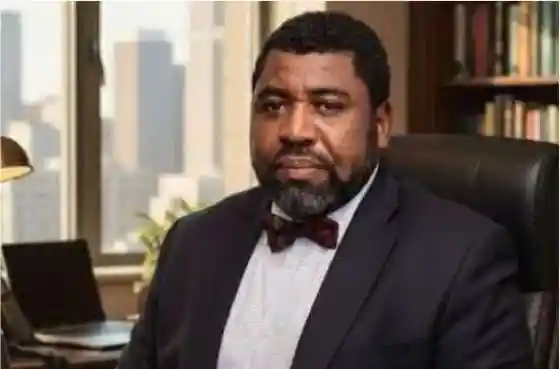
Former Ebonyi State Governor, Sam Ominyi Egwu, has rejected moves to use a 2026 stakeholders’ political summit in the state to endorse President Bola Ahmed Tinubu for a second term, insisting that the gathering was convened to strengthen governorship zoning and promote political stability.
Egwu, who chaired the summit held at the Christian Ecumenical Centre in Abakaliki, said the meeting was not a political party affair and had not been organised to adopt any presidential candidate ahead of the 2027 general elections.
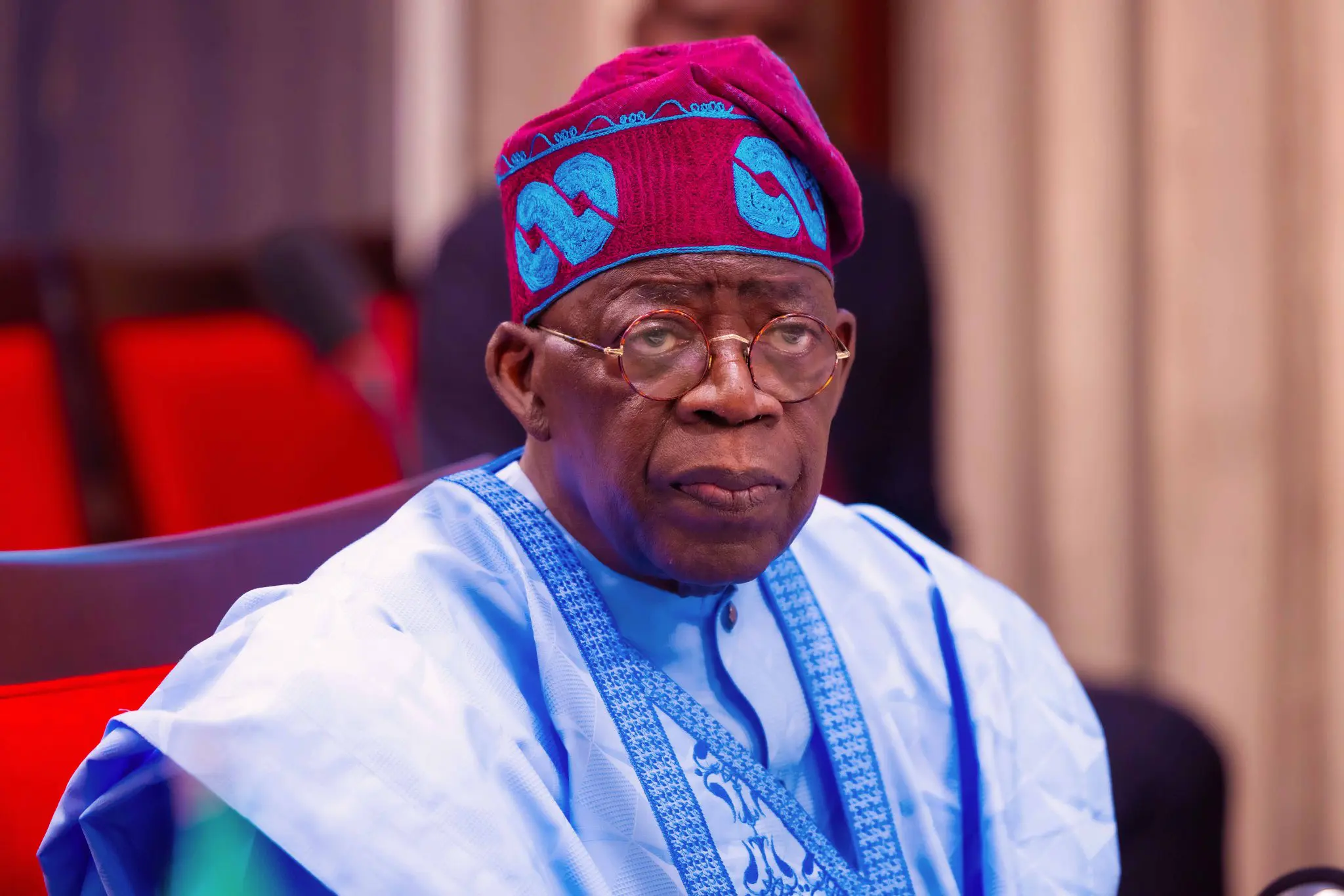
His position followed a motion moved by the senator representing Ebonyi North Senatorial District, Onyekachi Nwebonyi, seeking the endorsement of Tinubu for a second term in office.
Reacting to the motion, Egwu maintained that the purpose of the summit had been agreed upon by stakeholders before the meeting and centred on consolidating the governorship zoning arrangement among Ebonyi State’s three senatorial districts.
According to the former governor, the arrangement has helped promote peaceful coexistence and address concerns about marginalisation among the zones.
He consequently described Nwebonyi’s motion endorsing Tinubu as procedurally invalid, arguing that it fell outside the agreed objectives of the summit.
The disagreement has brought questions about the limits of political consensus and presidential support to the forefront as Ebonyi political leaders position themselves ahead of the 2027 elections.
Summit Was Not an APC Affair — Agbo
Also speaking at the gathering, former senator representing Ebonyi South, Anthony Agbo, described the summit as a broad-based meeting that transcended political party affiliations.
Agbo said the event was intended to send a strong message about how the people of Ebonyi should conduct themselves and preserve their collective identity in the run-up to the 2027 general elections.
He also dismissed claims that 95 per cent of participants at the summit were members of the All Progressives Congress (APC), describing the figure as fabricated.
“Whoever did such statistics, I don’t know where he did his survey from that 95 per cent of the people here are from APC,” Agbo said.
He pointed to Egwu and other prominent attendees who were not members of the ruling party as evidence that the gathering cut across political affiliations.
One of the summit’s conveners, Obinna Ogba, said the meeting was organised to bring Ebonyi people together, encourage dialogue and reach decisions capable of promoting unity among political stakeholders.
Ogba stressed that peace was essential to development and the survival of democracy, adding that political differences should not prevent leaders from working together in the interest of the state.
Umahi Highlights Tinubu Administration’s Projects
Meanwhile, Minister of Works David Umahi highlighted infrastructure projects being undertaken by the Tinubu administration, particularly road, bridge and railway developments across the South-East.
Umahi said the projects would improve connectivity between communities and states, facilitate commercial activities and stimulate economic growth in the region.
He also commended the cooperation between the Federal Government and the Ebonyi State Government in advancing infrastructure development.
However, the debate over Tinubu’s endorsement at the summit has underscored differing views among Ebonyi stakeholders about the meeting’s mandate and the extent to which political gatherings should be used to express support for candidates ahead of elections.
While Umahi highlighted the Federal Government’s infrastructure achievements, Egwu insisted that the summit’s primary purpose remained the preservation of governorship zoning and political stability in Ebonyi State.
The development comes as political leaders across the country intensify consultations and realignments ahead of the 2027 general elections, with issues of fairness, inclusion and political consensus expected to shape discussions in the coming months.
Ejes Gist News stands for truth, responsible journalism, editorial integrity and fearless accountability.
You May Also Like

Trending Now