Ebola in Nigeria 2026: What You Should Know as Uganda Demands Traveller’s Records
Nigeria has confirmed a case of Ebola in Abuja, making it the first West African country to record an infection linked to the outbreak that began in the Democratic Republic of Congo in May — a development that has set off a quiet diplomatic exchange with Uganda over where the patient picked up the virus.
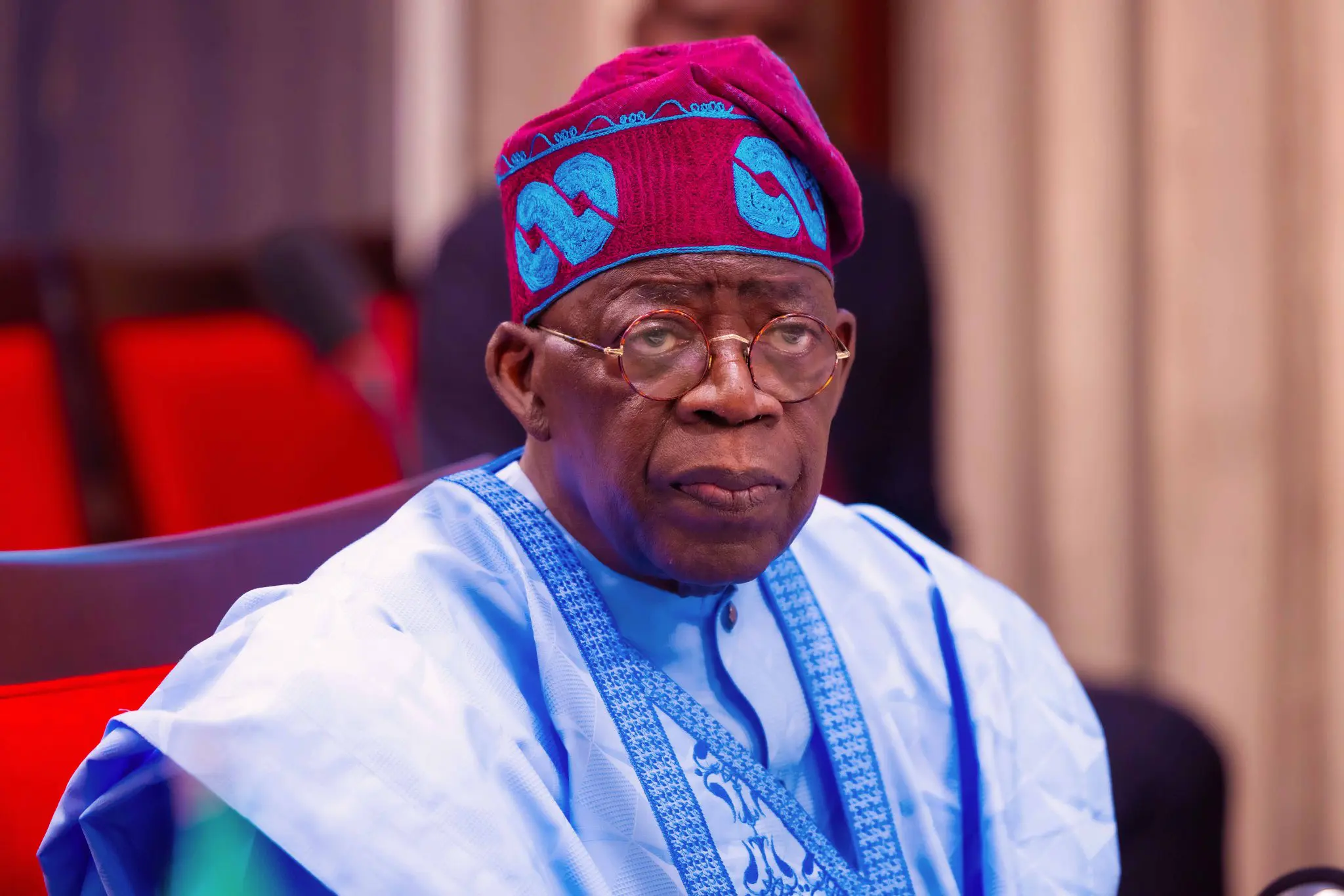
Health Minister Muhammad Ali Pate said the diagnosis was confirmed by laboratory tests after a female patient arrived in the country from Uganda and was admitted to a private hospital in the capital, where she received care for several days before Ebola was confirmed.
“She is in isolation, and she is receiving quality medical care. Contact tracing has been conducted, and it’s under way as we speak, with 44 contacts already identified,” Pate told the national broadcaster, the Nigerian Television Authority.
Most of the 44 contacts identified so far are health workers. Pate said Nigeria successfully contained Ebola in 2014 and has the experience and public health systems to respond to this case. That outbreak, imported by a traveller from Liberia, infected 20 people and killed eight.
Uganda asks Nigeria for travel and clinical records
Uganda’s Ministry of Health has formally asked Nigeria to supply detailed travel and clinical records for the patient, saying the information is needed to guide further investigations and determine whether additional contact tracing is required.
In a statement issued in Kampala, Prof. Charles Olaro, Director General of Health Services, said preliminary information indicated the woman travelled to eastern Democratic Republic of Congo for business and transited Uganda in early October without showing symptoms, developing symptoms only after arriving in Nigeria.
“Her transit through Uganda does not establish that she contracted the infection there. The location of exposure remains under investigation,” Olaro said, adding that “the Government of Nigeria is yet to provide detailed information on the woman’s travel itinerary and clinical history to guide further investigations and any necessary contact tracing.”
The Ugandan ministry, which titled its statement “Reported Ebola Case in Nigeria: Ministry Calls for Calm and Vigilance,” stressed that as of the date of the statement Uganda had no confirmed active Ebola cases. Uganda reported 20 cases in May and June, mostly imported from Congo, and the World Health Organization declared the country Ebola-free in August after two deaths.
Ugandan government spokesperson Alan Kasujja was blunter when asked for comment, telling reporters: “There’s no Ebola in Uganda.”
Nigeria pushes back on where the virus was contracted
Pate has suggested the infection was most likely picked up in Uganda, telling NTA that the patient had not confirmed travelling to DR Congo.
“We presume that it was likely picked in Uganda,” the minister said, adding that her travel documents would be used to trace contacts.
According to the World Health Organization, the patient arrived in Nigeria on 5 October and developed symptoms on Wednesday 7 October, four days after landing. Health sources told the BBC that the woman is not Nigerian and is the wife of a diplomat.
The gap between the onset of symptoms and testing has alarmed some experts. Ayoade Alakija, a Nigerian physician who co-chairs a G7 committee for investment in global health, said it took 12 days from the moment the woman fell ill for her to be tested for Ebola.
“My concern, now that this has spread from East Africa to West Africa, is that we now have a pan-African event, as opposed to a few at-risk countries,” Alakija said, according to Reuters. “Abuja is one of Africa’s main cities … with air and road connections daily, multiple, across the world. It’s a very different prospect — and that’s what worries me — the amount of time it took.”
A regional outbreak that keeps widening
Nigeria is the fourth African country to detect Ebola since the outbreak began and one of three with active cases. The epidemic, declared in DR Congo in mid-May, has grown into the world’s second-largest Ebola outbreak on record and the deadliest in Congo’s history, with more than 9,500 cases and at least 4,600 deaths reported as of Sunday, according to figures cited by the European Centre for Disease Prevention and Control.
Also Read: 10 Things to Know About Asthma and How to Live Better with the Disease
It is spreading faster than any previous Ebola outbreak, health officials say. Kenya has reported nine cases this month, all linked to a single traveller who arrived from Congo via Uganda and later died. Uganda’s earlier cluster of 20 cases was largely imported from Congo. France reported one case in June involving a doctor who had returned from Congo, with no cases since.
Jean Kaseya, Director General of the Africa Centres for Disease Control and Prevention, said the agency had begun mobilising support for Nigeria and would convene a virtual crisis summit of African health ministers next week to discuss cross-border management of the threat.
“This Bundibugyo Ebola outbreak has already become the most geographically extensive in history, affecting countries spread across three regions of Africa,” Kaseya said in a post on X. “Africa has faced Ebola before, and Africa will defeat it again.”
What you should know about the Ebola outbreak in Nigeria
It is not the Zaire strain. This epidemic is driven by the Bundibugyo virus, a rare species of Ebola with only two previous outbreaks, in 2007 and 2012, both of which ended with fewer than 100 deaths. Fatality rates in those outbreaks ranged from roughly 30 to 50 per cent, lower than the Zaire strain responsible for the 2014 West African epidemic that killed more than 11,000 people.
There is no approved vaccine or treatment for Bundibugyo. Because previous outbreaks were small and the strain is relatively new, no licensed vaccine or therapeutic exists, although trials are under way.
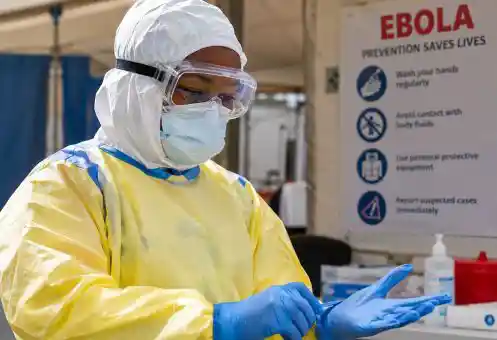
It spreads through bodily fluids. Ebola passes from person to person through contact with infected blood, vomit, stool, urine, saliva, sweat, semen or breast milk, and through surfaces contaminated with those fluids. It is not airborne.
Symptoms appear between two and 21 days after exposure. Early signs — fever, fatigue, muscle pain, headache and sore throat — resemble malaria and typhoid, which is one reason cases are missed. As the disease progresses, vomiting, diarrhoea and, in some patients, internal and external bleeding develop, and it can lead to organ failure. Some, but not all, patients bleed.
The incubation window matters for contact tracing. Because a person exposed to Ebola may not fall ill for up to three weeks, the 44 contacts identified in Abuja will need to be monitored for 21 days from their last exposure.
Nigeria has tightened surveillance. The Nigeria Centre for Disease Control says travellers from countries with active or relevant Ebola transmission may be required to complete a health declaration form on arrival. Travellers from other countries are currently exempt. The agency has urged members of the public to remain vigilant and to seek medical attention promptly if they develop symptoms, and to cooperate with health officials conducting contact tracing.
Hand hygiene and early reporting remain the basic defences. Uganda’s ministry urged the public to “remain calm, vigilant and to practice regular handwashing and sanitising,” and Nigerian authorities have issued similar guidance.
The bottom line
Nigeria has one confirmed case, one patient in isolation and 44 contacts under watch. The unresolved question — where the woman was infected — is now the subject of an exchange between Abuja and Kampala, with Uganda insisting that transit through its territory does not prove infection there and Nigeria saying it presumes the virus was likely picked up in Uganda. Both governments say the location of exposure remains under investigation, and the answer will determine how far contact tracing must reach.
Ejes Gist News stands for truth, responsible journalism, editorial integrity and fearless accountability.
You May Also Like

Trending Now