Did Tinubu Vow to Retain Power by All Means Necessary? Arise News Director Sumner Sambo Explains
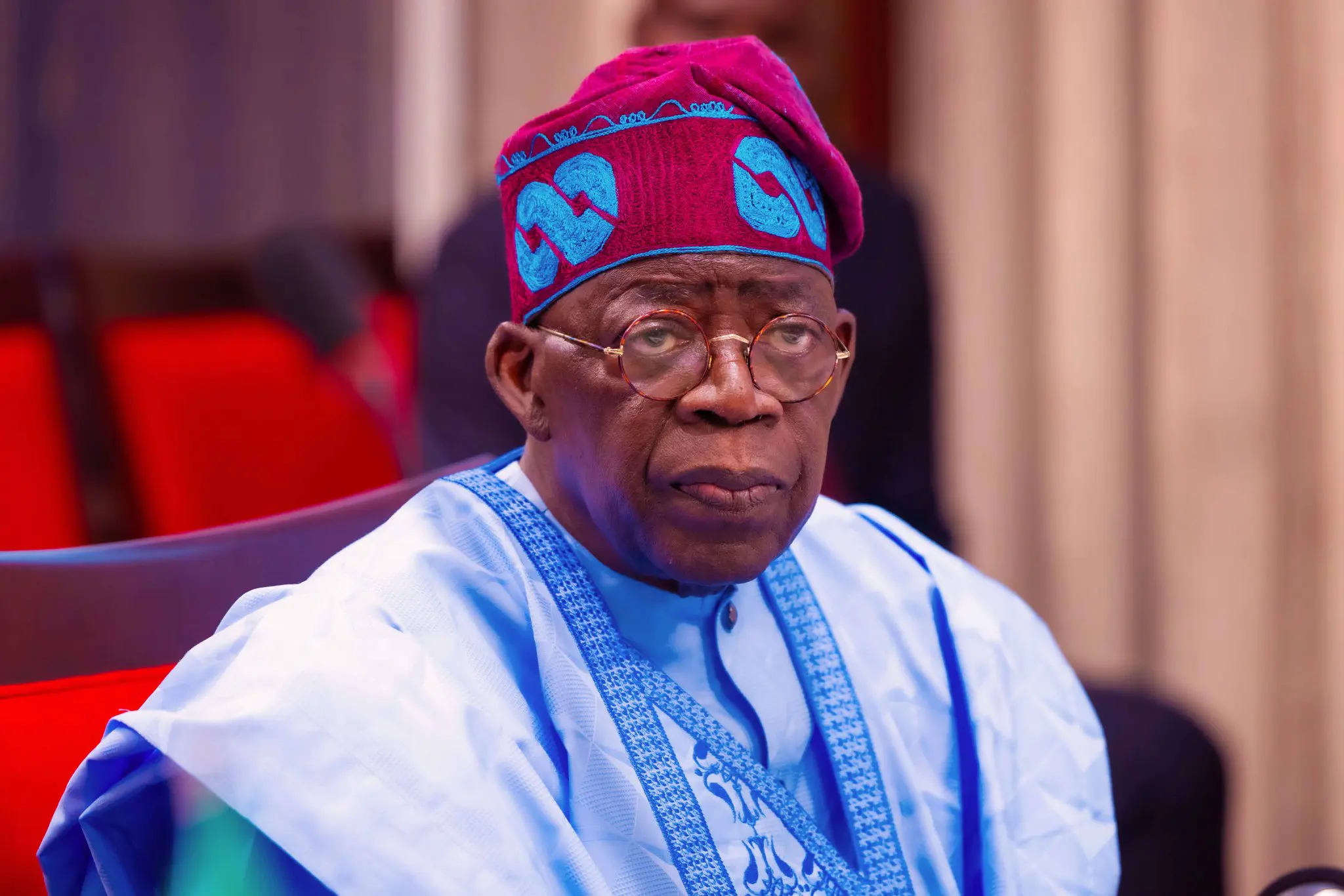
ABUJA — President Bola Tinubu’s remarks during a meeting with the Catholic Bishops’ Conference of Nigeria (CBCN) have sparked fresh political debate after Sumner Sambo, Director of News at Arise News, offered a pointed interpretation of the President’s comments on politics and electoral competition.
During the meeting at the Presidential Villa, Tinubu defended the neutrality of the Independent National Electoral Commission (INEC) and dismissed allegations that the electoral body was biased. The President told the bishops that “all is fair in politics” and maintained that political actors have equal opportunities within Nigeria’s democratic system.
Also Read: Fake Agency Probe: Walson-Jack Admits Approving PFIPC Establishment Structure, Recruitment Waiver
Ejes Gist News reports that Tinubu’s comment quickly attracted attention across the political spectrum, with supporters describing it as a statement on democratic competition while critics questioned the deeper meaning behind the phrase.
Reacting during an Arise Television programme, Sumner Sambo argued that the President’s remark should not be viewed in isolation. According to the veteran broadcaster, the phrase “all is fair in politics” is a variation of the popular saying, “all is fair in love and war.”
Sambo explained that the traditional expression is widely understood to mean that people are prepared to deploy every available advantage to achieve victory. Applying that interpretation to politics, he argued that Tinubu’s statement could be understood as a signal of determination to use all available political means to secure and retain power within the framework of electoral competition.
The Arise News Director stressed that his comments represented an interpretation of the President’s language rather than a direct quotation from Tinubu. The President did not expressly state that he would retain power “by all means necessary.” Rather, the controversy has centred on how political observers understand the implications of his “all is fair in politics” remark.
Sambo also faulted Tinubu’s public defence of INEC, insisting that it was not the responsibility of the President to determine whether the electoral umpire had acted fairly.
“It is not the place of President Tinubu to tell Nigerians if INEC has been fair or not,” Sambo said, arguing that Nigerians must independently assess the credibility and neutrality of the commission through its actions and conduct.
According to him, public confidence in elections depends on citizens believing that the electoral process is transparent and free from political influence. He maintained that assurances from political leaders cannot substitute for public trust in democratic institutions.
The exchange has generated wider discussions about electoral integrity, democratic accountability and the political calculations ahead of the 2027 general election. While supporters of the President insist that his remarks merely reflected the realities of political competition, critics argue that the statement raises legitimate questions about how political power is pursued and maintained in Nigeria.
At the centre of the debate remains Tinubu’s declaration that “all is fair in politics” and Sambo’s contention that the phrase echoes the age-old maxim that “all is fair in love and war” — an expression he believes conveys a willingness to use every available political advantage in the contest for power.
You May Also Like
Trending Now