
Prostate Disease Treatment ,Symptoms, Causes, Warning Signs (How to Use Onion To cure Prostate Disease)
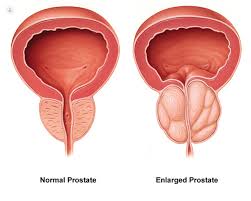
Prostate Disease: Causes, Symptoms, Warning Signs and Treatment — and How Onion Juice Is Used as a Home Remedy
Understanding the prostate gland
- The prostate is a reproductive organ in men; the fluid it secretes sustains and shields sperm cells.
- Inflammation (prostatitis), non-cancerous enlargement (BPH) and prostate cancer are the three prostate conditions seen most often.
- Men in their fifties or sixties should raise the question of a prostate check with their doctor.
- Where prostate disease runs in the family — or where a man has particular worries of his own — a check should be discussed with a doctor sooner.
The remedy set out below is one that any man can follow in the hope of avoiding prostate cancer, and those already living with the disease may try it as well; the recipe is presented as highly effective.
Begin with the premise that toxins gather in the prostate of every man past the age of 25, because urine and sperm travel through the urethra. The gland also contributes to the make-up of semen by secreting a substance that is never entirely expelled, and when those residual secretions stay put they add to a gradual build-up of toxins. Inflammation, swelling and a loss of function follow, with consequences for sex life (sexual weakness, premature ejaculation and similar problems).
Cleansing the gland regularly is therefore described as essential if it is to stay in good condition into old age. Conventional medicine has yet to deliver anything concrete and dependable for shielding the prostate against premature ageing. Among the many herbal options, however, there is a recipe that is simple, inexpensive and undemanding: onion juice.
Related reading: Psychosis — meaning, symptoms, diagnosis, causes and treatment types
How the onion juice is prepared
- For this recipe, take eight large onions or a dozen medium ones.
- Strip off the dry outer skin and wash the onions thoroughly.
- Chop them roughly and crush them in a clean mortar; a traditional wooden surface will also do. Do not use a blender, which would add water.
- Squeeze out the pure juice through a clean cloth or a scarf.
- Drink a 33cl glass of the juice.
- Repeat the procedure three weeks later, then a third time another three weeks after that. That is all there is to it. You’ve just cleansed your prostate of all toxins. The gland reverts to its previous youthful state. Every ten years, repeat this series of operations.
According to the recipe, a man whose blood circulation gives him no trouble will still be as firm at 75 as a young person.
Note: This juice should be taken first thing in the morning, on an empty stomach.
What exactly is the prostate?
The prostate is an organ of the male reproductive system, about the size of a walnut and sited at the base of the bladder. The urethra — the thin tube carrying urine and semen out of the penis — runs through the gland. Alkaline fluid from the prostate helps nourish sperm and leaves the urethra as ejaculate (semen). The gland goes through two principal growth spurts. The first is driven by sex hormones from the testes during puberty and takes the prostate to an average weight of 20 grams. The second begins once a man reaches his thirties.
How ageing affects the prostate
Roughly a quarter of men aged 55 and older are affected by prostate cancer, a proportion that climbs to 50% by the age of 70. Early-stage disease may produce no symptoms at all.
Men in their fifties or sixties should ask their doctor whether the gland needs checking and, if it does, how frequently. Where prostate disease runs in the family, or where a man has specific concerns, the timing of a check should also be discussed with a doctor.
The main categories of prostate disease
The three most frequently seen are prostatitis (inflammation), benign prostatic hyperplasia or BPH (non-cancerous enlargement) and prostate cancer. A man may be affected by one or more of them.
Prostatic inflammation (prostatitis)
Prostatitis occurs at any age, but younger men between 30 and 50 are more often affected. The main types are:
- bacterial prostatitis – an acute or chronic bacterial infection
- non-bacterial prostatitis – an inflamed prostate, also called chronic pelvic pain syndrome (CPPS).
In most cases the cause is unknown. Bacterial prostatitis responds well to antibiotic drugs capable of reaching the prostate.
Non-bacterial prostatitis, or CPPS, is the most common form and the harder one to manage. Symptoms differ from one man to another. No single test diagnoses CPPS, so other possible explanations for the symptoms must be ruled out before a diagnosis is made.
Possible causes of CPPS include:
- a past bacterial prostatitis infection
- irritation from certain chemicals
- a problem with the nerves serving the lower urinary tract
- difficulties with the pelvic floor muscles
- sexual abuse
- chronic anxiety problems.
Benign prostatic hyperplasia (non-cancerous enlargement)
BPH becomes more common as men grow older. It is not life threatening, but it can have a considerable effect on quality of life.
Because the gland surrounds the top of the urethra, enlargement narrows that tube and presses on the base of the bladder, which can obstruct the flow of urine.
Obstruction usually shows itself as lower urinary tract symptoms and sometimes leaves urine sitting in the bladder when it ought to be released. When this happens suddenly it is called acute urinary retention. The sensation is very painful and is normally eased temporarily by passing a thin tube (a catheter) to draw the urine off.
Chronic (ongoing) retention, which is less common, can lead to a dangerous but painless accumulation of urine in the bladder. A rare form of chronic retention involves high bladder pressures that can damage kidney function.
Cancer of the prostate
Prostate cancer generally affects men past the age of 50. Some 16,000 Australians receive a diagnosis each year. No cause has been identified, although getting older and a family history of the disease are recognised as contributory factors.
In the early stages, the cancer cells stay confined to the gland. With the more aggressive forms, cells enter the vascular and lymphatic systems early and travel to other parts of the body, where secondary tumours form — particularly in the bones.
Warning signs of prostate disease
In its earliest stages, prostate disease may cause symptoms or none at all. What a man notices depends on the condition, but the signs may include:
- difficulty urinating, including trouble getting the flow started
- a frequent urge to urinate, especially at night
- a feeling that the bladder has not emptied fully
- pain during urination
- blood in the urine, or blood coming from the urethra independently of urination.
Blood in the urine frequently has causes unrelated to the prostate. A doctor should be seen whenever blood appears in the urine.
How prostate disease is diagnosed
A range of tests is used, among them:
- physical examination, including digital rectal examination (DRE), in which a gloved finger is inserted into the rectum so the size of the prostate can be assessed
- a blood test for prostate specific antigen (PSA test; discuss this with your doctor)
- mid-stream urine (MSU) tests to look for infection or blood in the urine
- ultrasound scans and urinary flow studies
- biopsies of the prostate.
Treatment options
Depending on which type of prostatitis a man has, treatment may involve antibacterial drugs together with supportive measures.
For BPH, treatment may include medications that relax the smooth muscle of the gland or shrink the prostate, and surgery to create a permanently widened channel in the section of urethra that passes through the prostate.
Prostate cancer treatment is tailored to individual circumstances. The nature of the cancer, any other health problems the person has and his own wishes are all taken into account.
Management approaches for prostate cancer include:
- active surveillance
- surgery – for example, prostatectomy (removal of the prostate)
- radiotherapy
- ablative treatments such as high-intensity focused ultrasound (HIFU) and NanoKnife®
- hormone treatment (androgen deprivation therapy)
- chemotherapy
- watchful waiting.
Stay informed and ahead of the curve! Follow our channel on WhatsApp for real-time updates, breaking news, and exclusive content.
Join Our WhatsApp ChannelEjes Gist News ( EGN) stands for truth, responsible journalism, editorial integrity and fearless accountability.
You May Also Like

Trending Now