
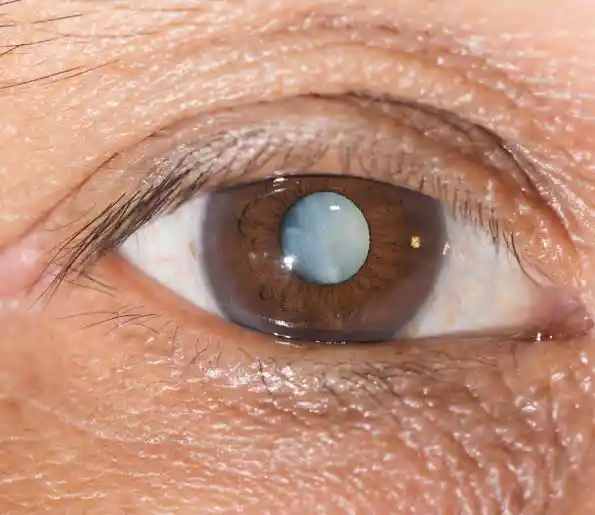
The World Health Organization estimates that at least 2.2 billion people globally have a near or distance vision impairment, with over half of these cases preventable or treatable with early intervention.
Maintaining eye health requires a combination of lifestyle adjustments, screen-time discipline, and regular professional check-ups. Experts recommend integrating science-backed habits into daily routines to reduce the risk of conditions such as myopia, dry eye syndrome, and age-related macular degeneration.
Optometrists and ophthalmologists emphasize that preventive care is more effective than reactive treatment. A 2023 study published in The Lancet Global Health found that adults who adhered to structured eye care routines were 34% less likely to experience significant vision deterioration over five years.
These findings underscore the importance of adopting evidence-based practices early in life to preserve ocular health long-term.
Daily Lifestyle Habits for Stronger Eyes
Incorporating specific dietary and behavioral habits can significantly support eye function. Nutritionists recommend consuming foods rich in vitamin A, omega-3 fatty acids, lutein, and zeaxanthin, which are critical for retinal health and visual acuity. Key sources include:
- Leafy greens such as spinach, kale, and Swiss chard
- Fatty fish like salmon, mackerel, and sardines
- Citrus fruits and berries for vitamin C
- Nuts and seeds including almonds, walnuts, and chia seeds
- Eggs, particularly the yolks, which contain lutein and zeaxanthin
Hydration also plays a vital role. The American Optometric Association notes that chronic dehydration can exacerbate dry eye symptoms, leading to discomfort and potential corneal damage.

Adults are advised to drink at least eight 8-ounce glasses of water daily, adjusting intake based on activity level and climate.
Sleep quality directly impacts eye health. During deep sleep, the eyes receive oxygen and nutrients essential for repair.
The National Sleep Foundation recommends 7–9 hours of quality sleep per night for adults to support overall and ocular health. Poor sleep has been linked to increased intraocular pressure, a risk factor for glaucoma.
Managing Screen Time to Protect Vision
The rise of digital devices has introduced new challenges to eye health. The 20-20-20 rule, endorsed by the American Academy of Ophthalmology, is a widely recommended strategy to reduce digital eye strain.
3 Foods That Can Damage Your Eyes Now
It advises taking a 20-second break every 20 minutes to look at something 20 feet away.
Additional screen-time strategies include:
- Adjusting screen brightness to match ambient lighting to reduce glare
- Using blue light filters or apps that reduce blue light emission, especially in the evening
- Maintaining a proper viewing distance of 20–30 inches from screens
- Blinking consciously to prevent dryness, as screen use reduces blink rate by up to 66%
A 2022 survey by JAMA Ophthalmology found that individuals who followed the 20-20-20 rule reported a 40% reduction in eye fatigue during prolonged screen use. Experts also warn against using screens in dark rooms, as high contrast increases strain on the ciliary muscles.
Scheduling Regular Eye Exams: Frequency and Importance
Routine comprehensive eye exams are essential for detecting early signs of eye disease before symptoms appear. The American Academy of Ophthalmology and American Optometric Association provide age-specific guidelines:
| Age Group | Recommended Exam Frequency | Purpose |
|---|---|---|
| Children (6 months–18 years) | At 6 months, 3 years, before school entry, and annually thereafter | Detect amblyopia, strabismus, refractive errors |
| Adults (18–64 years) | Every 1–2 years | Monitor refractive changes, screen for glaucoma, diabetes-related eye disease |
| Adults (65+ years) | Annually | Screen for age-related macular degeneration, cataracts, diabetic retinopathy |
| High-risk individuals (diabetes, hypertension, family history of glaucoma) | Annually or as advised | Early detection of disease progression |
During an exam, optometrists assess visual acuity, intraocular pressure, retinal health, and optic nerve function. They may also recommend specialized tests such as optical coherence tomography (OCT) for detailed retinal imaging.
Early detection of conditions like glaucoma—which often presents no symptoms until irreversible damage occurs—can prevent permanent vision loss.
Individuals with chronic health conditions such as diabetes or hypertension face higher risks of eye complications. The Centers for Disease Control and Prevention reports that diabetic retinopathy affects nearly one-third of adults with diabetes, making annual eye exams critical for this population.
Recognizing Warning Signs and Taking Action
While preventive care is key, recognizing emergent symptoms can prevent serious complications. Seek immediate medical attention if experiencing:
- Sudden vision loss or blurring
- Flashes of light or floaters (especially if increasing in frequency)
- Severe eye pain or redness
- Double vision
- Persistent dryness or irritation unresponsive to lubricating drops
These symptoms may indicate conditions such as retinal detachment, optic neuritis, or acute glaucoma, all of which require urgent care. Delaying treatment can result in irreversible damage.
Prevent Blindness Naturally: 10 Foods to Protect Your Eyes”
Mental Health Crisis: How to Prevent Depression and Anxiety
For individuals experiencing chronic dry eye, over-the-counter artificial tears can provide relief, but persistent symptoms warrant a visit to an eye care professional. Prescription medications or in-office procedures such as intense pulsed light (IPL) therapy may be necessary for severe cases.
Long-Term Eye Health: A Lifelong Commitment
Eye health is not static—it evolves with age, lifestyle, and environmental factors. Maintaining a consistent eye care routine involves balancing nutrition, screen habits, and professional monitoring. Research from the National Eye Institute suggests that adults who engage in regular physical activity have a 25% lower risk of developing age-related macular degeneration, highlighting the interconnectedness of overall and ocular health.
Quitting smoking is another critical step. The Royal National Institute of Blind People reports that smokers are up to four times more likely to develop cataracts and twice as likely to develop macular degeneration compared to non-smokers. Alcohol consumption should also be moderated, as excessive intake can lead to nutritional deficiencies affecting vision.
Ultimately, protecting vision requires a proactive and informed approach. By integrating evidence-based habits into daily life and prioritizing regular eye exams, individuals can significantly reduce their risk of vision impairment and maintain optimal eye health throughout their lives.