
Naira Drops 0.5% as Reserves Shrink: Official, Parallel Rates for August 7
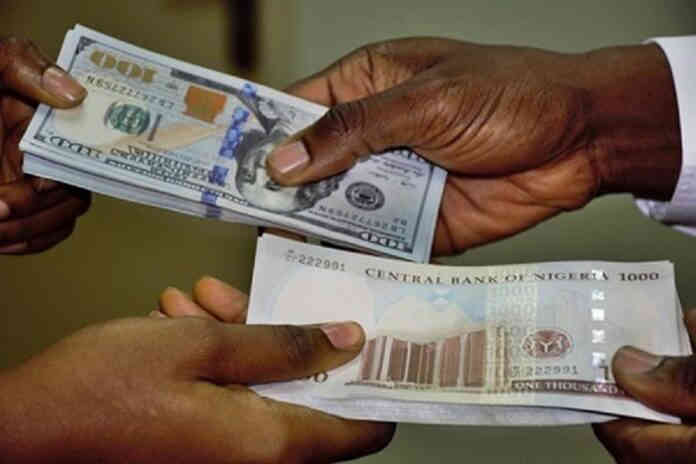
As of Friday, August 7, 2026, the Nigerian naira is trading at approximately N1,520 per US dollar at the official Investors & Exporters (I&E) window, while parallel market rates hover around N1,580 per dollar.
This exchange rate remains a critical indicator of Nigeria’s economic health, shaped by central bank policies, global oil dynamics, and domestic supply-demand imbalances.
The following report provides the latest rates, market analysis, and expert perspectives for businesses, investors, and individuals navigating the currency market.
Official CBN Exchange Rate
At the official Investors & Exporters (I&E) window, the naira opened at N1,520.00 per dollar on August 7, 2026. This represents a marginal depreciation of 0.5% from the previous close of N1,512.50.
The Central Bank of Nigeria (CBN) continues to intervene periodically to stabilize the currency, with foreign exchange reserves estimated at $38.5 billion as of end-July 2026.
Parallel Market Rates
The parallel market, which serves retail users and small businesses, is quoting between N1,570 and N1,590 per dollar, with a median rate of N1,580. This premium of about 60 naira over the official rate underscores persistent liquidity constraints in the official interbank market, according to currency traders in Lagos and Abuja.
Factors Influencing the Exchange Rate
on August 7, 2026 Several key factors are currently shaping the naira’s value against the dollar:
Crude oil prices: Brent crude is trading at $112 per barrel today, providing some support to Nigeria’s export earnings. However, reduced OPEC quotas and underinvestment continue to limit production capacity.
– External reserves: Nigeria’s foreign reserves have declined by 3.2% since March 2026 due to debt service obligations and capital flight, putting pressure on the naira. –
FX demand: Importers of fuel and manufactured goods have ramped up dollar purchases ahead of the Q3 season, widening the supply-demand gap.
Monetary policy: The CBN has signaled a possible rate hike in September to attract foreign portfolio investment, but analysts say concrete actions remain limited.
Implications for Businesses and Individuals
For importers, the parallel market premium affects pricing and margins.
Chief financial officers are encouraged to hedge naira exposures via forward contracts or maintain dollar-denominated accounts.
For individuals seeking to pay tuition or medical bills abroad, the effective rate often exceeds N1,600 when including fees and commissions.
Expatriates and diaspora remitters can benefit from comparing rates across platforms; fintech apps offer rates around N1,550, close to the official rate.
Outlook for the Naira in the Short to Medium Term
Analysts at Lagos-based financial advisory firm Meristem expect the naira to trade within a band of N1,500–N1,600 for the rest of August, barring a dramatic oil price slump or capital controls.
The International Monetary Fund, in its July 2026 Article IV consultation, urged Nigeria to unify the exchange rates and adopt a fully market-determined rate to improve transparency and the investment climate — a recommendation still under review.
How to Get the Best Exchange Rate Today
Compare rates on online platforms like Abokifx or FMDQ. – Verify CBN-approved bureaux de change to avoid counterfeit notes. – Avoid airport kiosks, which typically mark up rates by 3–5%. – For large transactions, negotiate with commercial banks or licensed traders.
The naira’s value against the dollar on August 7, 2026, reflects a fragile equilibrium between official control and market realities. Stakeholders should monitor central bank communications and global commodity trends, and adopt flexible financial strategies in an environment where volatility is expected to persist.