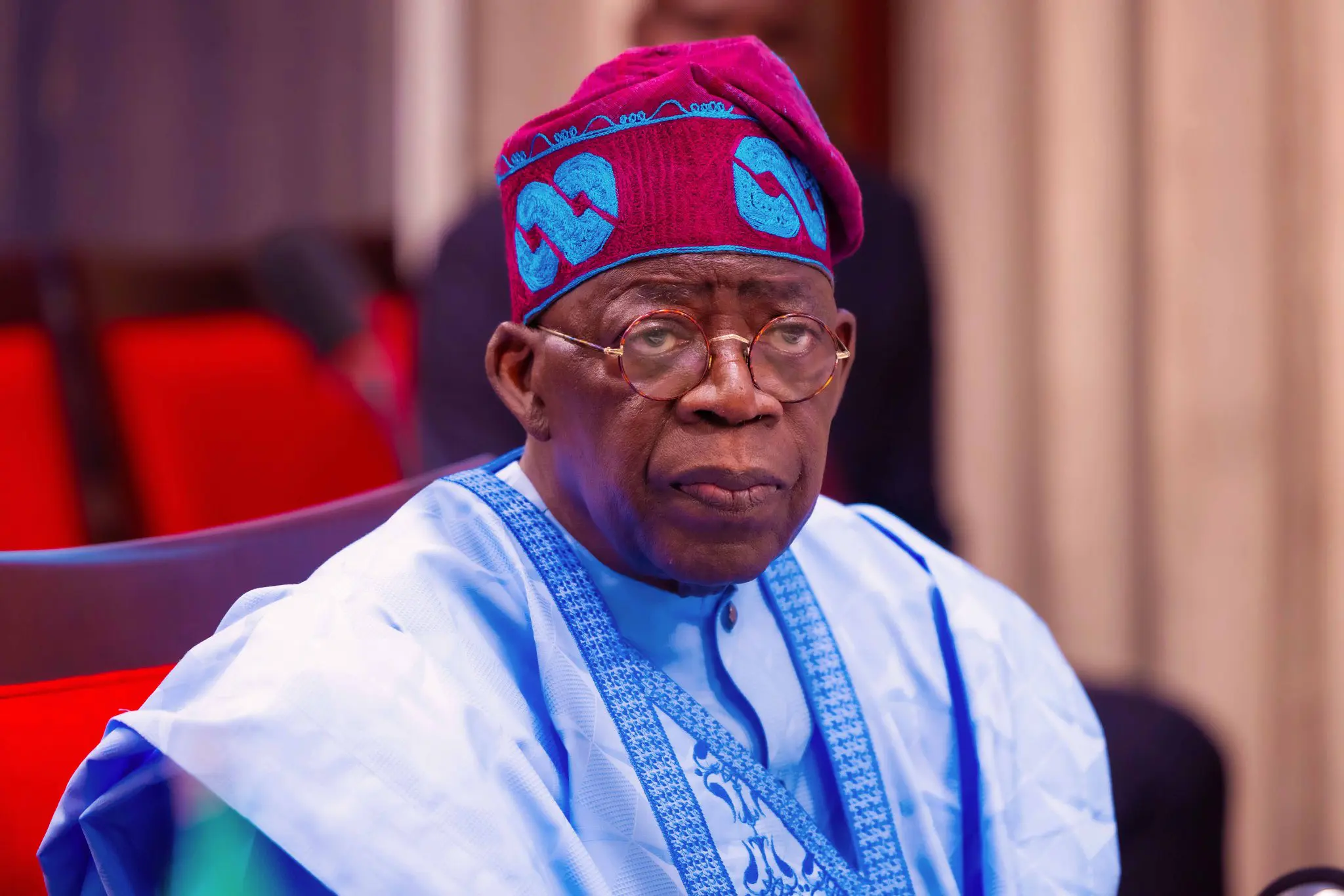

With Constitutional Amendment, I May Still Run for Governor – Akpabio
Senate President Godswill Akpabio has suggested that he could consider returning to the governorship if a constitutional amendment creates an opportunity for him to do so.
Akpabio made the remark during the inauguration of the PBAT Door-To-Door Movement office in Abuja, where he spoke about the financial benefits available to governors compared with what he received while serving as governor of Akwa Ibom State.
According to the Senate President, governors now receive substantially more funds than they did during his time in office, a development he said made the position more attractive.
“Governors are receiving five times of the money that we used to receive. I wish I’m a Governor now, maybe with the constitutional amendment I might still come back,” Akpabio said.
His comments suggest that he has not entirely ruled out the possibility of returning to the state executive office, although he did not provide details of any specific constitutional amendment that could enable such a move.
Akpabio Reflects on Governors’ Financial Benefits
Akpabio’s remarks centred on the difference between the financial resources available to governors in the past and those available to them today.
He compared the resources governors currently receive with what was available during his tenure in Akwa Ibom, arguing that the difference was significant.
However, he did not provide figures to substantiate his comparison or specify the particular allocations and revenue streams to which he was referring.
The financial resources available to state governments can vary depending on federal allocations, internally generated revenue and other sources of funding. Consequently, the exact basis of Akpabio’s fivefold comparison was not immediately clear from the remarks provided.
His statement also raises questions about the constitutional changes he had in mind. He did not explain whether he was referring to changes affecting eligibility, tenure or another provision governing political office.
Akpabio Previously Governed Akwa Ibom State
Akpabio served as governor of Akwa Ibom State from 2007 to 2015 before moving to the National Assembly.
He subsequently became a senator representing Akwa Ibom North-West and later emerged as president of the Nigerian Senate.
His political career has therefore included leadership at both state and federal levels, with his current position placing him at the head of the Senate.
Although his latest comments were made in a light-hearted comparison of the benefits attached to the governorship, his reference to a possible constitutional amendment has drawn attention to the prospect of a return to state-level politics.
He did not announce a formal plan to contest any governorship election.
Political Commentator Questions Akpabio’s Senate Leadership
In a separate development, political commentator Jake Epelle has criticised Akpabio’s continued leadership of the Senate, arguing that public offices must be governed by democratic principles and established procedures.
Speaking during an interview on Channels Television, Epelle questioned the conduct of Akpabio and his supporters in relation to leadership positions in the National Assembly.
He maintained that the position of Senate President should not be treated as a permanent entitlement or something that can be retained solely through personal relationships and political influence.
According to Epelle, leadership positions in a democratic institution must be determined by the applicable rules and procedures rather than the preferences of individuals or their political associates.
He also rejected the notion that the Senate presidency could be treated as a family inheritance, stressing the importance of institutional rules in determining who occupies the office.
Constitutional Rules Remain Central to Political Office
Akpabio’s comments about a possible return to the governorship and Epelle’s separate criticism of his Senate leadership touch on different aspects of political office and constitutional governance.
Under Nigeria’s constitutional framework, eligibility for elective office and the duration of a governor’s tenure are governed by specific provisions. Any proposal to change those provisions would have to follow the constitutionally prescribed amendment process.
Similarly, the Senate presidency is an elected leadership position within the National Assembly, with its selection and removal governed by constitutional provisions and the Senate’s applicable rules.
Neither Akpabio’s remarks nor Epelle’s criticism, as presented, establishes that a constitutional change is imminent or that a change in Senate leadership is underway.
For now, Akpabio has expressed a conditional interest in the possibility of returning to the governorship, while Epelle has called for strict adherence to democratic procedures in determining legislative leadership.
The key question is whether any concrete constitutional proposal will emerge from Akpabio’s remark and how the debate over political leadership will develop within Nigeria’s democratic institutions.
Ejes Gist News stands for truth, responsible journalism, editorial integrity and fearless accountability.
You May Also Like

Trending Now