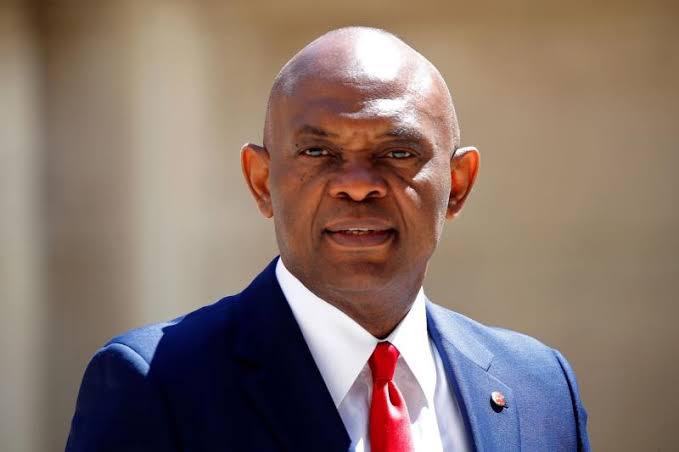
Tony Elumelu’s Correction of Trainee Sparks Nationwide Debate on Workplace Titles
A viral video from Thursday’s graduation ceremony of the United Bank for Africa’s (UBA) Graduate Management Accelerated Programme has sparked a nationwide conversation about workplace hierarchy, respect, and the delicate balance between formal and informal professional cultures in Nigeria.
The incident occurred during a public interactive session when a young executive trainee addressed Tony Elumelu, Group Chairman of UBA and one of Africa’s most influential business leaders, simply as “Tony.”
Elumelu, visibly taken aback by the informality, responded firmly:
“Okay. No, you won’t call me Tony. You’ll call me Mr Elumelu or TOE. You won’t call me Tony, or Chairman. I don’t subscribe to that kind of… Oyinbo life, okay?”
The trainee, visibly flustered, immediately corrected herself, addressing him as “Mr Elumelu” for the remainder of her question. Though brief, the exchange has since become a lightning rod for debate across social media platforms, corporate corridors, and public discourse. Nigerians are sharply divided over the appropriateness of workplace first-name culture, with opinions sharply split along generational, cultural, and professional lines.
Viral Video Captures a Moment of Instruction and Controversy
The video, widely shared on X (formerly Twitter) and other social media platforms, captured a moment that many described as both instructional and jarring. Elumelu’s insistence on formal titles—“Mr Elumelu or TOE”—was interpreted by some as a necessary reinforcement of corporate decorum, while others viewed it as a public reprimand that risked humiliating a junior employee.
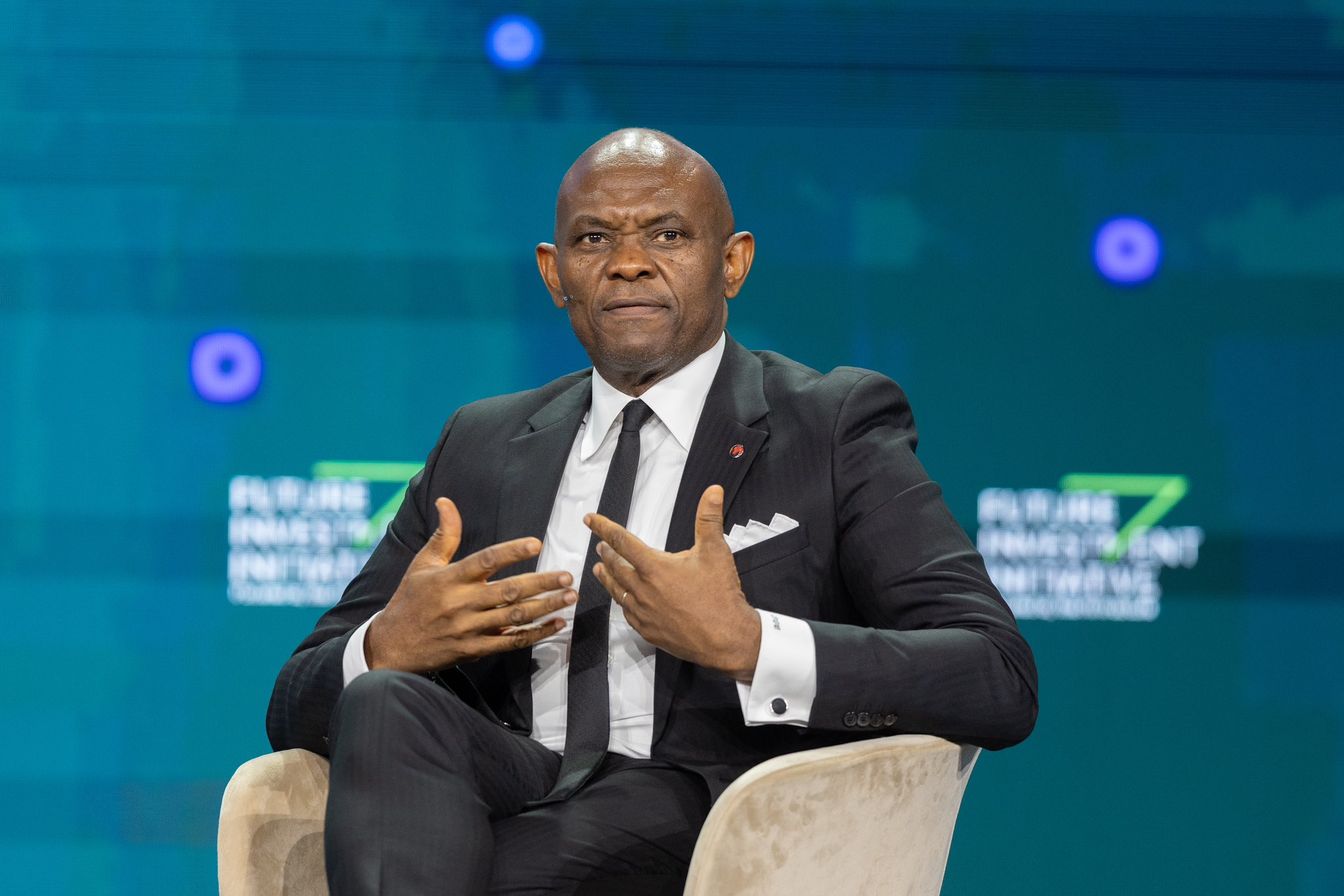
The trainee’s greeting—“Good morning, Tony”—elicited Elumelu’s immediate correction, followed by a clarification of his preferred modes of address. His reference to “Oyinbo life”—a Nigerian Pidgin phrase often used to describe Westernized or overly casual behavior—further fueled the debate. Critics argued that such language could be exclusionary or tone-deaf in a multicultural workplace, while supporters praised his commitment to maintaining professional boundaries.
Nigerians Weigh In: Respect, Hierarchy, and a Generational Clash
The online reaction has been swift and polarizing, with opinions falling along generational, cultural, and professional lines. The debate has exposed deep-seated differences in workplace expectations, with some defending the importance of hierarchy and others condemning what they see as an unnecessary public reprimand.
Defenders of Formality: Hierarchy Matters
Many Nigerians supported Elumelu’s stance, emphasizing the importance of respect for seniority and authority in Nigerian workplaces. Among the most vocal supporters were:
- Maryanne Moghalu (@MaryanneMoghalu) argued that workplace first-name culture “usually depends on permission.” She stated,
“Even abroad, you address people, especially your superiors in the workplace, formally until they give you the permission to use the first name.”
- Dr. Dípò Awójídé (@OgbeniDipo) added,
“I wouldn’t call Tony Elumelu by his name if I met him. I will add Mr. I would also bow, because of his age.”
He stressed that corporate training should include lessons on organizational culture and hierarchy.
- Ajokeee (@Aheesha_x) pointed out the inappropriateness of the greeting in a formal setting:
“You’re standing in front of the Chairman of UBA, at a formal event, and your opening is ‘Good morning, Tony.’ This is not your mate, this is not your coursemate, this is not even your boss that you’ve worked closely with for years.”
Critics: Public Correction Was Unnecessary and Humiliating
Others condemned Elumelu’s public rebuke, calling it excessive and potentially damaging to workplace morale. Among the most prominent critics were:
- Jide Akintunde (@JSAkintunde) expressed surprise, noting that Elumelu has long been publicly known as “Tony” in both business and media circles. He wrote,
“I am surprised that Tony Elumelu objects to being addressed publicly by his first name. For years, his first name was central to his public and industry branding.”
- He argued that the correction could have been handled privately:
“It likely took immense courage for a trainee to speak up in front of him, and a public correction from such a towering personality can be deeply humiliating.”
- Tosin.X (@Dontee___) took aim at HR policies, tweeting:
“Good morning Nigerian HR’s. Today is a good day to bin the first name Policy. You all should stop putting your employee through unnecessary mental stress!”
The Generational Divide: First Names, Respect, and Identity
The debate has also exposed a generational rift in workplace expectations. Some shared personal experiences that highlighted the inconsistency in how titles are used:
- Olawole (@Olawoleaa) recalled a time at Stanbic IBTC when a senior staff member preferred being addressed by her first name and fined employees who used formal titles:
“If you address Bolanle other than her 1st name, she will collect N1k from you.”
- Romi (@Romi_Edevbe) questioned the inconsistency:
“But we can call gatemen and cleaners three times our age by their first name even in the office… But just because… Make una nor put me for talk abeg.”
- Olúyẹmí Fásípè (@YemieFash) cautioned against using Gen Z identity as an excuse for disrespect, writing:
“Being Gen Z doesn’t automatically make you foolish or disrespectful. What makes you foolish is consciously choosing to behave badly just because you want to ‘act Gen Z’ or sound a certain way.”
A Broader Conversation: Workplace Culture in Nigeria
The incident has evolved from a single viral moment into a broader discussion about workplace norms, respect, and cultural identity in Nigeria. Several public figures have weighed in, drawing parallels to historical and cultural precedents:
- Temitope Ajayi (@TheTope_Ajayi), Senior Special Assistant to President Bola Tinubu on Media and Publicity, drew a parallel with Maya Angelou, who famously corrected a student for addressing her by her first name during a lecture. He wrote,
“I still remember that old Maya Angelou video where she firmly rebuked a young lady who addressed her by first name during class session.”
- Tosin Olaluwoye (@tosin_olaluwoye) urged Nigerians not to abandon their cultural values in the name of globalization:
“Nigerians are the only people I know who think everything about their culture is wrong. You can adopt aspects of Western culture while maintaining your own values. Respect is a big element of Nigerian culture.”
HR Experts Weigh In: Best Practices for Workplace Communication
While the debate rages online, human resources professionals have offered insights into best practices for workplace communication. A senior HR consultant with a top Nigerian bank, who requested anonymity, told Ejes Gist News that most Nigerian corporations operate a hybrid model—formal titles for senior management and first names for peers or juniors in close-knit teams.
The consultant emphasized:
“The key is consistency and clarity. If a CEO insists on formal titles, it should be communicated in onboarding and reinforced in training. But public corrections can backfire—it’s better to address it privately.”
She added that cultural sensitivity training is increasingly being integrated into corporate programs, especially in multinational firms, to ensure that employees navigate these nuances effectively.
Tony Elumelu’s Public Persona: A Man of Contradictions?
Elumelu, 60, has long been known for his accessible leadership style—often referred to simply as “Tony” in media profiles, interviews, and even by global leaders. His Tony Elumelu Foundation (TEF) is celebrated for its entrepreneurship empowerment programs, and he is widely regarded as a champion of African capitalism. Yet, his insistence on formal titles in this instance has led some to question whether his public persona aligns with his private expectations.
Among the observations shared by the public were:
- Hamma (@HAHayatu) recalled that Elumelu “has previously been known simply as Tony in professional circles” and suggested that the current stance may stem from age and generational differences within the workforce.
- Others argue that leadership tone sets the culture—and if Elumelu, a billionaire philanthropist, publicly enforces hierarchy, it sends a message to thousands of UBA staff and entrepreneurs across Africa.
Key Takeaways for Nigerian Workplaces
As the debate continues, several key takeaways are emerging for Nigerian businesses seeking to navigate the complexities of workplace communication:
- Clarity in Communication: Companies should clearly define their preferred modes of address in employee handbooks and onboarding materials to avoid ambiguity.
- Private Corrections: Public reprimands, especially of junior staff, can be humiliating and counterproductive. Addressing such issues privately fosters a more inclusive and respectful workplace.
- Cultural Sensitivity: Workplace policies should balance global best practices with local cultural values to ensure that all employees feel respected and valued.
- Leadership by Example: If leaders insist on formal titles, they must consistently model that behavior in all settings to reinforce the desired culture.
A Moment of Reflection for Nigeria’s Corporate Landscape
The viral exchange between Tony Elumelu and the UBA trainee has become more than a social media spectacle—it has become a mirror reflecting Nigeria’s evolving workplace culture. While some see it as a necessary stand for respect and hierarchy, others view it as a generational misstep that risks alienating younger workers.
One thing is clear: Nigeria’s corporate landscape is at a crossroads. As businesses expand globally and a new generation enters the workforce, the rules of engagement are being rewritten—sometimes publicly, sometimes painfully. The incident serves as a reminder that workplace culture is not static; it evolves with societal changes, technological advancements, and generational shifts.
As Tony Elumelu’s words—“Call me Mr Elumelu or TOE”—continue to resonate, they underscore the importance of finding a balance between maintaining professional decorum and fostering an inclusive, respectful environment. Whether this balance is achieved through formal titles, cultural sensitivity, or a hybrid approach remains a subject of ongoing debate.
Ejes Gist News will continue to monitor this developing story and provide updates on workplace culture trends in Nigeria.
Ejes Gist News stands for truth, responsible journalism, editorial integrity and fearless accountability.
You May Also Like
Trending Now