Obi, Kwankwaso Set to Dump ADC? What We Know About Their Next Move
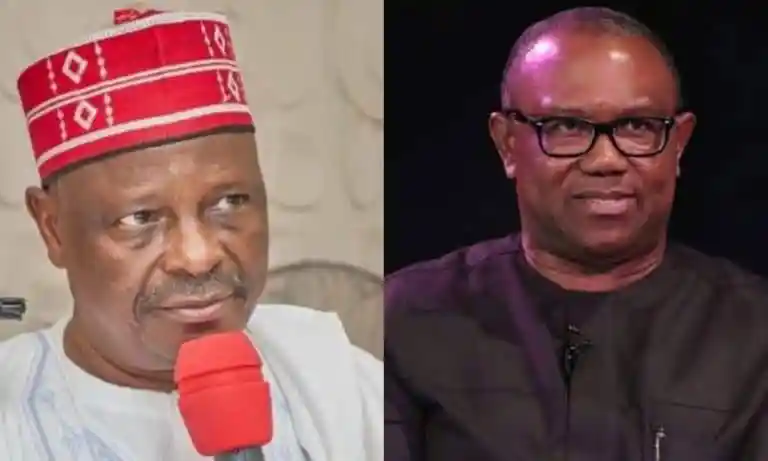
Uncertainty has deepened within Nigeria’s opposition landscape following mounting speculation that Peter Obi and Rabiu Musa Kwankwaso may be preparing to exit the African Democratic Congress (ADC).
The development comes amid their continued absence from key party engagements and high-level opposition activities, raising questions about internal cohesion ahead of future electoral contests. Ejes Gist News reports that both figures have not publicly addressed the rumours, leaving room for competing interpretations among party stakeholders and political observers.
Absence from Strategic Meetings Raises Questions
Attention first shifted to the duo after they failed to attend or comment on a major opposition summit held in Ibadan on April 25. The meeting, which drew several influential opposition figures, was widely seen as a strategic effort to consolidate alliances ahead of future elections.
Their absence has since been interpreted by some analysts as a sign of disengagement from the ADC’s evolving structure, particularly at a time when the party is attempting to reposition itself as a viable national platform.
Further concerns emerged following the Supreme Court judgment delivered on April 30, which affirmed David Mark as the recognised leader of the party. While other stakeholders reacted publicly to the ruling, Obi and Kwankwaso maintained silence, adding to speculation about possible internal disagreements.
Tensions Over Presidential Ambitions
Multiple sources within the opposition space suggest that the uncertainty may be linked to emerging power dynamics within the ADC. Reports indicate that Atiku Abubakar is intensifying efforts to secure the party’s presidential ticket.
The prospect of a three-way contest involving Obi, Kwankwaso, and Atiku has been cited as a potential source of friction. Political analysts note that such a scenario could lead to a highly competitive and possibly divisive primary process.
- Obi, a former governor of Anambra State, retains significant grassroots support across southern Nigeria.
- Kwankwaso, a former Kano State governor, commands a strong political base in the north through the Kwankwasiyya movement.
- Atiku, a former vice president, brings longstanding national political influence and party structures.
The convergence of these interests within a single platform has heightened concerns over internal stability.
Supporters Dismiss Exit Claims
Despite the speculation, loyalists of both leaders have rejected claims of an imminent defection. They maintain that Obi and Kwankwaso remain committed to broader opposition cooperation rather than narrow party interests.
Some aides have suggested that ongoing consultations may explain their limited public engagement, rather than any intention to abandon the ADC.
Focus Shifts to ‘OK Movement’ Summit
Political attention is now turning to the proposed “OK Movement” unity summit expected to take place in Abuja. The initiative is designed to bring together supporters and stakeholders aligned with both Obi and Kwankwaso.
Observers indicate that the summit could serve as a critical indicator of their political direction, particularly in clarifying whether they intend to remain within the ADC framework or pursue alternative alliances.
No Official Confirmation Yet
As of the time of filing this report:
- Neither Obi nor Kwankwaso has issued an official statement confirming plans to leave the ADC.
- The ADC leadership has not released any formal position addressing the rumours.
- Party insiders continue to offer conflicting accounts of internal developments.
The absence of definitive communication from all parties involved has sustained uncertainty, with analysts closely monitoring upcoming political engagements for clearer signals.
You May Also Like

Trending Now