How To Get A Migraine To Go Away – The Best Tricks
These practical strategies can help you send a migraine packing. In the guide below, Ejes Gist News sets out ways to make a migraine go away.
What a migraine actually is
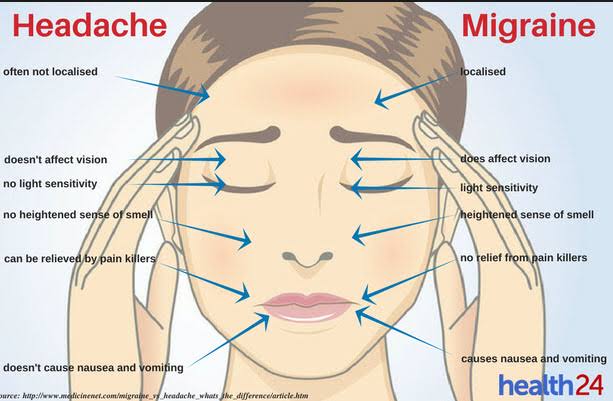
Migraine is a common neurological disorder, and it affects millions of people around the world. Attacks bring intense head pain that can persist for hours or even days, and they often arrive with nausea, vomiting and a heightened sensitivity to light and sound. The condition can be incapacitating and can upend everyday routines, so it is little wonder that sufferers look for ways to stop an attack once it starts. Prescription drugs are available for treating migraine, yet some people would rather turn to natural options to ease their symptoms. Below are some of the remedies people try.
Natural options for easing a migraine
Ginger ranks among the most effective natural remedies. Its anti-inflammatory action can lessen the inflammation behind migraine attacks, and the root holds compounds capable of blocking the production of prostaglandins — the chemicals responsible for pain and swelling in the body. Chewing a piece of fresh root, brewing ginger tea or taking capsule supplements are all ways to use it.
Magnesium is another option. The mineral is needed for numerous functions in the body, among them the regulation of nerves and muscles. People who suffer from migraine frequently register low magnesium levels, and studies indicate that supplementing can cut how often attacks occur and how severe they are. Spinach, almonds and avocados are foods that can raise magnesium intake.
More health reads:
Feverfew, a plant native to Europe, has been used for centuries against headaches and other complaints and has been shown to be effective in treating migraine. Its compounds help lower inflammation and can stop blood vessels in the brain from constricting, a process that may set off an attack. It can be taken as a capsule supplement or brewed as a tea.
Essential oils are a popular choice as well. Peppermint oil in particular has been shown to ease migraine symptoms, thanks to menthol, which produces a cooling sensation that helps relieve pain and inflammation. Inhaling it straight from the bottle or dabbing it on the temples and forehead are both common methods.
Also worth reading: Top 7 Foods To Boost Your Brain Power
Relaxation practices, yoga and meditation among them, can also lessen symptoms. Stress is a frequent trigger for attacks, so keeping stress in check through such practices may head off a migraine. They additionally support blood flow and loosen muscle tension, which helps ease the pain and discomfort an attack brings.
To sum up, plenty of natural remedies exist for getting a migraine to go away, and ginger, magnesium, feverfew, essential oils and relaxation techniques can all reduce symptoms. It is worth remembering, though, that natural remedies may not work for everyone, and a healthcare professional should always be consulted before a new treatment is tried. Combining the right natural remedies with medical treatment can bring relief from the pain and discomfort of migraine and improve overall quality of life.
Lifestyle adjustments that may keep migraines away
Migraine, a common neurological disorder affecting millions of people worldwide, brings severe headaches that can last hours or even days, along with symptoms such as nausea, vomiting and sensitivity to light and sound. The condition can be debilitating and can significantly affect a person’s quality of life. Several lifestyle changes, however, can help ease symptoms and may even stop attacks from happening in the first place.
Working out what sets off an attack — and steering clear of it — is one of the most effective ways to get a migraine to go away. Triggers are the factors that bring on an attack, among them particular foods, stress, insufficient sleep and hormonal changes. A migraine diary can help a sufferer identify those triggers and avoid them. Keeping to a regular sleep schedule, eating a healthy diet and managing stress levels matter too.
Regular exercise is another lifestyle change that can help. Physical activity releases endorphins, the body’s natural painkillers, which can ease migraine symptoms. It is essential to begin slowly and build up the intensity and duration gradually so that exercise does not itself trigger an attack. Staying hydrated while exercising also matters, since dehydration can bring on a migraine.
Relaxation techniques such as meditation, deep breathing and yoga can likewise alleviate symptoms. They help lower stress and encourage relaxation, which may prevent attacks, and they need to be practised regularly for their benefits to be fully felt.
Acupuncture is a further alternative therapy that can help. It involves inserting thin needles at specific points on the body to stimulate its natural healing processes, and studies have shown that it can reduce how often migraines occur and how severe they are.
Beyond lifestyle changes, several over-the-counter and prescription medicines can ease migraine symptoms. Pain relievers sold over the counter, including ibuprofen, aspirin and acetaminophen, can help with mild to moderate attacks, while prescription drugs such as triptans and ergotamines can help with more severe ones. A healthcare provider should be consulted before any medication is taken, to ensure it is safe and effective.
In short, migraine can be debilitating and can significantly affect quality of life, but several lifestyle changes can ease symptoms and may even prevent attacks. Identifying and avoiding triggers, exercising regularly, using relaxation techniques, trying acupuncture and taking medication are all effective ways to get a migraine to go away. A healthcare provider should be consulted before any significant lifestyle change is made or any medication taken, to ensure it is safe and effective. With the right approach, it is possible to manage migraine and improve overall quality of life.
Ejes Gist News stands for truth, responsible journalism, editorial integrity and fearless accountability.
You May Also Like



Trending Now