
Dollar to Naira Exchange Rate Today — April 13, 2026
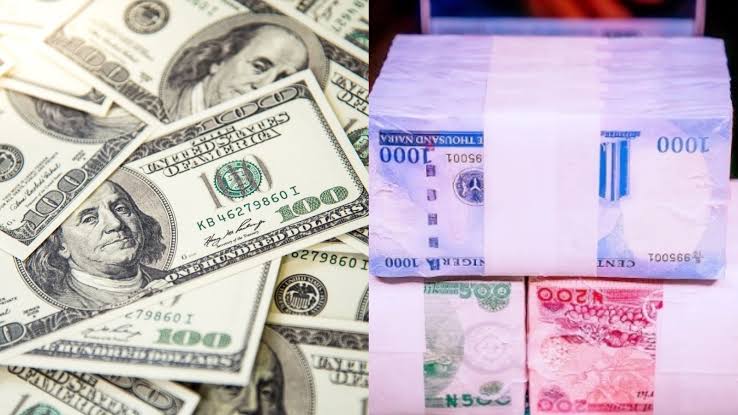
Dollar To Naira Exchange Rate Today.
The dollar to naira exchange rate on April 13, 2026, remains under close scrutiny as Nigeria’s foreign exchange market continues to experience volatility driven by supply constraints and sustained demand for the United States dollar.
At the official market, the naira traded at approximately ₦1,363 per dollar, according to data from the Nigerian Autonomous Foreign Exchange Market (NAFEM), the country’s primary official FX trading window.
Ejes Gist News reports that the current rate reflects ongoing pressure on the local currency despite recent policy adjustments by the Central Bank of Nigeria (CBN) aimed at improving liquidity and transparency in the foreign exchange market.
Official Exchange Rate at NAFEM
Figures from the official window indicate that the naira’s performance continues to be shaped by institutional transactions and regulated trading activities.
Key highlights include:
- Official rate: ₦1,363 per $1
- Market structure: Driven by banks, exporters, and authorized dealers
- Price movement: Subject to intra-day fluctuations based on FX supply and demand
The CBN has maintained its stance on a unified exchange rate system, with the NAFEM window serving as the benchmark for official transactions.
Parallel Market Rates
In the parallel market, commonly referred to as the black market, the dollar exchanged at a significantly higher rate than the official window.
Market checks show:
- Parallel market rate: Above ₦1,400 per $1
- Operators: Bureau de change agents and informal traders
- Price variation: Dependent on transaction volume and location
The disparity between official and parallel market rates continues to highlight structural inefficiencies and unmet demand within the formal FX system.
Drivers of Exchange Rate Pressure
Economic analysts and financial institutions attribute the sustained weakness of the naira to several underlying factors:
- Limited foreign exchange inflows, particularly from oil exports
- High import dependency, increasing demand for dollars
- Speculative activities in the informal market
- Global dollar strength, affecting emerging market currencies
- Monetary policy adjustments and market confidence levels
These factors collectively contribute to persistent volatility in the exchange rate.
Economic Implications for Nigeria
The current exchange rate environment carries broad implications for businesses, households, and the wider economy.
Key impacts include:
- Rising cost of imported goods, including food and industrial inputs
- Inflationary pressure across key sectors
- Increased operational costs for manufacturers and SMEs
- Higher naira value of diaspora remittances
Import-dependent sectors remain particularly exposed to exchange rate fluctuations, with cost pressures often passed on to consumers.
Policy Outlook and Market Expectations
Financial analysts indicate that exchange rate stability will depend on a combination of fiscal and monetary measures.
Critical factors to monitor include:
Improvement in foreign exchange supply, especially from non-oil exports,
Sustained policy consistency by the CBN,
Efforts to boost local production and reduce import reliance and
Investor confidence and capital inflows.
The dollar to naira exchange rate remains a central indicator of Nigeria’s macroeconomic stability, with policymakers under continued pressure to implement reforms that enhance FX liquidity and narrow the gap between official and parallel market rates.