‘You Are Delusional’ — Atiku Rubbishes Tinubu Over Claim Opposition Created Hunger, Poverty In Nigeria
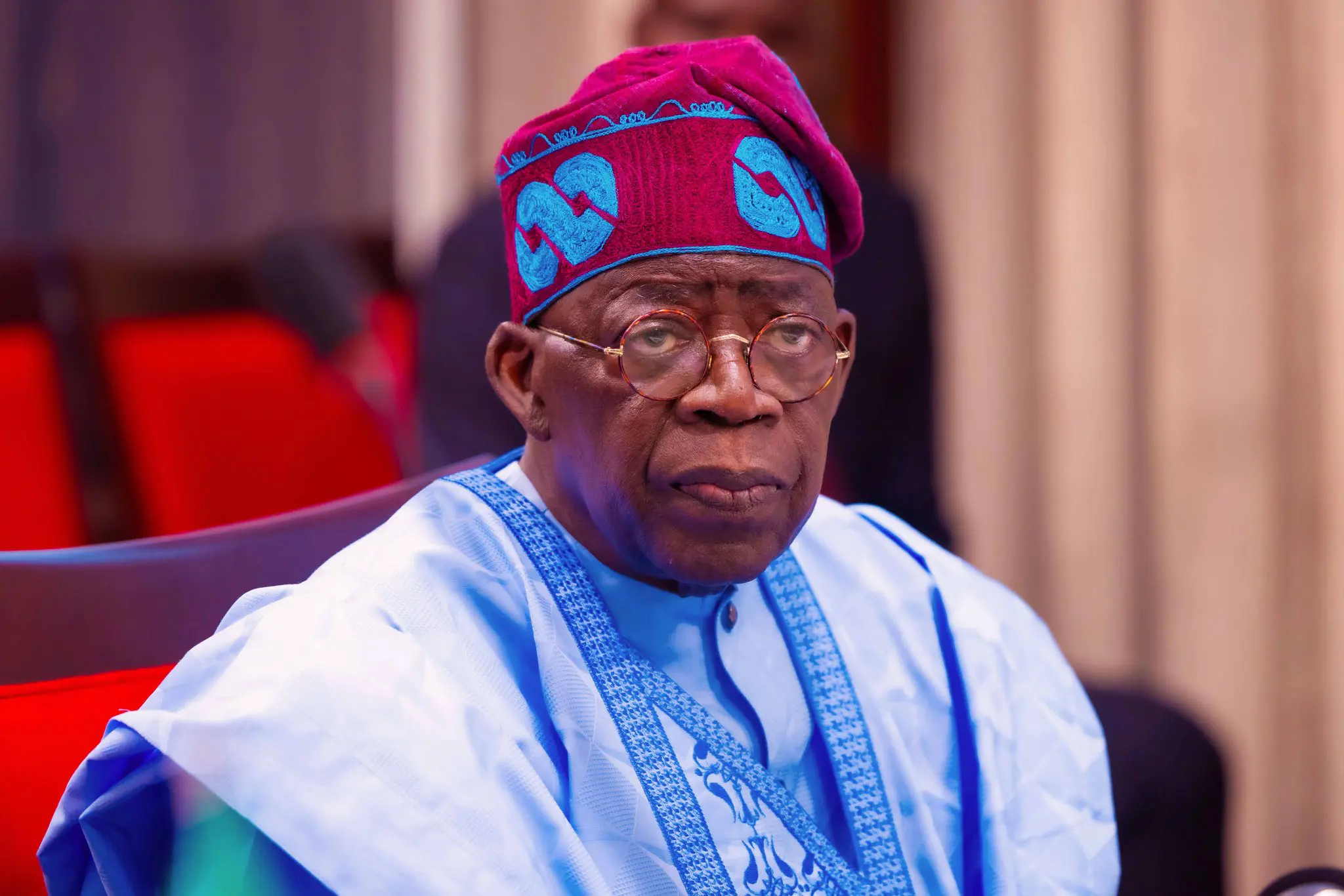
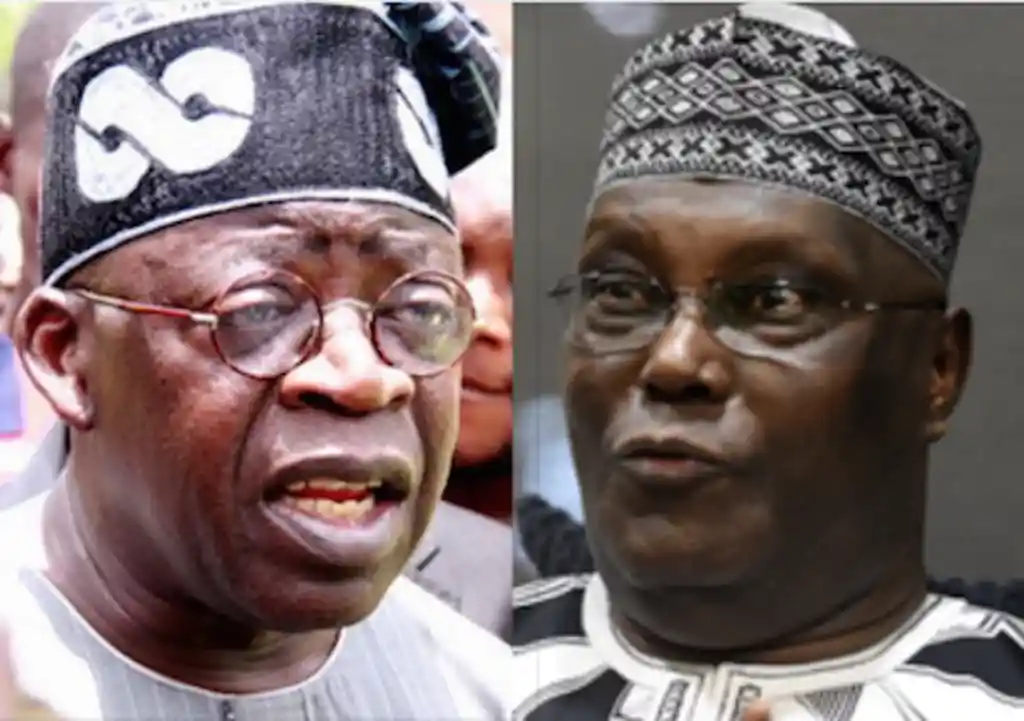
Former Vice President Atiku Abubakar has criticised President Bola Tinubu over his claim that opposition politicians created hunger and poverty in Nigeria, accusing the president of shifting responsibility for the country’s economic hardship.
Atiku, the African Democratic Congress (ADC) presidential candidate, described Tinubu’s remarks as a “delusional” attempt to avoid accountability for the economic difficulties Nigerians are experiencing under his administration.
He argued that the president should take responsibility for his government’s policies rather than blame opposition figures for the rising cost of living and other economic challenges.
Atiku’s reaction was contained in a statement issued on Saturday, October 24, 2026, by Phrank Shaibu, Director of Strategic Communication of the ADC Presidential Campaign Council.
In the statement, Atiku said Nigerians were aware of the All Progressives Congress (APC)’s years in power and should not be expected to accept claims that the opposition was responsible for the hardship.
“Mr President, blaming the opposition for hunger is either delusion or a staggering case of political amnesia,” Atiku said.
He noted that the APC had governed Nigeria for eight years before Tinubu assumed office, arguing that the ruling party should account for its record rather than blame political opponents for the country’s economic difficulties.
Atiku Questions Tinubu’s Economic Record
The former vice president challenged Tinubu to explain the impact of his administration’s economic policies, particularly the removal of the petrol subsidy and the depreciation of the naira.
He asked which administration removed the petrol subsidy and presided over the naira’s reported movement from about ₦471 to ₦1,329 against the dollar.
Atiku also cited poverty projections attributed to the World Bank, claiming that the institution estimated that 63 per cent of Nigerians would be living below the national poverty line in 2026.
He used the figures to argue that the government should address concerns about living costs, household incomes and the broader economic situation instead of blaming the opposition.
However, the poverty projection and exchange-rate figures cited in the statement would require independent verification to establish their precise basis and reference periods.
Questions Abuja-Kaduna Expressway Commissioning
Atiku also criticised the reported commissioning of the Abuja-Kaduna Expressway before the project was completed.
He argued that commissioning a road does not amount to completing the project and accused the president of being disconnected from the everyday experiences of Nigerians.
“A road cannot be completed with a speech or a ribbon cutting ceremony,” he said.
The ADC presidential candidate presented the road project as an example of what he described as a gap between the government’s public presentation of its achievements and the conditions citizens encounter.
Raises Questions Over Government Spending
Beyond economic hardship, Atiku raised questions about several government expenditure figures and financial transactions, calling for greater transparency and accountability.
He referred to ₦7.13 trillion reportedly recorded under “energy security” in 2024 and questioned spending of ₦11.2 trillion associated with Nigerian National Petroleum Company Limited (NNPC) pipeline-related activities.
He asked the government to explain how the funds were spent, who received the money and what was achieved through the expenditure.
Atiku also questioned what he described as a $12.4 billion gap in Nigeria’s external accounts for the first half of 2026. Additionally, he cited a $22.5 million payment listed as “other charges” on an Abu Dhabi financing facility.
The statement did not provide supporting documents detailing the calculations or circumstances behind the figures. The allegations and questions therefore require examination against official financial records and relevant audit reports.
Atiku Links Insecurity to Government Accountability
The opposition figure further criticised the Tinubu administration over persistent insecurity, including killings, kidnappings and the displacement of residents in affected communities.
He argued that Nigerians were looking to the government for answers on security and economic conditions rather than political exchanges over who was responsible for the country’s problems.
Atiku maintained that the administration should be judged by its policies and their effects on citizens, particularly households struggling with the cost of food, transportation and other essential needs.
“You cannot govern for three years, make life harder, and then blame others for describing the hardship,” he said.
He added that Nigerians wanted to know what the government had done to address hunger and poverty rather than hear explanations placing responsibility on political opponents.
2027 Election Will Test Tinubu’s Record, Atiku Says
Atiku also turned his criticism towards the 2027 presidential election, describing the forthcoming contest as an opportunity for Nigerians to assess Tinubu’s performance in office.
According to him, voters would judge the administration based on their experiences in homes, markets and communities.
“The 2027 presidential election will be a referendum on your record,” he said.
The ADC candidate also claimed that Nigerians had rejected Tinubu’s administration, presenting the statement as part of the opposition’s broader criticism of the president’s economic management.
His remarks come amid growing political debate over the government’s handling of inflation, the exchange rate, poverty and insecurity ahead of the next general election.
Tinubu’s claim that opposition politicians were responsible for creating hunger and poverty, as reported in the material prompting Atiku’s response, has become the immediate point of disagreement between the two political figures.
The exchange underscores how economic conditions are likely to remain a major issue in political discussions ahead of the 2027 election, with the administration’s record and the opposition’s proposed alternatives facing scrutiny from voters.
Background
Nigeria’s economic debate has centred on the consequences of major policy changes, including petrol subsidy removal and foreign-exchange reforms, alongside government efforts to stabilise the economy and improve living conditions. Supporters of the reforms have argued that they are intended to address longstanding structural problems, while critics have highlighted the immediate pressure on household budgets and businesses.
The central question for voters will be how the government’s policies affect their livelihoods and what credible alternatives political parties offer as the country approaches the 2027 general election.
Ejes Gist News stands for truth, responsible journalism, editorial integrity and fearless accountability.
You May Also Like


Trending Now