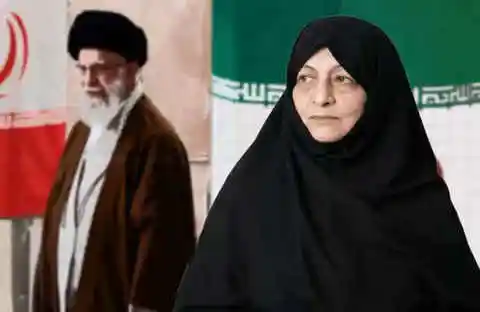
BREAKING: Wife of Slain Iranian Leader Khamenei Dies from Injuries Sustained in US Airstrike
Mansoureh Khojasteh Bagherzadeh Succumbs to Wounds Two Days After Husband’s Death in Precision Strike on Tehran Compound
The wife of Iran’s slain Supreme Leader, Ayatollah Ali Khamenei, has died from injuries sustained in the US airstrike that killed her husband earlier this week, Iranian state media confirmed Tuesday.
Mansoureh Khojasteh Bagherzadeh, believed to be 79 years old, initially survived the missile strike that destroyed the Supreme Leader’s residential compound in Tehran but succumbed to her injuries two days later, according to a report by Al Jazeera.
Her death brings the total number of Khamenei’s immediate family members killed in the attack to at least five, including:
-
One daughter
-
One grandchild
-
One daughter-in-law
-
One son-in-law
A Devastating Blow to Iran’s First Family
The unprecedented precision strike on Khamenei’s heavily guarded compound has sent shockwaves across the Middle East and marks one of the most dramatic escalations in tensions between Washington and Tehran in decades.
Iranian state television confirmed that the compound was hit in what it described as a “precision military operation,” resulting in catastrophic damage and multiple fatalities among family members believed to be present at the time.
Medical teams reportedly worked around the clock to stabilize Bagherzadeh in the aftermath of the attack, but her injuries proved too severe.
Her death adds another layer of tragedy to an already historic and destabilizing event that has plunged Iran into mourning and raised urgent questions about the country’s political future.
A Life Away from the Spotlight
Born into a religious family, Mansoureh Khojasteh Bagherzadeh married Ali Khamenei in 1965—years before he rose to prominence during the revolutionary movement that would ultimately overthrow the Shah of Iran in 1979.
The couple had four sons and two daughters over the course of their 61-year marriage.
Despite her husband’s ascent to the pinnacle of political and religious authority in the Islamic Republic, Bagherzadeh consistently avoided public life. Unlike spouses of political leaders in many other countries, she did not assume ceremonial roles, spearhead public initiatives, or maintain a visible presence at official events.
Her absence from the public eye was widely interpreted as a deliberate choice in line with her personal convictions and the political culture surrounding Iran’s clerical leadership.
Rare Glimpse into Private Life
In one of her few recorded interviews, granted to Iranian state media in 2011, Bagherzadeh offered rare insight into her role during the tumultuous years of revolution and repression.
Reflecting on her husband’s struggle against the Shah, she downplayed her own involvement:
“I think my biggest role was to preserve a calm atmosphere in our home so that he could do his work in peace.”
She described visiting him in prison during periods of detention under the Shah’s regime, carefully shielding him from family hardships:
“I would sometimes visit him in prison without telling him about our problems. In response to his questions about us, I would only give him good news.”
Although she acknowledged participating in distributing pamphlets, carrying messages, and hiding sensitive documents during the revolutionary struggle, she dismissed those efforts as insignificant.
On Family Life and Leadership
In the same interview, Bagherzadeh was asked whether her husband contributed to household responsibilities. Her response reflected both realism and admiration:
“He neither currently has time [to help] nor do I expect him to do so.”
However, she noted one quality she considered exemplary:
“One admirable trait he has which could be as an example for others is that even though he often comes home tired from work, he does his best to keep work-related problems away from home.”
The remarks offered a rare glimpse into the domestic dynamics of a household that existed at the center of Iranian political power yet remained shielded from public scrutiny for decades.
Political Uncertainty and Global Reactions
The deaths of Khamenei and his wife come at a moment of already heightened regional instability. Analysts warn the strike could trigger far-reaching consequences for Iran’s leadership structure and its relations with the United States and its allies.
Under Iran’s constitution, the Assembly of Experts is responsible for appointing a new Supreme Leader in the event of a vacancy. However, the sudden and violent nature of Khamenei’s death has complicated the transition process. Observers warn that internal power struggles among political and military factions could intensify in the coming days.
State media outlets in Tehran have condemned the airstrike as an act of aggression and vowed that Iran will respond “at a time and manner of its choosing.”
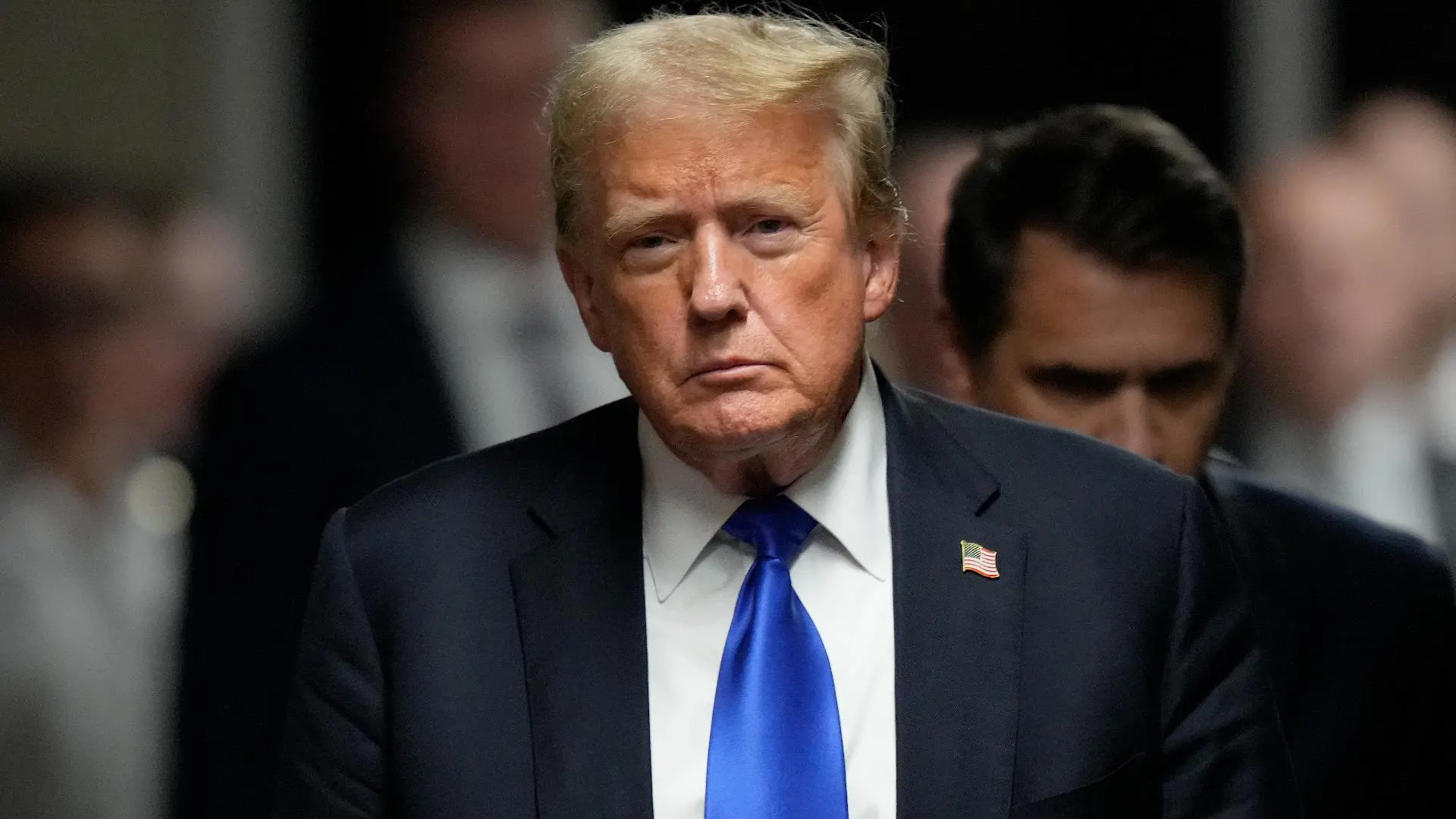
There has been no immediate detailed public statement from US officials regarding the operation, though President Donald Trump previously hailed the broader military campaign as a “significant success.”
International reactions have been swift. Several governments have called for restraint, expressing concern that the situation could spiral into broader regional conflict.
A Legacy Intertwined with Iran’s Modern History
While Ali Khamenei’s decades-long rule shaped Iran’s domestic policies and foreign relations in profound ways, Mansoureh Khojasteh Bagherzadeh’s legacy is of a different nature—quiet, private, and deeply personal.
Her life was inextricably linked to one of the most consequential political careers in the Middle East. Yet by her own account, she saw her contribution not in public declarations or formal authority, but in maintaining stability within her home during years marked by revolution, war, sanctions, and internal unrest.
As Iran confronts an uncertain future following the deaths of its Supreme Leader and members of his family, the passing of Bagherzadeh closes a chapter that began more than six decades ago with a marriage forged long before power and global scrutiny defined their lives.
What Happens Next
| Question | Status |
|---|---|
| Succession process | Assembly of Experts to convene |
| Funeral arrangements | To be announced by Iranian authorities |
| Iranian response | Vowed retaliation “at time and manner of choosing” |
| US statement | Awaiting detailed official comment |
| International reaction | Calls for restraint from global powers |
Timeline of Events
| Date | Event |
|---|---|
| Early March 2026 | US precision strike hits Khamenei’s Tehran compound |
| Day 1 | Ayatollah Ali Khamenei killed in strike |
| Day 2 | Mansoureh Khojasteh Bagherzadeh dies from injuries |
| Ongoing | Iran mourns, succession process begins |
Ejes Gist News Nigeria will continue to monitor this developing story and provide updates as events unfold.
Have a tip or reaction to this story? Contact our news desk at [[email protected]] or follow us on social media for real-time updates.
You May Also Like

Trending Now