France President Macron Cancels Planned Nigeria Visit, Gives Reasons
French President Emmanuel Macron has postponed his planned state visit to Nigeria, which was scheduled to take place from October 29 to November 6, 2026, with a new date expected to be announced for early 2027.
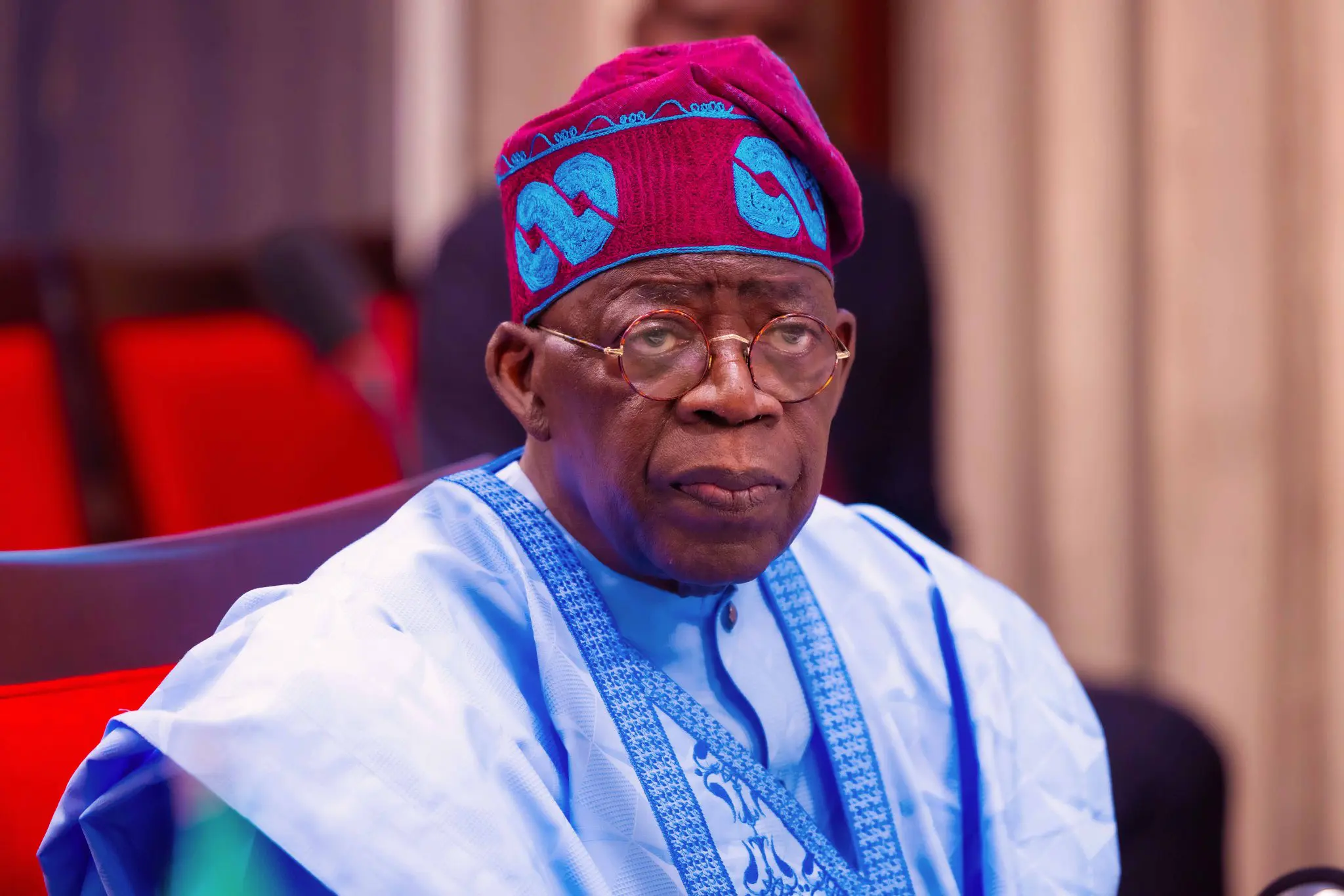
Rank News reports that the postponement followed an agreement between Macron and Nigerian President Bola Ahmed Tinubu, although the specific reasons behind the decision have not been disclosed.
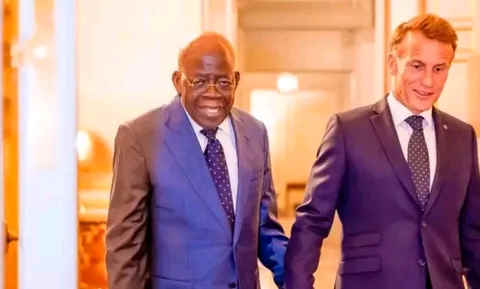
The development comes amid growing attention to diplomatic relations between Nigeria and France, particularly following Tinubu’s state visit to France in November 2024, when both countries explored opportunities to expand cooperation across several sectors.
French diplomatic officials had earlier announced Macron’s proposed visit as part of efforts to strengthen bilateral relations and build on agreements and discussions held during the Nigerian president’s trip to Paris.
However, the French president’s itinerary has now been revised, with no specific date announced for the rescheduled engagement.
Macron’s Visit Was Expected to Strengthen Nigeria-France Relations
Macron’s proposed trip was expected to provide another opportunity for Nigeria and France to deepen political, economic and cultural ties.
During Tinubu’s three-day state visit to France in November 2024, both leaders discussed opportunities for cooperation in finance, energy transition, solid minerals, trade, investment and communications.
The discussions formed part of broader efforts to strengthen economic relations and attract additional investment between the two countries.
Presidential spokesman Bayo Onanuga had previously explained that Tinubu’s visit was intended to improve political, economic and cultural relations while creating fresh opportunities for collaboration.
Macron’s planned visit would also have marked his first trip to Nigeria since July 2018, when he visited the country during the administration of former President Muhammadu Buhari.
The 2018 visit attracted attention because of Macron’s engagement with Nigeria’s cultural and creative industries, including a visit to the New Afrika Shrine in Lagos.
A rescheduled visit in 2027 could provide both governments with another opportunity to review existing commitments and explore areas of mutual interest.
Onoh Had Urged Macron to Suspend Planned Visit
The postponement comes days after Denge Josef Onoh, a former presidential spokesman from the South-East, called on Macron to suspend his planned Nigerian visit and concentrate on challenges facing France.
In a statement issued on Sunday, Onoh questioned the timing of the proposed diplomatic engagement, citing reports of unrest in France and arguing that the French government should prioritise addressing domestic concerns.
According to him, a leader’s responsibilities at home should take precedence when serious internal challenges require urgent attention.
“True statesmanship requires prioritising the home front when the foundations are shaking,” Onoh said.
He argued that Macron should avoid international engagements while France was reportedly experiencing unrest, insisting that the president needed to address the grievances of French citizens before pursuing diplomatic activities abroad.
“President Macron cannot be seen playing global politics and chasing bilateral photo-ops in Abuja while the streets of Paris and other French cities are burning. You do not go structural shopping in Africa when your own house is on fire,” he said.
Onoh also urged the French government to focus on what he described as enduring French national values rather than temporary political considerations.
“It is time for the French government to focus on enduring French values over temporary political values,” he added.
Although Onoh publicly called for the postponement, no information provided in the announcement of the rescheduling establishes that his intervention influenced the decision reached by Macron and Tinubu.
The reported agreement between the two presidents remains the stated basis for the postponement, while the specific reasons have not been made public.
Onoh Raises Concerns About Nigeria’s Domestic Challenges
The former presidential spokesman also argued that Nigeria should carefully consider the timing of diplomatic engagements as the country approaches the 2027 general elections.
According to Onoh, Nigeria must prioritise its economic recovery, address domestic challenges and rebuild public confidence in its institutions.
He maintained that international partnerships remained important but should complement efforts by both countries to address their respective domestic responsibilities.
“Nigeria has its problems, and it is the sole responsibility of Nigerians to focus on and solve their own problems,” Onoh said.
He added that Nigeria remained open to international cooperation but expressed the view that effective partnerships required leaders to pay adequate attention to challenges within their own countries.
“We love diplomacy, and Nigeria remains a premier destination for global partnerships. However, we need a French President who is stable at home to partner with us effectively abroad,” he said.
Onoh further urged Macron to remain in France, engage with protesters and address their grievances before rescheduling the Nigerian visit.
“For the sake of the French people and the integrity of international diplomacy, President Macron should stay in Paris, face the protesters, address their grievances, and reschedule his Nigerian visit for a time when France is not burning,” he said.
His comments added a domestic political dimension to discussions surrounding the proposed visit, although the official explanation for the postponement remains limited to the agreement between the two presidents.
Onoh Cites Previous Diplomatic Postponements
To support his argument, Onoh referred to previous instances in which domestic political tensions affected planned international engagements involving European leaders.
He cited the postponement of a planned state visit by Britain’s King Charles III to France in March 2023 amid widespread protests over pension reforms.
The protests created significant pressure on the French government at the time, prompting the postponement of the British monarch’s visit.
Onoh also referenced the May 1968 unrest under former French President Charles de Gaulle and the suburban riots of 2005 during the administration of former President Jacques Chirac.
Both episodes remain notable periods in modern French history, when domestic unrest presented major challenges for the country’s political leadership.
By drawing comparisons with those events, Onoh argued that diplomatic engagements should be scheduled with due consideration for domestic political and social conditions.
However, the circumstances surrounding Macron’s postponed visit to Nigeria have not been fully explained, and it remains unclear whether domestic developments in France played any role in the decision.
Macron’s Final Presidential Term Approaches Its End
The postponement also places the proposed visit within a significant period in France’s political calendar.
Macron began his second presidential term in May 2022 and is constitutionally barred from seeking an immediate third consecutive term. His current term is due to end in May 2027.
A visit rescheduled for early 2027 would therefore take place only months before the end of his presidency, potentially making it one of the final major diplomatic engagements of his administration in West Africa.
Macron and Tinubu have maintained diplomatic relations since the Nigerian leader assumed office in May 2023, with their engagements focused on strengthening cooperation between the two countries.
For Nigeria, relations with France offer opportunities for investment, trade, security cooperation, energy development and other areas of economic engagement.
For France, Nigeria remains an important partner because of its economic scale, regional influence and strategic position in West Africa.
The timing of the rescheduled visit could therefore be significant for both governments as they seek to sustain existing partnerships and identify new areas of collaboration.
What Happens Next?
For now, the Nigerian and French governments have yet to announce a specific date for Macron’s visit, although early 2027 has been indicated as the expected period for the rescheduled trip.
The absence of a detailed explanation means it remains unclear whether the postponement is connected to scheduling considerations, domestic developments in France or other diplomatic factors.
The next steps will likely depend on arrangements between both governments and the availability of their respective leaders.
Despite the delay, there has been no indication in the supplied announcement that either country intends to abandon efforts to strengthen bilateral relations.
The postponement therefore represents a change in the diplomatic timetable rather than, on the information currently available, a confirmed breakdown in relations between Abuja and Paris.
As Nigeria prepares for the 2027 general elections and France approaches the end of Macron’s presidency, the rescheduled visit could provide an important opportunity for both countries to reaffirm their partnership and advance discussions on trade, investment, energy and other shared interests.
Ejes Gist News stands for truth, responsible journalism, editorial integrity and fearless accountability.
You May Also Like

Trending Now