
Dollar to Naira: CBN, Black Market Rates & Why It’s Moving Now — May 7, 2026
Dollar to Naira Exchange Rate Today — May 7, 2026: CBN, Black Market Figures, Market Drivers
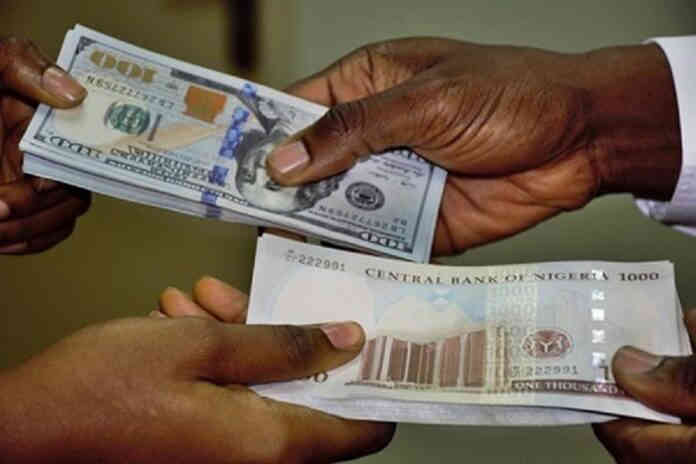
The Dollar to Naira exchange rate on May 7, 2026, reflects a continued phase of relative stability in Nigeria’s foreign exchange market, with modest movements recorded across both the official and parallel segments. Data from market indicators shows that the naira traded within a narrow band against the United States dollar, supported by ongoing liquidity interventions and shifting global risk sentiment.
Ejes Gist News reports that the foreign exchange market opened the day with the naira maintaining recent gains recorded in early May, as traders continued to respond to improved supply conditions in the official market and fluctuating demand pressures in the parallel segment.
Official CBN Dollar to Naira Market Rate (NFEM) Performance
In the Nigerian Foreign Exchange Market (NFEM), which is the Central Bank of Nigeria’s (CBN) benchmark for official transactions, the naira traded around ₦1,357.55 per dollar on May 7, 2026, reflecting a marginal appreciation compared to earlier sessions in the week.
This follows a recorded range where the naira had strengthened to approximately ₦1,362 per dollar on May 6, 2026, indicating a gradual improvement in official market positioning.
Market data suggests that the stability in the NFEM window has been supported by improved foreign exchange liquidity and moderated demand from corporate importers, alongside periodic CBN interventions aimed at reducing volatility.
Parallel Market (Black Market) Exchange Rate
In the parallel market segment, commonly referred to as the black market, the Dollar to Naira exchange rate remained significantly higher than official levels.
As of the May 7, 2026 trading window, the dollar exchanged at approximately ₦1,400 to ₦1,420 per dollar in key trading locations including Lagos, Abuja, and Port Harcourt.
Buy and sell spreads in the parallel market continued to reflect liquidity tightness, with dealers adjusting prices in response to speculative demand and limited dollar availability outside formal banking channels.
The persistent gap between official and parallel market rates underscores ongoing structural pressure in Nigeria’s foreign exchange system, despite gradual improvements in reserves and policy reforms.
Market Drivers and Economic Context
Currency analysts attribute the current exchange rate pattern to a combination of domestic and international factors.
Globally, the U.S. dollar has experienced periods of mild weakening due to shifting investor sentiment and geopolitical developments, which have influenced emerging market currencies, including the naira. At the same time, oil market stability has provided partial support for Nigeria’s external reserves position.
Domestically, Nigeria’s foreign exchange dynamics continue to be shaped by:
- Controlled dollar supply from the Central Bank of Nigeria
- Import demand from businesses and manufacturers
- Inflationary pressure affecting purchasing power
- Oil revenue inflows into foreign reserves
- Speculative activity in the parallel market
Economic reports indicate that Nigeria’s currency has shown intermittent recovery phases in 2026, although volatility remains present due to structural imbalances in foreign exchange demand and supply.
Comparative Movement and Weekly Trend
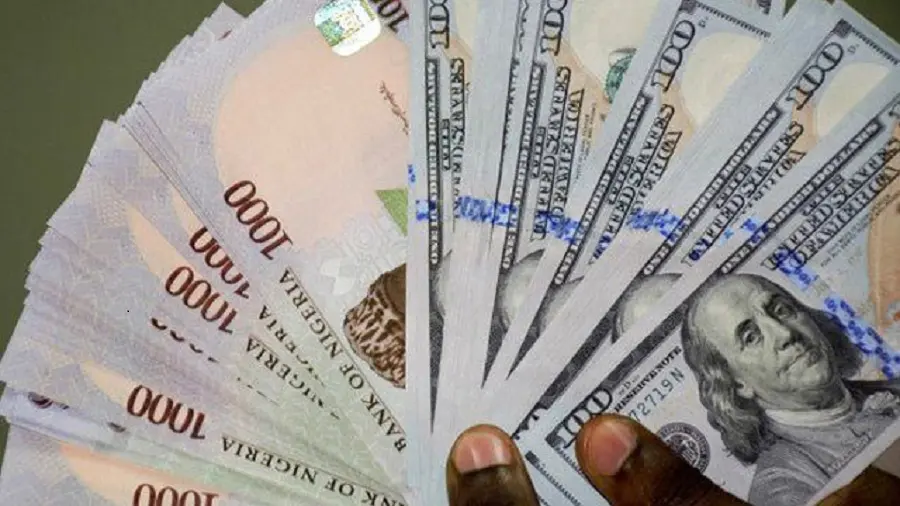
Earlier in the week, the naira traded closer to the ₦1,360–₦1,370 range in the official market, showing a slight appreciation trend before stabilising around the mid-₦1,350 range by May 7, 2026.
In contrast, the parallel market maintained a wider spread, with rates fluctuating based on liquidity conditions and speculative positioning.
The divergence between both markets continues to reflect Nigeria’s dual exchange rate environment, where official rates are influenced by policy frameworks while parallel market pricing is driven largely by demand pressure.
Implications for Businesses and Importers
The Dollar to Naira exchange rate remains a key determinant of import costs, pricing strategies, and inflation expectations across Nigeria’s economy. Businesses dependent on foreign inputs continue to monitor both official and parallel market rates to guide procurement decisions.
Import-dependent sectors, including manufacturing and retail, remain particularly sensitive to exchange rate movements due to their direct impact on production costs and consumer pricing.
Financial analysts maintain that sustained stability in the official market would require consistent foreign exchange inflows, improved export performance, and reduced speculative demand pressure in the parallel market segment.

Outlook for Foreign Exchange Stability
The broader outlook for the naira in 2026 continues to depend on policy consistency, oil revenue performance, and investor confidence in Nigeria’s macroeconomic reforms.
Also Read:
- Dollar to Naira Exchange Rate Today — May 6, 2026
- Dollar to Naira Exchange Rate Today — April 27, 2026
- Dollar to Naira Exchange Rate Today — April 22, 2026
While recent data indicates periods of stability in the official market, the exchange rate gap between official and parallel channels remains a structural concern that policymakers continue to address through monetary and fiscal measures.
Market participants are expected to continue tracking developments in global oil prices, foreign reserve levels, and Central Bank interventions as key indicators shaping the direction of the Dollar to Naira exchange rate in the coming sessions.
Source, Vanguard News and CBN
You May Also Like
Trending Now