
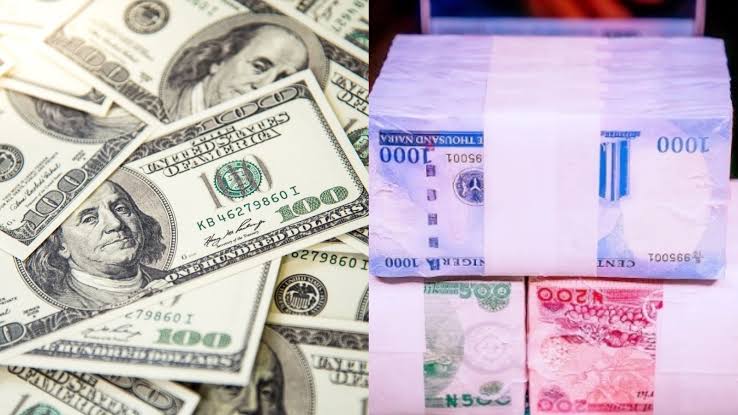
Dollar to Naira Exchange Rate Today – March 4, 2026: Naira Crashes
Fresh Volatility Hits Forex Market as Gap Widens Between Official and Parallel Rates
The Dollar to Naira exchange rate recorded fresh volatility on Wednesday, March 4, 2026, with the local currency weakening across both the official Nigerian Autonomous Foreign Exchange Market (NAFEM) and the parallel black market.
Data from the FMDQ Securities Exchange shows the naira trading at an average of ₦1,377.04 per US dollar in the official window—marking a significant depreciation from recent sessions and raising concerns about renewed pressure on the currency.
Official Exchange Rate (CBN Window)
According to market data from the official segment:
| Currency | Official Rate (NAFEM) |
|---|---|
| 1 US Dollar | ₦1,377.04 |
The official rate is determined through supply and demand dynamics within the Investors and Exporters (I&E) window and other approved trading platforms supervised by the Central Bank of Nigeria (CBN).
Commercial banks and authorised dealers execute transactions within this framework under regulatory oversight. The rate applies to government transactions, corporate forex allocations, and regulated international payments.
Black Market Exchange Rate Today
In the parallel market, commonly referred to as the black market, rates continue to trade at a premium to the official window due to liquidity pressures and strong retail demand for foreign currency.
Currency dealers in major commercial hubs such as Lagos and Abuja quoted the following ranges on Wednesday morning:
| Market | Buying Rate | Selling Rate |
|---|---|---|
| Parallel Market (Black Market) | ₦1,360 | ₦1,385 |
Note: These figures may vary slightly depending on location, transaction volume, and dealer margins. The black market operates outside formal regulatory supervision, with rates driven primarily by demand from individuals and small businesses seeking immediate dollar access.
Why the Rates Differ
The persistent gap between the official and black market exchange rates is influenced by several structural factors:
| Factor | Impact |
|---|---|
| Dollar Supply Constraints | Limited foreign inflows relative to mounting demand |
| Speculative Demand | Importers and investors hedge against currency depreciation |
| Policy Adjustments | Ongoing forex reforms and liquidity interventions by CBN |
| Global Dollar Strength | International currency market movements affect emerging market currencies |
| End-Month Demand Pressure | Businesses and individuals meeting offshore obligations |
Nigeria operates a managed float system, where the exchange rate is influenced by market forces but remains subject to regulatory interventions by the Central Bank.
How Exchange Rates Affect Nigerians
The Dollar to Naira exchange rate directly impacts virtually every sector of the economy:
| Sector | Impact |
|---|---|
| Import Costs | Higher exchange rates increase prices of imported goods |
| Fuel Pricing | Petroleum product imports are dollar-denominated |
| School Fees | Parents paying foreign tuition face higher costs |
| Medical Tourism | Healthcare payments abroad become more expensive |
| Inflation | Currency depreciation feeds into consumer prices |
| Foreign Investment | Volatility affects investor confidence |
Businesses dependent on imported raw materials remain particularly sensitive to forex fluctuations.
Market Outlook
Financial analysts note that sustained improvement in dollar liquidity, increased non-oil exports, and stable crude oil production remain critical to strengthening the naira.
The CBN continues to implement monetary measures aimed at stabilising the currency and narrowing the spread between official and parallel market rates. However, market observers suggest that without significant inflows, pressure on the naira may persist in the short term.
What Analysts Are Saying
Currency analysts point to several factors behind Wednesday’s depreciation:
-
End-month demand from businesses settling foreign obligations
-
Speculative activity in the parallel market
-
Market sentiment following recent policy announcements
-
Global dollar strength against emerging market currencies
“The naira is facing renewed headwinds as dollar demand outstrips available supply,” one Lagos-based currency analyst told Ejes Gist News.
“Until we see sustained inflows—either from oil exports, diaspora remittances, or foreign portfolio investment—the pressure will remain.”
Summary
| Market | Rate (₦/$) | Movement |
|---|---|---|
| Official (NAFEM) | ₦1,377.04 | Depreciated |
| Parallel Market (Black Market) | ₦1,360 – ₦1,385 | Premium sustained |
The Dollar to Naira exchange rate today reflects ongoing challenges in Nigeria’s foreign exchange market, with the gap between official and parallel rates highlighting structural liquidity constraints.
Important Note
Exchange rates are subject to intraday adjustments depending on trading volumes and market conditions. The figures published here represent averages based on data available at the time of reporting.
For real-time rates, users are advised to check with their banks or authorised dealers.
Ejes Gist News Nigeria will continue to monitor exchange rate movements and provide daily updates. Follow us for real-time currency news and market analysis.
Do you have questions about today’s rates or want to share your experience with currency exchange? Contact our editorial team at [email protected] or join the conversation on social media.
You May Also Like
Trending Now