BREAKING: APC Cries Out, Accuses Atiku of Plot to Sabotage Tinubu’s Presidential Campaign Flag-Off in Northern Nigeria
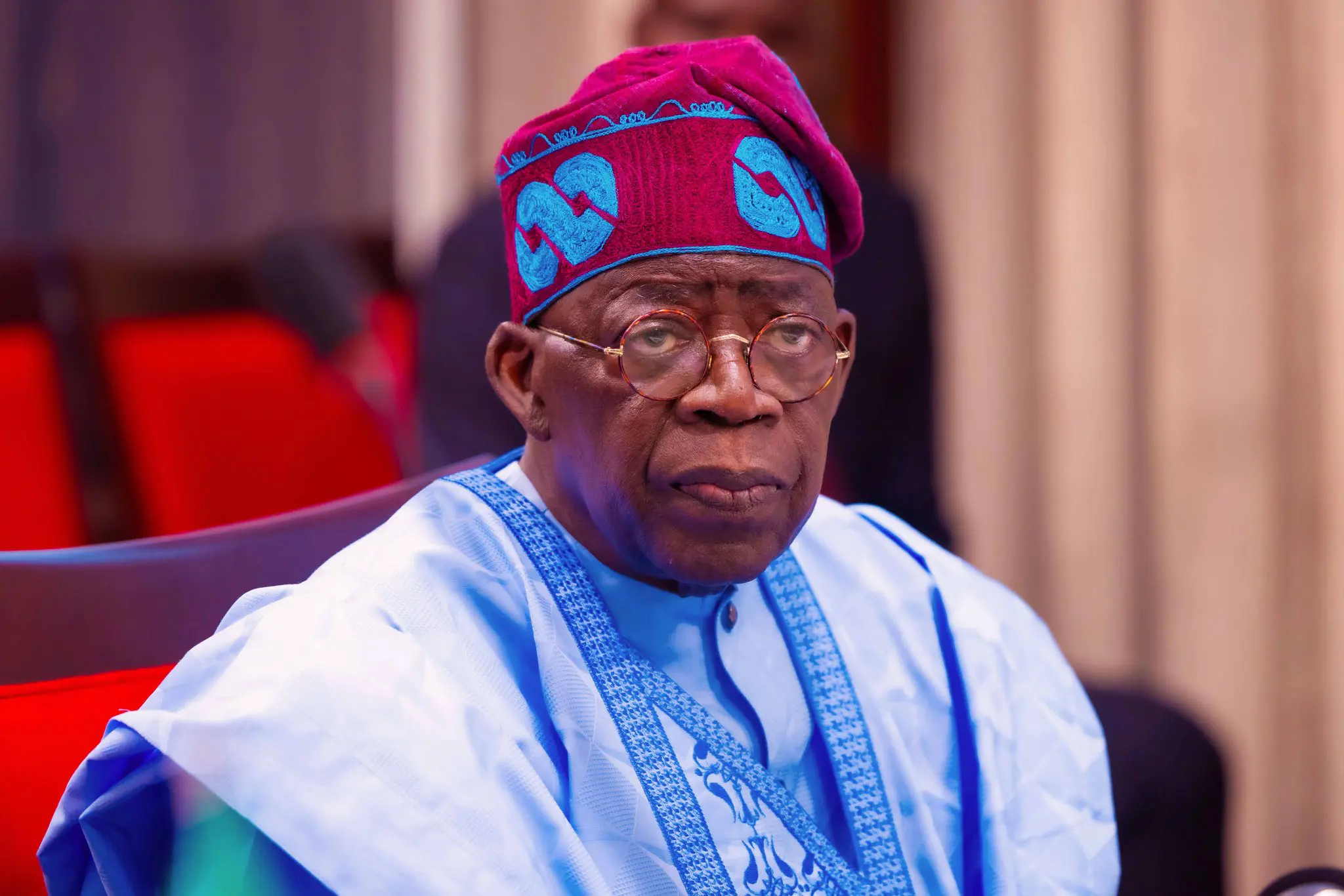
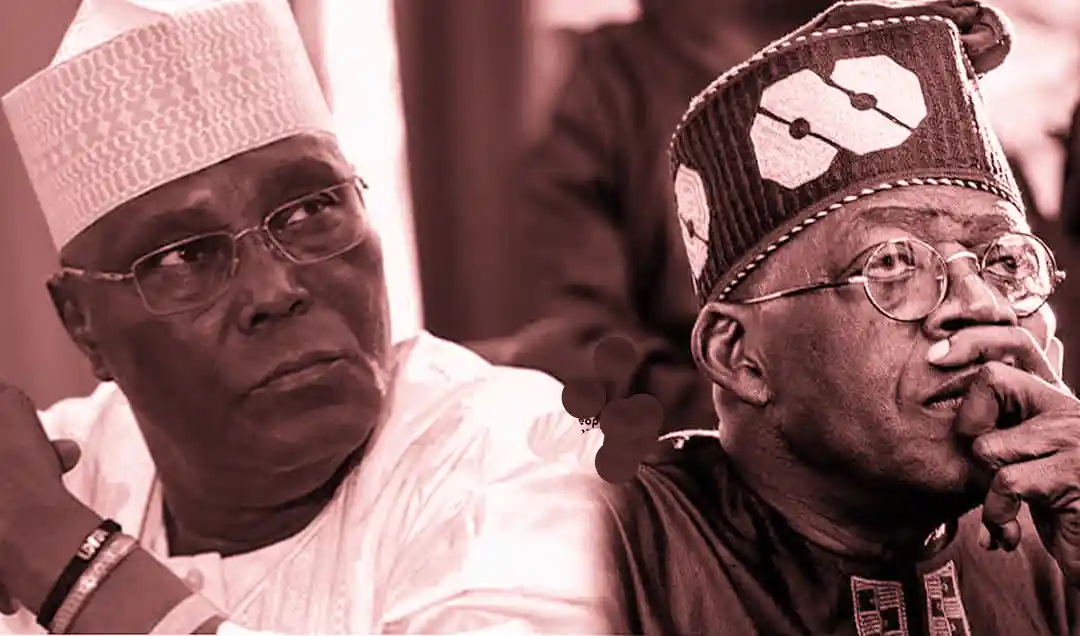
The All Progressives Congress (APC) Presidential Campaign Council has accused former Vice President Atiku Abubakar and the African Democratic Congress (ADC) of allegedly plotting to undermine President Bola Tinubu’s presidential campaign flag-off in Kaduna, Northern Nigeria, through a coordinated disinformation campaign.
The council alleged that the opposition planned to circulate fake news, artificial intelligence-generated content, deepfake videos and doctored documents to discredit Tinubu, Kaduna State Governor Uba Sani and other APC leaders ahead of the campaign event.
The allegations were contained in a statement issued on Saturday, October 24, 2026, by Dele Alake, spokesperson for the APC Presidential Campaign Council.
In the statement titled “Fake News Alert: Atiku Abubakar and ADC’s Plot to Discredit APC Presidential Campaign Flag-Off in Kaduna,” the council claimed that the alleged operation was intended to manipulate public opinion and weaken the ruling party’s image as political activities intensify ahead of the 2027 general election.
The APC maintained that it had uncovered a plan to spread misleading reports through traditional media outlets and social media platforms before and during the Kaduna rally.
However, the allegations were made by the APC campaign council, and the statement did not provide independent evidence establishing that Atiku or the ADC was responsible for the alleged plot.
APC Accuses Atiku of Coordinating Alleged Disinformation Campaign
According to the campaign council, the alleged plan involved the use of misleading information and manipulated digital content to create negative impressions about the APC’s campaign preparations and political leadership.
The council claimed that Atiku and the ADC were seeking to undermine the credibility of the rally and portray Tinubu, Governor Uba Sani and other party leaders in a negative light.
“We have uncovered a well-orchestrated, devious plan by former Vice President Atiku Abubakar and his party to discredit the All Progressives Congress presidential campaign flag-off in Kaduna today, Saturday, October 24th, 2026,” the statement said.
The council further alleged that those behind the purported operation intended to plant false reports in mainstream media publications and amplify them through online platforms.
It specifically mentioned artificial intelligence-generated content, deepfake videos and counterfeit documents as tools allegedly being considered for the operation.
The APC described the development as an attempt to manipulate public perception at a politically sensitive time, when parties are working to strengthen their support ahead of the next presidential election.
Despite the seriousness of the allegations, the statement did not identify specific individuals allegedly involved in producing the disputed materials or provide technical findings linking them to Atiku or the ADC.
APC Questions Report About Security Vehicle in Kaduna
The campaign council cited two incidents that it said illustrated the alleged effort to discredit the ruling party.
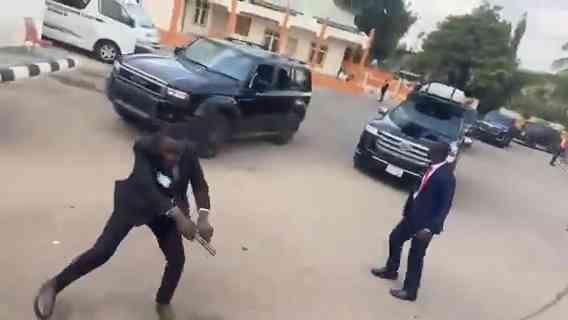
The first involved a photograph showing a security vehicle on routine patrol near an APC campaign billboard in Kaduna metropolis.
According to the council, the photograph was subsequently presented as evidence that security personnel had been deployed specifically to protect the party’s campaign billboards.
The APC alleged that Atiku amplified the narrative after a national newspaper published a report about the incident.
The council rejected the interpretation, arguing that the photograph had been used to create a misleading impression about security arrangements surrounding the campaign.
However, the statement did not identify the newspaper concerned or provide sufficient details to independently establish the circumstances in which the photograph was taken and reported.
The dispute underscores the importance of examining the original context of photographs and videos, particularly during political campaigns, when images can be used to support competing narratives.
A photograph showing a security vehicle near a campaign billboard, for instance, does not by itself establish the purpose of the vehicle’s presence or prove that special protection was provided to the billboard.
Such claims require additional evidence, including confirmation from relevant authorities and verification of the circumstances surrounding the image.
APC Dismisses Alleged ₦2.3 Trillion Kaduna Rally Document
The second incident involved a purported letter allegedly written by Governor Uba Sani to Senator Abdulaziz Yari, Director-General of the APC Presidential Campaign Council.
The document reportedly claimed that the Kaduna State Government had released ₦2.3 trillion to host the APC presidential campaign rally.
The campaign council dismissed the purported letter as fabricated and questioned the credibility of the amount attributed to the state government.
Alake argued that the figure was inconsistent with Kaduna State’s annual budget estimates, describing the alleged expenditure as implausible.
“We are still at a loss as to how anyone can imagine and concoct this senseless and utterly baseless lie that defies logic and basic common sense,” he said.
The spokesperson questioned how Kaduna State, or any other state in Nigeria, could spend ₦2.3 trillion to host a political rally.
He further compared the disputed figure with the state’s budget estimates for 2024, 2025 and 2026.
According to figures cited by the council, Kaduna State had a budget of ₦458.271 billion in 2024, ₦790.439 billion in 2025 and ₦985.9 billion in 2026.
The combined total of the three budget estimates is approximately ₦2.235 trillion, below the ₦2.3 trillion figure allegedly attributed to the rally.
“The ₦2.3 trillion that Atiku and his hirelings are circulating online is more than Kaduna State’s annual budget for three years,” Alake said.
The council relied on the comparison to challenge the credibility of the purported document and accuse the opposition of spreading false information about the rally.
However, the statement did not include forensic findings demonstrating that the letter was forged or independently establish who created or circulated it.
APC Warns of Possible Deepfake Videos During Rally
The campaign council also warned that the alleged disinformation effort could continue throughout the Kaduna rally.
It claimed that old footage, doctored recordings and deepfake videos might be circulated to suggest that residents were rejecting the APC and its presidential campaign.
According to the council, such materials could be presented as fresh recordings of the event despite allegedly originating from different occasions or having been manipulated.
“We know these two scenarios are only a part of the grand plan,” the statement said.
“The ADC and Atiku’s hirelings have also perfected plans to circulate old, doctored, and deepfake videos as the rally gets underway later today to show purported resentment by the people.”
The council said it was alerting Nigerians to what it described as a malicious attempt to influence public opinion.
It urged the public and media organisations to exercise caution before sharing audiovisual materials or documents connected to the rally.
Although the warning raised concerns about the possible use of manipulated content, the statement did not identify any specific deepfake video that had been independently verified or provide technical evidence linking the alleged preparations to the opposition.
APC Attacks Atiku and ADC Ahead of 2027 Elections
Beyond its allegations concerning fake news, the campaign council launched a political attack on Atiku and the ADC.
It described the ADC as Atiku’s “special-purpose vehicle” and accused the opposition camp of resorting to questionable tactics in an effort to remain politically relevant.
The remarks reflect the growing rivalry between the APC and opposition figures as preparations intensify for the 2027 general election.
Tinubu is seeking another term in office, while opposition parties and political leaders are positioning themselves to challenge the ruling party.
Atiku, a former vice president and a prominent figure in Nigerian opposition politics, remains a key participant in discussions surrounding the political realignments ahead of the election.
The APC’s latest accusations add another dimension to the emerging political contest, with the ruling party alleging that its opponents are seeking to undermine its public image before its campaign activities gain momentum.
Nevertheless, the campaign council’s claims remain allegations. The statement did not include a response from Atiku or the ADC, and it did not present independent evidence proving that either was responsible for the disputed reports, purported letter or alleged plans to circulate manipulated videos.
Disinformation Concerns Grow Ahead of 2027 Presidential Election
The controversy also draws attention to the challenges posed by misinformation and digitally manipulated content during election periods.
Artificial intelligence tools have made it easier to create or alter images, videos and audio recordings, increasing the difficulty of distinguishing genuine material from fabricated content.
Political actors can face reputational damage when misleading information spreads widely before it can be corrected. At the same time, unsubstantiated accusations of disinformation can deepen political divisions if presented as established facts without supporting evidence.
For journalists and news organisations, the challenge is to distinguish verified information from allegations made by political parties and individuals.
Claims involving alleged deepfakes or forged documents require careful examination of the original materials, their sources and the circumstances in which they were circulated.
Media organisations can also seek clarification from the individuals named in disputed documents, verify claims with relevant government agencies and examine whether photographs or videos genuinely relate to the events they are said to depict.
The APC’s warning therefore places renewed attention on the need for accurate reporting and responsible information sharing as political activities increase ahead of the 2027 elections.
APC Urges Nigerians to Reject Unverified Information
The campaign council concluded its statement by urging Nigerians to remain vigilant and avoid sharing unverified information about the Kaduna rally.
It maintained that the public needed to be alert to what it described as attempts to manipulate public opinion through fabricated documents, misleading reports and digitally altered recordings.
The council said its warning was intended to protect the credibility of the campaign event and prevent the spread of false narratives about the APC and its leaders.
However, the allegations against Atiku and the ADC have not been independently established by the evidence presented in the statement.
As political parties intensify preparations for the 2027 general election, claims about campaign activities, political opponents and the use of artificial intelligence are likely to attract significant public attention.
The key takeaway: The APC Presidential Campaign Council has accused Atiku Abubakar and the ADC of allegedly plotting to sabotage Tinubu’s presidential campaign flag-off in Kaduna through fake news and manipulated content. The council cited a disputed security-vehicle report and a purported ₦2.3 trillion rally document, but did not provide independent evidence establishing the opposition’s responsibility.
Ejes Gist News stands for truth, responsible journalism, editorial integrity and fearless accountability.
You May Also Like

Trending Now