BREAKING: INEC Breaks Silence, Speaks on Choosing Tinubu As Its Preferred Presidential Candidate Ahead of 2027 Elections
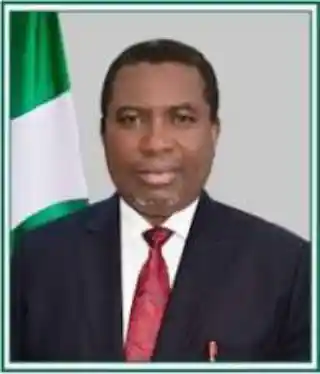
The Chairman of the Independent National Electoral Commission (INEC), Joash Amupitan, has dismissed suggestions that the commission has a preferred presidential candidate ahead of the 2027 general elections, insisting that the electoral body remains neutral and committed to conducting credible elections.
Amupitan stated that INEC has no preferred candidate or political party, stressing that its responsibility is to ensure that the will of Nigerians is respected through a transparent and lawful electoral process.
He made the declaration on Friday, October 30, 2026, in Abuja while receiving a pre-election fact-finding delegation from the Economic Community of West African States (ECOWAS).
The delegation was led by former Sierra Leone Vice-President, Victor Bockarie Foh, and was in Nigeria to assess the country’s level of preparedness for the forthcoming general elections.
Amupitan Addresses Allegations of INEC’s Political Preference
Speaking during the meeting, the INEC chairman reaffirmed the commission’s commitment to impartiality, noting that the electoral body would not align itself with any political party or presidential candidate.
According to him, the commission’s loyalty remains with the Nigerian electorate and the country’s democratic institutions.
“INEC under my watch has no candidate and no political party,” Amupitan declared.
He added, “Our sole allegiance is to the rule of law, the sovereign will of the Nigerian electorate, and the democratic progress of our nation.”
His comments come amid growing political activities and heightened attention on the role of the electoral commission as preparations intensify for the 2027 general elections.
The issue of electoral neutrality is particularly significant as political parties and their candidates begin positioning themselves for what is expected to be a closely contested presidential race.
INEC Begins Nationwide Assessment Ahead of 2027 Elections
Amupitan also disclosed that the commission had commenced readiness assessment tours across Nigeria’s geopolitical zones to evaluate its level of preparation for the forthcoming elections.
The exercise is expected to help INEC identify operational challenges, assess its facilities and determine the resources required to conduct the polls across the country.
He explained that the commission was preparing for an extensive electoral exercise involving 774 local government areas and 8,809 registration areas nationwide.
The scale of the exercise will require significant coordination, including the deployment of electoral personnel, logistics and other resources needed to ensure the smooth conduct of voting.
ECOWAS Assesses Nigeria’s Electoral Preparedness
The ECOWAS delegation’s visit forms part of the regional organisation’s efforts to assess electoral preparations in member states approaching major elections.
Led by Victor Bockarie Foh, the delegation is expected to engage relevant electoral stakeholders, examine Nigeria’s level of preparedness and identify areas where ECOWAS could offer technical or institutional support.
The engagement also provides an opportunity for the regional body to assess issues that could affect the credibility and peaceful conduct of the 2027 elections.
INEC Faces Expectations Ahead of 2027 Polls
With the 2027 general elections approaching, INEC faces increasing expectations to demonstrate independence, transparency and operational readiness.
Amupitan’s declaration that the commission has no preferred candidate or political party is an affirmation of its stated commitment to electoral neutrality.
However, the commission’s ability to translate that commitment into a credible electoral process will remain under close scrutiny as political activities gather momentum across the country.
Ultimately, the credibility of the 2027 elections will depend on the commission’s ability to protect the integrity of the process and ensure that the votes of Nigerians determine the outcome.
Ejes Gist News stands for truth, responsible journalism, editorial integrity and fearless accountability.
You May Also Like

Trending Now