New Nutrition Bill Raises Fears of Jail Terms for Local Chefs, Restrictions on Traditional Foods as Bill Gates’ Influence on Nigeria’s Food Sovereignty Raises Concerns
A proposed nutrition regulation bill before Nigeria’s National Assembly has triggered criticism from policy analyst Dr Segun Adebayo and other commentators, who warn that its provisions could affect traditional food practices, create overlapping regulatory responsibilities and expose national nutrition policies to foreign influence.
The proposed legislation, known as the Nutritionists Registration Council of Nigeria Bill, House Bill 2659, is intended to establish a regulatory framework for nutritionists in the country. However, opponents argue that some of its provisions require closer scrutiny, particularly those relating to the definition of nutrition practice, professional licensing, foreign funding and the proposed council’s relationship with existing institutions.
Adebayo, Executive Director of the Centre for African Policy Research and Advisory (CAfPRA), has linked the controversy to the activities of the Bill and Melinda Gates Foundation in Nigeria’s nutrition sector. He has called on Nigerians to contact their lawmakers over the proposed legislation.
Concerns Over Traditional Food Practices
One of the major objections raised by critics concerns the bill’s definition of nutrition practice and the potential implications for people who prepare, sell or share traditional foods and remedies.
Opponents argue that if the definition is not sufficiently precise, it could create uncertainty about whether certain activities performed by local food vendors, traditional practitioners and community members would fall within the scope of regulated professional practice.
They warn that an overly broad interpretation could expose some people to licensing requirements or legal penalties, even where their activities involve long-established food traditions rather than clinical nutrition services.
The controversy has also raised broader questions about how Nigeria can regulate professional nutrition services while preserving indigenous food knowledge and cultural practices.
However, the precise legal implications for local chefs, market traders and traditional practitioners would depend on the bill’s final wording, its definitions and how its provisions are interpreted and enforced.
Adebayo Questions Bill Gates Foundation’s Role
Adebayo has also questioned the relationship between the proposed legislation and the wider activities of the Gates Foundation in Nigeria’s nutrition sector.
In a statement shared on the issue, the policy analyst alleged that the foundation’s interest in Nigeria’s nutrition policies deserves greater public scrutiny.
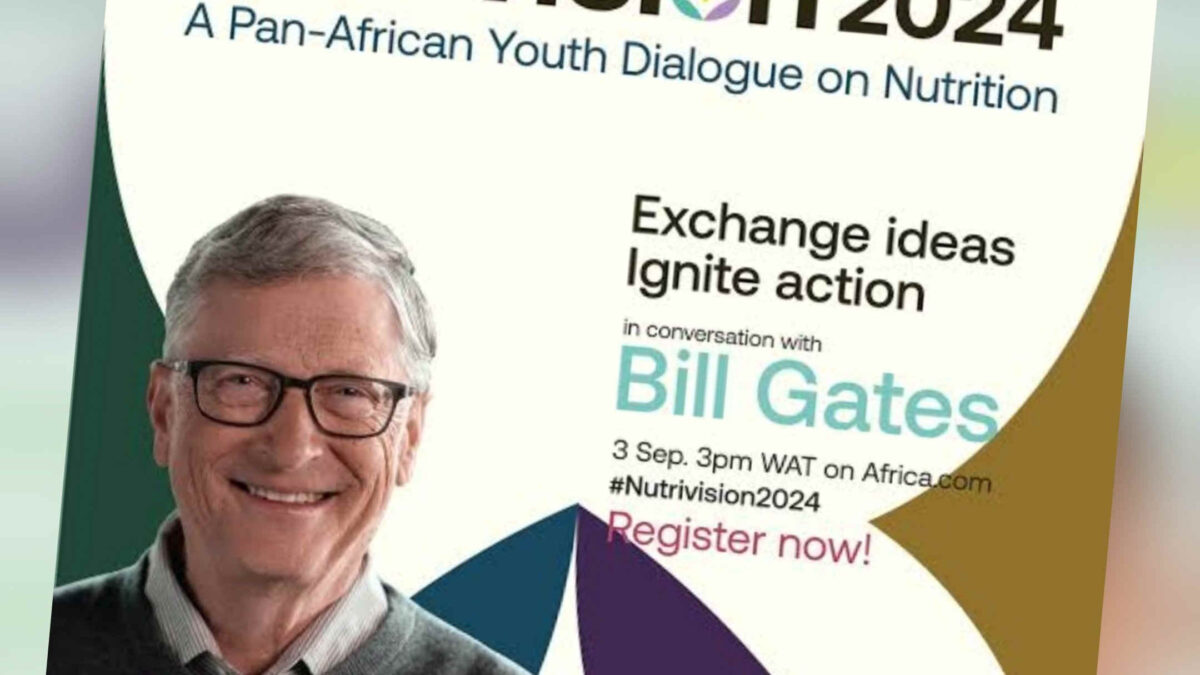
He referenced a visit by Bill Gates to Nigeria to discuss his vision for the country’s nutrition sector, as well as the Nutrition Society of Nigeria’s 2025 conference in Kano, which he said featured speakers advocating food fortification and associated with the foundation.
Adebayo also criticised efforts to promote food fortification through seasoning cubes, questioning whether such interventions adequately address malnutrition, stunted growth and micronutrient deficiencies.
“Thank God we didn’t miss this Bill,” he wrote, urging Nigerians to contact their representatives and oppose the proposed legislation.
His comments reflect concerns among some critics about the influence of international philanthropic organisations on domestic food and nutrition policies. However, the claims that the bill is being directed by the Gates Foundation or that the foundation is seeking control of Nigeria’s nutrition sector have not been independently established by the information provided.
Section 32 and Foreign Funding Concerns
Another issue highlighted by opponents is Section 32, which they say would allow the proposed council to receive foreign grants, donations and financial support.
Critics argue that the provision could create opportunities for external funders to influence Nigeria’s nutrition priorities, particularly if safeguards governing funding arrangements and conflicts of interest are inadequate.
They have expressed concern that international organisations and commercial interests could promote dietary standards or agricultural approaches that favour imported products, processed foods or proprietary agricultural technologies over locally produced alternatives.
The debate touches on a wider policy question: how Nigeria can benefit from international research and funding while retaining control over its food systems and public health priorities.
Allowing a public institution to receive external funding does not, by itself, establish that foreign donors would control its decisions. Assessing the risk would require examining the full wording of Section 32, applicable oversight mechanisms, disclosure requirements and the council’s decision-making powers.
Critics are therefore calling for greater transparency over the proposed funding arrangements and clearer safeguards to protect the independence of national nutrition policy.
The Spearhead Raises Alarm Over Foreign Influence
The media company The Spearhead has also drawn attention to the proposed legislation, framing the controversy around concerns about national sovereignty and foreign funding.
In its report, titled “Sovereignty On Mortgage: Nigerian Expert Raises Alarm Over Bill Gates Funding Of Nutrition Bill,” the outlet cited Adebayo’s appearance on News Central TV on Friday, October 23, 2026.
According to The Spearhead, Adebayo raised concerns about the bill’s progress through the House of Representatives and the alleged influence of the Gates Foundation in Nigeria’s nutrition sector.
The outlet further claimed that the bill moved through its first and second readings within a short period and that lawmakers were targeting passage before the end of October.
Those assertions raise questions about the legislative timetable and the level of public consultation surrounding the proposal. However, the claims of foundation backing and an accelerated process should be assessed against official legislative records and statements from the bill’s sponsors.
The position of the bill’s supporters, including the rationale for its proposed regulatory structure, is also important to understanding the dispute.
Questions Over Existing Regulatory Bodies
Opponents have additionally questioned whether the proposed Nutritionists Registration Council would duplicate the functions of the existing Dietitians Council of Nigeria.
They argue that establishing another regulatory body could create overlapping responsibilities, increase administrative costs and complicate the regulation of nutrition-related professions.
The National Universities Commission has also been cited by critics as opposing aspects of the proposed council’s authority over university curricula.
If confirmed, such institutional disagreements would raise questions about how the new council would operate alongside existing professional regulators and the body responsible for overseeing university education.
Supporters of the bill would need to clarify the specific responsibilities of the proposed council, how those responsibilities differ from those of existing institutions and what measures would prevent jurisdictional conflicts.
Public Health Regulation Versus Food Sovereignty
The dispute highlights a broader challenge facing policymakers: balancing professional standards and public health protection with the preservation of traditional knowledge and local food systems.
Supporters of stronger professional regulation may argue that clear standards are necessary to protect Nigerians from misleading nutrition advice and unqualified practitioners. Critics, however, maintain that regulation must be carefully defined to avoid restricting ordinary food preparation, community knowledge and culturally established practices.
The question of foreign funding also requires a distinction between legitimate international cooperation and arrangements that could undermine domestic accountability.
For Nigerians concerned about the bill, the central issues include the scope of regulated practice, the penalties for non-compliance, the council’s funding arrangements, its relationship with existing institutions and the extent of public consultation before passage.
What Happens Next?
With opposition voices calling for closer scrutiny, attention is likely to remain on the National Assembly’s consideration of House Bill 2659 and any proposed amendments to its provisions.
The bill’s exact legislative status and timetable should be confirmed through official National Assembly records. Claims that it will outlaw traditional recipes, imprison local chefs or transfer control of Nigeria’s food system to foreign interests should not be treated as established facts without evidence from the bill’s text and relevant official records.
Ultimately, the debate presents lawmakers with an opportunity to clarify the proposed council’s mandate, address concerns about overlapping responsibilities and ensure that any new regulatory framework protects public health without unnecessarily restricting traditional food practices or compromising Nigeria’s policy independence.
Ejes Gist News stands for truth, responsible journalism, editorial integrity and fearless accountability.
You May Also Like



Trending Now