Atiku, Peter Obi Created Hunger and Poverty in Nigeria, Not Me — Tinubu
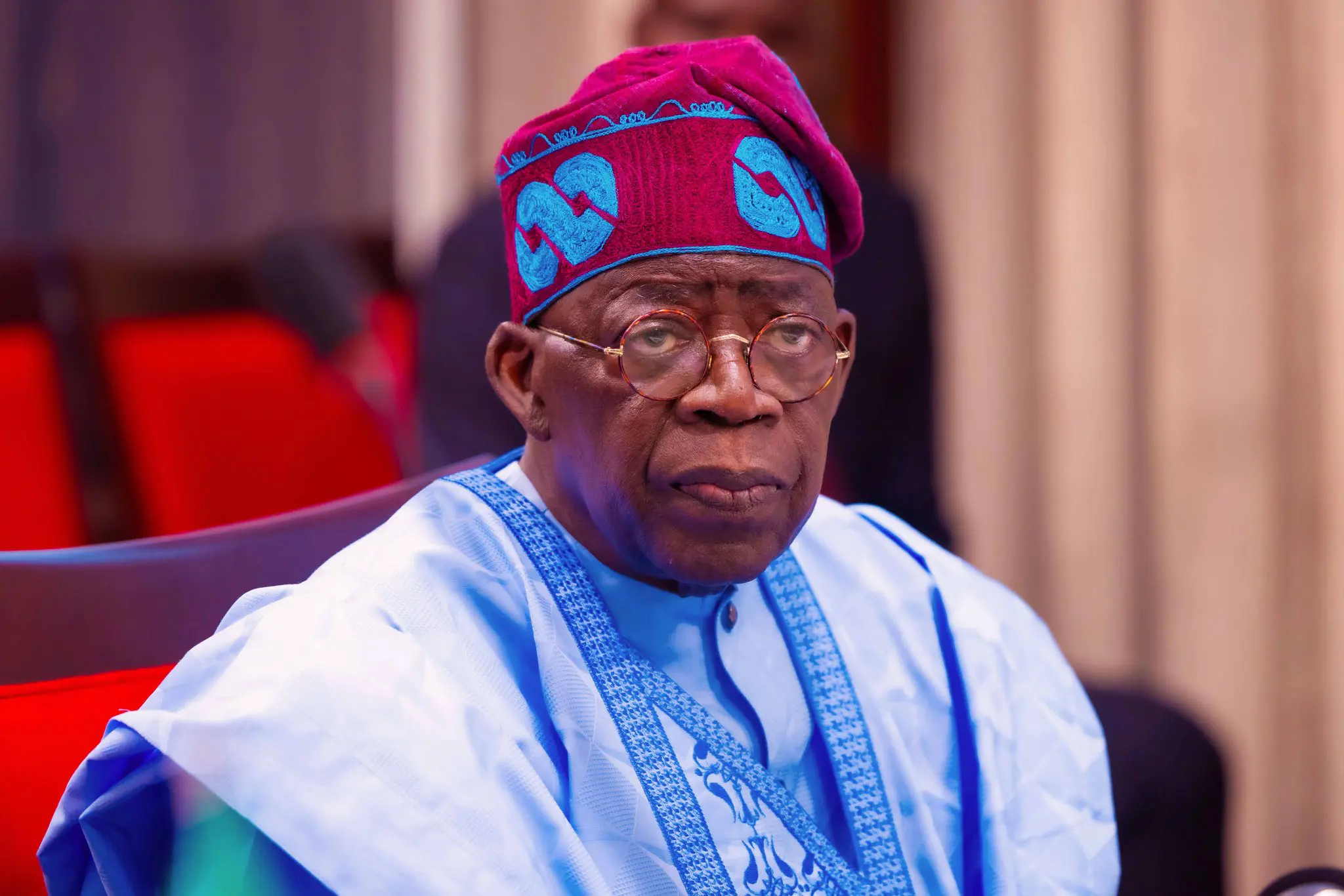
President Bola Ahmed Tinubu has blamed opposition figures Atiku Abubakar and Peter Obi for the hunger and poverty confronting Nigerians, insisting that his administration is working to address the country’s economic challenges.
Tinubu made the remarks during the All Progressives Congress (APC) presidential campaign flag-off at the Kaduna Township Stadium in Kaduna State, as he began efforts to secure a second term in the 2027 general elections.
Addressing supporters at the rally, the president challenged his political opponents over their criticisms of hunger and poverty, arguing that those raising the issues were responsible for creating the problems his government is now attempting to resolve.
“I hear my opponent talk about hunger and poverty. Who created it? They did. They created poverty; they created hunger. We are trying to eradicate it. We pay salaries regularly. Our governors are working,” Tinubu said.
Tinubu Defends His Administration’s Economic Record
The president’s remarks came amid continued public concerns over the cost of living, food prices and the purchasing power of Nigerian households.
Since assuming office in May 2023, Tinubu’s administration has introduced major economic reforms, including the removal of the petrol subsidy and changes to the foreign exchange system. The measures have had significant consequences for the economy, with Nigerians facing increased transportation, food and other living expenses.
While the government has defended the reforms as necessary to stabilise the economy and improve its long-term prospects, the rising cost of basic necessities has remained a major concern for many households.
At the Kaduna rally, Tinubu sought to counter criticism of his government’s performance by pointing to regular salary payments and the activities of APC governors.
His comments suggested that his administration considers its efforts to maintain government salary payments and pursue economic reforms important parts of its response to poverty.
However, the payment of salaries and the implementation of government programmes do not, on their own, establish whether households are experiencing an improvement in their standard of living. The broader impact of the administration’s policies remains a central issue in the political debate ahead of the 2027 elections.
Atiku and Obi Remain Key Opposition Figures
Tinubu’s remarks also highlighted the growing political contest between the president and opposition leaders ahead of the next general elections.
Atiku Abubakar, a former vice president and one of Tinubu’s major challengers in the 2023 presidential election, has repeatedly criticised the administration’s economic policies and called for changes in the country’s governance and economic direction.
Peter Obi, the former governor of Anambra State and Labour Party presidential candidate in the 2023 election, has also raised concerns about economic hardship, governance and the welfare of ordinary Nigerians.
Both politicians have maintained political relevance through their criticism of the federal government and their appeals for alternative approaches to managing the country’s economy.
By blaming opposition figures for the country’s economic difficulties, Tinubu has placed responsibility for the crisis at the centre of the political contest.
Nevertheless, Nigeria’s economic challenges predate the current administration and have been influenced by several factors, including previous government policies, structural weaknesses, dependence on imported goods, insecurity affecting agricultural production and fluctuations in the value of the naira.
The extent to which different administrations have contributed to or addressed these problems is likely to remain a subject of debate during the election campaign.
Cost of Living Likely to Shape 2027 Election Debate
Economic hardship is expected to remain one of the major issues in the build-up to the 2027 general elections.
For many Nigerians, the central question is whether government policies can translate into more affordable food, lower living costs, improved employment opportunities and better access to essential services.
The removal of the petrol subsidy, in particular, has significantly changed the cost structure of transportation and other economic activities. Although the government has argued that the reforms will deliver long-term benefits, the immediate financial burden on households and businesses has fuelled public criticism.
Food affordability has also remained a major concern, with the cost of feeding families placing pressure on workers, traders and low-income households.
Tinubu’s defence of his administration therefore comes at a time when voters are likely to assess not only the government’s promises but also the practical effects of its policies on their daily lives.
The opposition, meanwhile, is expected to use economic concerns to challenge the president’s record and present alternative policy proposals.
Tinubu Urges Voters to Support APC
Beyond defending his economic record, the president used the Kaduna rally to mobilise support for the APC ahead of the 2027 elections.
He urged eligible Nigerians to obtain their Permanent Voter Cards (PVCs) and encouraged supporters to vote for APC candidates across the various levels of government.
The campaign flag-off provided an opportunity for the ruling party to rally its supporters, promote the administration’s achievements and present its case for another term.
For Tinubu, the challenge will be to convince voters that his policies are producing, or will eventually produce, tangible improvements in their living conditions.
The opposition, on the other hand, will seek to persuade Nigerians that the country’s economic difficulties require a different direction.
Conclusion
Tinubu’s accusation against Atiku Abubakar and Peter Obi has brought the issue of responsibility for Nigeria’s hunger and poverty into the spotlight ahead of the 2027 presidential election.
While the president insists that his administration is working to eradicate poverty and points to regular salary payments as evidence of its efforts, the cost of living remains a major concern for many Nigerians.
Ultimately, the debate over who bears responsibility for the country’s economic difficulties is likely to be judged alongside the policies, results and proposals presented by the competing political parties as voters prepare to choose Nigeria’s next president.
Ejes Gist News stands for truth, responsible journalism, editorial integrity and fearless accountability.
You May Also Like



Trending Now