
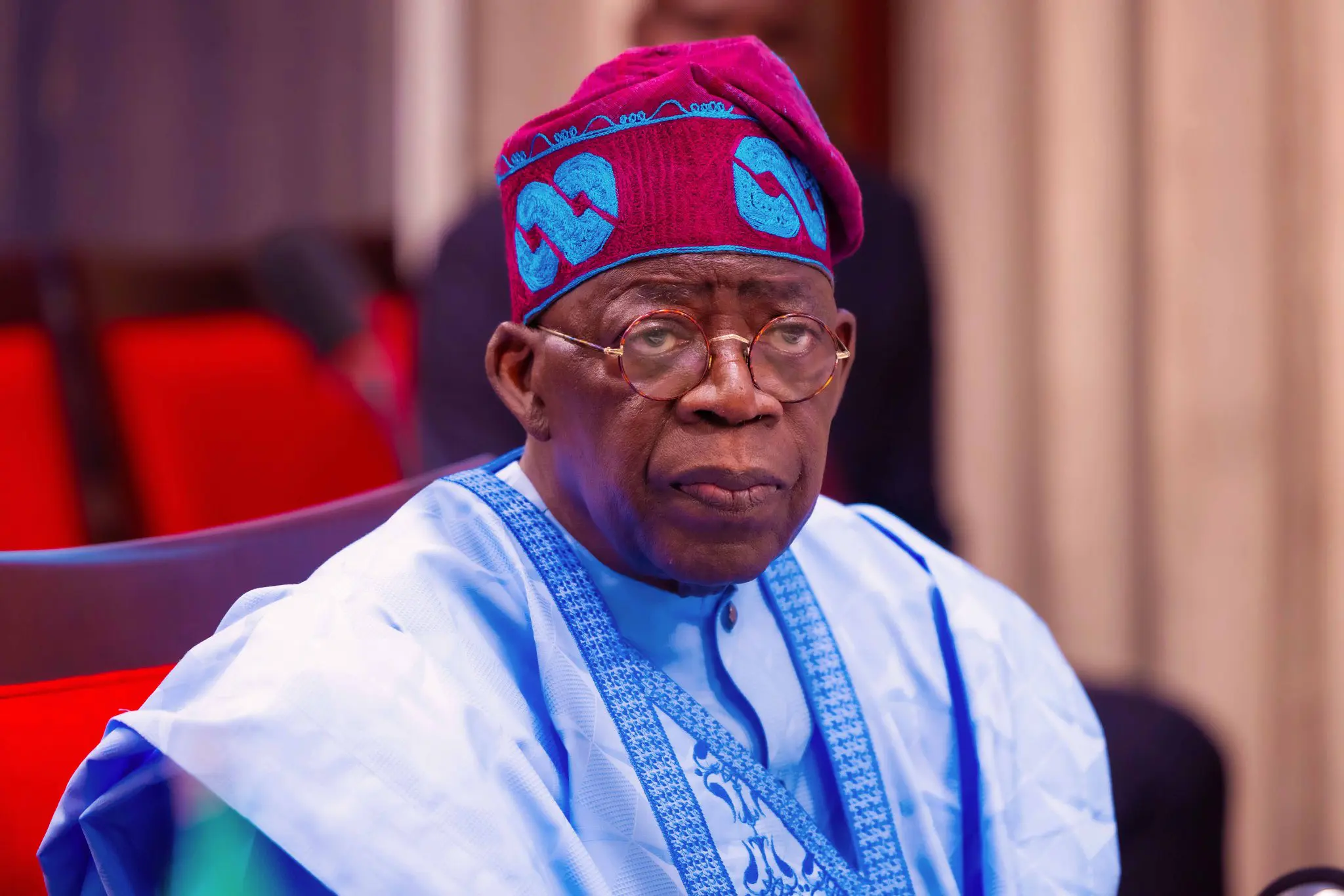
APC spokesman alleges Tinubu’s ministers pay billions for appointments
A spokesperson for the All Progressives Congress (APC) Presidential Campaign Council, Alwan Hassan has claimed that many ministers paid billions of naira to be appointed, only to spend their tenure recovering the money.
Hassan made the remarks on Arise TV’s Prime Time programme, anchored by Charles, during a discussion that covered corruption, public office and the conduct of political appointees.
Speaking as a campaign council spokesperson, Hassan said the practice was not limited to appointees of the ruling party and had existed long before the APC took power. He said: “A lot of Ministers Pay Billions to Be Appointed, and The First Thing They Think of is How to Recoup That Money After Being Appointed”.
Also Read : City Boy Movement Begins Cross River Tour, Inaugurates LG Offices October 27
He described the pattern as a reality in the country rather than something tied to one administration, saying: “It is the truth about our country and not just APC ministers; it started before the APC.”
Hassan also said President Bola Tinubu decided not to fund ministries as a way to stop ministers from recouping money they used to secure their appointments. He did not identify any minister, agency or transaction during the broadcast, and the remarks carried no documentary evidence supporting the claim.
- He alleged that a substantial number of ministers pay billions of naira to be appointed.
- He said appointees then make recovery of that outlay a priority once in office.
- He maintained that the practice is not confined to the APC and predates its tenure.
- He produced no names, figures or documents on air; the statement remains an allegation.
The comments draw attention to an allegation that has circulated in Nigerian public debate for years without being tested in court or documented in a published official inquiry.
How ministerial appointments work
Nigeria’s Constitution sets out how a cabinet is formed. Section 147 of the 1999 Constitution provides that the president appoints ministers and that the cabinet must include at least one minister from each of the 36 states.
The Senate screens and confirms ministerial nominees before they take office, a step meant to give the legislature oversight of the executive’s choices. Nominees are questioned about their records and their grasp of the portfolios they are expected to handle.
Once in office, public officers must declare their assets and liabilities to the Code of Conduct Bureau under the Fifth Schedule to the Constitution. The code also bars public officers from holding private business interests that conflict with their official duties.
Those constitutional provisions, Senate confirmation and the asset declaration rules together form the formal system governing entry into ministerial office.
Anti-corruption law and perceptions
Paying or receiving money to influence an appointment would, if established, fall under Nigeria’s anti-corruption laws. The Economic and Financial Crimes Commission (EFCC) and the Independent Corrupt Practices and Other Related Offences Commission (ICPC) are the main agencies empowered to investigate and prosecute such conduct.
A conviction for bribery or corruption can bring imprisonment and asset forfeiture, as well as disqualification from public office.
Claims that candidates for appointments make payments have appeared in Nigerian commentary for years, but they remain allegations until tested through investigation or prosecution. Hassan did not tie his remarks to any particular case, charge or investigation.
Separately, the Bureau of Public Procurement, created by the Public Procurement Act 2007, regulates spending by ministries, departments and agencies and requires competitive tendering for most contracts.
Nigeria has regularly placed among the weaker performers in Transparency International’s Corruption Perceptions Index, which draws on expert assessments and business surveys rather than measuring bribery directly. In the 2023 index, Transparency International gave Nigeria a score of 25 out of 100 and ranked it 145th among the 180 countries and territories assessed.
The APC entered federal government in 2015 and has held the presidency since. Governments since then have announced anti-corruption programmes, while the EFCC and ICPC have brought cases against public officials under different administrations.
Hassan’s allegation concerns private payments that would not be recorded in official budgets. Proving it would require testimony, financial records or admissions, and the broadcast supplied none.
Courts in Nigeria, including the Supreme Court and appellate benches, have affirmed corruption convictions in several prominent cases. Other prosecutions have ended in acquittals or remain unresolved, reflecting the evidentiary difficulty in such matters.
A minister shown to have paid for an appointment and to be recovering the money through public funds would face liability under anti-corruption laws, provided the case is proved in court.
Ejes Gist News stands for truth, responsible journalism, editorial integrity and fearless accountability.
You May Also Like



Trending Now