
Nigerians to FBI: Release Tinubu Full Drug Files, Our People Are Already Dying Under His Watch
Nigerians Demand FBI Release Tinubu’s Drug Files as Hardship Deepens
Nigerians are reacting with growing anger and frustration to the latest development in the legal battle over United States records linked to President Bola Ahmed Tinubu, questioning why the Federal Bureau of Investigation (FBI) claims that releasing some of the files could endanger lives while thousands of Nigerians continue to die from insecurity across the country.
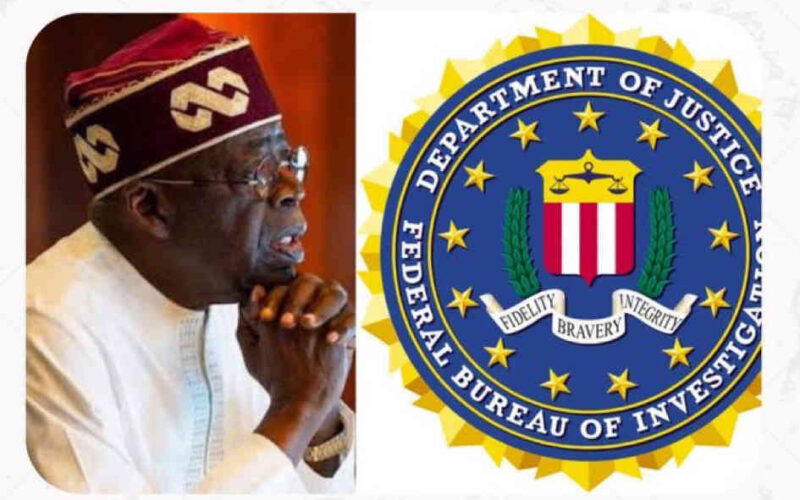
The FBI has requested permission from a U.S. federal court to allow it to explain privately why specific records connected to a historical investigation involving President Tinubu should remain undisclosed to the public. According to the federal agency, releasing the information could potentially endanger the lives or physical safety of individuals and could reveal sensitive law enforcement investigative techniques. A judge has granted permission for the FBI to submit its explanation privately for judicial review.
Also Read : Oborevwori Unveils Infrastructure Plan to Boost Delta Farmers, Investors
This court development has triggered a simple yet deeply emotional question among citizens across Nigeria: if the FBI is exercising such concern over protecting someone’s life, why is there not the same level of urgency over the thousands of Nigerians who have been killed or displaced by relentless insecurity during President Tinubu’s presidency?
Security Crisis Mounts as Political Figures Demand Full Transparency
Nigeria continues to face severe security challenges involving terrorism, banditry, mass kidnappings, and communal violence. A report by Reuters published this week highlighted that more than 10,000 people have been killed by armed groups since President Tinubu took office, while mass kidnappings remain a persistent and major national concern. In a recent violent attack in Plateau State, local officials and residents confirmed that at least 25 people were left dead.
The public criticism has intensified significantly because the FBI’s legal argument comes at a time when Nigerians are demanding full transparency regarding the records. Former Vice President Atiku Abubakar has also explicitly challenged the FBI’s position, arguing that citing danger to lives should not automatically prevent the public from accessing records that may be subject to disclosure under the law. Atiku noted that ordinary Nigerians are already paying with their lives amidst the country’s severe economic and security problems.
The documents at the center of the ongoing dispute date back to the 1990s and are being sought through a Freedom of Information Act (FOIA) lawsuit filed in the United States. President Tinubu has joined the U.S. government’s request for additional time to respond to the court order concerning the release of these records, with his legal team seeking to align his response directly with that of the U.S. government.
According to reporting on the latest court proceedings, a U.S. judge has now set a firm deadline of August 28 for the FBI, the Department of Justice, the Drug Enforcement Administration (DEA), and President Tinubu to formally oppose the release of the records.
Comparisons to Maduro Case and the August 28 Court Deadline
This development has further fueled suspicion throughout Nigeria, where many citizens are questioning why the FBI appears far more concerned about protecting individuals connected to an old investigation than about the Nigerians who are losing their lives to ongoing violence. On social media, users have drawn explicit comparisons between this situation and the U.S. government’s treatment of other foreign leaders and drug suspects, particularly Venezuelan President Nicolás Maduro.
Nigerians are asking why Washington would pursue aggressive legal and enforcement action against a foreign leader accused of drug-related offenses while simultaneously fighting in court over the disclosure of historical records involving President Tinubu.
However, legal experts note that this comparison does not prove that the FBI or Donald Trump is personally protecting President Tinubu. The FBI maintains that its legal objection is strictly based on statutory protections involving sensitive investigative techniques, confidential information, and potential safety risks to individuals. Furthermore, there is no established legal finding that President Tinubu committed a drug trafficking offense in the United States. The records pertain to a historical investigation involving allegations that President Tinubu has consistently denied.
Public Demands Clarity Amid Escalating Security Concerns
For many Nigerians, however, the dispute has evolved into an issue far broader than the historical allegations themselves. Citizens are demanding:
- To see the underlying documents in their entirety.
- To understand why the FBI contends that releasing the files could endanger human lives.
- To learn whether the undisclosed information contains anything that could materially alter the public’s understanding of President Tinubu’s past.
The public outcry is being further driven by the country’s continuing security emergency. Organizations such as Human Rights Watch have repeatedly documented deadly attacks across Nigeria, while recent reports show that vulnerable communities throughout the nation remain exposed to armed groups. Consequently, critics contend that the FBI’s argument sounds particularly troubling to Nigerians who feel their own government has failed to adequately protect citizens from violence.
As the legal process unfolds, the central issue remains completely unresolved:
- The FBI maintains that sensitive information must remain protected under the law.
- Transparency campaigners and critics of President Tinubu insist that the records must be fully released.
- The U.S. federal court will ultimately decide what information can legally be disclosed.
For now, a blunt question continues to spread across Nigerian social media: If the FBI is worried about protecting Tinubu’s life, who is protecting the lives of the thousands of Nigerians dying from insecurity? That central question is bound to remain at the heart of the ongoing controversy as the August 28 deadline approaches.
Ejes Gist News stands for truth, responsible journalism, editorial integrity and fearless accountability.
You May Also Like


Trending Now