Dollar to Naira Exchange Rate Today, August 21, 2026: Official & Black Market Rates
Naira Weakens Against U.S. Dollar as Global Oil Prices Stabilise and Forex Demand Remains High
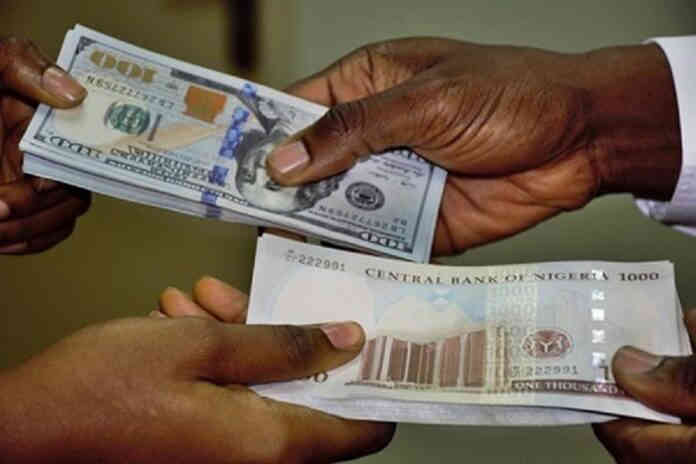
The Nigerian naira experienced further depreciation against the U.S. dollar on Friday, August 21, 2026, as global oil prices stabilised and foreign exchange demand continued to exert pressure on Africa’s largest economy. According to data released by the Central Bank of Nigeria (CBN), the naira trading at ₦1,427.50 per dollar in the official window. Meanwhile, in the parallel market—commonly referred to as the black market—the exchange rate is currently at ₦1,510 per dollar, dealers informed Ejes Gist News.
The widening gap between the official and parallel market rates, now standing at ₦82.50, underscores the persistent strain on the local currency. This disparity is driven by ongoing foreign exchange shortages and elevated import demand, which continue to challenge the stability of the naira.
Official vs. Parallel Market Exchange Rates
The persistent divergence between the CBN’s official rate and the parallel market has fostered a thriving informal foreign exchange ecosystem. Many Nigerians and businesses continue to rely on the parallel market to facilitate essential imports and manage remittances, where access to dollars at the official rate remains constrained.
| Market Type | Exchange Rate (₦/$) | Change vs. Previous Day |
|---|---|---|
| CBN Official | 1,427.50 | +0.50 |
| Parallel Market | 1,510.00 | +5.00 |
Dealers attributed the ₦5 increase in the parallel market to heightened demand for dollars ahead of the weekend, as market participants sought to secure foreign currency for transactions.
Key Factors Behind the Naira’s Volatility
The naira’s recent fluctuations are the result of multiple interconnected economic pressures. Oil prices, Nigeria’s primary export commodity, have hovered between $78 and $82 per barrel throughout August 2026, providing only limited support to the country’s foreign exchange reserves. Despite this, the impact on the naira has been muted due to structural challenges in the foreign exchange market.
The CBN’s recent policy reforms, including the adoption of a ‘willing buyer, willing seller’ model in the Investors’ & Exporters’ (I&E) window, have yet to significantly narrow the gap between official and parallel market rates, according to market analysts. Persistent inflation, which stood at 33.4% year-on-year as of July 2026, continues to erode purchasing power and intensify demand for stable foreign currencies such as the U.S. dollar.
Remittances and Foreign Capital Flows
Remittances from the Nigerian diaspora, a vital source of foreign exchange, have shown signs of recovery but remain below pre-2020 levels. The CBN’s Naira4Dollar scheme, which provides incentives for remittances, has yielded modest results, with monthly inflows averaging $1.2 billion in the first half of 2026. However, this figure falls short of the levels required to substantially ease forex pressures.
Also Read : Tinubu’s Drug Trafficking Records: US Court Gives Ultimatum to Pirro’s Attorney
Foreign portfolio investors have adopted a more cautious approach, citing concerns over policy uncertainty and regulatory risks, particularly in key sectors such as oil and gas. This reduced appetite for Nigerian assets has further limited the inflow of foreign capital, exacerbating the pressure on the naira.
Market Outlook and Analyst Projections
Analysts at the Financial Derivatives Company (FDC) have projected that the naira could weaken further to between ₦1,450 and ₦1,470 per dollar in the official market by the end of August 2026. This forecast assumes no significant intervention by the CBN to increase dollar supply or implement more robust economic reforms.
‘The current exchange rate dynamics are unsustainable,’ said Bismarck Rewane, CEO of FDC. ‘Without a clear strategy to boost liquidity and restore confidence, the naira will continue to face depreciation pressures.’
The Monetary Policy Committee (MPC) of the CBN is scheduled to convene on September 22–23, 2026, where potential adjustments to interest rates or foreign exchange policies may be deliberated to address the ongoing challenges.
Economic Impact on Businesses and Households
For Nigerian importers, the weaker naira has translated into higher costs for essential goods, including food, electronics, and pharmaceuticals—many of which are priced in dollars. Small and medium-sized enterprises (SMEs) are particularly affected, with some reporting delays in accessing foreign exchange at the official rate, thereby disrupting supply chains and increasing operational costs.
Consumers have also borne the brunt of the currency depreciation, with the National Bureau of Statistics (NBS) reporting that prices of imported goods have risen by an average of 12–15% over the past six months. This inflationary pressure has led to a slowdown in consumer spending, as households prioritise essential purchases over discretionary items.
‘We are seeing a slowdown in consumer spending,’ said Olamide Adeyemi, a Lagos-based economist. ‘Households are prioritising essentials, and discretionary spending has dropped significantly.’
Government Measures and Policy Responses
The Nigerian government has reiterated its commitment to stabilising the naira, with the Minister of Finance announcing plans to expand non-oil exports and attract greater foreign direct investment (FDI). In July 2026, the government introduced the ‘Nigeria Agro-Export Expansion Initiative’, designed to boost earnings from agricultural products such as cocoa, cashew, and sesame seeds. However, the tangible effects of these initiatives have yet to materialise in the foreign exchange market.
The CBN has also intensified its issuance of naira-denominated bonds aimed at absorbing excess liquidity. Yet, analysts contend that these measures are insufficient without broader macroeconomic adjustments to restore stability and confidence in the currency.
Ejes Gist News stands for truth, responsible journalism, editorial integrity and fearless accountability.
You May Also Like
Trending Now