President Tinubu Directs Redirect of Recovered Loot and Unclaimed Dividends to NELFUND
President Tinubu Directs Redirect of Recovered Loot and Unclaimed Dividends to Nigerian Education Loan Fund (NELFUND)
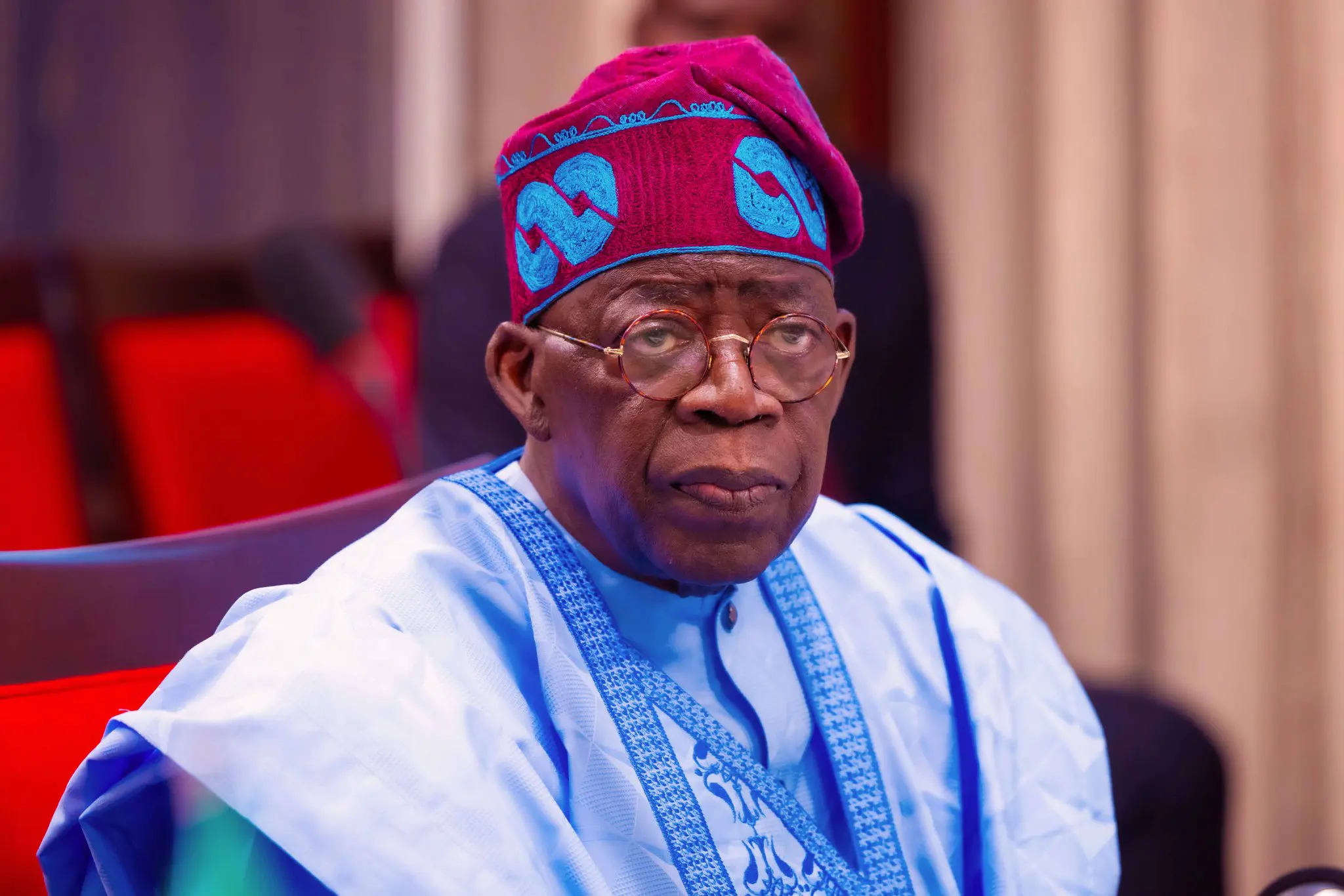
President Bola Ahmed Tinubu has issued a directive mandating that all legally cleared funds recovered by the Economic and Financial Crimes Commission (EFCC) be transferred to the Nigerian Education Loan Fund (NELFUND). The move is aimed at bolstering the financing of tertiary education across Nigeria. This decision was disclosed by the Minister of Education, Dr. Tunji Alausa, during a press briefing at the conclusion of the fourth meeting of the Federal Executive Council (FEC) in 2026, held at the State House in Abuja.
In addition to the recovered loot, the President also directed that funds held in the Unclaimed Dividends Trust Fund and the Dormant Accounts Trust Fund be mobilised for NELFUND. However, Alausa clarified that this directive applies exclusively to liquid funds that have been legally recovered and are no longer subject to litigation. He emphasised that seized properties would not be included in the transfer.
Also Read : NELFUND Student Loan Disbursement Begins: See How to Apply
The Minister explained that the President’s directive was a strategic move to strengthen NELFUND’s financial sustainability, particularly as demand for student loans continues to rise. He noted that over 1.2 million Nigerian students are currently benefiting from the scheme, with more than N93 billion disbursed as upkeep allowances to students in federal and state-owned public institutions. Additionally, over N250 billion has been disbursed as institutional fees to public tertiary institutions nationwide.
Alausa underscored the President’s commitment to education, stating that the administration views education as one of the most productive uses for recovered public funds. He highlighted the administration’s ambition to grow Nigeria’s economy to a $1 trillion threshold, which necessitates building a robust human capital base. The Minister described the student loan programme as a fulfilment of one of the President’s campaign promises to broaden access to tertiary education, regardless of students’ financial backgrounds.
To facilitate the transfer of funds, the President directed the Attorney General of the Federation and Minister of Justice, the Minister of Finance, the Ministry of Education, the Debt Management Office (DMO), and other relevant agencies to develop the legal and operational framework for the transaction. The Attorney General has been tasked with working alongside the EFCC Chairman to identify recovered funds that are legally available for transfer.
Alausa reiterated the President’s emphasis on legality, stating:
“The President was very clear, not seized properties, all recovered looted funds, liquid funds, recovered by the EFCC will now be transferred to NELFUND.”
He further clarified that only funds free from legal challenges would be affected by the directive, adding:
“Every single fund that is still subject to a legal challenge will not be part of the money that will be transferred to NELFUND. The funds that will be transferred will be all cleared funds, unencumbered funds that were looted, funds that legally belonged to Nigeria, to Nigerians.”
The Minister also revealed that the government would review existing legislation governing the Unclaimed Dividends Trust Fund and the Dormant Accounts Trust Fund to determine the appropriate legal steps required to make these resources available to NELFUND. He stressed that the administration is prioritising education as a critical investment in the nation’s future, stating:
“The education of our children cannot wait; it is of utmost importance to him (President), and he will do anything and everything to protect the future of every single Nigerian child, every single Nigerian student.”
Federal Government Approves N118.31 Billion for Completion of National Library of Nigeria Headquarters
The Federal Executive Council (FEC) has approved an augmentation of approximately N118.31 billion for the completion of the long-abandoned National Library of Nigeria headquarters complex in Abuja. An additional N37 billion has been approved for the furnishing of the facility. The project, which commenced on April 29, 2006, was originally scheduled for completion within two years but has remained abandoned since work halted in October 2008.
Minister of Education Dr. Tunji Alausa disclosed that President Tinubu had directed the Ministry of Education to mobilise resources to revive the project, including funding sourced through the Tertiary Education Trust Fund (TETFund). Alausa also acknowledged the contribution of the First Lady, Senator Oluremi Tinubu, who had requested that gifts received on her birthday be directed towards the completion of the National Library. This initiative raised approximately N25 billion for the project.
Alausa announced that the Council had approved the augmentation of the existing contract for the completion of the construction of the National Library of Nigeria headquarters building complex in Abuja. He expressed hope that construction would resume within the next few months. The Minister stated:
“The council today approved the augmentation of existing contract for the completion of the construction of National Library of Nigeria headquarters building complex in Abuja.”
The revival of the National Library project aligns with the administration’s broader efforts to invest in critical national infrastructure and enhance access to educational resources. The project is expected to provide a modern and befitting facility for Nigerians, particularly students and researchers, in the Federal Capital Territory.
FEC Establishes Nigerian Academy for the Gifted and Talented
In a significant development, the Federal Executive Council (FEC) has approved the establishment of the Nigerian Academy for the Gifted and Talented, which will emerge from the transformation of the existing Suleja Academy. The Suleja Academy was originally established to identify and nurture exceptionally gifted Nigerian children but had, over the years, operated more like one of the Federal Government Colleges, limiting its ability to fulfil its original mandate.
Under the proposed arrangement, the institution will become an autonomous academy with its own governing structure and diversified sources of funding, including federal appropriation, endowments, and gifts. The academy will be tasked with identifying gifted children across the country and providing an environment in which their abilities can be developed for innovation and national development.
NELFUND Login Password: How to Change and Reset Password
Alausa explained that the FEC approved the preparation of an executive bill by the Attorney-General of the Federation for transmission to the National Assembly to give legal effect to the transformation. He stated:
“We have to look for every single genius in this country and bring them in, nurture them, and let them help create the Nigeria of tomorrow.”
The establishment of the academy reflects the administration’s commitment to harnessing the potential of Nigeria’s youth and fostering a culture of excellence and innovation. The transformation of Suleja Academy into a dedicated institution for gifted and talented students is expected to provide a platform for nurturing the next generation of leaders, scientists, and innovators.
Federal Government Moves to Decriminalise Attempted Suicide
The Federal Government has announced plans to decriminalise attempted suicide in Nigeria, as part of a broader effort to shift the country’s response to mental health challenges from punishment to care and support. The Coordinating Minister of Health and Social Welfare, Prof. Ali Pate, disclosed this during a press briefing, revealing that the FEC had approved an amendment to the National Mental Health Act to remove the criminalisation of attempted suicide.
Prof. Pate explained that the move was designed to end the application of colonial-era laws under which individuals who attempted suicide could be arrested and prosecuted, despite often requiring medical and psychological intervention. He noted that the existing legal framework treated people experiencing severe psychological distress as offenders rather than persons in need of care. He stated:
“Within the context of those colonial-era laws, you can arrest them and, in fact, prosecute them for breaking the law. While these are people who are actually ill, it is like getting somebody who has tuberculosis and saying, ‘Why did you have tuberculosis?’
He added:
“So, it is changing the paradigm to one whereby they require care and support if there is an attempted suicide. Hopefully, that will reduce episodes of suicides that are successful or even attempted.”
The Minister highlighted the government’s target of achieving a 15 per cent reduction in suicide cases by 2030. He noted that the proposed amendment followed extensive consultations involving mental health advocates, the Attorney-General’s Office, the Ministry of Justice, the Ministry of Health and Social Welfare, and a task force established to address the issue. He stated:
“After extensive deliberation, including by mental health advocates, there was consensus to actually make this amendment.”
Prof. Pate emphasised that the amendment, having received FEC approval, would now be transmitted to the National Assembly for legislative action. The reform is intended to address the inconsistency between the criminal justice framework and the National Mental Health Act, 2021, which provides for supportive care, protection, and treatment for people at risk of self-harm.
The Minister cited data from the World Health Organisation (WHO), which estimates that suicide accounts for more than 7,000 deaths annually in Nigeria, with approximately 300,000 suicide attempts recorded each year. He added that more than 450,000 Nigerians require psychosocial support annually, underscoring the need for a public health response rather than criminal sanctions. He stated:
“With the Attorney General’s Office, Ministry of Justice, ourselves and the task force that was set up, and with the support of the National Assembly, we think this bill will make a major difference from a public health perspective and help us deal with the burden of mental ill health that afflicts many Nigerians.”
FEC Approves Major Investments in Health Infrastructure
The Federal Executive Council (FEC) has approved a series of unprecedented investments in health infrastructure, including a dramatic overhaul of the National Hospital, Abuja, and the development of a flagship National Institute for Cancer Research and Treatment (NICRAT) facility. These approvals reflect the administration’s commitment to reversing years of neglect in the health sector and addressing the country’s critical healthcare needs.
Prof. Ali Pate, the Coordinating Minister of Health and Social Welfare, disclosed that the FEC had approved the construction of a new administrative and management block at the National Hospital at a cost of approximately N18.74 billion, awarded to Visible Construction Limited. Additionally, the Council approved the construction of modular clinics and theatres for different medical specialties at the hospital at a cost of about N64.92 billion.
Prof. Pate explained that the investment was necessary because much of the National Hospital’s existing infrastructure had become outdated and was no longer befitting of a major national referral institution in the Federal Capital Territory. He stated:
“We need a modern National Hospital here in Abuja, where Nigerians from all over the country can be served, but also folks here in Abuja and the Federal Capital Territory can have a befitting place to receive the services.”
The Council further approved the construction of a high-end wing at the National Hospital at a cost of N103 billion, with a completion period of 24 months. Another N69 billion contract was approved for the construction of a Neuroscience Institute at the hospital. The Neuroscience Institute will provide dedicated infrastructure for neurosurgical, radiological, interventional, and rehabilitative services required by patients suffering from strokes, brain tumours, and other conditions affecting the brain and nervous system.
Prof. Pate emphasised that the scale of the investment reflected the administration’s determination to reverse years of inadequate funding of healthcare infrastructure. He stated:
“Ultimately, quality healthcare is not cheap. To have the healthcare system we need, Nigeria has to invest in it.”
He added that the cumulative investment approved for the National Hospital by the Tinubu administration represents an unprecedented intervention compared with what had been invested in the institution over much of its existence. The Minister described the investments as a leap forward in addressing Nigeria’s historical underinvestment in health infrastructure, stating:
“This is unprecedented because, to be honest, Nigeria has not invested significantly or seriously in health infrastructure.”
He noted that while the government routinely committed hundreds of billions of naira to road infrastructure due to its importance to economic growth, comparable investments in health had historically been lacking. He stated:
“If you look at roads, there are hundreds of billions that are being awarded every day for roads, and they are very necessary for the economic growth of this country. But when it comes to investing in health, we’re not used to those major investments.”
Prof. Pate attributed the historical neglect of the health sector at both federal and state levels partly to inadequate government revenue. He stated:
“When we did not have the revenue, health had oftentimes been neglected, both by the federal government as well as states.”
He added:
“When you go to primary healthcare centres or general hospitals, you tended to see decrepit infrastructure and no equipment. But these are things that we have to fix as a people.”
The Minister assured that the Federal Government was committed to ensuring that approved resources were effectively deployed to transform the National Hospital and deliver a befitting cancer treatment and research centre at NICRAT. He stated:
“So now we are on that path, and so long as the resources are available, our goal is to ensure that they are executed, and that Nigerians can be able to see the transformation of the National Hospital as well as a befitting cancer centre here at NICRAT.”
National Institute for Cancer Research and Treatment to Receive N302.3 Billion Investment
In addition to the investments in the National Hospital, the FEC approved the development of a flagship National Institute for Cancer Research and Treatment (NICRAT) facility. The project is part of the government’s efforts to expand cancer research, treatment, innovation, and capacity building in Nigeria. Prof. Pate recalled that the President had earlier approved the development and upgrading of world-class cancer centres, with three facilities in Katsina, Benin, and Enugu already completed.
The latest approval will establish a major national institution dedicated to cancer research and treatment under NICRAT. The Council approved the design, construction, furnishing, equipping, supervision, and commissioning of the centre at a cost of approximately N302.3 billion, with a completion period of 36 months. The contract was awarded to CBC Global Civil and Building Construction Nigeria Limited.
Prof. Pate disclosed that appropriations for the project had been provided through the 2025 and 2026 budgets, while the procurement processes for both the cancer institute and National Hospital projects went through the Bureau of Public Procurement (BPP). He assured that the processes remained open to scrutiny and followed due process, stating:
“They looked at companies that have the capability for specialised construction of hospital and health infrastructure that can be able to do it within the timeframe allotted.”
The Minister described the investments as a critical step in addressing Nigeria’s historical underinvestment in health infrastructure, stating:
“Now we’re beginning to change that, and thanks to Mr President, as you hear from the Minister of Finance, as our economy continues to grow and as revenue continues to grow, inevitably we need to be spending more on health.”
He added that the government was now committed to ensuring that approved resources were effectively deployed to transform healthcare delivery in the country, particularly in the areas of cancer treatment and research.
Federal Government Approves Revised National Biotechnology Policy 2026
The Federal Executive Council (FEC) has approved the adoption and implementation of the Revised National Biotechnology Policy 2026 as the national framework for the development, application, regulation, and commercialisation of biotechnology in Nigeria. The Minister of Innovation, Science and Technology, Mr. Kingsley Udeh, disclosed this during a briefing, stating that the policy aims to position Nigeria to harness opportunities presented by the global bio-economy.
Mr. Udeh explained that the policy was approved to enable Nigeria to become a member of the Global Bioenergy Partnership by signing the attached Global Bioenergy Partnership Terms of Reference. The Council also approved designating the Energy Commission of Nigeria as the lead implementing agency for the Nigeria Bioenergy Partnership. Additionally, the Council approved periodic reporting on implementation progress through the Ministry of Innovation, Science and Technology as the coordinating ministry.
The Minister highlighted that the policy was designed to enhance national competitiveness, attract investment, strengthen food and nutrition security, and accelerate sustainable economic growth. He stated:
“Implementing the revised National Biotechnology Policy 2026 will position Nigeria to harness opportunities presented by the global bio-economy, enhance national competitiveness, attract investment, strengthen food and nutrition security, and accelerate sustainable economic growth.”
The adoption of the policy reflects the administration’s commitment to leveraging science, technology, and innovation to drive economic development and address critical national challenges, including food security and climate change.
FEC Approves Forensic Audit of Federal Government Payroll Systems
The Federal Executive Council (FEC) has approved a comprehensive forensic audit of the Federal Government’s payroll, accounting, and administrative systems. The move is part of a fresh drive to uncover ghost workers, fake government agencies, and other forms of payroll fraud. The decision follows revelations that approximately N9.5 trillion had been allocated to incremental salary and allowance payments, a figure the Federal Government described as significant enough to warrant a thorough review of the systems through which personnel and wage-related expenditures are processed.
The Minister of Finance and Coordinating Minister of the Economy, Mr. Taiwo Oyedele, disclosed this during a press briefing, stating that a major component of the exercise would be a comprehensive review of the Integrated Personnel and Payroll Information System (IPPIS) to identify ghost workers, fraudulent personnel records, and other irregularities. The objective, he explained, was to ensure that government salaries and allowances were paid only to legitimate civil servants while protecting public funds from leakages.
Mr. Oyedele noted that the government’s wage bill had come under increased scrutiny due to the scale of resources committed to salaries and allowances. He stated:
“Eliminating fraudulent personnel and tightening payroll controls will help reduce unnecessary financial pressures, improve fiscal management, and ensure that public resources are deployed to genuine government functions.”
The Minister also disclosed that the Council considered a serious administrative and security breach involving the creation of fake agencies within the federal government. He revealed that unauthorised individuals had succeeded in creating a fraudulent entity that obtained both administrative and Treasury Single Account (TSA) codes, although no funds were eventually disbursed to the fake agency. The Minister described the incident as a collective failure of government systems, noting that it exposed vulnerabilities in both administrative and accounting processes.
He stated that the development came to light following an investigation by the Independent Corrupt Practices and Other Related Offences Commission (ICPC), which submitted its findings to President Tinubu. According to Mr. Oyedele, the ICPC investigation showed that the fraud went beyond a purported presidential welfare system, with the existence of a fake Presidential Foreign Intervention Promotion Council and other fictitious agencies also uncovered.
He said the findings prompted the President to direct the Attorney-General of the Federation and Minister of Justice, in collaboration with the Minister of Finance, to engage professional audit firms to conduct a forensic evaluation of the affected systems. The exercise aims to identify existing loopholes, establish how unauthorised entities were able to obtain government codes, and recommend measures to prevent a recurrence.
Mr. Oyedele stated:
“The objective is to identify existing lapses, plug vulnerabilities, and prevent future occurrences of such national embarrassments by strengthening oversight across all governmental institutions.”
He stressed that the fact that the fake entities had obtained official administrative and TSA codes, even without receiving government funds, represented a major vulnerability that could not be ignored. The Minister added:
“There is a concern that these systemic vulnerabilities may have existed for longer than the current administration’s tenure.”
He assured that the government would allow the forensic audit to establish the full extent of the lapses and determine appropriate corrective measures. The exercise is expected to complement ongoing efforts to clean up the Federal Government’s payroll, strengthen accountability, and ensure that only legitimate personnel and properly constituted government institutions have access to official administrative and financial systems.
Ejes Gist News stands for truth, responsible journalism, editorial integrity and fearless accountability.
You May Also Like
Trending Now