
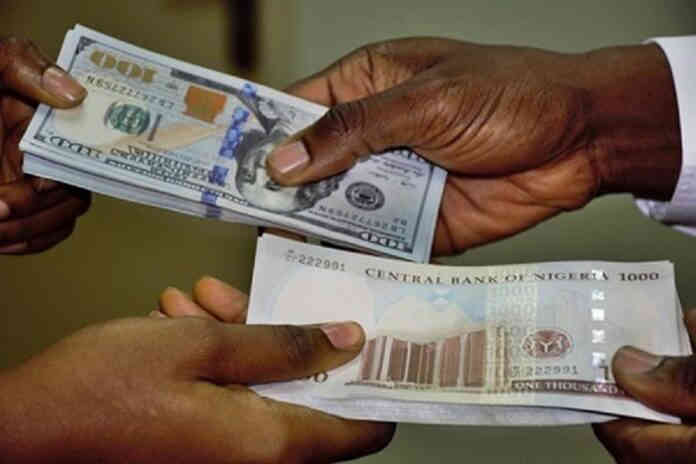
Dollar to Naira: CBN, Black Market Rates — May 12, 2026
Black Market Dollar to Naira Trades Steady as Forex Reserves Surge to $46.7bn
Abuja/Lagos – The Nigerian naira traded within a stable range against the United States dollar on Tuesday, May 12, 2026, as sustained foreign exchange interventions and rising reserves helped maintain relative calm across both the official and parallel markets.
Findings by Ejes Gist News across financial markets show that the gap between the official Central Bank of Nigeria (CBN) rate and the black market rate remained narrow, a development seen as positive for the local currency ahead of the 2027 election cycle.
Official CBN (NFEM) Rate
According to data from the CBN’s exchange rate portal, the naira traded at an average of ₦1,361.4 per dollar in the official Nigerian Foreign Exchange Market (NFEM) on Tuesday.
Trading data showed that the dollar fluctuated within the following range in the official window:
| Metric | Exchange Rate |
|---|---|
| Highest Rate | ₦1,366 |
| Lowest Rate | ₦1,355 |
| Average/Closing | ≈ ₦1,361–₦1,362 |
The CBN does not officially publish real-time black market rates but maintains that Nigerians should conduct foreign exchange transactions through authorised banking channels.
The NFEM rate (Volume Weighted Average) remains the country’s official exchange rate, used for government transactions and corporate settlements.
Black Market (Parallel Market) Rate
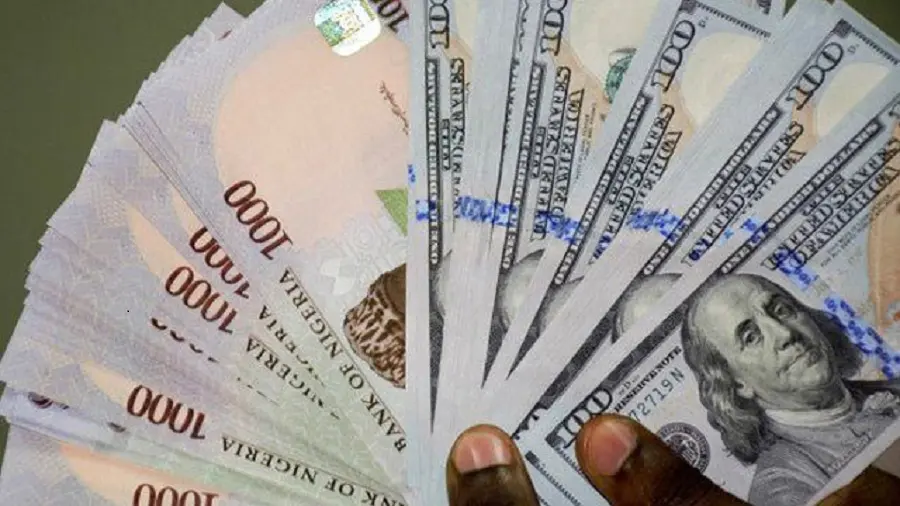
In the parallel market — commonly referred to as the black market or Aboki FX — Bureau De Change (BDC) operators in Lagos and Abuja quoted the dollar at higher rates, although the margin between official and unofficial rates remained relatively narrow.
As of Tuesday, May 12, 2026, the black market rates were as follows:
| Transaction | Exchange Rate |
|---|---|
| Buying Rate | ₦1,385 |
| Selling Rate | ₦1,395 – ₦1,405 |
Sources confirmed that in the Lagos parallel market, the dollar was bought at approximately ₦1,385 and sold at ₦1,395. However, depending on location and transaction volume, some BDC operators in Abuja quoted selling prices as high as ₦1,405.
Note to readers: The CBN does not recognise parallel market transactions. These rates are provided for informational purposes based on reports from BDC operators.
Market Drivers: Why the Naira Is Holding Firm
Despite the pressure typically associated with a pre-election period, the naira has shown relative resilience. The following factors are influencing the market:
1. Forex Reserves Rise to $46.7bn
Nigeria’s foreign exchange reserves climbed to $46.7 billion. The increase, attributed to recent CBN reforms and improved oil revenue management, has boosted market confidence and strengthened the apex bank’s capacity to support the currency.
2. Aggressive CBN Tightening Through OMO Sales
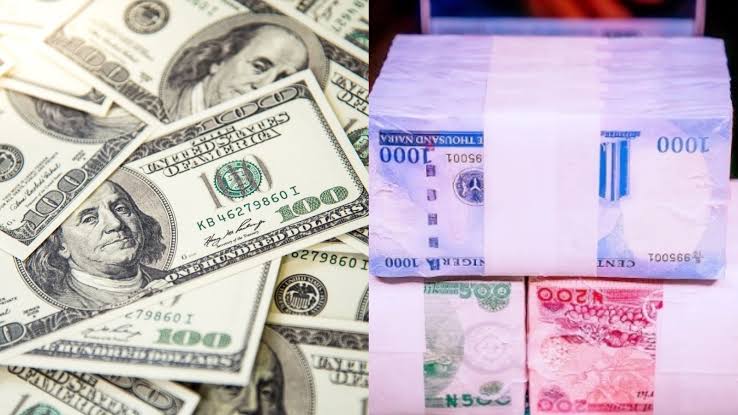
In a move aimed at reducing excess liquidity that could fuel inflation and currency speculation ahead of the 2027 elections, the CBN increased Open Market Operations (OMO) sales. Within the first four months of 2026, OMO sales reportedly reached N30.12 trillion, helping to absorb surplus naira in the financial system.
3. Improved NFEM Turnover
Total turnover at the NFEM increased significantly, with daily volumes occasionally reaching $772 million. Higher liquidity in the official market reduces pressure on businesses seeking dollars from the more expensive parallel market.
Recommended for you
- Dollar to Naira: CBN, Black Market Rates & Why It’s Moving Now — May 7, 2026
- Dollar to Naira Exchange Rate Today — May 6, 2026
- Dollar to Naira Exchange Rate Today — April 27, 2026
Analyst Verdict
Financial analysts stated that the narrow gap between the official rate (≈₦1,361) and the parallel market rate (≈₦1,395) reflects the impact of the CBN’s exchange rate convergence policy.
“The relatively narrow gap reflects improved liquidity in the formal forex window and continued efforts by the Central Bank of Nigeria to stabilise the naira,” market analysts told Vanguard.
However, Ejes Gist News gathered that demand pressure from importers, manufacturers, and parents paying school fees abroad continues to sustain activity in the parallel market.
Market Snapshot
| Currency | Exchange Rate |
|---|---|
| Official CBN Rate (Avg) | ≈ ₦1,361/$ |
| Black Market Buying | ≈ ₦1,385/$ |
| Black Market Selling | ≈ ₦1,395–₦1,405/$ |
| Forex Reserves | $46.7 Billion |
Implication: Nigerians receiving remittances or carrying out official transactions are more likely to use the CBN-backed rate, while those seeking cash dollars for travel, medical expenses, or school fees may still rely on the parallel market.
Ejes Gist News will continue to monitor developments in the foreign exchange market and provide daily updates on the dollar-to-naira exchange rate.
You May Also Like
Trending Now