
Cardiac Arrest: Signs You Should Never Overlook
Three Warning Signs of Cardiac Arrest You Should Not Ignore
For a great many people, cardiac arrest is the condition that ultimately ends their life.
It is also one of the hardest emergencies to confront, given that most of those who suffer sudden cardiac arrest do not pull through. Because the event involves the heart ceasing to function, the odds of survival are generally low.
Yet, as with any other danger a person may face, being alert enough to recognise the most significant early signs of this deadly event could raise the chances of coming through it alive.
Read as well: 20 Health Benefits of Mustard Seeds to Human
In this piece on ejesgist.ng, we examine several markers of cardiac arrest that must never be dismissed.
1) Chest pain
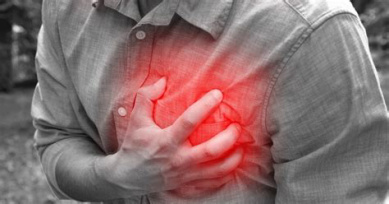
Cardiac arrest occurs when the heart’s electrical activity is suddenly disrupted, leaving the person unconscious. Anyone who develops chest pain that is not normal for them should therefore be on guard.
Chest discomfort is among the earliest signals that cardiac arrest is on the way. Where unexplained pain in the chest appears without warning, the right step is to reach a hospital quickly for assessment and any treatment that may be required.
2) Trouble with breathing
This is sometimes described as being unable to catch one’s breath. Something is wrong when breathing becomes steadily more difficult in ordinary circumstances — that is, when no other problem connected to your breathing is present.
Once you notice breathlessness with no obvious cause, get to a hospital without delay for examination, since a heart-related attack may be approaching.
Breathlessness counts among the indicators of cardiac arrest, and having it checked promptly serves your own interest.
3) Dizziness, or fainting in certain cases
A person who is close to cardiac arrest may feel a sudden urge to pass out or to lose consciousness.
It is a further sign that the heart is about to stop beating, and it must never be taken lightly, because some people who lost consciousness to cardiac arrest never regained it to see another day.
For anyone with a history of heart trouble, it matters especially that a doctor is consulted once symptoms such as unusual tiredness and lightheadedness begin to show.
Thank you for reading about this silent killer and heart-related condition.
Ejes Gist News stands for truth, responsible journalism, editorial integrity and fearless accountability.
You May Also Like

Trending Now