Month: January 2026

  • SERAP Sues INEC Over Alleged Diversion of ₦55.9bn Election

    SERAP Sues INEC Over Alleged Diversion of ₦55.9bn Election

    The Socio-Economic Rights and Accountability Project (SERAP) has instituted a lawsuit against the Independent National Electoral Commission (INEC) over the alleged failure to properly account for ₦55.9 billion earmarked for the procurement of election materials for Nigeria’s 2019 general elections.


    The legal action follows allegations contained in the annual report of the Auditor-General of the Federation, published in September 2025, which raised multiple queries over INEC’s expenditure during the election period.


    Ejes Gist News reports that the suit was filed last week at the Federal High Court in Abuja.

    Details of the Lawsuit

    The suit, marked FHC/ABJ/CS/38/2026, seeks judicial intervention compelling INEC to provide a full account of the funds allegedly missing or diverted.

    Specifically, SERAP is asking the court to issue an order of mandamus directing the electoral commission to explain the whereabouts of the ₦55.9 billion reportedly allocated for the purchase of smart card readers, ballot papers, result sheets, and other election-related materials used during the 2019 polls.

    In addition, the organisation is requesting an order compelling INEC to publicly disclose the identities of all contractors allegedly paid from the funds.

    Also Read: ADC Breaks Silence on Reports of Governors, Lawmakers Defecting to the Party


    According to SERAP, this disclosure should include “the names of all contractors paid the ₦55.9bn for the procurement of smart card readers, ballot papers, result sheets, and other election materials for the 2019 general elections, as well as the names of their directors and shareholders.”

    Transparency and Electoral Credibility

    SERAP argued that transparency and accountability are indispensable to INEC’s constitutional responsibility to conduct credible elections.

    The organisation maintained that INEC must operate free from corruption to safeguard Nigerians’ right to political participation and ensure public confidence in the electoral process.

    “INEC cannot ensure impartial administration of future elections if these allegations are not satisfactorily addressed, perpetrators are not prosecuted, and the proceeds of corruption are fully recovered,” SERAP stated.

    It further warned that failure to resolve the issues raised by the Auditor-General could undermine the credibility of future elections and weaken trust in democratic institutions.

    Allegations in Auditor-General’s Report

    In court filings prepared by SERAP’s legal team—Kolawole Oluwadare, Kehinde Oyewumi, and Andrew Nwankwo—the organisation cited several specific findings from the Auditor-General’s report.

    According to the filing, the Auditor-General’s 2022 audited report alleged that INEC “irregularly paid” over ₦5.3 billion to a contractor for the supply of smart card readers for the 2019 general elections.

    The report stated that the contract was awarded without prior approval from the Bureau of Public Procurement (BPP) or the Federal Executive Council (FEC), and that the payment was made without documentary evidence of supply.

    INEC reportedly claimed that approval was unnecessary because the procurement fell under national security exemptions. However, the Auditor-General rejected the justification, describing it as inconsistent with the Procurement Act and insisting that a Certificate of No Objection from the BPP was required.

    Payments Without Evidence of Supply

    The Auditor-General’s report further alleged that INEC paid more than ₦4.5 billion to six contractors for the supply of ballot papers and result sheets without documentary evidence of delivery.

    According to the report, there was no proof of advertisement, bid submission, bid evaluation, approvals, or BPP certification. The contractors’ eligibility was also questioned, as INEC reportedly failed to provide tax clearance certificates, pension compliance documents, or evidence of registration with relevant regulatory agencies.

    The Auditor-General expressed concern that the funds “may have been diverted” and recommended their recovery and remittance to the treasury.

    Additional Financial Irregularities

    The report also cited several other financial irregularities, including:

    • Payments of over ₦331 million to contractors under what were described as “doubtful circumstances,” with contradictory supporting documents.
    • A contract for the supply of 25 generating sets in which payment receipts predated the contract award by 12 months.
    • Failure to deduct and remit over ₦2.1 billion in stamp duties from contractor payments between 2018 and 2019.
    • Failure to retire over ₦630 million in cash advances granted to INEC officials, with some officers receiving multiple advances without retiring previous ones.

    In each case, the Auditor-General noted that INEC’s explanations were unsatisfactory and raised concerns that the funds may have been diverted.

    Ballot Printing and Vehicle Procurement

    The Auditor-General also queried contracts worth over ₦41 billion awarded for the printing of ballot papers and result sheets without due process. The report noted that there was no evidence the contractors were qualified, adding that some firms listed were involved in unrelated businesses such as civil engineering, oil and gas, and building material importation.

    Additionally, the report cited the irregular award of a contract valued at over ₦297 million for the supply of four Toyota Land Cruiser vehicles without FEC approval. It noted that market surveys indicated the vehicles did not exceed ₦50 million each at the time, while INEC reportedly paid ₦74 million per unit.

    In all instances, the Auditor-General recommended recovery of the funds and their remittance to the federal treasury.

    Court Proceedings

    No date has been fixed for the hearing of the suit.

  • ADC Breaks Silence on Reports of Governors, Lawmakers Defecting to the Party

    ADC Breaks Silence on Reports of Governors, Lawmakers Defecting to the Party

    The African Democratic Congress (ADC) has dismissed circulating reports claiming that several serving governors and federal lawmakers are preparing to defect to the party ahead of the 2027 general elections.

    The clarification follows widespread speculation on social media suggesting an imminent wave of high-profile defections as part of an emerging opposition realignment.


    Ejes Gist News reports that the party’s leadership has formally distanced itself from the claims, describing them as unverified and unsupported by any official communication.

    Viral Claims Spark Political Speculation

    In recent days, a message widely shared across multiple online platforms alleged that prominent political office holders were finalising plans to join the ADC. The claims further suggested that the purported defections would be unveiled at a major political rally in Abuja.


    The viral list named five sitting governors, including Oyo State Governor Seyi Makinde, Abia State Governor Alex Otti, Adamawa State Governor Ahmadu Fintiri, Bauchi State Governor Bala Mohammed, and the governor of Zamfara State. It also alleged that no fewer than 18 senators and several members of the House of Representatives were involved in the supposed move.

    Also Read: Just In: Fubara Jets out, Meets Tinubu in France Amid Impeachment Plot


    The reports quickly gained traction, fuelling debate about a potential large-scale political realignment ahead of the next general election cycle.

    ADC Denies Knowledge of Planned Defections

    Reacting to the reports, the ADC said it had no official knowledge of any such plans. A senior party official confirmed that the leadership had not received any formal communication from the politicians named in the viral messages.


    Speaking on behalf of the party, the Deputy National Welfare Secretary of the ADC, David Itopa, dismissed the claims, stating that no arrangements had been made for mass defections or a political rally as suggested online.


    “On this matter, we do not have any information,” Itopa said. “However, the party remains open to all well-meaning Nigerians who are interested in contributing to national development.”

    He added that while the ADC continues to receive new members across the country, any significant political movement into the party would follow established procedures and be formally communicated through official channels.

    Party Maintains Open-Door Policy

    The ADC reiterated its commitment to operating as an inclusive political platform, noting that individual politicians are free to join the party at any time. However, it stressed that claims of coordinated defections involving serving governors and lawmakers should not be treated as factual without confirmation from the party leadership.


    Party officials warned that speculative reports could mislead the public and create unnecessary political tension, particularly in an already fluid pre-election environment.

    Attention Shifts to PDP Consultations

    As speculation around the ADC reports subsided, political focus shifted to developments within the Peoples Democratic Party (PDP), which has intensified consultations with key national figures as part of efforts to strengthen internal cohesion and reposition the party ahead of future elections.


    During a televised programme aired midweek, the PDP’s South-South National Chairman, Emmanuel Ogidi, disclosed that the party had begun reaching out to influential Nigerians across political and generational lines.


    According to Ogidi, the consultations are aimed at rebuilding confidence in the PDP and reinforcing its role within Nigeria’s democratic system.

    PDP Engages Key National Figures

    Ogidi confirmed that PDP leaders had already held discussions with former President Olusegun Obasanjo and former military Head of State Ibrahim Babangida.


    He said the outreach was part of a broader strategy to reconnect with individuals considered critical to national political stability and democratic development.

    “We are making the rounds,” Ogidi said. “We have already met with former President Olusegun Obasanjo and former President Ibrahim Babangida. The goal is to show that the PDP is active, organised, and repositioning itself.”

    He also disclosed plans to meet other prominent political figures, including former Anambra State Governor Peter Obi and former Vice President Atiku Abubakar.

    Obi, Atiku, and Opposition Alignments

    Both Peter Obi and Atiku Abubakar maintain longstanding political ties with the PDP. Obi was Atiku’s running mate during the 2019 presidential election before leaving the party and contesting the 2023 polls under the Labour Party platform. He later aligned with a broader opposition coalition involving the ADC.

    Atiku, the PDP’s presidential candidate in the 2023 election, has also been associated with ongoing opposition consultations, further fuelling speculation about possible alliances and realignments ahead of 2027.

    Political Landscape Remains Fluid

    With parties reassessing strategies and holding consultations across political divides, Nigeria’s pre-2027 political environment remains highly fluid. While the ADC has denied knowledge of any mass defections, the sustained interest in opposition coalition-building underscores growing manoeuvring across party lines.


    As discussions continue behind closed doors, analysts note that formal declarations, rather than social media claims, are likely to define the next phase of Nigeria’s evolving political landscape.

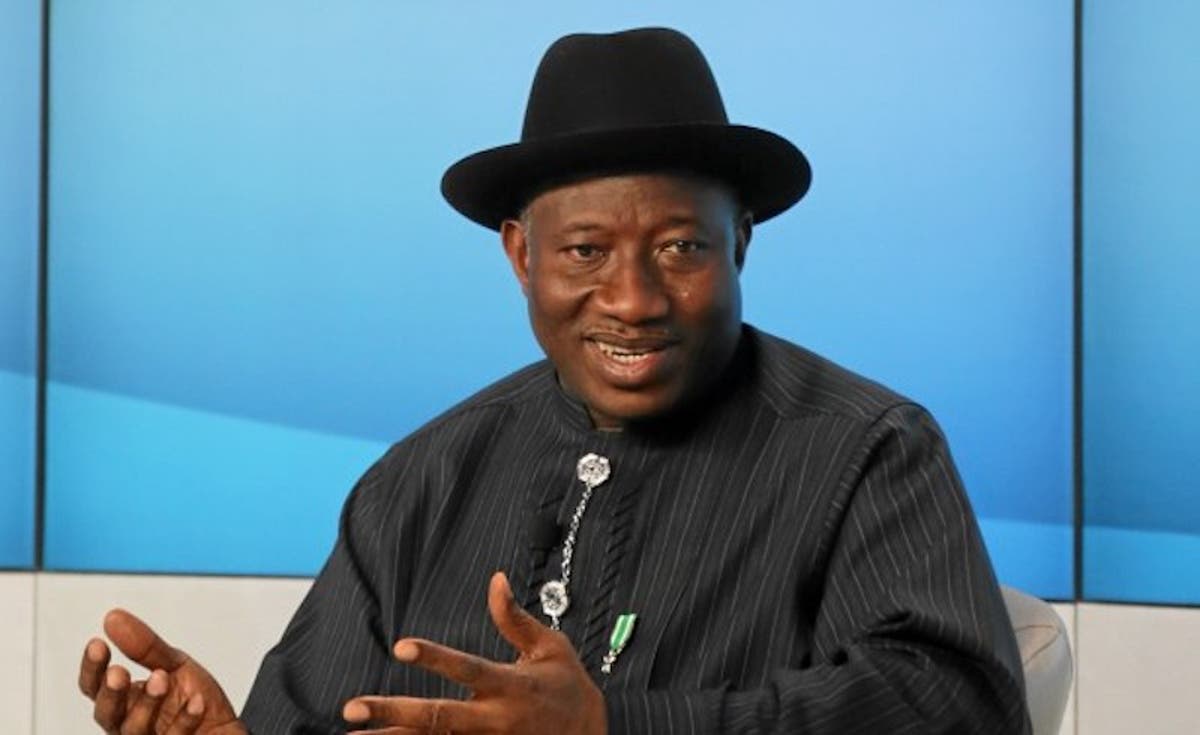
  • EXCLUSIVE: 2027 Politics — Jonathan Weighs ADC Alliance as Associates Reject Calls to Back Tinubu

    EXCLUSIVE: 2027 Politics — Jonathan Weighs ADC Alliance as Associates Reject Calls to Back Tinubu

    As Nigeria gradually moves toward the 2027 general election, quiet realignments among opposition leaders are beginning to shape what could emerge as one of the most consequential political contests since the country’s return to democratic rule in 1999.

    At the centre of these unfolding consultations are former President Goodluck Jonathan, former Vice President Atiku Abubakar, and the African Democratic Congress (ADC), which is increasingly being viewed by opposition power brokers as a possible platform for a broad-based coalition ahead of the next presidential race.


    Ejes Gist News reports that internal disagreements within the emerging opposition bloc—particularly surrounding Atiku’s continued insistence on contesting the presidency—are slowing down formal alignments with the ADC. Multiple sources familiar with the talks say these unresolved issues have prompted several influential figures, including Jonathan, to adopt a wait-and-see approach.

    Also Read: AFCON 2025: Super Eagles Through to Semi-Finals, Set to Face Hosts

    Jonathan and the ADC Calculations

    Jonathan, who lost his re-election bid in 2015 to former President Muhammadu Buhari of the All Progressives Congress (APC), is understood to retain considerable goodwill among influential interests within the ADC. Party insiders say that, should he formally align with the party, he would immediately rank among the most prominent figures associated with its 2027 ambitions.

    However, uncertainty over zoning remains a major stumbling block. Sources say the ADC has yet to make a clear commitment on whether its presidential ticket will be zoned to the South in 2027, a decision many potential entrants consider critical before declaring their intentions.

    Several opposition figures across different geopolitical zones are reportedly holding back, pending clarity on the issue of regional balance. For many of them, zoning is viewed not merely as a political arrangement but as a stabilising convention within Nigeria’s fragile federal structure.

    Jonathan’s Position on the 2027 Presidency

    Sources close to Jonathan, most of whom are aligned with the Peoples Democratic Party (PDP), have remained deliberately cautious in public comments about his next political move. Privately, however, associates say the former president has taken a firm position on one key issue: he is unwilling to support a northern presidential candidate in 2027.

    One insider told Ejes Gist News that Jonathan’s stance is not driven by ethnic or religious considerations, nor by personal animosity toward Atiku or other northern political leaders. Rather, the source said, it is rooted in what Jonathan considers a matter of equity and constitutional balance.

    “President Jonathan believes strongly in fairness and justice,” the source said. “After eight uninterrupted years of northern presidency under Buhari, he feels the South should be allowed to complete its own eight-year cycle, running through 2031. Supporting a northern candidate in 2027 would contradict that principle and undermine the expectations of many in the South.”

    The source added that Jonathan is acutely conscious of how his political choices would be interpreted across the country and is determined to avoid actions that could further inflame regional sensitivities.

    Not a Personal Ambition

    Contrary to speculation, associates insist Jonathan is not fixated on becoming a presidential candidate himself. While he remains constitutionally eligible to contest in 2027—a matter that continues to generate legal debate—those close to him say personal ambition is not his primary motivation.

    Instead, Jonathan is said to be open to supporting any credible southern candidate who emerges through a transparent and broadly acceptable process, whether within the ADC or another opposition platform.

    Among the names reportedly being discussed in private political circles are former Labour Party presidential candidate Peter Obi and former Minister of Transportation Rotimi Amaechi, alongside other potential southern aspirants.

    “He does not believe he must be the candidate,” the source emphasised. “His concern is about balance, justice, and national cohesion, not about returning to power at all costs.”

    Pressure on Atiku Within Opposition Ranks

    Within the evolving opposition framework, pressure is reportedly mounting on Atiku to reconsider his long-standing presidential ambition. Some stakeholders argue that his continued pursuit of the ADC ticket could complicate coalition-building efforts rather than strengthen them.

    Critics within the opposition point to Atiku’s age—he would be over 80 by the time of the 2027 election—as well as the physical and mental demands of the presidency. Others caution that presenting another northern candidate in 2027 could strain the informal North–South power rotation that many believe has helped moderate political tensions over the years.

    Despite these concerns, Atiku has shown no indication of stepping aside. His aides have consistently dismissed reports suggesting a possible change of plans, reinforcing perceptions that the 2027 race has become a deeply personal project.

    Some opposition figures privately fear that this stance may discourage other political heavyweights from fully committing to the ADC-led coalition.

    Waning Confidence in the PDP

    Many political observers had assumed that Jonathan, should he choose to re-enter active partisan politics, would do so through the PDP, the party on whose platform he rose to the presidency. However, associates of the former president say confidence in the party has significantly eroded.

    According to them, years of internal crises, leadership disputes, and unresolved factionalism have weakened the PDP’s organisational capacity.

    One senior PDP figure, speaking privately, described the party as “a vehicle with all four tyres deflated,” warning that relying on it as a viable platform for 2027 could prove futile.

    This growing disillusionment, sources say, is one of the factors prompting Jonathan’s allies to explore alternative platforms such as the ADC.

    Rejection of Calls to Back Tinubu

    Equally significant is Jonathan’s reported refusal to support President Bola Tinubu for a second term in 2027. Sources say some of the appeals urging him to back Tinubu have come from former associates and even kinsmen from the South-South region.

    According to a source close to the former president, supporting Tinubu and the APC would amount to “self-indictment,” given Jonathan’s experience after leaving office in 2015.

    “The same political machinery that branded him clueless and labelled his administration the most corrupt in Nigeria’s history is now seeking his endorsement,” the source said. “Backing the APC would erase the reality of what he went through and validate narratives that were used against him.”

    Ongoing Consultations

    Recent political movements suggest that Jonathan continues to consult widely across party and factional lines. His recent private meeting with a PDP faction led by former Minister of Special Duties Tanimu Turaki has further fuelled speculation about his long-term intentions.

    While Turaki publicly stated that the discussions focused on reconciling the fractured PDP, insiders say the talks may have broader strategic implications.

    Turaki, alongside Bauchi State Governor Bala Mohammed, was among Jonathan’s closest political allies during his presidency, adding another layer of intrigue to the ongoing consultations.

    As deliberations continue behind closed doors, Jonathan’s eventual decision—whether to formally align with the ADC, support a southern consensus candidate, or remain politically neutral—could significantly reshape the 2027 electoral landscape, with far-reaching consequences for both national and state-level contests.

  • AFCON 2025: Super Eagles Through to Semi-Finals, Set to Face Hosts

    AFCON 2025: Super Eagles Through to Semi-Finals, Set to Face Hosts

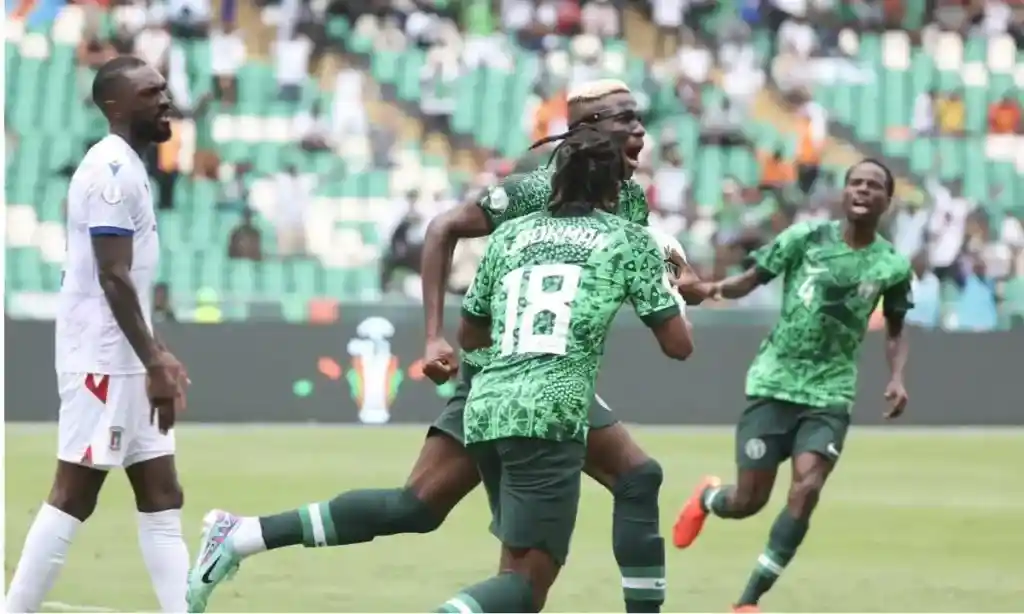
    The Super Eagles of Nigeria delivered a composed and authoritative performance to defeat Algeria 2-0 at the 2025 Africa Cup of Nations (AFCON), securing qualification for the semi-finals of the continental tournament. The result reaffirmed Nigeria’s status as one of Africa’s most consistent footballing powers and underscored the team’s growing tactical maturity under intense knockout-stage pressure.

    Played before a charged stadium atmosphere, the quarter-final encounter pitted two former African champions against each other in what was widely regarded as one of the marquee fixtures of AFCON 2025. Nigeria’s victory not only ended Algeria’s campaign but also booked the Super Eagles a high-stakes semi-final showdown against the host nation.

    This report provides a detailed, fact-based account of the match, key moments, tactical decisions, and the broader implications for Nigeria’s AFCON 2025 campaign.


    Ejes Gist News reports that the performance has further strengthened Nigeria’s reputation as a disciplined, attack-minded side capable of balancing flair with structure at the highest level of African football.


    Match Overview: Nigeria vs Algeria at AFCON 2025

    The quarter-final clash between Nigeria and Algeria was defined by patience, precision, and decisive attacking play in the second half. While the first 45 minutes ended goalless, the Super Eagles emerged after the interval with renewed intensity and sharper execution in the final third.

    Also Read: You Are a Bad Child’ — Wike Blasts Fubara as Rivers Political Crisis Deepens

    Algeria, known for their technical midfield control and quick transitions, attempted to dictate tempo early in the match. Nigeria, however, remained compact defensively, limiting clear-cut chances and forcing Algeria into speculative efforts from distance.

    The breakthrough eventually came shortly after halftime, shifting momentum firmly in Nigeria’s favour and setting the tone for the remainder of the contest.


    First-Half Analysis: Tactical Discipline and Defensive Solidity

    The opening half of the match was a tactical chess game. Both teams showed respect for each other’s attacking capabilities, prioritising defensive organisation over early risk-taking.

    Nigeria’s Defensive Structure

    Nigeria adopted a compact defensive shape, with the back four maintaining disciplined spacing and the midfield shielding central areas effectively. Algeria’s attempts to penetrate through short passing combinations were frequently disrupted by timely interceptions and well-coordinated pressing.

    The Super Eagles’ approach focused on:

    • Limiting Algeria’s playmakers between the lines
    • Forcing wide deliveries instead of central penetrations
    • Maintaining numerical superiority in defensive transitions

    This structure ensured that Algeria struggled to create high-quality scoring opportunities despite enjoying spells of possession.

    Algeria’s Early Pressure

    Algeria started brightly, circulating the ball efficiently and probing Nigeria’s defensive lines. However, their final ball often lacked precision, and Nigeria’s goalkeeper was rarely tested with shots from dangerous areas.

    The first half ended scoreless, reflecting the balance of play and setting the stage for a decisive second period.


    Osimhen Breaks the Deadlock in the 47th Minute

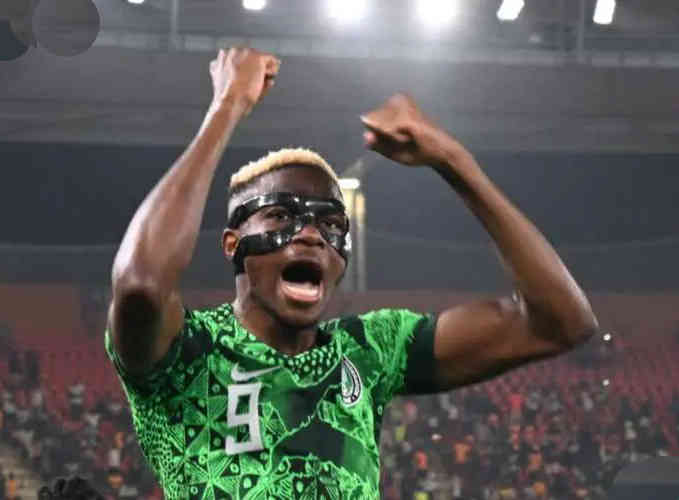
    The turning point of the match arrived just two minutes into the second half through Nigeria’s talismanic striker, Victor Osimhen.

    The Build-Up

    Nigeria began the second half with increased tempo and intent. Ademola Lookman, operating from the flank, provided a crucial moment of quality with a well-weighted cross into the penalty area.

    The Goal

    In the 47th minute, Victor Osimhen rose above the Algerian defence to meet Lookman’s delivery with a powerful header, directing the ball beyond the reach of the goalkeeper.

    Key elements of the goal included:

    • Precise crossing from Ademola Lookman
    • Intelligent movement and timing from Osimhen
    • Clinical execution with a well-placed header

    The goal highlighted Osimhen’s aerial strength and positional awareness, attributes that have consistently made him one of Africa’s most dangerous forwards.


    Tactical Impact of the Opening Goal

    Osimhen’s opener altered the tactical dynamics of the match significantly.

    Shift in Momentum

    Nigeria gained confidence and control following the goal, while Algeria were forced to abandon their cautious approach and commit more players forward.

    Increased Space for Nigeria

    As Algeria pushed higher up the pitch, spaces began to appear in midfield and defensive areas. Nigeria capitalised on these gaps through quick transitions and intelligent off-the-ball movement.

    The Super Eagles’ ability to remain composed after taking the lead was a defining feature of their performance.


    A. Adams Doubles Nigeria’s Lead in the 57th Minute

    Just ten minutes after opening the scoring, Nigeria delivered the decisive blow through A. Adams, capping off a moment of unselfish brilliance from Victor Osimhen.

    The Assist That Defined the Moment

    In the 57th minute, Osimhen found himself in a promising scoring position following a swift attacking move. Rather than attempting a shot under pressure, he demonstrated exceptional awareness by slipping a clean, perfectly timed pass to A. Adams.

    The Finish

    Adams received the ball in stride, calmly dribbled past the goalkeeper, and slotted the ball into the net to make it 2-0.

    The goal stood out for several reasons:

    • Osimhen’s decision-making and vision
    • Adams’ composure in a high-pressure situation
    • The fluidity of Nigeria’s attacking transition

    The sequence epitomised teamwork and maturity, drawing widespread praise from analysts and supporters alike.


    Victor Osimhen’s All-Round Influence

    Beyond his goal and assist, Victor Osimhen’s overall contribution was central to Nigeria’s success.

    Leadership and Work Rate

    Osimhen led the line with intensity, pressing defenders, holding up play, and creating space for teammates. His willingness to track back and support midfield transitions reflected a complete centre-forward performance.

    Statistical Contribution

    While official tournament statistics continue to be compiled, Osimhen’s involvement in both goals reinforced his status as Nigeria’s most influential attacking player at AFCON 2025.

    His decision to pass to Adams instead of forcing a shot was widely interpreted as a sign of leadership and confidence in his teammates.


    Ademola Lookman’s Creative Role

    Ademola Lookman played a pivotal supporting role in Nigeria’s attacking structure.

    Width and Delivery

    Operating from wide areas, Lookman consistently stretched Algeria’s defence, creating one-on-one situations and delivering dangerous balls into the box.

    Assist for the First Goal

    His assist for Osimhen’s header was the product of:

    • Intelligent positioning on the flank
    • Accurate crossing under minimal time
    • Awareness of Osimhen’s movement in the box

    Lookman’s contribution added balance to Nigeria’s attack, ensuring they were not overly reliant on central play.


    Algeria’s Response and Missed Opportunities

    Following Nigeria’s second goal, Algeria attempted to mount a comeback by increasing attacking numbers and introducing fresh legs.

    Tactical Adjustments

    Algeria shifted to a more aggressive formation, pushing full-backs forward and committing midfielders into advanced positions.

    Nigeria’s Defensive Resilience

    Despite Algeria’s urgency, Nigeria’s defence remained composed, dealing effectively with crosses and limiting shots on target.

    The Super Eagles’ ability to manage the game without unnecessary fouls or lapses in concentration proved decisive.


    Key Tactical Themes From the Match

    Several tactical themes emerged from Nigeria’s quarter-final victory.

    Game Management

    Nigeria demonstrated an improved ability to control matches after taking the lead, a quality often associated with tournament-winning teams.

    Balanced Midfield Play

    The midfield unit provided defensive cover while also supporting quick transitions, preventing Algeria from establishing sustained pressure.

    Efficient Finishing

    Nigeria converted two of their clearest chances, underlining the importance of clinical execution in knockout football.


    What the Victory Means for Nigeria at AFCON 2025

    The 2-0 win over Algeria carries significant implications for Nigeria’s AFCON 2025 campaign.

    Semi-Final Qualification

    The result officially confirms Nigeria’s place in the semi-finals, keeping alive hopes of securing another continental title.

    Confidence Boost

    Defeating a high-calibre opponent like Algeria provides a psychological advantage heading into the latter stages of the tournament.

    Momentum Building

    With each round, Nigeria have shown incremental improvement in cohesion, decision-making, and tactical discipline.


    Upcoming Semi-Final Against the Host Nation

    Nigeria’s next challenge will be a semi-final encounter against the tournament’s host country.

    Heightened Pressure

    Facing the host nation brings additional pressure due to crowd support and expectations. However, Nigeria’s experience in high-stakes environments may prove advantageous.

    Tactical Considerations

    Key factors likely to influence the semi-final include:

    • Managing crowd influence and match tempo
    • Maintaining defensive concentration
    • Exploiting transitional opportunities

    Nigeria’s performance against Algeria suggests the team is well-prepared for these challenges.


    Historical Context: Nigeria vs Algeria at AFCON

    Nigeria and Algeria share a long history of competitive encounters at the Africa Cup of Nations.

    Past Meetings

    Both teams have previously faced each other in group stages and knockout rounds, with results often decided by narrow margins.

    Significance of the 2025 Win

    This victory adds another chapter to the rivalry, reinforcing Nigeria’s reputation as a team capable of rising to the occasion in decisive matches.


    Broader Implications for African Football

    The quarter-final showcased the evolving quality of African football.

    Tactical Sophistication

    Both teams demonstrated structured pressing, positional discipline, and modern attacking patterns.

    Individual Excellence Within Team Play

    The match highlighted how individual brilliance, when combined with collective understanding, can determine outcomes at elite level.


    Key Takeaways From Nigeria’s 2-0 Win Over Algeria

    • Victor Osimhen scored the opening goal with a header in the 47th minute
    • Ademola Lookman provided the assist for the first goal
    • A. Adams scored the second goal in the 57th minute following an assist from Osimhen
    • Nigeria displayed strong defensive organisation and efficient attacking play
    • The victory secured Nigeria’s place in the AFCON 2025 semi-finals

    AFCON 2025: Nigeria’s Path Forward

    As the tournament progresses, Nigeria’s blend of experience, youth, and tactical discipline positions the team as a serious contender for the title.

    The Super Eagles’ performance against Algeria will be studied closely by upcoming opponents, particularly the host nation awaiting them in the semi-finals. With momentum on their side and key players delivering at crucial moments, Nigeria’s AFCON 2025 journey continues to attract continental attention.

  • APC Leaders, Tinubu/Shettima Support Groups Demand Sack of Wike at Abuja Rally

    APC Leaders, Tinubu/Shettima Support Groups Demand Sack of Wike at Abuja Rally

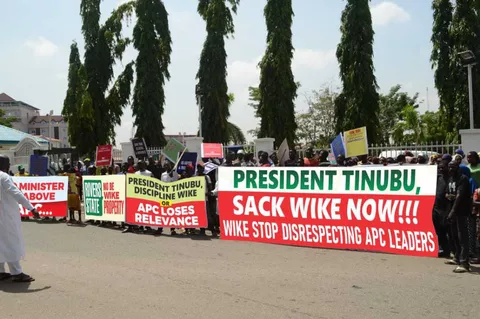
    Leaders and members of Nigeria’s ruling All Progressives Congress (APC), operating under the banners of the APC Leaders Forum (ALF) and the Tinubu/Shettima Solidarity Movement (TSSM), on Wednesday staged a peaceful protest in Abuja, demanding the immediate removal of Nyesom Wike as Minister of the Federal Capital Territory (FCT).

    The rally, which took place near the APC National Secretariat, marks a significant escalation in growing internal tensions within the ruling party.


    Ejes Gist News reports that the protesters said their action was driven by what they described as deep concern for party unity, national security, and the preservation of democratic norms under the Tinubu administration.

    APC Leaders, Tinubu/Shettima Support Groups Demand Sack of Wike at Abuja Rally
    APC Leaders, Tinubu/Shettima Support Groups Demand Sack of Wike at Abuja Rally


    Protest Targets FCT Minister Over Alleged Conduct

    The demonstrators, made up of party leaders, grassroots mobilisers, and pro-government activists, accused the former Rivers State governor of conduct they claimed is incompatible with his position in an APC-led federal government.

    According to the organisers, Wike’s public statements and political actions have crossed acceptable boundaries, creating internal divisions and threatening the cohesion of the ruling party at a critical time.

    They warned that failure to address the situation promptly could weaken the APC’s internal discipline and undermine confidence in the administration’s Renewed Hope Agenda.


    Rally Held Near APC National Secretariat

    The protest was carefully coordinated and described by organisers as peaceful and lawful. Participants converged close to the APC National Secretariat, carrying placards, chanting pro-Tinubu slogans, and displaying banners calling for party discipline and accountability.

    The protesters said the symbolic location was chosen to underscore their loyalty to the APC’s leadership structure and to ensure that their demands reached both the party hierarchy and the presidency.

    Security operatives were present in the area, and the rally proceeded without reported incidents.

    Open Letter Submitted to Party Leadership

    As part of the protest, the groups submitted an open letter and issued a formal press statement addressed to President Bola Ahmed Tinubu. The communication was routed through the APC National Chairman, Professor Nentawe Goshwe Yilwatda.

    In the letter, the groups accused Wike of alleged insubordination, persistent verbal attacks on the APC’s national leadership, and actions they claimed were capable of undermining the authority of the president.

    They described themselves as loyal party members acting in defence of party supremacy and democratic order.

    Allegations of Insubordination and Anti-Party Behaviour

    Central to the protesters’ demands were allegations that Wike has repeatedly acted in ways inconsistent with the expectations of a serving minister in an APC-led government.

    They alleged that:

    • Wike has made public statements attacking APC national officers
    • His utterances have fueled internal party discord
    • His conduct undermines collective responsibility within the federal cabinet
    • His actions weaken the APC’s standing in politically sensitive states

    The groups argued that ministers are expected to demonstrate restraint, loyalty, and respect for party structures, regardless of their personal political history.

    Focus on Alleged Attacks Against APC National Secretary

    A major point of contention raised during the rally was Wike’s alleged verbal attacks on the APC National Secretary, Senator Ajibola Basiru.

    The protesters referenced comments attributed to Wike during a “thank-you tour” of Oyigbo Local Government Area in Rivers State on January 5, 2026. According to them, Wike accused Senator Basiru of interfering in Rivers politics for personal reasons and allegedly warned that anyone who meddled in the state’s affairs would “get their fingers burnt.”

    The rally organisers described the remarks as unprovoked, inflammatory, and disrespectful to the APC’s National Working Committee (NWC).

    They further argued that Wike, whom they noted is not a registered APC member, lacks the moral authority to publicly disparage the party’s elected national officers.

    Rivers Crisis and Alleged Political Destabilisation

    Beyond party-level grievances, the protesters accused the FCT minister of playing a destabilising role in the ongoing political crisis in Rivers State.

    They linked Wike to the prolonged feud between Rivers State Governor Siminalayi Fubara and factions aligned with the former governor, arguing that his continued public criticism of the governor has worsened tensions.

    According to the groups, Wike has allegedly:

    • Mocked Governor Fubara’s leadership
    • Described his emergence as a political “mistake”
    • Suggested the situation would be “corrected” in a future election cycle

    They argued that such statements amount to political sabotage and undermine democratic stability in the state.

    Strategic Importance of Rivers State

    The protesters stressed that Rivers State remains a strategic political and economic hub, particularly for the APC’s long-term electoral ambitions.

    They described the state as a critical battleground whose stability is essential for:

    • National economic security, given its oil and gas resources
    • Regional peace in the Niger Delta
    • The APC’s future electoral prospects

    According to them, internal conflicts and public power struggles risk alienating voters and weakening the party’s influence in the region.

    Alleged Challenge to Presidential Authority

    The rally also highlighted what organisers described as a direct challenge to President Tinubu’s authority.

    They cited an alleged statement attributed to Wike suggesting that “nobody can enter Rivers State,” which the protesters interpreted as implying that the state could be treated as a no-go area.

    The groups warned that such language is dangerous, particularly in a federal system where freedom of movement is constitutionally guaranteed.

    They argued that any suggestion of restricting access to a state amounts to questioning the authority of the president as Commander-in-Chief and threatens national unity.

    Threat of Nationwide Protests

    In a significant escalation, the APC leaders and Tinubu/Shettima support groups warned that the Abuja rally would not be their last action if their demands are ignored.

    They threatened to organise coordinated protests across states and local government areas nationwide until Wike is removed from office.

    According to the organisers, the proposed nationwide mobilisation is intended to:

    • Defend party supremacy
    • Reinforce discipline within the APC
    • Protect President Tinubu’s leadership authority
    • Prevent further political destabilisation

    They maintained that their actions are lawful, peaceful, and rooted in loyalty to the party and the presidency.

    Call for Decisive Presidential Action

    The protesters urged President Tinubu to take decisive action by relieving Wike of his appointment as FCT minister.

    They argued that doing so would send a strong message that no individual is bigger than the party or the nation, regardless of political influence or past contributions.

    According to them, swift intervention would help:

    • De-escalate political tensions
    • Restore confidence among party members
    • Reinforce internal discipline
    • Strengthen the administration’s reform agenda


    Also Read :

    Fubara Jets out, Meets Tinubu in France Amid Impeachment Plot

    Rivers Lawmakers Begin Impeachment Proceedings Against Governor Siminalayi Fubara


    Signatories and Organisers

    The statement issued at the rally was jointly signed by Chief Dr. Emeka Okoro, Dr. Adekunle Balogun, Alhaji Ibrahim Yusuf, and Mallam Abdulkareem Isiaka.

    The signatories reaffirmed their loyalty to President Tinubu, pledged continued support for the Renewed Hope Agenda, and expressed solidarity with the APC national leadership, Senator Ajibola Basiru, and Governor Siminalayi Fubara.

    They described their actions as a principled stand against what they see as growing indiscipline and internal contradictions within the ruling party.

    Official Silence as Tensions Grow

    As of the time of filing this report, neither the Presidency nor the office of the FCT minister had issued an official response to the demands raised at the Abuja rally.

    The development underscores rising internal pressures within the APC and highlights the complex political balancing act facing the Tinubu administration as it seeks to maintain unity while managing competing interests and strong personalities within its ranks.

  • Just In: Fubara Jets out, Meets Tinubu in France Amid Impeachment Plot

    Just In: Fubara Jets out, Meets Tinubu in France Amid Impeachment Plot

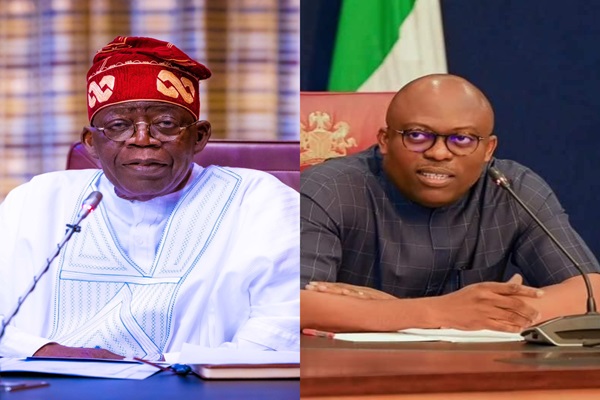
    Rivers State Governor, Sir Siminalayi Fubara, has reportedly held a high-level, private meeting with President Bola Ahmed Tinubu in France, a development that has intensified political discussions surrounding the escalating impeachment process against the governor.

    The meeting occurred at a critical moment, coming shortly after the Rivers State House of Assembly initiated impeachment proceedings against Governor Fubara over allegations of gross misconduct.


    Ejes Gist News reports that multiple political sources independently confirmed the meeting, although neither the Presidency nor the Rivers State Government had issued an official statement as of the time of filing this report.

    Meeting Held Amid Heightened Political Tension

    According to sources familiar with the development, Governor Fubara and President Tinubu met privately while both leaders were in France. Details of the discussion were not disclosed, but the timing of the engagement has fuelled strong speculation that the worsening political crisis in Rivers State featured prominently in their deliberations.


    Also Read: Rivers Lawmakers Begin Impeachment Proceedings Against Governor Siminalayi Fubara

    The reported meeting comes against the backdrop of deepening political instability in the oil-rich state, where relations between the executive arm and the legislature have deteriorated sharply over recent months.

    Impeachment Proceedings Underway

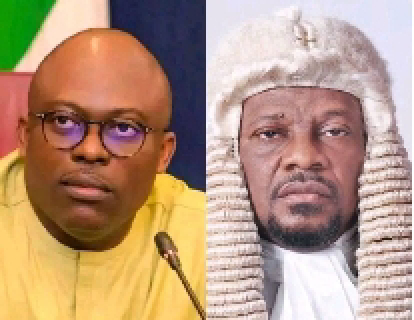
    On Thursday, the Rivers State House of Assembly, led by Speaker Martins Amaewhule, formally announced the commencement of impeachment proceedings against Governor Fubara and his deputy, Professor Ngozi Odu.

    Lawmakers cited alleged constitutional violations and acts of gross misconduct as grounds for the impeachment move. However, specific details of the allegations have not been fully made public.

    The governor’s camp has repeatedly dismissed the accusations, describing them as politically motivated and lacking factual and legal substance.

    Roots of the Rivers Political Crisis

    The impeachment move represents the latest escalation in a prolonged political feud that has engulfed Rivers State since Governor Fubara assumed office in May 2023.

    The crisis has largely been framed as a power struggle between the governor and political forces widely believed to be loyal to his predecessor, Nyesom Wike, the current Minister of the Federal Capital Territory (FCT).

    Since the fallout, the state has witnessed:

    • Legislative standoffs within the House of Assembly
    • Multiple court cases challenging legislative and executive actions
    • Interventions by national political actors and party leaders
    • Heightened political polarisation across the state

    These developments have repeatedly raised concerns about governance stability and constitutional order in Rivers State.

    Fubara’s Position and Public Messaging

    Governor Fubara has consistently maintained that his administration remains focused on governance, peace, and development, despite the political turbulence.

    In several public statements, the governor has urged residents of Rivers State to remain calm, stressing that political disagreements should not undermine democratic institutions or disrupt public order.

    He has also called on political actors to place the interest of the state above personal or factional ambitions.

    Why the Tinubu Meeting Matters

    Political analysts view the reported meeting between Governor Fubara and President Tinubu as potentially significant, given the president’s position as Nigeria’s head of state and national leader of the ruling All Progressives Congress (APC).

    Although Governor Fubara was elected on the platform of the Peoples Democratic Party (PDP), observers note that the president wields considerable influence over national political stability and crisis management, particularly in strategically important states like Rivers.

    Rivers State remains:

    • A major hub for Nigeria’s oil and gas production
    • One of the country’s highest revenue-generating states
    • A critical component of national economic and security planning

    Any prolonged instability in the state is widely seen as having implications beyond its borders.

    Possible Objectives of the France Engagement

    Political observers believe the France meeting may have served multiple purposes.

    Some analysts suggest Governor Fubara may have used the opportunity to:

    • Brief the president directly on the Rivers political crisis
    • Present his perspective on the impeachment proceedings
    • Seek federal intervention to prevent a constitutional breakdown

    Others argue that President Tinubu may be positioning himself as a neutral arbiter, interested primarily in ensuring that constitutional processes are followed and that political tensions do not escalate into violence or institutional collapse.

    Reactions Trail the Reported Meeting

    The reported engagement has generated mixed reactions across political and civil society circles.

    Supporters of Governor Fubara have welcomed the development, describing it as evidence that the governor is engaging constructively with national leadership to safeguard democracy and the electoral mandate given to him by Rivers voters.

    Some civil society organisations have also urged the presidency to ensure that impeachment is not weaponised as a tool for political vendetta, calling for strict adherence to constitutional provisions.

    Conversely, allies of the Rivers State House of Assembly leadership have downplayed the significance of the meeting, insisting that impeachment is a legislative matter strictly within the constitutional powers of the House.

    They argue that no external authority should interfere with what they describe as the lawmakers’ responsibility to hold the executive accountable.

    Silence From Official Channels

    As of press time, neither the Presidency nor the Rivers State Government had released an official statement confirming the details or outcome of the meeting in France.

    However, sources close to the presidency indicated that consultations and behind-the-scenes engagements were ongoing, aimed at de-escalating tensions and exploring political solutions to the crisis.

    A Critical Phase for Rivers State

    With impeachment proceedings now in motion and political tempers running high, Rivers State appears to have entered a decisive phase.

    Attention remains firmly fixed on:

    • The next procedural steps by the Rivers State House of Assembly
    • Possible legal responses from the governor’s camp
    • Any formal intervention or mediation effort from the presidency

    Whether the reported meeting in France will translate into dialogue, compromise, or a pause in the impeachment process remains uncertain. What is clear is that the Rivers political crisis has reached a critical juncture, one that could significantly shape the state’s political trajectory and test Nigeria’s democratic institutions.

  • Rivers Lawmakers Begin Impeachment Proceedings Against Governor Siminalayi Fubara

    Rivers Lawmakers Begin Impeachment Proceedings Against Governor Siminalayi Fubara

    The political crisis in Rivers State escalated further on Wednesday as members of the Rivers State House of Assembly commenced impeachment proceedings against Governor Siminalayi Fubara, deepening weeks of tension between the executive and the legislature.

    The development marks a significant turning point in the prolonged power struggle that has dominated the state’s political landscape since the fallout between Governor Fubara and his predecessor, the Minister of the Federal Capital Territory (FCT), Nyesom Wike.


    Ejes Gist News reports that the impeachment process is being driven by lawmakers loyal to the Speaker of the House, Martin Chike Amaewhule, who is widely identified as a key ally of Wike.

    Impeachment Process Begins at the Assembly

    According to information available at the time of filing this report, the Rivers State House of Assembly formally initiated impeachment procedures during a sitting convened by the Amaewhule-led faction of lawmakers.


    Also Read : You Are a Bad Child’ — Wike Blasts Fubara as Rivers Political Crisis Deepens

    The lawmakers cited alleged misconduct and constitutional breaches as the basis for the action, although the specific grounds for impeachment had not been fully detailed in official communications as of press time.

    Under Nigeria’s 1999 Constitution (as amended), impeachment of a state governor requires:

    • A notice of allegation signed by at least one-third of the members of the House of Assembly
    • Service of the notice on the governor
    • Adoption of the motion by at least two-thirds of the lawmakers
    • Investigation by a panel set up by the state’s Chief Judge

    It remains unclear which of these stages have been formally completed, as proceedings are still ongoing.

    Political Alignments and Defections

    The impeachment move comes amid shifting political allegiances within Rivers State.

    Lawmakers backing the impeachment are aligned with Speaker Martin Chike Amaewhule, who has maintained loyalty to Nyesom Wike following the internal crisis that fractured the Peoples Democratic Party (PDP) in the state.

    There are also claims of recent defections involving key political actors, though official confirmation from party leaderships has not been issued at the time of this report. Nigerian political analysts note that party defections during high-stakes political crises are not unusual and often reflect deeper struggles for control of state structures.

    Role of Nyesom Wike

    Sources at the Assembly complex confirmed that Minister Nyesom Wike was present within the House of Assembly premises while the impeachment process was being initiated.

    While no official role has been announced for the FCT minister in the legislative proceedings, his presence has heightened political tension, given his central role in the Rivers State crisis.

    Wike, a former two-term governor of Rivers State, remains one of the most influential political figures in the state and has been locked in an open confrontation with Governor Fubara over control of political and institutional structures.

    Background: State of Emergency and Suspension

    The impeachment development follows a turbulent period in Rivers State governance marked by federal intervention.

    Recall that a state of emergency was previously declared in Rivers State by President Bola Ahmed Tinubu amid escalating political instability and security concerns. During the emergency period, which lasted six months, the governor was suspended as part of the extraordinary measures aimed at restoring order.

    The state of emergency was later lifted, paving the way for the resumption of normal constitutional governance. However, the lifting of the emergency did not resolve the underlying political conflict, which has continued to manifest through institutional confrontations and legal disputes.

    Implications for Governance in Rivers State

    The initiation of impeachment proceedings introduces fresh uncertainty into governance in Rivers State.

    Observers warn that prolonged political instability could:

    • Disrupt legislative and executive functions
    • Delay budgetary implementation and public projects
    • Undermine investor confidence in a key oil-producing state
    • Deepen political polarisation across local government areas

    Rivers State is one of Nigeria’s most economically strategic states, contributing significantly to national oil output and internally generated revenue. Any disruption to its governance structure carries implications beyond the state itself.

    Legal and Constitutional Questions

    Legal experts note that impeachment is a constitutional process but caution that strict adherence to due process is critical to its validity.

    Past impeachment cases in Nigeria have frequently ended up in court, with outcomes hinging on:

    • Proper service of impeachment notices
    • Compliance with constitutional timelines
    • The legitimacy of lawmakers involved in the process
    • Judicial interpretation of legislative quorum and authority

    Failure to meet constitutional requirements could render the process null and void if challenged.

    Silence from the Governor’s Camp

    As of the time of filing this report, there has been no formal response from Governor Siminalayi Fubara or his media aides regarding the impeachment move.

    Political analysts suggest that the governor’s camp may be weighing legal and strategic options, including possible court action, before issuing a public statement.

    Historically, impeachment threats against Nigerian governors often trigger intense legal battles that test the balance of power between state institutions.

    A Developing Story

    The impeachment proceedings against Governor Fubara remain ongoing, and several critical details are yet to emerge, including the specific allegations, the number of lawmakers involved, and the next procedural steps.

    Ejes Gist News will continue to monitor developments at the Rivers State House of Assembly and provide updates as more verified information becomes available.

  • You Are a Bad Child’ — Wike Blasts Fubara as Rivers Political Crisis Deepens

    You Are a Bad Child’ — Wike Blasts Fubara as Rivers Political Crisis Deepens

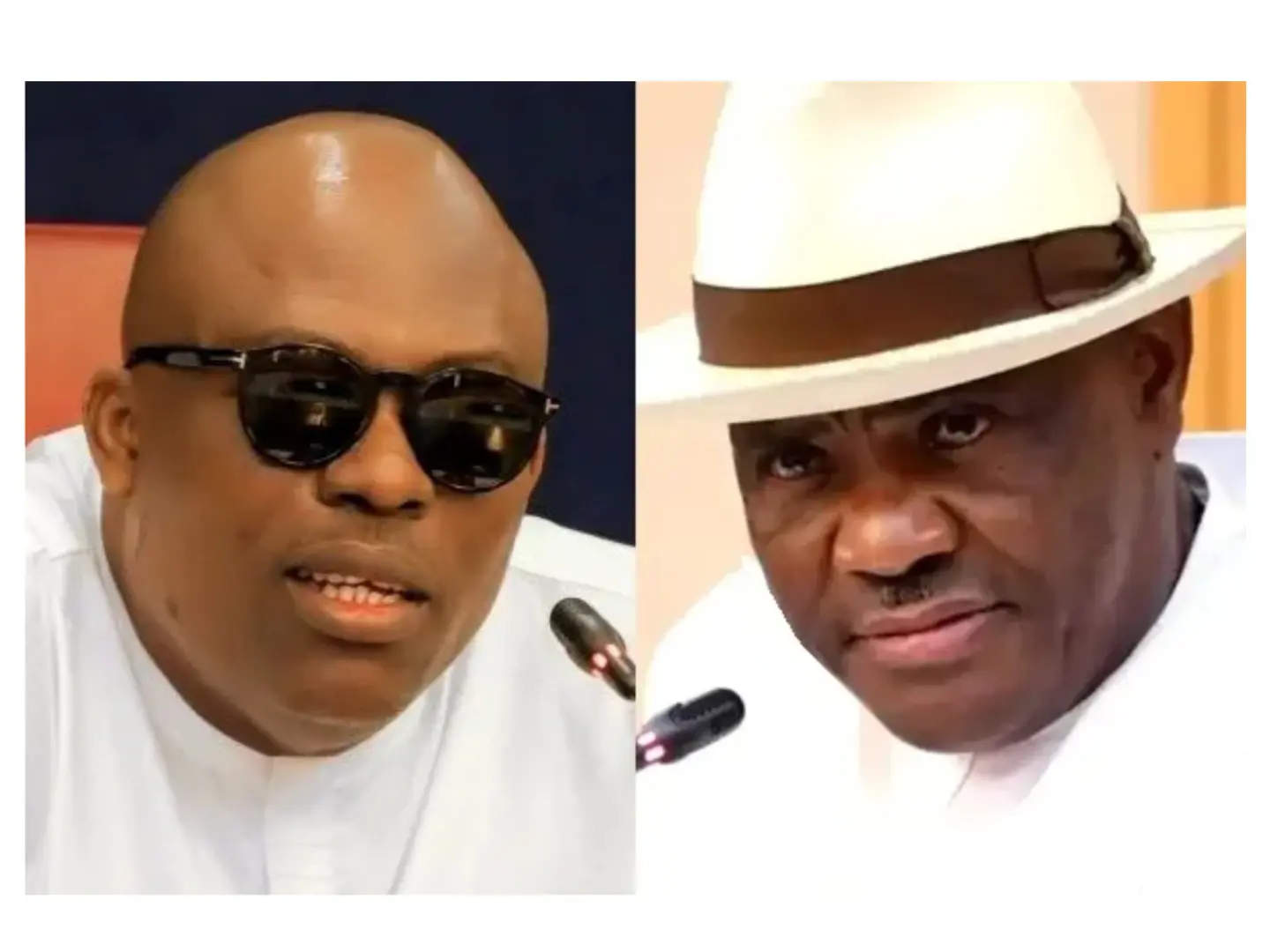
    The political crisis in Rivers State has taken a fresh turn following sharp remarks by the Minister of the Federal Capital Territory (FCT), Nyesom Wike, who publicly described the state governor, Siminalayi Fubara, as “a bad child.” The statement, made during a political gathering in Ahoada East Local Government Area, has intensified an already prolonged power struggle that continues to shape governance, party cohesion, and public administration in the oil-rich state.


    The comments came amid mounting tension between Wike, a former two-term governor of Rivers State, and his successor, Governor Fubara, whose administration has been locked in a sustained political confrontation with forces loyal to the former governor.


    Ejes Gist News reports that Wike used the occasion to accuse Fubara of reversing key policies and projects initiated under his administration, including a large-scale youth employment programme and major road infrastructure projects.


    Also Read : Malami Breaks Silence on Alleged Attempt to Bribe Judge

    The latest exchange highlights deeper structural issues within Rivers State politics, particularly the fragile transition of power, contested political loyalties, and the broader implications for governance and development.

    What Wike Said About Governor Fubara

    Speaking during the “Renewed Hope Family Thank You Visit” held at Ahoada Main Town, Wike criticised Governor Fubara’s leadership approach, accusing him of dismantling foundational programmes established during the previous administration.

    Wike alleged that Fubara cancelled an employment initiative that engaged 10,000 youths across various sectors of the state economy. According to the former governor, the beneficiaries were recruited into roles designed to stimulate economic activity, reduce unemployment, and strengthen public service delivery.

    He asserted that the disengagement of the workers undermined policy continuity and affected thousands of households that had relied on the jobs for economic stability.

    Allegations Over Cancellation of 10,000 Youth Jobs

    One of the central issues raised by Wike was the alleged termination of an employment programme targeting 10,000 young people in Rivers State.

    Key claims made by Wike include:

    • The employment exercise was completed before the end of his tenure as governor.
    • Beneficiaries were deployed across multiple sectors of the state economy.
    • The programme was funded and structured to be sustainable.
    • The Fubara administration allegedly disengaged the workers after assuming office.

    Employment generation has historically been a sensitive policy area in Rivers State, where youth unemployment remains a significant socio-economic challenge. Data from Nigeria’s National Bureau of Statistics (NBS) has consistently identified youth joblessness as a driver of insecurity and economic vulnerability in the Niger Delta region.

    The allegation of mass disengagement, if sustained, raises questions about governance continuity and the political costs of policy reversals.

    Infrastructure Dispute: Ahoada–Omoku and Emohua–Kalabari Roads

    Beyond employment, Wike also criticised Governor Fubara for allegedly taking credit for ongoing road projects that he claimed were substantially funded under his administration.

    The former governor specifically referenced the dualisation of the Ahoada–Omoku Road and the Emohua–Kalabari Road, two major infrastructure corridors linking key economic and administrative zones in Rivers State.

    Wike’s claims on the road projects

    Wike stated that:

    • He initiated the dualisation of the Ahoada Road, which many initially considered impractical.
    • Phase one of the project was completed during his tenure.
    • Phase two, extending to Omoku, was formally flagged off before he left office.
    • Both road projects were awarded to Julius Berger Nigeria Plc, a construction firm with a long history of handling large-scale infrastructure in Nigeria.

    According to Wike, the state government entered into an agreement with Julius Berger that allowed the contractor to receive N4 billion monthly from the state’s internally generated revenue (IGR).

    He further claimed that:

    • The combined cost of the Ahoada–Omoku and Emohua–Kalabari roads was estimated at over N80 billion.
    • At least 70 per cent of the project funding had already been committed before the transition to the Fubara administration.

    Infrastructure development has been a defining feature of Wike’s political brand, both as governor and later as a federal minister. His remarks appear aimed at reinforcing authorship of projects amid competing narratives over credit and accountability.

    The Language of Power: Why the ‘Bad Child’ Comment Matters

    Wike’s description of Governor Fubara as “a bad child” is significant beyond its rhetorical weight. In Nigerian political culture, such language often reflects deeper power dynamics between political godfathers and protégés.

    The phrase underscores:

    • A breakdown in mentor-protégé relationships.
    • A struggle for political independence by a sitting governor.
    • The persistence of informal power structures even after electoral transitions.

    Political analysts note that Rivers State has long been characterised by dominant political figures who exert influence beyond formal office. The public nature of Wike’s comment suggests that reconciliation between both camps remains unlikely in the near term.

    Background: The Roots of the Rivers State Crisis

    The current crisis did not emerge overnight. Tensions between Wike and Fubara began shortly after the latter assumed office as governor.

    Key background factors include:

    • Disputes over control of the Rivers State House of Assembly.
    • Conflicts over party structure and loyalty within the Peoples Democratic Party (PDP).
    • Divergent approaches to governance and political appointments.
    • Allegations of attempts to undermine executive authority.

    These disputes have occasionally escalated into legislative paralysis, legal battles, and intervention by national party leaders.

    Impact on Governance and Public Administration

    The prolonged political standoff has had tangible implications for governance in Rivers State.

    Observed effects include:

    • Delays in legislative processes and budget implementation.
    • Uncertainty surrounding policy direction and administrative continuity.
    • Heightened political polarisation at the local government level.
    • Disruption to public confidence in democratic institutions.

    Governance experts warn that sustained elite conflict often diverts attention from service delivery, particularly in states with complex development needs like Rivers.

    Youth Employment and Political Accountability

    The allegation surrounding the disengagement of 10,000 youths has renewed debate over employment policy and political accountability.

    Employment programmes in Nigeria are frequently politicised, with transitions between administrations leading to:

    • Discontinuation of predecessor initiatives.
    • Replacement of beneficiaries based on political loyalty.
    • Loss of institutional memory and programme sustainability.

    Civil society organisations have consistently called for legal frameworks that protect public employment schemes from partisan interference, arguing that policy continuity should outweigh political rivalry.

    Infrastructure Credit and Public Perception

    Disputes over infrastructure ownership are common in Nigerian politics, where projects often span multiple administrations.

    Experts in public finance stress that:

    • Infrastructure projects are funded by public resources, not individual officeholders.
    • Clear documentation of project timelines and funding phases is essential.
    • Transparent communication can reduce political misinformation.

    However, public perception remains a powerful political tool, and claims of authorship often shape voter sentiment and historical narratives.

    National Implications of the Rivers Crisis

    The Rivers political crisis has implications beyond the state level.

    Rivers State remains:

    • One of Nigeria’s largest oil-producing states.
    • A major contributor to national revenue.
    • A strategic political stronghold within the South-South region.

    Persistent instability in the state has the potential to affect national party dynamics, federal–state relations, and investor confidence, particularly in sectors linked to energy and infrastructure.

    Reactions and Political Silence

    While Wike’s remarks have generated widespread public discussion, formal responses from Governor Fubara’s camp have remained measured.

    Political observers note that:

    • Silence or restrained responses may be strategic.
    • Escalation could further entrench divisions.
    • Legal and institutional avenues may be preferred over public confrontation.

    Historically, Rivers politics has oscillated between open confrontation and behind-the-scenes negotiations, with outcomes often shaped by national political calculations.

    The Role of Political Transitions in Nigerian Democracy

    The ongoing dispute highlights broader challenges associated with political transitions in Nigeria.

    These include:

    • Managing the influence of former officeholders.
    • Establishing clear boundaries between past and present administrations.
    • Strengthening institutions over personalities.
    • Ensuring continuity without compromising reform.

    Governance scholars argue that Nigeria’s democratic consolidation depends largely on resolving such transition-related conflicts through institutional norms rather than personal authority.

    Rivers State at a Crossroads

    The public exchange between Nyesom Wike and Governor Siminalayi Fubara reflects more than personal disagreement. It underscores structural tensions within Nigerian politics, where power, loyalty, and legacy often collide.

    As the crisis continues, attention remains focused on how Rivers State navigates governance amid political rivalry, and whether institutional stability can prevail over personalised conflict.

  • Malami Breaks Silence on Alleged Attempt to Bribe Judge

    Malami Breaks Silence on Alleged Attempt to Bribe Judge

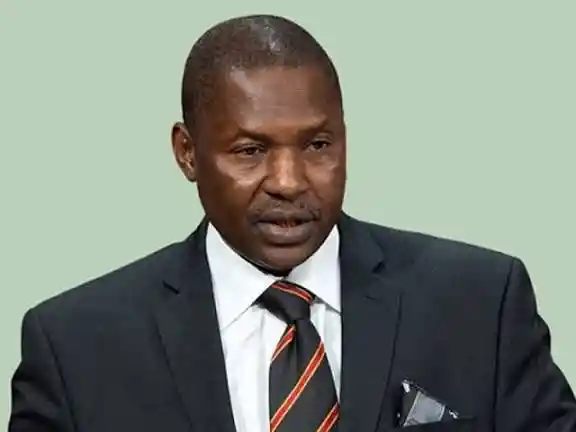
    Former Attorney-General of the Federation, Abubakar Malami (SAN), has denied allegations that he or anyone connected to him attempted to bribe or improperly influence the presiding judge in his ongoing trial at the Federal High Court in Abuja.

    Malami described the claims as “mischievous, false and deliberately misleading,” insisting that no such attempt was made by him, his family, or members of his legal team.

    The denial followed a ruling delivered on Wednesday by the Federal High Court sitting in Maitama, Abuja, which granted bail to Malami, his wife, and his son. In the aftermath of the ruling, reports attributed to the Economic and Financial Crimes Commission (EFCC) suggested that the trial judge, Justice Emeka Nwite, had raised concerns about attempts to compromise the court.


    In a statement signed by his Special Assistant on Media, Mohammed Bello Doka, Malami rejected the reports, saying they were wrongly framed to tarnish his reputation.


    “We are compelled to respond and categorically state that no one from Abubakar Malami’s legal team, family, council, or office ever approached, attempted to approach, or contemplated approaching the Honourable Court or the presiding judge for any favour whatsoever,” the statement said.


    “Any insinuation to the contrary is false, reckless, and deliberately misleading.”

    Malami, a Senior Advocate of Nigeria and former chief law officer of the federation, said he fully understands and respects the sanctity of the judiciary, adding that Justice Nwite’s reputation for integrity is widely acknowledged.


    He explained that the comments attributed to the judge during court proceedings were not directed at him or any of the defendants but were general judicial warnings routinely issued to all counsel and litigants.


    “For clarity, the statement attributed to Justice Nwite during proceedings at the Federal High Court, Maitama, Abuja, was a general caution routinely issued by the judge to all counsel and litigants appearing before him,” the statement read.


    According to Malami, Justice Nwite is known for consistently warning parties against attempting to approach him outside formal judicial proceedings, describing this as part of the judge’s long-standing commitment to probity.


    “This warning was not specific to Abubakar Malami or any of the defendants in this case, and any attempt to single him out is dishonest,” he added.


    The former Attorney-General accused the EFCC of weaponising a routine judicial admonition and turning it into what he described as a sensational narrative aimed at damaging his public image.


    “It is therefore disturbing that the EFCC chose to weaponise a routine judicial admonition and spin it into a sensational narrative aimed at tarnishing Malami’s image in the court of public opinion,” the statement said.


    He further alleged that the approach reinforced concerns that the anti-graft agency was engaging in a media trial rather than allowing the case to be determined strictly on the basis of evidence and due process.


    Malami maintained that he and his co-defendants have submitted themselves to the jurisdiction of the court and complied with all lawful orders issued so far.


    “We wish to emphasise that Malami and his co-defendants have submitted themselves to the jurisdiction of the court, have complied with all lawful orders made so far, and remain confident that the judicial process will ultimately vindicate them,” he said.


    He also urged the EFCC to desist from what he described as misleading the public through sensational press releases, stressing that allegations should be tested in court rather than in the media.


    “The proper place to prove allegations is in the courtroom, not in the media. No bribe was offered, no judge was approached, and no attempt was made to compromise the court,” the statement added.


    Earlier on Wednesday, Justice Nwite had cautioned lawyers and litigants involved in the case against attempting to approach him for any form of favour.


    “I want to admonish and warn counsels and litigants that they should know the type of court they are appearing before. All judges are not the same. Irrespective of my familiarity with you, when I am dealing with any case, do not approach me,” the judge said.


    Justice Nwite emphasised that lawyers should serve their clients through diligent legal representation and not through personal appeals or backdoor contacts.


    The EFCC is prosecuting Malami, his wife, Hajia Bashir Asabe, and their son, Abubakar Abdulaziz Malami, over alleged money laundering involving billions of naira.

  • Ex-APC Spokesman Accuses EFCC of Bias, Urges Olukoyede to Resign

    Ex-APC Spokesman Accuses EFCC of Bias, Urges Olukoyede to Resign

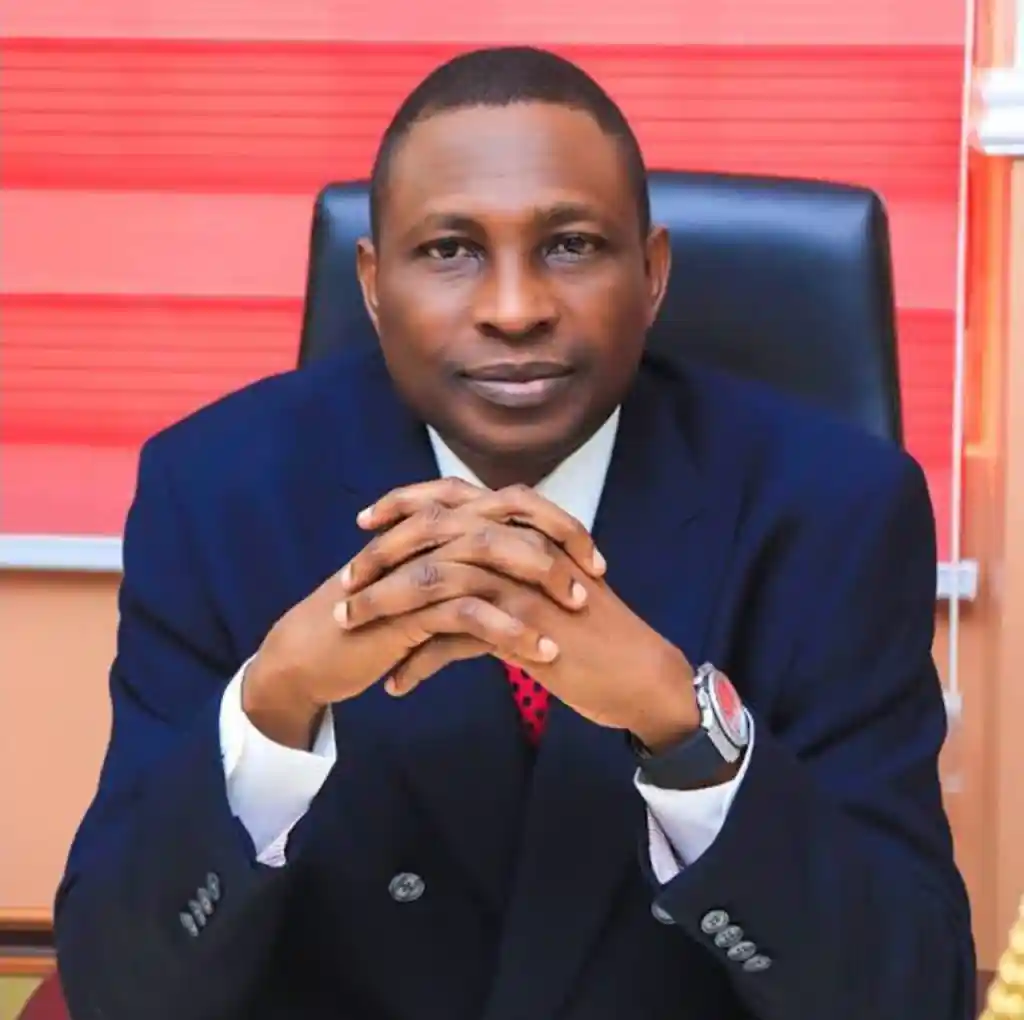
    A former Deputy National Publicity Secretary of the All Progressives Congress (APC), Timi Frank, has called on the Chairman of the Economic and Financial Crimes Commission (EFCC), Ola Olukoyede, to resign from office, accusing the anti-graft agency of deviating from its statutory mandate.


    In a statement issued on Tuesday, Frank alleged that the EFCC has abandoned its constitutional responsibility of fighting economic and financial crimes and is now operating as a political instrument of the ruling party.


    Also Read : Details Emerge on How Catholic Priest Collapses, Dies During Mass


    He argued that Olukoyede should step aside to “save” the Commission, which he claimed now conducts itself in a manner inconsistent with the laws governing its establishment.

    According to Frank, the EFCC has brought “shame and disrepute” upon itself through what he described as selective prosecution and political bargaining.

    “We have unfortunately reached a point in our country where it has become difficult to distinguish between a Commission statutorily saddled with the responsibility of fighting economic and financial crimes and one that appears to operate as an arm of the ruling party,” Frank said.

    The former APC spokesman further alleged that the EFCC has “recklessly abandoned its core mandate of combating corruption” and instead taken on what he described as “the role of negotiating the calculated movement of political actors from opposition parties to the ruling party.”


    Frank cited several high-profile cases to support his claims, beginning with that of former Delta State Governor, Senator Ifeanyi Okowa.


    He recalled that the EFCC chairman had once publicly threatened to resign if he was not granted a free hand to prosecute former Kogi State Governor, Yahaya Bello.


    “Yet, after a visit to the Commission and another round of ‘discussions,’ the case no longer enjoys the same urgency or prosecution vigour,” Frank stated.

    He questioned whether the EFCC chairman was unaware of constitutional principles at the time he publicly celebrated allegations against the same individual.


    “One must ask: was the Chairman of the EFCC unaware of this constitutional principle at the time he was publicly singing and dancing over the alleged crimes attributed to the same individual?” he queried.


    Frank also challenged the Commission to apply the same level of public defence and transparency to other high-profile suspects.


    He listed former Attorney-General of the Federation, Abubakar Malami; former Central Bank of Nigeria Governor, Godwin Emefiele; the Bauchi State Commissioner for Finance, Yakubu Adamu; and others as cases requiring similar treatment.


    “The Commission should also do well to act as the spokesperson for other suspects,” he said.

    Raising what he described as “fundamental questions” about the EFCC’s operations, Frank queried the apparent disparity in how cases are handled.


    “Why were Godwin Emefiele and Abubakar Malami not accorded the same treatment? Is it because they are yet to decamp to the ruling party? Why has the EFCC embraced selective prosecution?” he asked.

  • Burkina Faso Accuses Former Transitional President Damiba of Leading Foiled Coup Attempt Against Ibrahim Traoré

    Burkina Faso Accuses Former Transitional President Damiba of Leading Foiled Coup Attempt Against Ibrahim Traoré

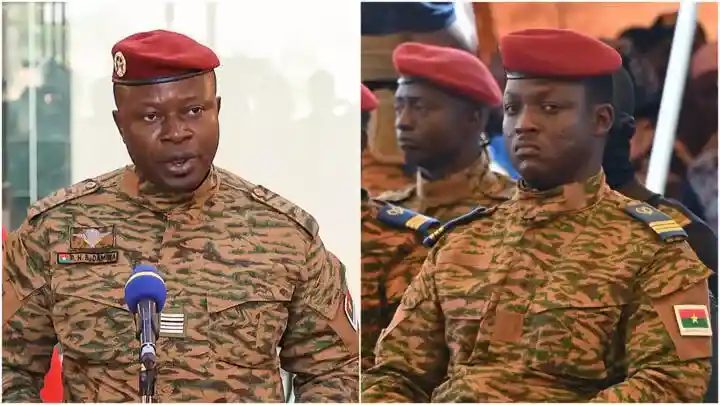
    Burkina Faso has formally accused its former transitional president, Lieutenant-Colonel Paul-Henri Sandaogo Damiba, of orchestrating a foiled coup attempt aimed at overthrowing the current military-led government under Captain Ibrahim Traoré. The allegation, made public through official government channels, has intensified political tensions in Traoré Burkina Faso and raised broader questions about stability, regional security, and the persistent cycle of coups in the Sahel.


    The Burkinabe authorities disclosed that the alleged plot involved plans to assassinate Captain Ibrahim Traoré and several other military and civilian figures, followed by coordinated military actions designed to destabilize the state.


    Ejes Gist News reports that the government claims the operation was scheduled to be executed on Saturday, 3 January, but was neutralized following intelligence-led interventions by security agencies.


    Also Read: Over 30 Killed, Several Abducted as Bandits Raid Market in Niger State

    A Nation Shaped by Repeated Power Shifts

    Burkina Faso’s Recent Political History

    Burkina Faso has experienced a series of military takeovers since 2022, reflecting deep-rooted security and governance challenges. In January 2022, Lieutenant-Colonel Paul-Henri Sandaogo Damiba seized power from elected President Roch Marc Christian Kaboré, citing the government’s inability to contain jihadist violence.

    Damiba himself was removed in September 2022 by a group of junior officers led by Captain Ibrahim Traoré, who accused the transitional leadership of failing to improve security conditions and of lacking strategic clarity. Traoré subsequently became the youngest head of state in the world at the time, positioning his leadership as a corrective response to previous failures.

    Since then, Traoré Burkina Faso has remained under military rule, with the government emphasizing sovereignty, national security, and a break from traditional external alliances.

    Government’s Account of the Foiled Coup Attempt

    Official Statement by the Minister of Security

    In a televised interview broadcast on state television, Burkina Faso’s Minister of Security, Mahamadou Sana, provided details of what authorities described as a “major destabilization operation.”

    According to the minister, the alleged coup attempt was scheduled for Saturday, 3 January, at approximately 11:00 p.m. The plan reportedly involved a coordinated series of assassinations targeting both military and civilian figures.

    The minister stated that the operation was to begin with what he described as the “neutralization” of Captain Ibrahim Traoré, followed by attacks on strategic military infrastructure.

    Alleged Military Objectives

    The government outlined several stages of the purported plan, including:

    • The assassination of Captain Ibrahim Traoré and other senior figures.
    • The decommissioning of a drone base considered critical to national defense operations.
    • A ground military intervention allegedly involving external forces.

    Authorities claimed that these steps were designed to create a power vacuum and facilitate a rapid seizure of control.

    Alleged Role of Paul-Henri Sandaogo Damiba

    Accusations Against the Former Transitional President

    The Burkinabe government identified Paul-Henri Sandaogo Damiba as the principal architect of the alleged coup attempt. Damiba has been living in exile in Togo since his removal from power in September 2022.

    Minister Mahamadou Sana asserted that Damiba’s role included planning and coordinating the operation, mobilizing financial resources, and recruiting both civilian and military participants.

    Structure of the Alleged Network

    According to the official account, the alleged destabilization network was divided into distinct roles:

    • Military personnel were tasked with recruiting fellow soldiers, forming operational units, and executing armed actions.
    • Civilian participants were allegedly responsible for mobilizing public support and legitimizing the operation following military action.
    • Organizers and financiers were said to have coordinated logistics and funding.

    The government emphasized that investigations are ongoing and that not all individuals involved have been publicly identified.

    Arrests and Ongoing Investigations

    Detentions Linked to the Alleged Plot

    Burkina Faso’s authorities confirmed that several individuals have been arrested in connection with the alleged coup attempt. However, officials declined to disclose specific names, citing the need to preserve the integrity of ongoing investigations.

    The Minister of Security stated that further arrests could follow as intelligence agencies continue to dismantle the network.

    Release of a Confession Video

    As part of its communication strategy, the government released a video showing what it described as the confession of an alleged economic operator implicated in the plot.

    In the video, the individual reportedly explains his role in financing and facilitating the destabilization operation. Such public confessions have been used previously by governments in the region to demonstrate progress in security investigations, although they often attract scrutiny from human rights observers.

    Alleged Foreign Financing and Regional Implications

    Claims of Funding From Côte d’Ivoire

    One of the most sensitive aspects of the government’s allegation concerns claims of external financing. Minister Mahamadou Sana stated that a “good part” of the funding for the alleged coup attempt originated from Côte d’Ivoire.

    According to the minister, investigators traced a transfer of approximately 70 million CFA francs linked to the operation.

    Diplomatic Sensitivities

    The Burkinabe government’s assertion of foreign involvement introduces significant diplomatic implications. Côte d’Ivoire is a key regional actor and a member of the Economic Community of West African States (ECOWAS), an organization with which Burkina Faso’s current military government has had strained relations.

    As of the time of the announcement, Ivorian authorities had not publicly responded to the claims. Analysts note that such allegations, if left unresolved, could further complicate regional cooperation on security and economic integration.

    Security Context Under Ibrahim Traoré

    Military Governance and Security Strategy

    Since assuming power, Captain Ibrahim Traoré has positioned his administration as a corrective force aimed at restoring security and national dignity. The government has emphasized:

    • Increased reliance on national armed forces and auxiliary units.
    • A shift in international partnerships.
    • A rhetoric of resistance against perceived external interference.

    Supporters argue that these measures reflect popular frustration with prolonged insecurity, while critics question their effectiveness and long-term sustainability.

    Persistent Security Challenges

    Despite changes in leadership, Burkina Faso continues to face attacks from armed groups linked to extremist networks. Large portions of the country remain affected by violence, displacement, and humanitarian crises.

    The alleged coup attempt underscores the fragile nature of governance in Traoré Burkina Faso, where internal dissent and external pressures coexist with ongoing security threats.

    Legal and Political Dimensions

    Accountability and Due Process

    The government has stated that all individuals implicated in the alleged coup attempt will be prosecuted in accordance with Burkinabe law. However, details about the legal framework, charges, and judicial processes have not been fully disclosed.

    Human rights organizations have historically expressed concerns about transparency and due process in cases involving national security and alleged coup plots.

    Political Legitimacy and Transition Timeline

    Burkina Faso’s military government has committed, at various points, to a transition toward civilian rule. Allegations of repeated coup attempts may influence the timeline and conditions under which such a transition is pursued.

    Observers note that accusations against former leaders, such as Damiba, also serve to consolidate the current administration’s narrative of legitimacy and vigilance.

    Media, Information, and Public Perception

    State الإعلام and Official Communication

    The announcement of the foiled coup attempt was delivered primarily through state television and official statements. This approach reflects the government’s reliance on controlled communication channels to shape public understanding of security developments.

    The release of videos and detailed narratives is intended to demonstrate transparency and decisiveness, although independent verification remains limited.

    Public Reaction Within Burkina Faso

    Public responses have varied, with some citizens expressing support for strong measures to protect the government, while others remain cautious due to the country’s history of political instability.

    Social discourse around ibrahim traoré often reflects broader debates about military rule, sovereignty, and the balance between security and democratic governance.

    Regional Pattern of Coups and Counter-Coups

    Sahelian Instability

    Burkina Faso’s situation fits into a broader regional pattern in the Sahel, where military takeovers have occurred in Mali, Niger, and Guinea in recent years.

    These developments have reshaped regional alliances and challenged existing frameworks for governance and security cooperation.

    Implications for ECOWAS and Regional Order

    Repeated coup allegations complicate ECOWAS’s efforts to enforce democratic norms while addressing security emergencies. Burkina Faso’s strained relationship with the bloc adds another layer of complexity to regional diplomacy.

    What Is Known and What Remains Unclear

    Established Facts

    Based on official statements:

    • Burkina Faso claims to have foiled a coup attempt planned for 3 January.
    • Authorities allege that the plot targeted Captain Ibrahim Traoré and key infrastructure.
    • Several individuals have been arrested, and investigations are ongoing.
    • The government accuses former transitional president Paul-Henri Sandaogo Damiba of leading the operation.

    Unresolved Questions

    Several aspects remain unverified :

    • The full list of individuals involved.
    • Independent confirmation of the alleged foreign financing.
    • The response of Paul-Henri Sandaogo Damiba and Côte d’Ivoire to the accusations.
    • The judicial process that will follow the arrests.

    Broader Significance for Traoré Burkina Faso

    The accusations against Damiba and the alleged coup attempt highlight the ongoing volatility within Burkina Faso’s political system. For supporters of Ibrahim Traoré, the incident reinforces the narrative of a government under constant threat from internal and external forces.

    For critics, it raises concerns about transparency, accountability, and the potential use of security allegations to suppress dissent.

    As investigations continue, the situation remains a defining moment for Traoré Burkina Faso, with implications that extend beyond national borders into the wider Sahel and West African region.

  • Over 30 Killed, Several Abducted as Bandits Raid Market in Niger State

    Over 30 Killed, Several Abducted as Bandits Raid Market in Niger State

    More than 30 civilians have been killed and several others abducted following a violent raid on Kasuwan Daji market in Niger State, authorities have confirmed.


    The attack occurred in Demo village, with eyewitnesses describing a coordinated assault that left dozens dead and many families displaced.


    Ejes Gist News reports that the attackers stormed the community in the late afternoon, opening fire on traders and residents before fleeing with abducted victims.

    Attack Carried Out in Broad Daylight

    According to local sources, the Bandits arrived on motorcycles around 4:30 pm on Saturday and began shooting indiscriminately at people gathered at the market.


    Also Read:


    Many victims were caught unaware, while others attempted to flee into nearby homes and bushes.

    Niger State Police spokesperson, Wasiu Abiodun, confirmed the incident, stating that security operatives were deployed to the area following distress calls from residents.

    “Over 30 persons lost their lives during the attack, and several others were kidnapped,” Abiodun said.

    Market Stalls Burned, Food Items Looted

    Witnesses said the attackers burned multiple market stalls and looted food supplies before retreating into surrounding forest areas.


    Security officials believe the Bandits escaped through nearby forest reserves, which have increasingly become safe havens for armed groups operating across Niger State and neighbouring regions.

    Pattern of Violence in Niger Communities

    The attack adds to a growing list of violent incidents across Niger State, which has recorded repeated killings, kidnappings, and village raids in recent months.

    Several rural communities have been targeted due to limited security presence and difficult terrain that enables attackers to evade pursuit.

    In previous incidents, armed groups have abducted schoolchildren, farmers, and traders, further deepening humanitarian and security concerns in the state.

    Calls for Stronger Security Response

    Residents of Demo village have renewed calls for increased security patrols, improved intelligence gathering, and sustained military operations around forest corridors linking Niger State to other flashpoints.

    Authorities say investigations into the attack are ongoing, while efforts continue to locate abducted victims and identify those responsible.

  • Nine Soldiers Killed as Boko Haram Islamic Terrorists Detonate IED in Borno

    Nine Soldiers Killed as Boko Haram Islamic Terrorists Detonate IED in Borno

    At least nine Nigerian soldiers have been confirmed dead and five others injured following the detonation of improvised explosive devices (IEDs) planted by Islamic terrorists of the Boko Haram group along the Maiduguri–Gubio road in Borno State.

    The attack occurred along one of the most volatile military corridors in the North-East, underscoring the continued operational capacity of Boko Haram Islamic terrorists despite years of counter-insurgency campaigns.


    Ejes Gist News reports that the deadly explosion targeted a military convoy travelling from Maiduguri towards Gubio Local Government Area on Sunday evening.

    Attack Occurred on Strategic Military Route

    Security sources disclosed that the IEDs were planted overnight along the 85-kilometre Maiduguri–Gubio axis, a route frequently used by troops conducting clearance operations around the Lake Chad basin and adjoining forest corridors.

    The road has remained a high-risk zone due to repeated attacks by Boko Haram insurgents, who rely heavily on roadside explosives to inflict casualties on security forces.


    Also Read: Details Emerge as Anthony Joshua Set to Retire From Boxing After Tragic Car Crash


    “This was not an ambush involving gunfire,” a senior security source said. “The explosion resulted from IEDs planted by Boko Haram terrorists to target soldiers moving along the road.”

    Troops Were En Route to Forest Operation

    According to military sources, the affected soldiers were heading towards the Sasawa Forest area, a known hideout used by Boko Haram fighters operating along the Borno–Yobe border.

    The troops reportedly halted at a military formation on Saturday and resumed their journey the following evening when the explosion occurred near Gubio town, the headquarters of Gubio Local Government Area.


    Also Read: BREAKING: Wike Issues Stern Warning to APC National Secretary Over Rivers Political Crisis

    Several soldiers sustained severe injuries, including shrapnel wounds to the head and limbs, and were immediately evacuated for medical treatment.

    Unit and Command Structure Identified

    The soldiers were identified as personnel of the 145 Battalion, Damasak, under the 5 Brigade of the Nigerian Army, headquartered at Maimalari Cantonment in Maiduguri.

    As of the time of filing this report, the Nigerian Army had yet to issue an official statement confirming the casualty figures or detailing follow-up military actions.

    Boko Haram’s Continued Use of IEDs

    Security analysts note that Boko Haram and Islamic State West Africa Province (ISWAP) factions have increasingly relied on IEDs to disrupt troop movements and logistics along major supply routes.

    The Maiduguri–Gubio road, in particular, has witnessed multiple attacks in recent years due to its strategic importance and proximity to insurgent-controlled forest enclaves.

    Military operations in the area are ongoing as efforts continue to neutralize terrorist cells responsible for the attack.

  • Details Emerge as Anthony Joshua Set to Retire From Boxing After Tragic Car Crash

    Details Emerge as Anthony Joshua Set to Retire From Boxing After Tragic Car Crash

    Former world heavyweight champion Anthony Joshua is reportedly considering a permanent retirement from professional boxing following a fatal road accident in Nigeria that claimed the lives of two members of his inner team. The development has introduced a profound personal dimension to the future of one of boxing’s most recognisable figures.


    According to family sources, the 36-year-old boxer has already communicated his intention to step away from the sport to close relatives, citing the emotional toll of recent events and long-standing concerns about the risks associated with elite-level boxing.


    Ejes Gist News reports that the decision follows a period of intense reflection after the crash, which occurred during a private visit to Nigeria.

    Deadly Accident During Visit to Nigeria

    The incident took place on the Lagos–Ibadan Expressway, a major transport corridor in southwestern Nigeria. Joshua was travelling with close associates when their vehicle reportedly collided with a stationary truck. Two members of his long-standing boxing team, Sina Ghami and Latif “Latz” Ayodele, died at the scene.

    Joshua survived the crash and was taken to hospital, where he was treated for minor injuries before being discharged. The deaths of Ghami and Ayodele, both regarded as integral to Joshua’s professional and personal life, have been described by those close to the boxer as devastating.

    The trio were said to be in Nigeria on a personal visit to see family members when the accident occurred.

    Impact on Joshua’s Career Outlook

    Family members say the tragedy has prompted Joshua to reassess his priorities and future in boxing. His uncle, Adedamola Joshua, confirmed that discussions about retirement have taken place within the family.

    He explained that the decision has been met with a sense of relief among relatives who have long struggled with anxiety during Joshua’s fights.

    “The major thing there is that he has retired from boxing,” he said. “That is one thing that makes us glad because each time he’s fighting in the ring, we are always carried away emotionally.”

    He added that watching Joshua compete had become increasingly distressing for the family over the years.

    “Each time he’s knocked down, it is just like the heart is coming out of our chest. All these emotional feelings whenever he’s fighting, it’s too much trauma for us also,” he said.

    When asked whether the boxer personally communicated the decision, his uncle responded in the affirmative.

    Loss of Trusted Team Members

    Sina Ghami and Latif Ayodele were not merely staff members but central figures in Joshua’s boxing setup. Ghami served as his strength and conditioning coach, while Ayodele worked closely with him as a personal trainer. Both men had been part of Joshua’s professional journey for several years.

    Sources familiar with the camp describe the relationship between the trio as one built on loyalty and mutual trust. Their deaths have left a significant void, both operationally and emotionally, within Joshua’s support structure.

    In the days following the accident, Joshua publicly acknowledged the loss, sharing photographs with the bereaved families and posting the words “My Brother’s Keeper.” The message was widely interpreted as a pledge of long-term responsibility and support.

    Commitment to Bereaved Families

    Beyond discussions about retirement, Joshua has reportedly committed to providing sustained assistance to the families of Ghami and Ayodele. Individuals close to the boxer say this support will extend beyond immediate funeral arrangements and reflect his belief in collective responsibility.

    The boxer’s public message, rooted in a biblical reference, underscored this stance and drew attention to the depth of the personal bonds involved.

    Funeral and Public Mourning

    A funeral service for the two men was later held in London, drawing a large crowd of mourners from the boxing community and beyond. During the service, the coffins of Ghami and Ayodele were placed side by side, reflecting their close association in life and work.

    A wake followed later in the day, with tributes highlighting their contributions to Joshua’s career and their roles within the wider boxing fraternity.


    Also Read: Anthony Joshua Involved in Ogun Road Crash as Police Confirm Two Dead


    Back in Sagamu, Ogun State, where Joshua has familial ties, residents expressed mixed emotions. While there was relief that the boxer survived the accident, the loss of the two men was widely mourned. Community members described Joshua as a figure of pride with strong links to the area.

    Family Reflections and Ties to Nigeria

    In the aftermath of the tragedy, questions have emerged about Joshua’s relationship with Nigeria and whether the incident might affect his connection to the country. His uncle addressed these concerns, emphasising faith, perspective, and enduring roots.

    “There are a lot of things we have heard, but this is a Christian family, and everything we take with faith,” he said. “Once something like that happens, emotionally, you can say anything, but as time goes on, you know this is your root.”

    The remarks suggest that, despite the trauma, Joshua’s familial and cultural ties to Nigeria remain intact.

    Legal Proceedings Following the Crash

    Authorities have confirmed that the driver of the vehicle involved in the accident has been charged in court. The charges relate to dangerous and negligent driving, according to officials familiar with the case. Legal proceedings have been adjourned to a later date as investigations continue.

    No further details have been released publicly about the circumstances surrounding the stationary truck involved in the collision.

    Anthony Joshua’s Boxing Legacy

    Joshua, born in the United Kingdom to Nigerian parents, rose to global prominence as a unified heavyweight champion and one of the most commercially successful boxers of his generation. Known for his athleticism and discipline, he has held multiple world titles and headlined major international events.

    He was in Nigeria following a recent fight victory abroad, taking time away from competition when the accident occurred. While speculation about retirement has followed him at various points in his career, the current reports mark the most serious indication yet that he may be preparing to step away permanently.

    Uncertain Road Ahead

    What ultimately lies ahead for Anthony Joshua remains unclear. While family voices suggest that retirement is imminent, no official announcement has been made by the boxer or his management team at the time of reporting.


    For now, attention remains focused on the personal cost of the tragedy and its implications for a career that has spanned more than a decade at the highest level of professional boxing.

  • BREAKING: Wike Issues Stern Warning to APC National Secretary Over Rivers Political Crisis

    BREAKING: Wike Issues Stern Warning to APC National Secretary Over Rivers Political Crisis

    Nyesom Wike, Minister of the Federal Capital Territory, has issued a sharp warning to Senator Ajibola Basiru, urging him to refrain from commenting on Rivers State politics amid rising tensions in the region.


    Ejes Gist News reports that the warning followed remarks made by Senator Basiru in support of Governor Sim Fubara, which Wike criticized during a public address to his supporters in Oyigbo Local Government Area.


    Wike’s Warning to Senator Basiru

    Addressing the gathering, Wike emphasized the need for caution in political statements regarding Rivers State, saying:

    “Don’t take our support for President Tinubu for granted. You have to be very careful with the statements you make.

    “When Mr. President comes back, when I see the Minister of Blue Economy, I will tell them to tell him: Carry your hand to Rivers State if your hand burns, don’t say na me burn am. I can challenge anybody; this state is a no-go area.

    “Go and ask those who have tried it before. You open your mouth to talk about Rivers State, anything you see, take it. Anything you want, take it. I can challenge anybody that this state is a no-go area. This state is a no-go area whether you like it or don’t like it. So take the one you have taken. Stop making unnecessary noise.”


    Also Read: US Defence Firm Textron Supplies Advanced Surveillance Drones to Tompolo’s Tantita for Niger Delta Oil Security

    The statement comes amid heightened political activity in Rivers State, where local support for key national figures, including President Tinubu, has been a focal point of contention. Wike’s intervention underscores his influence and control within the state and signals his intent to monitor and challenge external political commentary.


    Implications for Rivers Politics

    Political analysts note that Wike’s warning reinforces the territorial nature of state-level politics in Nigeria, particularly in regions with influential political leaders. The comments suggest potential friction between federal figures aligned with APC and state leadership loyal to Wike.


    What you should know

    Minister Nyesom Wike has issued a clear warning to APC National Secretary Senator Ajibola Basiru, asserting Rivers State as a politically sensitive zone and cautioning against interference or provocative statements. The development is expected to influence ongoing political discourse ahead of future elections in the state.

  • Details Emerge on How Catholic Priest Collapses, Dies During Mass

    Details Emerge on How Catholic Priest Collapses, Dies During Mass

    Worshippers at St. John the Baptist Catholic Church, Boji-Boji Agbor, Ika North Local Government Area of Delta State, were thrown into shock on Tuesday night, December 31, 2025, when Rev. Fr. (Barr.) Stephen Chukwuma, the Parish Priest, collapsed while delivering his homily during the New Year’s Eve Mass and later passed away.


    Ejes Gist News reports that the sudden incident, which occurred during a highly attended service, has sent ripples of grief across the Catholic community in Delta State and beyond. Parishioners described a scene of panic and disbelief as the priest fell mid-sermon, with medical personnel on-site attempting to provide immediate assistance before he was pronounced dead.


    Circumstances of the Collapse

    Eyewitnesses said Rev. Fr. Chukwuma, aged 63, appeared well and energetic at the start of the Mass. He was midway through delivering his homily when he suddenly slumped forward, prompting cries of alarm from the congregation. Despite immediate attempts to revive him by both church staff and emergency responders, the priest could not be saved.


    Local sources within the Diocese confirmed that no prior warning of illness was known, and the collapse came unexpectedly during a moment of worship. Ejes Gist News gathered that medical teams at the church and surrounding area were mobilised, but the priest’s passing was officially confirmed on-site.


    Life and Ministry of Rev. Fr. Stephen Chukwuma

    The late priest was the Regional Vicar of the Agbor Region in the Catholic Diocese of Issele-Uku. Born on June 5, 1962, in Agbor, Delta State, Rev. Fr. Chukwuma hailed from Akumazi-Umuocha in Ika North East Local Government Area. His vocation began early as an altar server at St. John the Baptist Catholic Church.

    He received his primary and secondary education at Ngala Primary School and Ika Grammar School, Agbor, before entering the seminary in 1982. His priestly formation included a Spiritual Year at St. Paul’s Missionary Seminary, Iperu-Remo, and theological studies at Saints Peter and Paul Major Seminary, Bodija, Ibadan, where he completed his training in 1990. He was ordained the same year by Bishop Anthony Gbuji for the Catholic Diocese of Issele-Uku.

    Throughout his ministry, Rev. Fr. Chukwuma served in multiple parishes, including St. Brigid’s Catholic Church, Asaba; All Saints Catholic Church, Onicha-Ugbo; and St. Michael’s Catholic Church, Ubulu-Uku. He also held leadership roles as Rector of St. Felix Minor Seminary, Ejeme-Aniogor, and Dean of the St. John of the Cross Spiritual Year Campus, Ekpoma.


    Official Announcement by the Diocese

    The Catholic Diocese of Issele-Uku confirmed the passing in a statement signed by its Director of Communications, Very Rev. Fr. Dr. Charles Uganwa.

    “With total resignation to the will of God, the Bishop, priests, religious, and lay faithful of the Catholic Diocese of Issele-Uku announce the call to glory of Very Rev. Fr. Dr. Stephen Chukwuma, which took place on Wednesday, 31st December, 2025. Until his death, he was the Parish Priest of St. John the Baptist Catholic Church, Agbor, and Regional Vicar of the Agbor Region.”

    The Diocese described the loss as deeply felt across its parishes, reflecting Rev. Fr. Chukwuma’s decades of pastoral service and leadership.


    Funeral and Burial Arrangements

    The Diocese has released the schedule for public mourning:

    • Tuesday, January 27, 2026: Vigil Mass at St. John the Baptist Catholic Church, Agbor, by 5:00 p.m.
    • Wednesday, January 28, 2026: Funeral Mass at St. Paul’s Cathedral, Issele-Uku, by 10:00 a.m., immediately followed by interment at the Priests’ Cemetery, Issele-Uku.

    The statement concluded:

    “May his soul rest in perfect peace. Amen.”


    Community Reaction and Legacy

    Rev. Fr. Chukwuma’s sudden death elicited an outpouring of grief from parishioners, clergy colleagues, and the broader Catholic community. Worshippers present during the Mass described the event as “a moment of profound shock and sorrow.”

    Colleagues highlighted his mentorship of young priests, commitment to pastoral care, and contributions to seminary education as hallmarks of his ministry. Ejes Gist News gathered that many faithful have taken to social media to share tributes, reflecting the widespread respect he commanded.

    His passing during the delivery of Mass—the central act of his vocation—has amplified the impact of the loss, marking a solemn moment in the Diocese’s history.


    What you should Know

    Rev. Fr. (Barr.) Stephen Chukwuma’s death during New Year’s Eve Mass is a sudden and tragic loss to the Catholic Church in Delta State. His decades of service, leadership in parish and seminary roles, and dedication to spiritual formation leave a lasting legacy.

    The upcoming funeral services provide an opportunity for clergy, laity, and the wider Catholic community to honour his life and ministry. The Diocese continues to call for prayers for the repose of his soul, highlighting his lifelong commitment to the Church and its faithful.

  • Nigeria Defeat Mozambique 4-0 to Qualify for AFCON 2025 Quarterfinals

    Nigeria Defeat Mozambique 4-0 to Qualify for AFCON 2025 Quarterfinals

    Nigeria vs Mozambique AFCON 2025 delivered a commanding performance from the Super Eagles, as Nigeria secured a 4-0 victory over Mozambique to book a place in the quarterfinals of the 2025 Africa Cup of Nations. The Round of 16 encounter, played at the Complexe Sportif de Fès in Morocco, showcased Nigeria’s attacking depth, tactical discipline, and renewed defensive solidity at a critical stage of the tournament.

    The emphatic win confirmed Nigeria as one of the standout teams in the knockout phase, with Victor Osimhen scoring twice, while Ademola Lookman and Akor Adams added a goal each. The result also marked Nigeria’s first clean sheet in four matches at the competition, underlining a balanced display at both ends of the pitch.


    Ejes Gist News reports that the Super Eagles’ victory sets up a highly anticipated quarterfinal clash against either Algeria or the Democratic Republic of Congo, depending on the outcome of the corresponding Round of 16 fixture.


    Nigeria vs Mozambique AFCON 2025: Match Overview

    Key Match Details

    • Fixture: Nigeria vs Mozambique
    • Competition: 2025 Africa Cup of Nations (AFCON)
    • Stage: Round of 16
    • Venue: Complexe Sportif de Fès, Morocco
    • Final Score: Nigeria 4-0 Mozambique
    • Kick-off Time: 8:00 pm local time

    Nigeria entered the match as three-time African champions with a clear objective of asserting control early, while Mozambique aimed to frustrate and counter. The Super Eagles achieved their objective decisively, dominating possession, territory, and goal-scoring opportunities.

    Also Read: Cameroon Defeat South Africa 2-1 to Reach AFCON 2025 Quarterfinals Against Morocco


    First-Half Dominance Sets the Tone

    Nigeria Take Early Control

    From kick-off, Nigeria imposed themselves with high pressing and quick ball circulation. The midfield trio controlled the tempo, allowing the wide attackers to stretch Mozambique’s defensive shape. Early pressure forced Mozambique into a compact defensive block, limiting their ability to build from the back.

    Nigeria’s attacking intent was evident within the opening ten minutes, as sustained pressure pinned Mozambique deep in their half. The Super Eagles’ approach combined structured build-up play with rapid transitions, keeping the Mozambican defence under constant strain.

    Ademola Lookman Opens the Scoring

    Nigeria’s dominance paid off in the 20th minute when Ademola Lookman broke the deadlock. The winger capitalised on Nigeria’s sustained pressure, finishing confidently to give the Super Eagles a deserved lead. The goal reflected Nigeria’s superior movement and coordination in the final third.

    Lookman’s opener was his latest decisive contribution in a tournament where he has consistently influenced games through goals and assists. His positioning between Mozambique’s defensive lines proved difficult to contain.

    Osimhen Doubles the Advantage

    Five minutes after the opening goal, Victor Osimhen extended Nigeria’s lead with a composed finish. The striker’s movement unsettled the Mozambican backline, as he converted from close range following another period of sustained pressure.

    The second goal further tilted the balance in Nigeria’s favour, forcing Mozambique to chase the game while leaving gaps at the back. Osimhen’s presence in the box added a physical dimension that Mozambique struggled to manage.

    Mozambique Struggle to Respond

    Despite their efforts to regroup, Mozambique found it difficult to cope with Nigeria’s intensity. The Super Eagles continued to dominate possession and dictate the pace of the game. Mozambique’s attempts to push forward were often halted by Nigeria’s organised defensive structure and disciplined midfield positioning.

    By half-time, Nigeria held a 2-0 advantage, reflecting their control of proceedings and clinical finishing.


    Second Half: Nigeria Turn Control into a Rout

    Osimhen Strikes Again After the Break

    Nigeria resumed the second half with renewed purpose. Just two minutes after the restart, Osimhen struck again to make it 3-0. The forward tapped home from close range after latching onto a well-weighted squared pass from Lookman, who had dribbled into the box from the left.

    The goal highlighted the effective partnership between Nigeria’s attackers and marked Osimhen’s second of the match. It also underlined Lookman’s creative influence, as he continued to torment the Mozambican defence.

    Tactical Discipline Maintains Control

    With a three-goal cushion, Nigeria managed the game intelligently. The Super Eagles maintained compact defensive lines while continuing to threaten on the counter-attack. Mozambique, facing an uphill task, struggled to find a way back into the contest.

    Nigeria’s midfield ensured control of possession, preventing Mozambique from building momentum. The defensive unit, which had come under scrutiny earlier in the tournament, delivered a composed and error-free performance.

    Osimhen Substituted Amid Standing Ovation

    In the 73rd minute, Nigeria made a tactical substitution as Osimhen was withdrawn after his two-goal display. The striker, who had been visibly eager for a hat-trick, made way for Moses Simon.

    The substitution allowed Nigeria to manage Osimhen’s workload while maintaining attacking options. Simon’s introduction added pace and creativity on the left flank.

    Akor Adams Completes the Scoring

    Nigeria’s dominance was capped in the 75th minute when Akor Adams scored the fourth goal of the night. The striker beat his marker and fired a powerful shot into the roof of the net, registering Nigeria’s fourth goal and sealing a comprehensive victory.

    The move leading to the goal involved Ademola Lookman, who recorded yet another assist, while substitute Moses Simon initiated the attack from the left. Adams’ goal was his third for the Super Eagles in the tournament, underlining Nigeria’s depth in attack.


    Full-Time: Nigeria 4-0 Mozambique

    The final whistle confirmed a resounding 4-0 win for Nigeria, sending the Super Eagles into the AFCON 2025 quarterfinals in emphatic fashion. The performance combined attacking flair, tactical organisation, and defensive solidity.

    For Mozambique, the defeat marked the end of their tournament, as they were unable to match Nigeria’s intensity or quality across the pitch.


    Statistical Highlights from Nigeria vs Mozambique AFCON 2025

    • Goals Scored: Nigeria 4, Mozambique 0
    • First-Half Goals: Lookman (20’), Osimhen (25’)
    • Second-Half Goals: Osimhen (47’), Akor Adams (75’)
    • Clean Sheet: Nigeria’s first in four matches at AFCON 2025
    • Multiple Goal Scorers: Osimhen (2 goals)
    • Key Contributor: Ademola Lookman (goal and multiple assists)

    These figures underline Nigeria’s efficiency in front of goal and their improved defensive organisation.


    Nigeria’s Tactical Approach Explained

    High Press and Quick Transitions

    Nigeria’s approach was built on a high press that disrupted Mozambique’s attempts to play out from the back. The Super Eagles forced turnovers in advanced areas, creating scoring opportunities through quick transitions.

    Wing Play and Overloads

    The wide areas were central to Nigeria’s success. Lookman and Simon stretched the defence, creating overloads and opening space for central runners like Osimhen and Adams.

    Midfield Control

    Nigeria’s midfield maintained positional discipline, ensuring control of possession and preventing Mozambique from gaining rhythm. This balance allowed the attacking players to operate with freedom while maintaining defensive stability.


    Individual Performances That Defined the Match

    Victor Osimhen

    Osimhen’s two goals were a testament to his instinctive positioning and composure in front of goal. His physical presence troubled Mozambique throughout the match and added a focal point to Nigeria’s attack.

    Ademola Lookman

    Lookman delivered a standout performance, scoring once and providing key assists. His dribbling, vision, and decision-making were instrumental in breaking down Mozambique’s defence.

    Akor Adams

    Adams’ goal off the bench highlighted Nigeria’s attacking depth. His ability to capitalise on opportunities reinforces the Super Eagles’ strength beyond their starting lineup.

    Nigeria’s Defence

    The clean sheet was a significant achievement, reflecting improved organisation and communication at the back. The defenders limited Mozambique to few clear chances and maintained focus throughout the match.


    What the Win Means for Nigeria

    Quarterfinal Qualification Confirmed

    Nigeria’s victory secures a place in the AFCON 2025 quarterfinals, keeping their title ambitions firmly on track. The Super Eagles will now prepare to face either Algeria or DR Congo in the next round.

    Momentum at a Crucial Stage

    A dominant knockout victory provides momentum and confidence. The blend of attacking efficiency and defensive discipline positions Nigeria as a serious contender for the trophy.

    Depth and Flexibility

    The match demonstrated Nigeria’s squad depth, with goals and assists coming from multiple players. This flexibility offers tactical options as the tournament progresses.


    Potential Quarterfinal Matchup: Algeria or DR Congo

    Nigeria’s next opponent will be determined by the outcome of the Algeria vs DR Congo Round of 16 fixture. Both teams present distinct challenges.

    • Against Algeria: Nigeria would face a technically gifted side with tournament pedigree. Tactical discipline and midfield control would be crucial.
    • Against DR Congo: Physicality and transitional play would define the contest, requiring Nigeria to maintain defensive concentration.

    Regardless of the opponent, Nigeria’s performance against Mozambique sets a strong benchmark.


    AFCON 2025 Context: Nigeria’s Title Pedigree

    Nigeria are three-time winners of the Africa Cup of Nations and consistently rank among the continent’s football powerhouses. Their progression to the quarterfinals aligns with historical expectations, but the manner of the victory against Mozambique stands out for its authority.

    The Super Eagles’ ability to combine experience with emerging talent has been a defining feature of their AFCON 2025 campaign so far.


    Clean Sheet Signals Defensive Progress

    One of the most notable outcomes of the match was Nigeria keeping their first clean sheet in four games at the tournament. Defensive solidity is often decisive in the knockout stages, and this development will be viewed positively by the technical crew.

    Limiting Mozambique to minimal scoring chances suggests improved coordination between the defensive line and midfield shield.


    Nigeria vs Mozambique AFCON 2025: A Statement Performance

    The 4-0 victory over Mozambique will be remembered as a statement performance by Nigeria in the AFCON 2025 knockout phase. The Super Eagles combined clinical finishing, creative playmaking, and disciplined defending to secure progression in convincing fashion.

    As Nigeria advance to the quarterfinals, attention now turns to their next challenge and the opportunity to continue their pursuit of continental glory.

  • Nigeria vs Mozambique Full Time (4-0)

    Nigeria vs Mozambique Full Time (4-0)

    Nigeria vs Mozambique ( 4-0)  – AFCON 2025 Round of 16

    Full time: Nigeria 4-0 Mozambique

    Nigeria storm into the AFCON 2025 quarterfinals, thrashing Mozambique 4-0 in Fez.

    Osimhen scored twice, while Adams and Lookman bagged a goal each in an impressive display by the former champions.

    Also, they keep a clean sheet for the first time in four matches at the tournament.

    The Nigerian striker finally finds the net, bringing up his third goal for the Super Eagles!

    Adams gets the better of his marker and thumps the ball into the roof of the net, as Nigeria register their fourth goal of the night.

    Credit also goes to Lookman who bagged yet another assist, while substitute Simon started the move from the left.

    75 mins: Nigeria 4-0 Mozambique

    GOAL! Akor Adams sends Nigeria 4-0 up

    GOAL! Adams sends Nigeria 4-0 up!

    The Nigerian striker finally finds the net, bringing up his third goal for the Super Eagles!

    Adams gets the better of his marker and thumps the ball into the roof of the net, as Nigeria register their fourth goal of the night.

    Credit also goes to Lookman who bagged yet another assist, while substitute Simon started the move from the left.

    Nigeria Defeat Mozambique 4-0 to Qualify for AFCON 2025 Quarterfinals

    75 mins: Nigeria 4-0 Mozambique

    Nigeria have one foot in the quarterfinals

    With a three-goal cushion, Nigeria are all but certain of reaching the quarterfinals.

    They will likely face the winner of the Algeria vs DR Congo match for a place in the semifinals.

    73 mins: Nigeria 3-0 Mozambique

    Osimhen comes off

    Nigeria make their first change, bringing off Osimhen, whose two goals have kept them in the lead.

    The #9 was seen fuming at Lookman earlier for not passing the ball. Perhaps, he was chasing a hat-trick.

    Now, he has made way for Simon.

    69 mins: Nigeria 3-0 Mozambique

    GOAL! Osimhen sends Nigeria 3-0 up!

    Nigeria add their third of the night, and this time it’s their most-beloved Osimhen who finds the net.

    Victor Osimhen

    The #9 taps home from less than five yards out, latching onto a squared pass from Lookman, who danced into the box from the left, getting the better of a bunch of defenders.

    That’s Osimhen’s second goal of the game, and Lookman’s sixth goal involvement of the tournament!

    47 mins: Nigeria 2-0 Mozambique

    47″ Goal for Nigeria… Victor Osimhen

    champions-league:-all-eyes-on-lookman-as-atalanta,-arsenal-clash-in-bergamo
    Champions League: All Eyes On Lookman As Atalanta, Arsenal Clash In Bergamo

    Second Half kickoff…

    Nigeria vs Mozambique: Super Eagles Lead 2-0 at Half-Time in AFCON 2025 Round of 16

    Nigeria’s Super Eagles took firm control of their AFCON 2025 round of 16 clash against Mozambique, leading 2-0 at half-time at the Complexe Sportif de Fès in Morocco.

    Goals from Ademola Lookman and Victor Osimhen inside the opening 25 minutes gave Nigeria a comfortable advantage, as the three-time African champions dominated proceedings against their Southern African opponents.

    South Africa vs Cameroon – AFCON 2025 Last 16 Full Score (1-2)

    Ejes Gist News reports that the Super Eagles displayed attacking intensity and tactical discipline in the first half.

    Lookman opened the scoring in the 20th minute after sustained pressure from Nigeria, before Osimhen doubled the lead five minutes later with a well-taken finish that unsettled the Mozambican defence. The early goals set the tone for Nigeria’s control of the game.

    Mozambique struggled to contain Nigeria’s attacking movements, while the Super Eagles continued to create chances through quick transitions and coordinated midfield play. Despite a few defensive efforts from Mozambique, Nigeria remained the more dangerous side throughout the half.


    Venue: Complexe Sportif de Fès, Morocco
    Competition: 2025 Africa Cup of Nations (AFCON)
    Stage: Round of 16
    Kick-off: 8:00 pm local time

    Nigeria vs Mozambique – AFCON 2025 Round of 16

    Venue: Complexe Sportif de Fès, Morocco
    Competition: 2025 Africa Cup of Nations (AFCON)
    Stage: Round of 16
    Kick-off: 8:00 pm local time


    LIVE UPDATES (LATEST FIRST)

    45+2’ – HALF-TIME
    The referee blows for half-time in Fès.
    Half-time score: Nigeria 2-0 Mozambique
    Goals from Ademola Lookman and Victor Osimhen give the Super Eagles a firm advantage at the break.


    43’ – Nigeria Close to a Third
    Nigeria launch a fast counter-attack and nearly score again, but the final effort goes wide. Mozambique escape further damage.


    35’ – Super Eagles in Control
    Nigeria continue to dominate possession and tempo. Mozambique sit deep, struggling to break through Nigeria’s organised midfield and defence.


    25’ – GOAL! Nigeria 2-0 Mozambique
    Victor Osimhen doubles Nigeria’s lead with a composed finish following sustained pressure in the Mozambican half. Ejes Gist News reports that Nigeria’s attacking intensity has overwhelmed their opponents.


    20’ – GOAL! Nigeria 1-0 Mozambique
    Ademola Lookman opens the scoring for the Super Eagles, finishing confidently after Nigeria’s early dominance.


    10’ – Early Pressure from Nigeria
    Nigeria assert control in the opening minutes, pressing high and forcing Mozambique to defend deep.


    LIVE UPDATES Nigeria vs Mozambique

    Kick-off
    The match is underway in Fès as Nigeria’s Super Eagles face Mozambique in the AFCON 2025 round of 16. Nigeria begin on the front foot, pressing high from the opening minutes.

  • US Defence Firm Textron Supplies Advanced Surveillance Drones to Tompolo’s Tantita for Niger Delta Oil Security

    US Defence Firm Textron Supplies Advanced Surveillance Drones to Tompolo’s Tantita for Niger Delta Oil Security

    Textron to Supply Surveillance Drones to Tantita for Niger Delta Oil Protection.

    American defence technology company Textron Systems has signed an agreement to supply advanced surveillance drones to Tantita Security Services Nigeria Limited, the private security firm engaged by the Federal Government to protect critical oil and gas infrastructure in the Niger Delta.

    Under the agreement, Textron Systems will provide three Aerosonde Mk 4.7 Vertical Take-Off and Landing (VTOL) Unmanned Aerial System (UAS) drones to Tantita, a company owned by Niger Delta security contractor and former militant leader, Government Ekpemupolo, popularly known as Tompolo.


    Also Read:  Tompolo Donates ₦10 Billion to Delta Security Trust Fund


    Ejes Gist News reports that the drones are expected to strengthen aerial monitoring of oil facilities across the region.


    The Aerosonde Mk 4.7 is a long-endurance tactical drone designed for intelligence, surveillance and reconnaissance operations. With its VTOL capability, the drone can take off and land in confined locations without the need for a runway, making it suitable for operations in difficult terrains.


    Security experts note that the drones are well suited for monitoring creeks, swamps and offshore environments common in the Niger Delta. The systems are capable of operating for extended hours while transmitting real-time images and operational data to ground control stations.


    Industry observers say the deployment is expected to enhance Tantita’s surveillance capacity, particularly in tracking pipeline vandalism, crude oil theft and other forms of economic sabotage that have affected Nigeria’s oil-producing regions for years.


    The development has triggered mixed reactions from Nigerians. While some stakeholders have welcomed the deal as a step toward strengthening the security of national oil assets, others have expressed concerns over the growing sophistication of equipment in the hands of private security contractors.


    Some online commentators described the development as a welcome move that could boost the protection of oil pipelines and reduce crude oil theft. Others cautioned that the Federal Government must ensure proper regulation and oversight of private security firms equipped with advanced technology.


    Tantita Security Services Nigeria Limited has remained a key player in Nigeria’s oil pipeline surveillance programme since its engagement by the Federal Government, with reported improvements in crude oil production levels following intensified monitoring of critical oil and gas infrastructure in the Niger Delta.

    What Is the Aerosonde Mk 4.7 VTOL UAS?

    The Aerosonde Mk 4.7 is a tactical unmanned aerial system engineered for intelligence, surveillance, and reconnaissance (ISR) missions. It is designed to operate in austere environments where conventional aircraft face limitations. The VTOL configuration allows the platform to take off and land vertically, eliminating the need for runways or catapults.

    Core Capabilities

    Key features commonly associated with the Aerosonde Mk 4.7 platform include:

    • Vertical take-off and landing for confined or remote locations.

    • Long-endurance flight suitable for extended patrols.

    • Real-time data transmission to ground control stations.

    • Multi-sensor payload compatibility, including electro-optical and infrared systems.

    • Operational flexibility over land and maritime domains.

    These attributes align with the surveillance demands of the Niger Delta, where pipelines traverse creeks, rivers, and offshore corridors that are difficult to monitor continuously using ground patrols alone.

    Why VTOL Drones Matter in the Niger Delta

    The Niger Delta’s geography presents persistent challenges to infrastructure protection. Dense mangroves, tidal creeks, and offshore platforms complicate access and visibility. Traditional surveillance methods, including foot patrols and manned boats, are resource-intensive and may not provide persistent coverage.

    VTOL drones address these challenges by enabling:

    • Rapid deployment from small clearings or vessels.

    • Persistent aerial coverage over remote stretches of pipeline.

    • Reduced operational risk to personnel.

    • Improved detection of suspicious activity in real time.

    Industry analysts note that aerial ISR platforms can act as force multipliers, allowing limited security teams to monitor wider areas more effectively.

    Tantita Security Services’ Mandate

    Tantita Security Services Nigeria Limited has been tasked with:

    • Monitoring pipelines and flow stations.

    • Reporting and deterring crude oil theft.

    • Supporting recovery of vandalized assets.

    • Collaborating with government agencies on intelligence.

    Since its engagement, reported improvements in crude oil production levels have been attributed to intensified monitoring and reduced incidents of illegal tapping, according to official statements referenced in public discourse.

    Surveillance Technology and Energy Security

    The supply of Aerosonde Mk 4.7 drones to Tantita Security Services represents a significant development in Nigeria’s approach to protecting oil and gas infrastructure. It underscores the growing role of unmanned systems in addressing security challenges in difficult environments.

    As deployment proceeds, attention is expected to focus on operational effectiveness, regulatory compliance, and the broader implications for private-sector participation in national security functions.