
Month: December 2025

  • Week 26 Pool Fixtures Saturday 27, December 2025: Wk26 UK Pool Fixture Pool Agent

    Week 26 Pool Fixtures Saturday 27, December 2025: Wk26 UK Pool Fixture Pool Agent

    UK Week 26 pool fixtures 2025 for Saturday, December 30, Sunday December 27, 2025 and  Week 26 UK pool fixture, Wk26 UK poolfixtures week 26, week 26 Premier League pool fixtures this week 2025, Wk26 UK Pool and football pools draws this weekend. 

    Best Nigeria and Africa Football Advanced Pools Fixtures and Results website.

    Week 26 UK 2025 Fixtures

    Below are Week 26 Pool Fixtures 2025: pool result, wk26 pool fixture 2025, soccer result, live score, pool panel results, week 26 pool fixtures 2025 ablefast, pool results, UK Pools fixed Draws, WK 26  Pool Fixtures from UK Pool Panel Draw, pool fixture of Week 26.

    Ejes Gist Football reports that this week pool fixtures are for forty-nine football matches for UK football 2025 from pool agent

    Week 26 Pool Result 2025 / 24

    We publish Football Pools Results, Football Pools Fixtures, and Premier League Pool Fixtures upon full-time (FT) confirmation. Pools panel results are published at half-time (HT) by an association known as the Football Pools Panel. See this weekend’s and last week pool result www poolresult com

    Please note the following indications for Live scores pools. 

    • EKO – Early Kick-off
    • LKO – Late Kick-off
    • PP – Panel

    Pls, note that the Classified pool fixtures for Week 26, pool coupon fixtures week, and results are listed below, as well as all results from Pool Agent for the current week.

    Week 26 Pool Fixtures 2025/26.

    Football Fixtures for Week 26 – UK Season 2025/2026 – Date: 30-December-2025

    WEEK: 26 | SEASON: UK 2025/2026 | DATE: 27-12-2025

    1. Arsenal vs Brighton – Saturday
    2. Brentford vs Bournemouth – Saturday
    3. Burnley vs Everton – Saturday
    4. Chelsea vs Aston Villa – LKO
    5. Crystal P. vs Tottenham – Sunday
    6. Liverpool vs Wolves – Saturday
    7. Sunderland vs Leeds Utd. – Sunday
    8. West Ham vs Fulham – Saturday
    9. Birmingham vs Southampton – Monday
    10. Coventry vs Ipswich – Monday
    11. Leicester vs Derby – Monday
    12. Middlesbro vs Hull – Monday
    13. Millwall vs Bristol C. – Monday
    14. Norwich vs Watford – Monday
    15. Oxford Utd. vs Swansea – Monday
    16. Portsmouth vs Charlton – Monday
    17. Sheff Wed. vs Blackburn – Monday
    18. Stoke vs Sheff Utd. – Monday
    19. West Brom vs Q.P.R. – Monday
    20. Wrexham vs Preston – Monday
    21. A.Wimbledon vs Exeter – Monday
    22. Barnsley vs Lincoln – Monday
    23. Blackpool vs Rotherham – Monday
    24. Bolton vs Mansfield – Monday
    25. Bradford C. vs Port Vale – Monday
    26. Burton A. vs Wigan A. – Monday
    27. Cardiff vs Stevenage – Monday
    28. Huddersfield vs Northampton – Monday
    29. Luton vs Leyton O. – Monday
    30. Peterboro vs Reading – Monday
    31. Plymouth vs Wycombe – Monday
    32. Stockport vs Doncaster – Monday
    33. Accrington vs Harrogate – Monday
    34. Bristol R. vs Barnet – Monday
    35. Cheltenham vs Swindon – Monday
    36. Chesterfield vs Cambridge U. – Monday
    37. Crawley vs Bromley – Monday
    38. Gillingham vs Colchester – Monday
    39. Grimsby vs Shrewsbury – Monday
    40. Milton K.D. vs Notts Co. – Monday
    41. Newport Co. vs Crewe – Monday
    42. Salford C. vs Fleetwood – Monday
    43. Tranmere vs Barrow – Monday
    44. Walsall vs Oldham – Monday
    45. Aberdeen vs Dundee Utd. – LKO
    46. Dundee vs Falkirk – Saturday
    47. Livingston vs Celtic – Saturday
    48. Rangers vs Motherwell – Saturday
    49. St Mirren vs Kilmarnock – Saturday


    Week 27 Pool Fixtures Sat 6 Jan 2024 – UK Pool fixture wk 27 2025/2024


    That is all on Week 26 UK Football Pool Fixtures. See Week 26 UK Football  Pool Result.

    For advance coupon week PoolFixtures and Advanced Pool Fixtures  Click Here, Past Pool Result Click Here

    Week 23 Pool Result , week 22 pool fixture , Uk Pool Fixtures ,PoolFixturesAdvance Pools Fixtures Links 

    Above is the pool fixture for this week, Pool Fixture Current Week, Pool Fixture And Prediction, and Pool Classified Fixture,  We keep you updated weekly.

    Always visit Ejes Gist Sport for pool fixtures and pool results for Week 26 UK pool fixture 2025, ablefast week 26 2025, and wk26 pool fixture 2025.

    www UK pool com,  wk26fixtures.com, Wk 26 pool result and PoolFixtures.

  • Sunday Jackson: Christian Farmer Sentenced to Death for Killing Fulani Herdsman in Self-Defence Released After U.S. Pressure

    Sunday Jackson: Christian Farmer Sentenced to Death for Killing Fulani Herdsman in Self-Defence Released After U.S. Pressure

    Adamawa State, Nigeria – Sunday Jackson, a Christian farmer who spent nearly 11 years on death row for killing an armed Islamic radical Fulani herdsman in self-defence, has been granted a state pardon by Adamawa State Governor, Ahmadu Umaru Fintiri.


    Ejes Gist News reports that Jackson’s release, announced on December 23, 2025, is part of the governor’s constitutional prerogative of mercy and aligns with a broader Christmas and New Year clemency exercise.


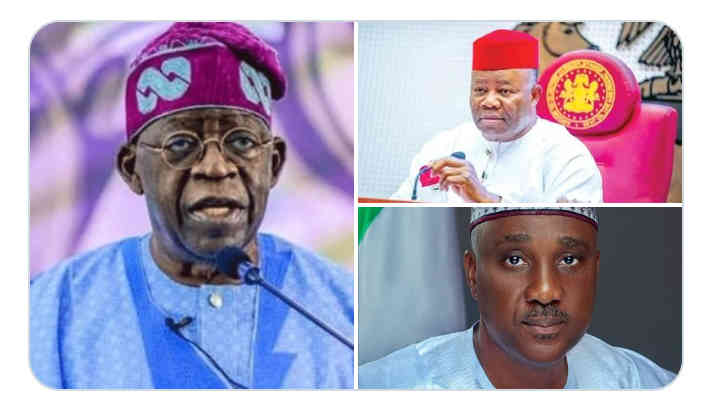
    Stop Blaming Governors for Hardship, Tinubu Gets 52% Federation Revenue — APC Gov Tells Nigerians

    Jackson’s pardon effectively concludes one of Nigeria’s most debated criminal cases in recent history, which had attracted significant attention from human rights organizations, religious groups, and civil society activists both within Nigeria and internationally.


    A Case That Polarized the Nation

    Jackson was convicted and sentenced to death following a legal battle that reached the Supreme Court, which upheld his conviction for the killing of a Fulani herdsman who allegedly attacked him on his farm in Adamawa State. Supporters of Jackson consistently maintained that the incident occurred in self-defence, asserting that the herdsman, armed during the confrontation, posed an immediate threat to Jackson’s life.


    The case became emblematic of the longstanding farmer–herder conflict affecting many regions in Nigeria. Critics argued that Jackson’s conviction highlighted systemic gaps in the criminal justice system, particularly in protecting rural farmers from violent attacks with minimal intervention from security agencies.


    Religious leaders and Christian organizations framed the case as a miscarriage of justice, pointing to perceived biases against Christian communities in conflict-prone areas. Human rights groups repeatedly advocated for clemency, emphasizing that Jackson’s actions met both legal and moral thresholds for self-defence.

    Clemency Following Years of Advocacy

    Governor Fintiri’s pardon followed recommendations from the Adamawa State Advisory Council on the Prerogative of Mercy, a statutory body tasked with reviewing cases for possible pardon or sentence commutation. The governor’s Chief Press Secretary, Humwashi Wonosikou, confirmed the decision, stating that it was reached after thorough consideration of the facts and Jackson’s conduct during imprisonment.


    Atiku Accuses Presidency of Forging Tinubu’s Tax Reform Law, Calls It Treason Against Nigerians

    In addition to Jackson, the governor granted clemency to two other inmates and commuted the sentences of five others, citing evidence of rehabilitation and good behavior. According to the state government, the clemency exercise was intended to “promote justice tempered with mercy,” particularly during the festive period.

    “The governor acted within the powers granted to him by the Constitution,” Wonosikou said. “This decision reflects compassion, fairness, and a commitment to correcting outcomes that may no longer serve the interest of justice.”

    International Spotlight and Heightened Pressure

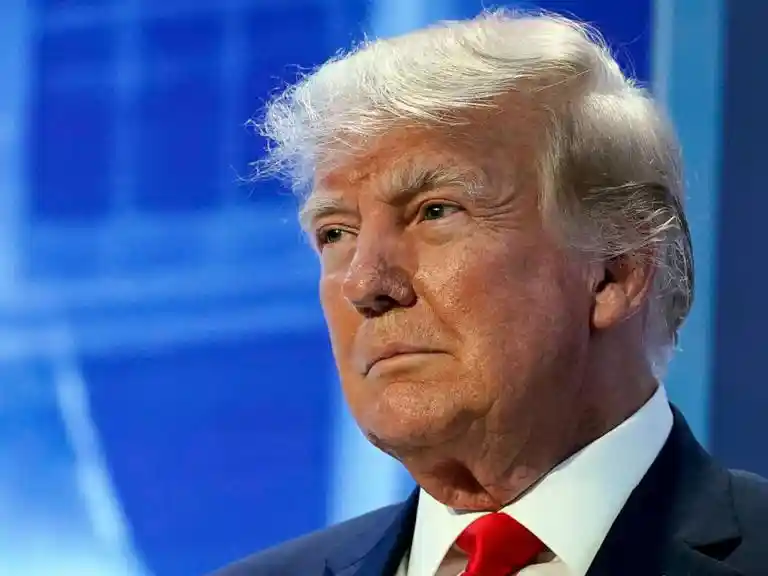
    Jackson’s case received renewed global attention in recent weeks amid international concerns, including reported statements by former U.S. President Donald Trump regarding the persecution of Christians in parts of Nigeria. While the Adamawa State Government did not explicitly link the pardon to foreign pressure, human rights activists noted that international scrutiny likely reinforced calls for Jackson’s release.


    Civil society advocates argue that the combination of local campaigns and international attention created a climate in which authorities could no longer ignore public consensus on Jackson’s situation.


    “This is a victory for justice, not just for Sunday Jackson, but for countless farmers living in fear and feeling abandoned by the system,” said one campaigner involved in the advocacy effort. “It demonstrates that persistent advocacy and public engagement can drive meaningful change.”


    Reactions and Ongoing Legal Questions

    News of Jackson’s pardon elicited widespread relief and celebration. Supporters, who had followed the case for over a decade, welcomed his release across social media and public forums. Many also called for reforms to better protect farmers and clarify self-defence laws in Nigeria’s criminal justice system.

    Legal analysts, however, caution that while the pardon grants freedom, it does not overturn Jackson’s conviction, leaving unresolved questions about judicial precedent and accountability. The case underscores broader systemic challenges, including rural insecurity and judicial complexities that continue to affect vulnerable communities.

    As Sunday Jackson steps out of prison after more than a decade awaiting execution, his story serves as both a personal victory and a reminder of the structural reforms needed to prevent similar cases in the future.

  • Super Eagles Defeat Tanzania 2-1 in AFCON 2025 Group C Opener

    Super Eagles Defeat Tanzania 2-1 in AFCON 2025 Group C Opener

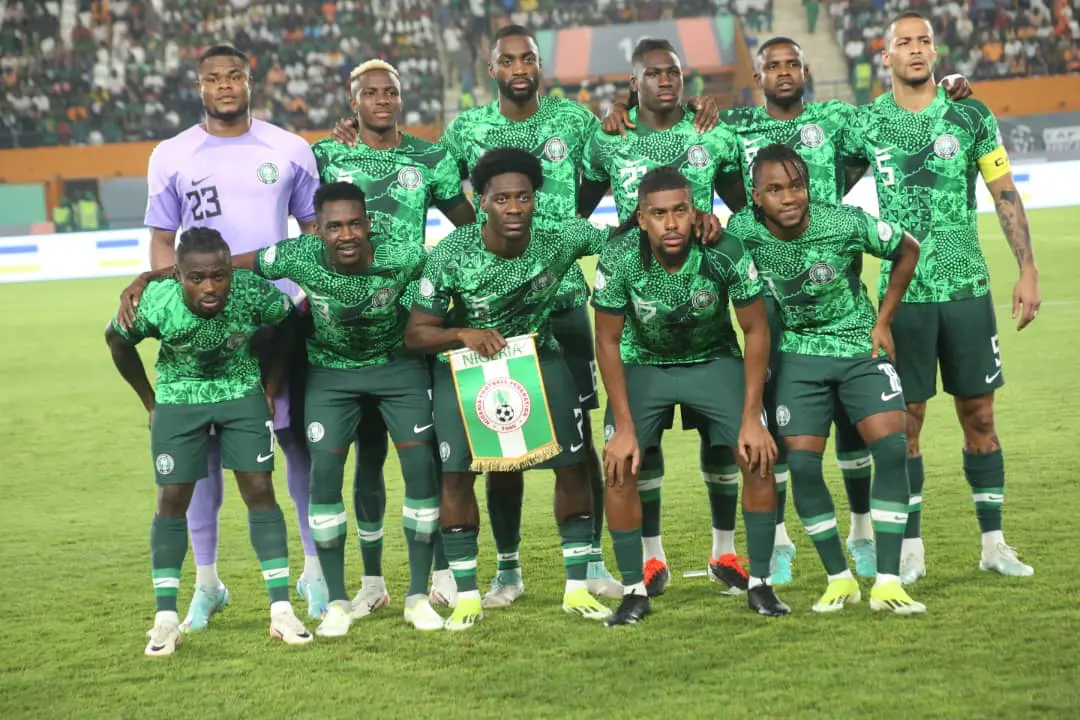
    The Super Eagles of Nigeria began their 2025 Africa Cup of Nations (AFCON) campaign with a hard-fought 2-1 victory over Tanzania’s Taifa Stars in their opening Group C fixture in Morocco.

    The encounter, played in Fes, saw Nigeria recover from a brief setback in the second half to secure all three points, boosting their chances of progressing from a competitive group.

    Ejes Gist News reports that the Super Eagles delivered a largely dominant performance, controlling possession and creating the clearer chances, despite facing stubborn resistance from the Tanzanian side.

    Ajayi Opens Scoring for Nigeria

    Nigeria took the lead in the 37th minute following sustained pressure in the Tanzanian half. Defender Semi Ajayi rose highest to head home a well-delivered cross from Alex Iwobi, rewarding the Super Eagles for their aggressive start and territorial dominance.

    Victor Osimhen came close to doubling Nigeria’s advantage before the break, but his effort was cleared off the line, while Akor Adams also struck the woodwork as Tanzania struggled to contain Nigeria’s attacking movement.

    Nigeria vs Tanzania Full Time Results ( 2:1)

    The first half ended with Nigeria firmly in control, leading 1-0 and limiting Tanzania to a handful of half-chances.

    Tanzania Equalise After Restart

    The Taifa Stars returned from the interval with renewed intensity and drew level shortly after the restart. A swift attacking move caught Nigeria momentarily out of shape, allowing Tanzania to convert clinically and make it 1-1.

    Moments later, Osimhen found the back of the net for Nigeria, but the goal was ruled out for offside, delaying the Super Eagles’ push to regain the lead.

    Lookman’s Strike Seals Victory

    Nigeria restored their advantage in the 52nd minute through Ademola Lookman. The forward produced a powerful strike from outside the penalty area, beating the Tanzanian goalkeeper and reasserting Nigeria’s control over the match.

    Following the goal, head coach Eric Chelle introduced fresh legs, bringing on Moses Simon and Fisayo Dele-Bashiru to maintain tempo and defensive balance.

    Tanzania pushed forward in search of another equaliser, but Nigeria’s defence held firm, with goalkeeper Stanley Nwabali making key interventions to preserve the lead.

    Strong Start to Group Campaign

    The win places Nigeria in a strong position in Group C as the Super Eagles look to advance deep into the tournament. The performance highlighted Nigeria’s attacking depth and resilience, particularly in response to Tanzania’s second-half equaliser.

    Nigeria will now turn attention to their next group fixture, aiming to build momentum and secure early qualification for the knockout stages of the 2025 AFCON.

  • Nigeria vs Tanzania Full Time Results ( 2:1)

    Nigeria vs Tanzania Full Time Results ( 2:1)

    Get real-time updates from the Nigeria vs Tanzania Group C clash at the 2025 Africa Cup of Nations (AFCON) in Morocco, as the Super Eagles begin their continental campaign.

    The Super Eagles of Nigeria are facing Tanzania’s Taifa Stars in their opening Group C fixture of the 2025 AFCON, currently underway in Fes, Morocco. The encounter marks Nigeria’s first step in a campaign widely seen as a chance for redemption following their failure to qualify for the 2026 FIFA World Cup.


    Ejes Gist News reports that head coach Eric Chelle named a strong and attacking starting XI, underlining Nigeria’s intent to secure all three points against a disciplined Tanzanian side.

    Below are live, minute-by-minute updates from the match.


    Match Details

    • Fixture: Nigeria vs Tanzania
    • Competition: AFCON 2025
    • Group: C
    • Venue: Fes, Morocco
    • Nigeria Goals: Semi Ajayi, Ademola Lookman
    • Tanzania Goals: One goal (equaliser)

    Nigeria vs Tanzania Live Match Updates

    95′ The game is still 2-1 despite Nigeria’s continued dominance in the match!


    67′ Osimhen gets a through ball. His shot is not strong enough to beat the keeper!


    59’
    Substitutions for Nigeria as Coach Eric Chelle refreshes the attack.

    • On: Fisayo Dele-Bashiru, Moses Simon
    • Off: Samuel Chukwueze, Akor Adams

    52’ – GOAL (Nigeria 2-1 Tanzania)
    Nigeria restore their lead. Ademola Lookman unleashes a powerful strike from outside the penalty area, leaving the Tanzanian goalkeeper with no chance. The Super Eagles are back in front.

    Also Read : Egypt Stage Late Comeback to Defeat Zimbabwe in AFCON 2025

    50’ – GOAL (Nigeria 1-1 Tanzania)
    Tanzania equalise shortly after the restart with a swift and clinical finish, punishing a brief lapse in Nigeria’s defensive organisation.

    46’
    Second half underway. No changes for Nigeria. Victor Osimhen finds the net early, but the goal is ruled out for offside after a quick check.

    45’
    Half-time whistle. Nigeria head into the break with a 1-0 advantage after a dominant first-half display.


    First Half Highlights

    37’ – GOAL (Nigeria 1-0 Tanzania)
    The Super Eagles break the deadlock. Semi Ajayi rises highest to power home an Alex Iwobi cross, giving Nigeria a deserved lead.

    35’
    Victor Osimhen rounds the goalkeeper, but a Tanzanian defender clears the ball off the line to deny Nigeria a second goal.

    30’
    Half an hour played. Nigeria control possession and territory but are still searching for greater cutting edge in the final third.

    20’
    Despite sustained early pressure, the Super Eagles struggle to convert chances into goals.

    13’
    Tanzania threaten with a rare attacking move, but the acrobatic effort is comfortably saved by Nigeria goalkeeper Stanley Nwabali.

    10’
    Akor Adams strikes the woodwork from a corner kick, with Tanzania narrowly escaping. Adams later receives treatment after a challenge.

    05’
    Samuel Chukwueze fires a shot straight at the Tanzanian goalkeeper as Nigeria continue to probe.

    02’
    Zaidu Sanusi delivers an early cross into the box, but no Nigerian attacker is able to connect.

    01’
    Kick-off in Fes. The match is underway.


    Tactical Overview

    Nigeria have dominated possession for large spells, using width through Chukwueze and Sanusi while relying on Osimhen’s movement to stretch the Tanzanian backline. Tanzania, on the other hand, have adopted a deep defensive shape, looking to capitalise on counter-attacks and set-piece situations.

    The introduction of Moses Simon and Dele-Bashiru adds pace and directness as Nigeria push to secure control of the match.


    Stay With Us

    This page will be updated with further developments, key incidents, and the final result from the Nigeria vs Tanzania AFCON 2025 Group C encounter. Refresh regularly for the latest verified updates.

  • Atiku Accuses Presidency of Forging Tinubu’s Tax Reform Law, Calls It Treason Against Nigerians

    Atiku Accuses Presidency of Forging Tinubu’s Tax Reform Law, Calls It Treason Against Nigerians

    Former Vice President Atiku Abubakar has accused the administration of President Bola Ahmed Tinubu of illegally altering Nigeria’s tax reform law after it was passed by the National Assembly, describing the alleged act as treasonous and a direct attack on the country’s constitutional democracy.


    In a strongly worded public statement issued on December 23, 2025, Atiku alleged that substantive provisions were inserted into the tax legislation without legislative approval, in violation of the 1999 Constitution. He warned that allowing such actions to stand would undermine the rule of law and weaken Nigeria’s democratic institutions.


    Ejes Gist News reports that Atiku anchored his claims on Sections 4 and 58 of the Constitution, which vest law-making authority exclusively in the National Assembly and outline the strict procedure through which bills become law following presidential assent.

    Allegations of Post-Passage Alterations

    According to the former vice president, the version of the tax reform law currently in circulation contains provisions that were not debated or approved by lawmakers before transmission for presidential assent.

    He argued that any modification of a bill after passage by the National Assembly amounts to forgery and renders such provisions unconstitutional and invalid under Nigerian law.

    Atiku described the alleged alterations as a “brazen assault” on legislative supremacy and accused the executive arm of overreach aimed at expanding state power at the expense of citizens’ rights.

    Claims of Expanded Enforcement Powers

    One of the central issues raised in the statement is the alleged expansion of enforcement powers granted to tax authorities.

    Atiku claimed that the enacted law now includes provisions empowering tax officials to carry out arrests, seize property, garnish assets, and conduct enforcement sales without court orders or judicial oversight.

    He argued that these powers were not part of the bill approved by the National Assembly and that their inclusion effectively transforms tax authorities into quasi-law enforcement agencies.

    According to him, such measures strip Nigerians of due process protections deliberately preserved during legislative deliberations and expose citizens to abuse of power.

    Alleged Increase in Financial Burdens

    The former vice president also alleged that the law was altered to impose additional financial obligations on individuals and businesses.

    He listed provisions requiring taxpayers to deposit 20 percent of disputed assessments before filing appeals, the application of compound interest on tax debts, and expanded quarterly reporting requirements with lower thresholds.

    Atiku further claimed that the law mandates United States dollar-based computation for petroleum operations, a move he said could increase compliance costs and financial exposure for operators in the sector.

    He warned that these measures could prevent ordinary Nigerians from challenging unfair tax assessments while worsening the operating environment for businesses already grappling with economic hardship.

    Removal of Oversight and Accountability Provisions

    Another major concern raised relates to alleged deletions of accountability mechanisms previously included by lawmakers.

    Atiku claimed that the enacted version of the law removed provisions requiring quarterly and annual reports to the National Assembly, eliminated strategic planning submission obligations, and stripped away ministerial supervisory roles over tax agencies.

    He argued that the removal of these safeguards weakens institutional oversight and concentrates excessive authority within the executive branch.

    According to him, expanding state power while dismantling checks and balances reflects authoritarian tendencies inconsistent with constitutional democracy.

    Broader Economic and Governance Criticism

    Beyond the legal allegations, Atiku linked the disputed tax law to Nigeria’s broader economic challenges.

    He argued that the government is prioritising aggressive revenue extraction over policies that support economic growth, job creation, and poverty reduction.

    The former vice president cited persistently high poverty levels, widespread unemployment, and inflationary pressures as evidence that Nigerians are already under severe economic strain.

    He maintained that sustainable tax revenue should come from empowering citizens and businesses to thrive, rather than imposing punitive measures that erode purchasing power and weaken legal protections.

    Atiku Calls for Immediate Action

    In the statement, Atiku issued a series of demands to key institutions of state.

    He called on the executive branch to immediately suspend implementation of the tax reform law, which is scheduled to take effect on January 1, 2026, to allow for a full investigation into the alleged alterations.

    How to Get Your TIN, Verify Your TIN, and Submit It to Your Bank in Nigeria


    He urged the National Assembly to review the law, reverse any illegal changes through proper legislative processes, and hold those responsible for the alleged constitutional breach accountable.

    Atiku also appealed to the judiciary to strike down any unconstitutional provisions and reaffirm the sanctity of the legislative process.

    In addition, he called on civil society organisations and Nigerians at large to resist what he described as an assault on democratic principles and demand governance that prioritises the welfare of citizens.


    EFCC Urged to Investigate

    The former vice president further called on the Economic and Financial Crimes Commission (EFCC) to investigate and prosecute individuals found culpable in the alleged illegal alteration of the law.

    He argued that tampering with duly passed legislation to impose financial burdens on citizens amounts to extortion and fraud against the Nigerian people.

    Atiku stressed that “what the National Assembly did not pass cannot become law,” warning that failure to defend this principle could lead to arbitrary governance where constitutional safeguards lose meaning.


    Government Yet to Respond

    As of the time of filing this report, the Presidency, the Federal Ministry of Finance, and the National Assembly had not issued official responses to Atiku’s allegations.


    The tax reform law is a key component of the Tinubu administration’s fiscal policy agenda, aimed at boosting revenue and restructuring Nigeria’s tax system.


    If the allegations of post-passage alterations are substantiated, they could raise serious legal and constitutional questions about the validity of the law and the integrity of Nigeria’s legislative process.


    The claims have added to ongoing national debate over tax policy, executive authority, and adherence to constitutional procedures, with calls mounting for transparency and institutional clarification.

  • Stop Blaming Governors for Hardship, Tinubu Gets 52% Federation Revenue — APC Gov Tells Nigerians

    Stop Blaming Governors for Hardship, Tinubu Gets 52% Federation Revenue — APC Gov Tells Nigerians

    Katsina State Governor, Malam Dikko Radda, has urged Nigerians to stop directing public anger solely at state governors and local government chairmen over the country’s worsening economic hardship, stating that the Federal Government controls more than half of the monthly Federation Account revenue.


    The governor made the remarks during an interview on Radio France Internationale (RFI) Hausa, where he explained that Nigeria’s revenue-sharing formula structurally favours the Federal Government, leaving states and local governments with a smaller share despite rising public expectations and expanding responsibilities.


    Ejes Gist News reports that the comments come amid sustained scrutiny of subnational governments following the removal of fuel subsidy and the consequent increase in statutory allocations.

    Revenue Allocation Formula at the Centre of Debate

    Governor Radda said public frustration often targets governors because citizens assume state governments receive the bulk of national revenue. He rejected that assumption, citing the Federation Account Allocation Committee (FAAC) sharing formula.

    According to him, the Federal Government receives 52 per cent of federation revenue, while the remaining 48 per cent is shared among the 36 states and 774 local government areas.

    “Whenever there is hardship, people blame governors and local governments,” Radda said. “But when revenue is shared, 52 per cent goes to the Federal Government. It is the remaining 48 per cent that is shared among the 36 states and 774 local governments.”

    He added that this structure has been in place for decades, arguing that Nigerians should interrogate how the larger federal share has been deployed over time.

    “For decades, the Federal Government has been receiving the larger share of federation revenue,” the governor said. “So the question Nigerians should be asking is: where has the bulk of that money gone?”

    Context: Post-Subsidy Pressure on State Governments

    The governor’s comments come against the backdrop of economic reforms that significantly altered Nigeria’s fiscal landscape, particularly the removal of fuel subsidy. While the policy led to increased monthly FAAC disbursements, it also triggered sharp increases in transport costs, food prices, and general living expenses.

    As hardship intensified, public discourse increasingly focused on state governments, with demands for greater transparency on how additional allocations were being spent. Several civil society organisations and labour groups have questioned whether higher revenues have translated into improved welfare for citizens.

    Governor Radda acknowledged the pressure but insisted that the scale of challenges facing states has expanded alongside revenue increases. He pointed to rising wage bills, higher costs of governance, security demands, and social welfare obligations as factors consuming state resources.

    Federal Dominance in Fiscal Control

    Beyond the percentage share of revenue, Radda’s argument also touches on the broader issue of fiscal centralisation in Nigeria. The Federal Government controls major revenue sources, including crude oil sales, customs duties, company income tax, and value-added tax administration.

    States largely depend on monthly FAAC allocations and internally generated revenue (IGR), which varies widely across the federation. Many northern states, including Katsina, rely heavily on federal transfers due to limited industrial bases and security challenges that constrain economic activity.

    By highlighting the 52 per cent federal share, Radda positioned the hardship debate within a structural framework rather than individual governance failures at the state level.

    Corruption Allegations and Individual Accountability

    The Katsina governor also addressed widespread allegations of corruption against political office holders, particularly governors. He cautioned against broad generalisations, arguing that leadership performance and integrity should be assessed on an individual basis.

    “Leadership is about individual integrity,” Radda said. “It is wrong to generalise and label everyone the same way.”

    He maintained that not all elected officials engage in corrupt practices and that accountability mechanisms should focus on specific actions rather than blanket accusations.

    “Public office holders would ultimately be held accountable for their actions,” he added.

    This stance reflects ongoing national debates about governance, transparency, and trust in public institutions, especially during periods of economic strain when public scrutiny tends to intensify.

    Defence of Capital Spending Amid Hardship

    Governor Radda used the interview to defend his administration’s continued investment in capital projects, despite criticisms that governments should prioritise direct palliatives during economic downturns.

    He argued that infrastructure development remains one of the fastest and most sustainable ways to stimulate grassroots economic activity.

    “When you execute capital projects, you create jobs and bring money down to the people at the grassroots,” he said. “Labourers earn wages, food vendors make sales, and suppliers benefit.”

    According to the governor, capital spending creates a multiplier effect that spreads across local economies, supporting households beyond the immediate beneficiaries of government contracts.

    Economic Activity at the Local Government Level

    Radda said the impact of Katsina State’s capital investments is already visible across local government areas. He claimed that funds released for projects have translated into increased commercial activity in rural communities.

    “If you go to the local governments today, you will see a lot of economic activity because funds have reached the communities,” he said.

    The governor’s assertion aligns with development economics arguments that public works can serve as short-term economic stabilisers while also delivering long-term infrastructure benefits.

    Public Expectations and Governance Realities

    The comments reflect the growing tension between public expectations and governance realities in Nigeria’s federal system. Citizens often expect immediate relief from state governments, which are closer to the people and more visible than federal institutions.

    However, governors frequently argue that limited fiscal autonomy and resource constraints restrict their ability to address nationwide economic shocks.

    Radda’s remarks underscore this disconnect, suggesting that public discourse has not fully accounted for the distribution of fiscal power within the federation.

    Calls for Broader National Accountability

    By shifting attention to the Federal Government’s share of revenue, the Katsina governor implicitly called for broader national accountability. His comments suggest that economic hardship should be examined through the lens of intergovernmental relations, policy choices, and long-term fiscal management.

    Analysts note that debates over revenue sharing and fiscal federalism have persisted since Nigeria’s return to democratic rule, with repeated calls for constitutional and policy reforms to grant states greater control over resources.

    Mixed Reactions Likely

    While supporters may view Radda’s comments as a factual clarification of Nigeria’s revenue structure, critics are likely to argue that state governments still bear responsibility for prudent spending, transparency, and service delivery within their jurisdictions.

    Public reaction to such statements often reflects broader political and regional sentiments, especially during periods of economic difficulty.

    Broader Implications for Federalism Debate

    Governor Radda’s intervention adds to the ongoing national conversation about restructuring, fiscal decentralisation, and the balance of power between federal and subnational governments.

    The question of who controls resources, who spends them, and who is accountable for outcomes remains central to Nigeria’s governance challenges.

    As economic pressures persist, such debates are expected to intensify, with citizens demanding clearer explanations and measurable results from all tiers of government.

    Background on Governor Dikko Radda

    Malam Dikko Radda is the elected governor of Katsina State, a predominantly agrarian state in Nigeria’s North-West geopolitical zone. His administration has prioritised agriculture, infrastructure, and security amid challenges posed by banditry and economic volatility.

    His comments on federation revenue reflect a broader effort by state leaders to contextualise governance constraints while responding to public dissatisfaction.

    The hardship facing Nigerians has become a defining issue in public discourse, cutting across political affiliations and regions. Statements such as Radda’s highlight the complexity of assigning responsibility within a federal system where revenue collection and spending authority are unevenly distributed.

    As discussions continue, attention remains focused on how resources are allocated, managed, and translated into tangible improvements in living standards across the country.

  • Week 26 Pool Result 2025 – Sat, Dec 27: UK Wk 26 Pool Results from Pool Agent

    Week 26 Pool Result 2025 – Sat, Dec 27: UK Wk 26 Pool Results from Pool Agent

    Www poolresult com, UK Week 26 Pool Result 2025 for Saturday, December 27 from Pool Agent is out? 

    Yes, you can now access www poolresult com, live UK pool results, and Week 26 Pool Result 2025 from Pool Agent here on Ejes Gist News.


    This webpage contains Week 26 poolresult saturday and Sunday from Pool Agent, this week pool result, Wk26 UK Week 26 pool result from today’s Saturday matches, pool live score result, and soccer pool results.  Soccer lives score results, latest live football pool results, current Week 26 pool results, pool fixtures, and pools panel results. Premier League results, Wk26 Pool Fixture, and Week 26 poolresult this Week 26 pool fixtures 2025.

    Ejes Gist News also reports that www poolresult com,  Football Week 26 pool coupon result for this week are published on this online platform immediately after Full-Time confirmation of live scores.  Also, we publish the latest outcome of the Pool Panel at Half-Time once  match Results is decided by the Football Pools Panel Association or Pool Agent. See Pool Fixtures for Week 26 2025.


    Related: Week 25 Pool Result 2025 Sat Dec 23: UK Wk25 pool results from Pool Agent

    Ejes Gist News  publishes Half-Time and Full-Time Results, the first of its kind in Africa.

    Therefore, the Full-Time Football Results Today  www poolresult com from Pool Agent for Week 26 Pool Result 2025 can be accessed below

     You can change your phone to desktop mode or slide left if you are not seeing full results. Please refresh to get the results.


    WEEK: 26; SEASON: UK 2025/2026; DATE: 27-12-2025
    Pools Fixtures Status
    1 Arsenal Brighton Saturday
    2 Brentford Bournemouth Saturday
    3 Burnley Everton Saturday
    4 Chelsea Aston Villa LKO
    5 Crystal P. Tottenham Sunday
    6 Liverpool Wolves Saturday
    7 Sunderland Leeds Utd. Sunday
    8 West Ham Fulham Saturday
    9 Birmingham Southampton Monday
    10 Coventry Ipswich Monday
    11 Leicester Derby Monday
    12 Middlesbro Hull Monday
    13 Millwall Bristol C. Monday
    14 Norwich Watford Monday
    15 Oxford Utd. Swansea Monday
    16 Portsmouth Charlton Monday
    17 Sheff Wed. Blackburn Monday
    18 Stoke Sheff Utd. Monday
    19 West Brom Q.P.R. Monday
    20 Wrexham Preston Monday
    21 A.Wimbledon Exeter Monday
    22 Barnsley Lincoln Monday
    23 Blackpool Rotherham Monday
    24 Bolton Mansfield Monday
    25 Bradford C. Port Vale Monday
    26 Burton A. Wigan A. Monday
    27 Cardiff Stevenage Monday
    28 Huddersfield Northampton Monday
    29 Luton Leyton O. Monday
    30 Peterboro Reading Monday
    31 Plymouth Wycombe Monday
    32 Stockport Doncaster Monday
    33 Accrington Harrogate Monday
    34 Bristol R. Barnet Monday
    35 Cheltenham Swindon Monday
    36 Chesterfield Cambridge U. Monday
    37 Crawley Bromley Monday
    38 Gillingham Colchester Monday
    39 Grimsby Shrewsbury Monday
    40 Milton K.D. Notts Co. Monday
    41 Newport Co. Crewe Monday
    42 Salford C. Fleetwood Monday
    43 Tranmere Barrow Monday
    44 Walsall Oldham Monday
    45 Aberdeen Dundee Utd. LKO
    46 Dundee Falkirk Saturday
    47 Livingston Celtic Saturday
    48 Rangers Motherwell Saturday
    49 St Mirren Kilmarnock Saturday
    • Score Draw
    • NoScoreDraw

    Important Note on Week 26 Pool Results 2025

    Noscoredraw =  Draw but no goals  / ScoreDraw = Draws with goals 

    HT = Halftime (The match is still ongoing)

    Home = Home Win

    Away = Away Win

    Home/Away = (Already Declared “Home or Away”; Awaiting Pools Panel Decision)

    Void = Played on Friday.

    Week 19 Pool Result ,week 19 pool fixture, www poolresult com


    • Pool Agent, www poolresult com,  This week 26 Pool Result 2025/ 26

    Powered by Ejes Gist News Nigeria and Pool Agent. Thanks for using our reliable and trustworthy platform www poolresult com to check the pool results of Week 26 and Week 26 poolresult Wk2

    Therefore, thank you so much for visiting Ejes Gist News for Wk 26 2025 pool fixture, Week 26 UK pool fixture 2025, www pool result com, and Wk26 UK Pool result.

    That is all the information for today on Week 26 Pool Results 2025, www poolresult com Wk 26 UK Pool result, Www.wk26result.com, wk26 pool result 2025 and www poolresult com For more news and current sports news always www.ejesgist.ng

  • US Reveals Date To Suspend Visa Issuance To Nigerians

    US Reveals Date To Suspend Visa Issuance To Nigerians

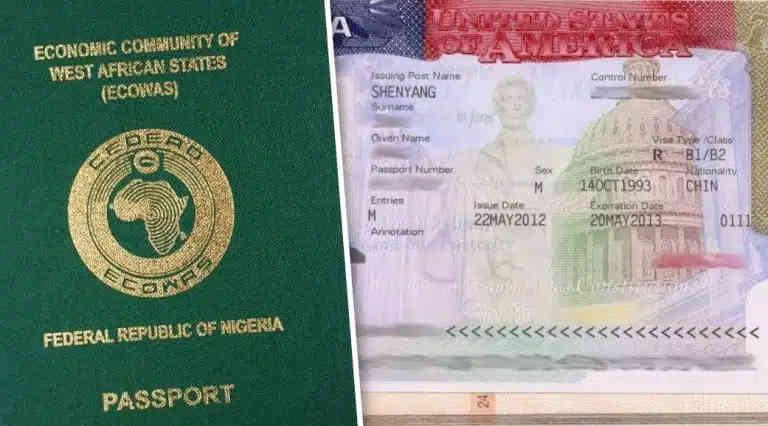
    The United States Embassy in Nigeria has announced that it will partially suspend visa issuance to Nigerian nationals starting January 1, 2026.


    Ejes Gist News reports that the directive was disclosed via the Embassy’s official X page on Monday night, highlighting that visa applicants should be aware that visa fees will remain non-refundable regardless of the outcome.

    Visa Suspension Applies to Multiple Categories

    Nigeria is among 19 countries affected by the new US immigration directive under Presidential Proclamation 10998, aimed at “restricting and limiting the entry of foreign nationals to protect the security of the United States.”

    The affected visa types include:

    • Nonimmigrant visas: B-1/B-2 visitor visas
    • Student and exchange visas: F, M, and J categories
    • Immigrant visas: All categories, with limited exceptions

    The list of countries impacted includes: Angola, Antigua and Barbuda, Benin, Burundi, Cote d’Ivoire, Cuba, Dominica, Gabon, The Gambia, Malawi, Mauritania, Nigeria, Senegal, Tanzania, Togo, Tonga, Venezuela, Zambia, and Zimbabwe.

    Exceptions to the Suspension

    The US government has outlined several exceptions where visa issuance will still proceed, including:

    • Immigrant visas for ethnic and religious minorities facing persecution in Iran
    • Dual nationals applying with a passport of a nationality not subject to suspension
    • Special Immigrant Visas (SIVs) for U.S. government employees under 8 U.S.C. 1101(a)(27)(D)
    • Participants in certain major sporting events
    • Lawful Permanent Residents (LPRs)

    Ejes Gist News gathered that these exceptions are designed to accommodate humanitarian, diplomatic, and special cases, even as general visa issuance is restricted.

    Implications for Nigerian Applicants

    Applicants for B-1/B-2 visitor visas, student visas, and immigrant visas are advised to plan ahead, as the suspension is set to take effect at 12:01 a.m. EST on January 1, 2026. The Embassy emphasized that visa fees are non-refundable, meaning that applicants who apply but are denied or affected by the suspension will not be reimbursed.

    Security analysts note that this move reflects Washington’s continued focus on immigration control and national security, while raising concerns among Nigerian students, professionals, and travelers planning to visit the United States in 2026.

    Canada Visa Application Portal, Requirements, and 8 Tips for Successful Application: Your Comprehensive Guide

    US Government Statement

    The Embassy’s post reads:

    “Effective January 1, 2026, at 12:01 a.m. EST, in line with Presidential Proclamation 10998 on ‘Restricting and Limiting the Entry of Foreign Nationals to Protect the Security of the United States,’ the Department of State is partially suspending visa issuance to nationals of 19 countries…with limited exceptions as outlined.”

    Ejes Gist News reports that Nigerian authorities have yet to comment on the new visa restrictions, though the announcement is expected to trigger discussions regarding bilateral travel and educational exchange programs.

  • Egypt Stage Late Comeback to Defeat Zimbabwe in AFCON 2025

    Egypt Stage Late Comeback to Defeat Zimbabwe in AFCON 2025

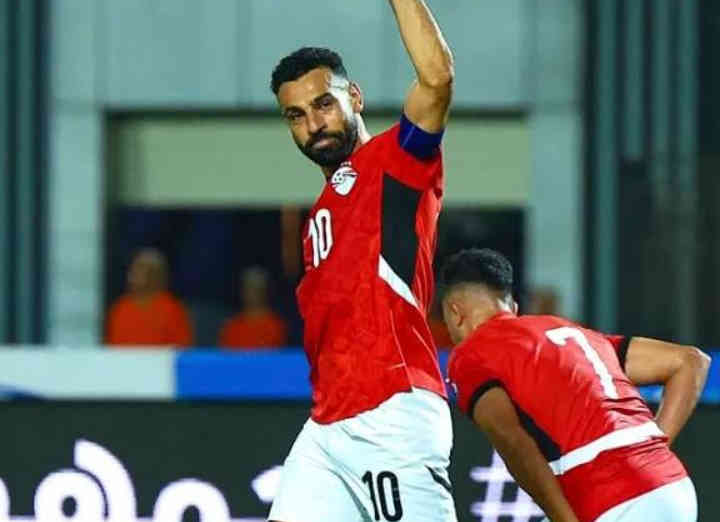
    Egypt secured a dramatic 2-1 victory over Zimbabwe in their opening Group stage match at the Africa Cup of Nations (AFCON) 2025. The Pharaohs came from behind to claim all three points, with goals from Omar Marmoush and Mohamed Salah overturning an early deficit.


    Ejes Gist News reports that Zimbabwe had taken a surprise lead in the first half, putting Egypt under pressure in the early stages of the match.

    Zimbabwe Takes Early Lead

    Zimbabwe opened the scoring in the 20th minute through Peter Dube, who capitalized on a defensive lapse in the Egyptian backline. The goal forced Egypt to chase the game, with the Pharaohs struggling to break down a disciplined Zimbabwean defense for much of the first half.

    The early strike from Dube energized Zimbabwe, giving them a rare advantage against one of Africa’s traditionally dominant teams. However, Egypt gradually grew into the game, increasing possession and creating several chances, though they were unable to convert before halftime.

    Egypt’s Equalizer: Marmoush Strikes

    Egypt’s persistence paid off in the 64th minute when Omar Marmoush found the back of the net. The forward displayed excellent positioning and composure, finishing a well-worked attacking move to level the score at 1-1.

    Ejes Gist News gathered that the goal shifted momentum in Egypt’s favor, forcing Zimbabwe to regroup while Egypt intensified pressure in search of a winner. Marmoush’s strike was met with loud cheers from Egyptian fans in the stadium, signaling a potential comeback.

    Salah Seals Victory in Injury Time

    The decisive moment came deep into stoppage time, with Mohamed Salah scoring in the 90+1 minute. Salah’s experience and sharpness in front of goal proved vital, as he slotted home a precise finish after a slick build-up play. The late goal confirmed Egypt’s 2-1 comeback victory and secured their first points in the AFCON 2025 Group stage.

    Ejes Gist News reports that Salah’s contribution not only ensured the win but also highlighted his status as one of Africa’s most influential players on the continental stage.

    Match Statistics and Analysis

    • Goals:
      • Zimbabwe: P. Dube 20′
      • Egypt: O. Marmoush 64′, M. Salah 90+1′
    • Possession: Egypt 58% – Zimbabwe 42%
    • Shots on Target: Egypt 7 – Zimbabwe 4
    • Corners: Egypt 6 – Zimbabwe 3

    Analysts note that Egypt’s resilience under pressure and ability to capitalize on key moments were decisive in overturning the early deficit. Zimbabwe, despite showing defensive discipline, could not hold off Egypt’s late surge.

    Implications for Group Standings

    With this win, Egypt positions itself strongly in the AFCON 2025 Group stage, earning three crucial points. Zimbabwe, meanwhile, faces an uphill battle to secure qualification after the opening-round loss.

    Ejes Gist News understands that Egypt will now focus on maintaining consistency in upcoming matches, while Zimbabwe will look to regroup and strengthen their attacking options for their next fixture.

  • US Intensifies Surveillance Over Nigeria After Trump Threats – Report

    US Intensifies Surveillance Over Nigeria After Trump Threats – Report

    The United States has reportedly intensified its intelligence and surveillance operations over Nigeria following security warnings from US President Donald Trump. Recent reports indicate that new reconnaissance flights have been conducted across various parts of the country, highlighting Washington’s growing concern over Nigeria’s worsening security situation.


    Ejes Gist News reports that the surveillance activities reportedly began in late November, amid escalating concerns over terrorism, kidnappings, and religious violence affecting different regions in Nigeria. The operations are believed to be part of broader intelligence-gathering efforts, although official details remain scarce due to the sensitive nature of the missions.


    Background: US Surveillance and Presidential Warnings

    President Trump had previously raised alarms over Nigeria’s security situation, specifically citing threats to Christian communities in the country. His comments prompted international attention and renewed debate on religiously motivated attacks and general insecurity. While Trump’s warnings sparked diplomatic discussions, the US response appears to have extended into concrete intelligence measures, including the deployment of surveillance aircraft to monitor security threats.


    Although the US has not officially disclosed the objectives of the surveillance missions, analysts suggest the timing aligns with heightened concerns about militant activity, kidnappings of foreign nationals, and cross-border security threats in West Africa.

    Flight Operations and Strategic Bases

    Available flight records indicate that the reconnaissance aircraft primarily operate from Ghana, with Accra serving as the main logistical hub. The planes reportedly enter Nigerian airspace, conduct surveillance operations, and return to their base in Accra.

    The operator of the flights has been identified as Tenax Aerospace, a US-based company known for providing special mission aircraft linked to American military operations. Security experts note that Ghana’s strategic location makes it a preferred base for US operations in West Africa. Its well-established infrastructure and political stability offer a safe staging point for regional intelligence activities.

    Analysts believe that this operational choice also reflects broader US strategic objectives in West Africa, particularly after Niger reportedly restricted American forces and increased ties with Russia. The intensified surveillance may signal a US effort to reassert its intelligence presence and maintain situational awareness across key parts of the region.

    Focus on Militant Groups and Kidnappings

    Security experts say the intelligence flights are likely concentrating on active armed groups, including Boko Haram and the Islamic State West Africa Province (ISWAP), particularly in northern Nigeria. These groups have remained a persistent threat, engaging in attacks on civilians, kidnapping operations, and cross-border movements that destabilize the region.

    Ejes Gist News gathered that intelligence officials are also reportedly using the missions to track individuals involved in high-profile kidnappings, including a recently abducted American pilot. While US authorities remain tight-lipped, the operations are considered critical for both regional security and the protection of American citizens abroad.

    Nigerian Government Response

    The Nigerian government has publicly refuted claims that security threats disproportionately target Christian communities. Military and government officials argue that armed groups attack both Muslims and Christians, emphasizing that the crisis is fueled by a mix of terrorism, banditry, and organized criminal networks.

    A Nigerian security source confirmed that both countries reached an agreement on intelligence cooperation during a high-level security meeting in November. The accord reportedly included the deployment of air assets to assist in intelligence gathering, demonstrating collaboration between Nigeria and the United States despite diplomatic sensitivities.

    Surveillance Aircraft and Capabilities

    The aircraft involved in these operations is reportedly a modified Gulfstream V jet. Such planes are commonly used for intelligence, surveillance, and reconnaissance (ISR) missions due to their long-range capabilities, high-altitude performance, and adaptability for advanced sensor equipment.

    Security analysts point out that the choice of aircraft allows the US to conduct extensive monitoring without deploying ground troops, thus reducing the operational footprint while maintaining intelligence coverage over critical areas in Nigeria.

    Implications for US-Nigeria Security Cooperation

    Ejes Gist News learnt that the surveillance flights are part of ongoing US-Nigeria security collaboration. Washington has consistently emphasized its commitment to working with Nigerian authorities to address terrorism, religious violence, and kidnapping threats.

    The operations also underline the importance of intelligence-sharing mechanisms between the two countries, particularly in the context of a growing insurgency in the Sahel and Lake Chad regions. By monitoring armed groups and potential terrorist activity, the US aims to provide actionable intelligence that can assist Nigerian security forces in mitigating attacks.

    Current Security Situation in Nigeria

    Nigeria has been facing increasingly severe security challenges across multiple states. Northern regions, including Kaduna, Zamfara, Katsina, and Borno, continue to experience deadly attacks, mass kidnappings, and abductions targeting schools and communities.

    President Bola Tinubu recently declared a nationwide security emergency in response to the rising threat, ordering large-scale recruitment into both the Nigerian Armed Forces and the police. The government’s actions aim to bolster national security and restore public confidence in state protection mechanisms.

    Analysts note that the US surveillance flights may provide vital intelligence to complement Nigeria’s domestic security efforts, particularly in areas where insurgent activity has historically overwhelmed local forces.

    Strategic Context in West Africa

    Observers highlight that the renewed US intelligence activity comes at a time of shifting geopolitical dynamics in West Africa. Several countries, including Niger and Mali, have reduced American military presence, while increasing collaboration with alternative partners such as Russia.

    Ejes Gist News reports that maintaining intelligence operations from Ghana allows the US to sustain monitoring capabilities in the region while navigating the evolving political landscape. Such operations also reflect a strategic commitment to curbing transnational threats that could destabilize West Africa and threaten US interests.

    Expert Analysis

    Security analysts assert that the timing and nature of the US flights suggest multiple objectives:

    • Tracking militant movements: Monitoring Boko Haram, ISWAP, and other armed groups in northern Nigeria.
    • Protecting foreign nationals: Gathering intelligence on high-profile kidnappings involving US citizens.
    • Supporting regional stability: Collecting data to anticipate cross-border threats and prevent the spread of violence into neighboring countries.
    • Maintaining strategic presence: Rebuilding American intelligence capacity in West Africa after reductions in military deployments elsewhere.

    Experts also point to the symbolic significance of the flights, noting that they send a strong signal to both Nigerian authorities and militant groups regarding the US commitment to regional security.

    Regional and International Reactions

    The US surveillance initiative has attracted attention from regional observers and international partners. While some view the flights as necessary for intelligence gathering and counterterrorism, others have raised concerns about sovereignty and the risk of escalating tensions between the US and Nigeria.

    Ejes Gist News reports that the Nigerian government has emphasized ongoing cooperation with the US, highlighting that the operations are conducted with mutual agreement and in support of national security priorities. This coordination seeks to balance the need for intelligence with respect for Nigeria’s sovereignty.

    What you should know

    The intensification of US surveillance flights over Nigeria underscores the persistent security challenges facing the country. As terrorist attacks, kidnappings, and banditry continue to threaten civilian populations, intelligence cooperation between the US and Nigeria remains a crucial component of regional security strategy.

    Ejes Gist News gathered that while operational details remain classified, the flights signal a renewed American commitment to West African security and highlight the complex interplay between local insurgencies, regional geopolitics, and international security partnerships.

  • BREAKING: 265 Abducted Niger Catholic Schoolchildren Regain Freedom

    BREAKING: 265 Abducted Niger Catholic Schoolchildren Regain Freedom

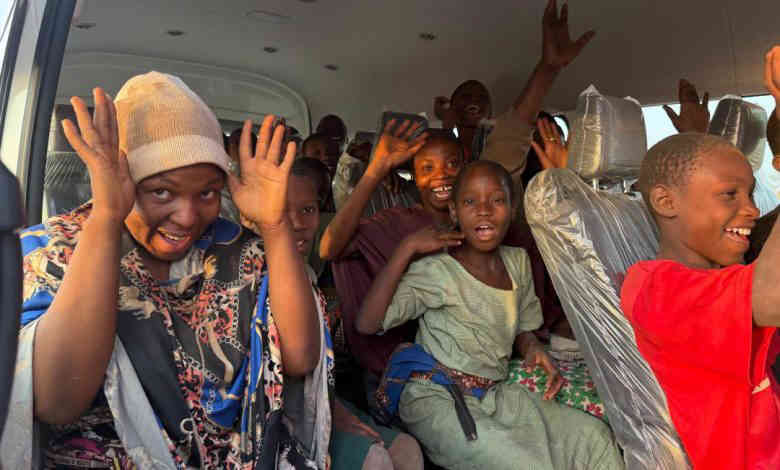
    All 265 schoolchildren abducted from St Mary’s Catholic Private Primary and Secondary School in the Papiri community of Agwara Local Government Area, Niger State, have regained their freedom, bringing an end to one of the most disturbing mass kidnappings of students in recent Nigerian history.


    The final batch of 115 pupils was released on Sunday, weeks after armed men stormed the Catholic boarding school and whisked hundreds of children away in the early hours of November 21, 2025. The release completes a phased rescue process that began shortly after the abduction and has now reunited all affected students with their families.


    Also Read: PDP Member Drags Oborevwori, INEC to Court over Defection to APC


    Ejes Gist News reports that the successful release followed sustained security operations involving multiple agencies, intelligence coordination, and prolonged negotiations aimed at securing the safe return of the children without further harm.


    Timeline of the Abduction

    The kidnapping occurred when heavily armed attackers invaded the school compound in Papiri, a rural community near the Niger–Kebbi border. The assailants reportedly overpowered local security and school guards before moving swiftly through the dormitories.

    During the attack:

    • 303 students were initially abducted
    • 12 teachers were also taken
    • The incident marked one of the largest school-related kidnappings recorded in Nigeria

    In the immediate aftermath, confusion and panic spread across the community as parents struggled to confirm the safety of their children.


    Early Escapes and First Releases

    Shortly after the abduction, authorities confirmed that about 50 students managed to escape on their own while being transported by the kidnappers. The children reportedly fled into nearby bushes under cover of darkness and later found their way to safety.

    Security operations intensified in the days that followed, leading to the release of approximately 100 students on December 8, 2025. Officials described that phase of the rescue as a breakthrough, noting that the freed pupils were in stable condition, though visibly traumatised.

    The remaining 115 pupils were held in captivity until the final release, which has now brought closure to the crisis.


    Final Release of 115 Pupils

    The release of the last group of abducted children on Sunday was confirmed by security sources and local authorities in Niger State. The pupils were received by government officials, security personnel, and medical teams before being handed over to their families.

    Preliminary checks indicated that:

    • All released pupils were alive
    • No fatalities were recorded among the abducted children
    • Medical and psychological evaluations were initiated immediately

    Officials described the outcome as a significant relief, particularly for families who had endured weeks of uncertainty and fear.


    Response from Security Agencies

    Security agencies involved in the operation described the rescue as the result of coordinated efforts across multiple fronts, including intelligence gathering, ground operations, and community engagement.

    While details of the operation remain restricted for security reasons, officials confirmed that:

    • No military confrontation occurred during the final release
    • Efforts prioritised the safety of the children
    • Negotiations played a role alongside pressure from security forces

    Authorities have maintained that investigations into the perpetrators are ongoing.


    Relief for Families and Community

    Scenes of emotional reunions played out in Papiri and surrounding communities as parents and guardians received their children after weeks of anguish.

    Many families had camped near government offices, churches, and security formations, holding vigils and prayer sessions throughout the period of captivity. Community leaders described the final release as a moment of collective relief and gratitude.

    Local residents noted that the incident had deeply affected schooling, livelihoods, and social life in the area, with many families temporarily relocating during the crisis.


    Catholic Church Reacts

    The Catholic Church, which owns and manages St Mary’s Catholic School, welcomed the release of all abducted pupils and expressed gratitude to security agencies, community leaders, and all parties involved in securing their freedom.

    Church officials reiterated calls for:

    • Improved security around faith-based and boarding schools
    • Greater protection for children in vulnerable communities
    • Stronger collaboration between government and local institutions

    The church also emphasised the need for trauma counselling and long-term support for the affected students.


    Government Position

    The Niger State Government acknowledged the release and described it as a major security success, while reiterating its commitment to protecting schools across the state.

    Government officials stated that measures are being reviewed to prevent a recurrence, including:

    • Enhanced security surveillance around schools
    • Community policing initiatives
    • Intelligence-sharing with neighbouring states

    The federal government has also been briefed on the development, given the scale of the abduction and its national implications.


    Wider Context of School Abductions in Nigeria

    The Niger State incident adds to a long list of school-related kidnappings that have plagued parts of northern and central Nigeria over the past decade.

    Security analysts note that:

    • Schools in rural areas remain high-risk targets
    • Boarding institutions are particularly vulnerable
    • Criminal groups increasingly view mass abductions as leverage for negotiations

    Although recent efforts have reduced the frequency of such attacks in some regions, the Papiri abduction underscored ongoing gaps in school security.


    Calls for Structural Reforms

    Following the release, civil society groups renewed calls for:

    • Stronger enforcement of the Safe Schools Initiative
    • Dedicated security funding for educational institutions
    • Early-warning systems in high-risk communities

    Education advocates stressed that repeated school kidnappings continue to undermine access to education and contribute to school dropouts, especially among girls and children from low-income families.


    Health and Psychological Support for Freed Pupils

    Medical teams have begun assessing the physical and mental wellbeing of the freed children. Officials confirmed that arrangements are being made for:

    • Trauma counselling
    • Medical follow-up
    • Gradual reintegration into school life

    Education authorities indicated that academic adjustments may be introduced to help the pupils recover lost learning time.


    What Happens Next

    Security agencies have confirmed that efforts are ongoing to track and apprehend those responsible for the abduction. Officials said intelligence from the rescue operation could aid future counter-kidnapping strategies.

    For now, attention remains focused on the recovery of the children and the restoration of normalcy in Papiri and neighbouring communities.

    The release of all 265 abducted Niger Catholic schoolchildren marks a significant moment of relief, but it also renews national debate on school safety, rural security, and the protection of children in conflict-prone areas.

  • PDP Member Drags Oborevwori, INEC to Court over Defection to APC

    PDP Member Drags Oborevwori, INEC to Court over Defection to APC

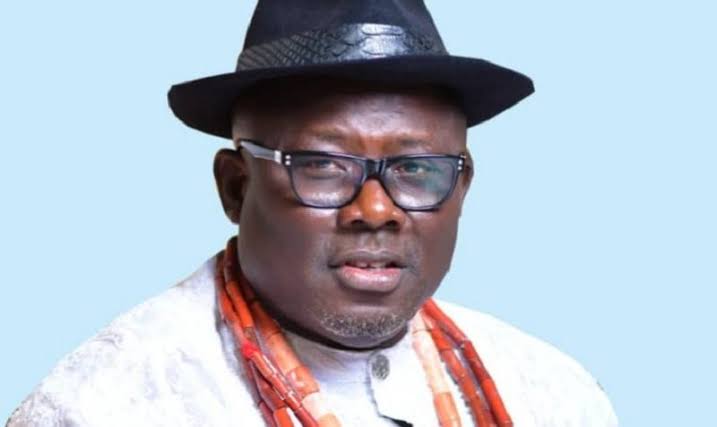
    Fresh details have emerged surrounding a new legal battle triggered by the defection of Delta State Governor, Sheriff Oborevwori, from the Peoples Democratic Party (PDP) to the All Progressives Congress (APC).


    The lawsuit, filed at the Federal High Court in Abuja, challenges the constitutional validity of the governor’s defection while he remains in office and seeks judicial clarification on whether a sitting governor can lawfully retain an electoral mandate after switching political parties.


    Ejes Gist News reports that the suit was instituted by Alex Akporute, a registered member of the PDP from Ward 3/7, Ughelli North Local Government Area of Delta State.


    Background to the Legal Action

    Governor Oborevwori’s recent defection to the APC has generated intense political debate within Delta State and beyond, particularly over its constitutional and electoral implications.

    The plaintiff contends that Oborevwori’s electoral mandate was secured under the platform of the PDP and cannot be lawfully transferred to another political party without undermining the will of the electorate.


    In the originating summons filed before the court, Akporute argues that while the Nigerian Constitution guarantees freedom of association, that right does not extend to allowing an elected office holder to migrate with a mandate freely given to a political party by voters.


    Parties Listed in the Suit

    Court documents show that the governor has been listed as the 1st defendant in the suit.

    Other defendants include:

    • The Peoples Democratic Party (PDP)
    • The All Progressives Congress (APC)
    • The Independent National Electoral Commission (INEC)
    • The Attorney-General of Delta State

    The case is marked Suit No: FHC/ABJ/CS/2601/2025.


    Filing Date and Court Assignment

    The suit was filed on December 3, 2025, according to court records.

    Documents obtained indicate that all defendants were duly served with hearing notices on December 17, 2025.

    The matter has been assigned to Justice Omotosho of the Federal High Court, Abuja Division, for hearing and determination.

    Also Read:


    Core Constitutional Questions Before the Court

    The plaintiff has asked the court to determine four key constitutional issues, with the central question being whether a sitting governor can defect to another political party and still lawfully retain the mandate obtained under a different party.

    Akporute maintains that the electoral mandate belongs to the PDP, which sponsored Oborevwori in the governorship election, rather than to the individual office holder.

    According to the suit, voters in Delta State cast their ballots for the PDP as a political party, not for the APC, and any post-election defection distorts the collective will of the electorate.


    Argument on Electoral Mandate

    In his legal argument, the plaintiff insists that political parties remain the primary vehicles for contesting elections under Nigeria’s constitutional framework.

    He argues that allowing a governor to defect mid-tenure without consequences effectively transfers the people’s mandate to a party they did not vote for, thereby weakening democratic accountability.

    The suit further contends that such actions undermine public confidence in elections and political institutions.


    Alleged Constitutional Breaches

    Akporute asserts that Governor Oborevwori’s continued stay in office after joining the APC violates multiple provisions of the 1999 Constitution (as amended) and the Electoral Act 2022.

    According to the originating summons, the governor cannot lawfully promote, implement, or align state policies with the APC, having not been elected under that party’s platform.

    The plaintiff maintains that any executive authority exercised on behalf of the APC lacks constitutional legitimacy.


    Four Reliefs Sought by the Plaintiff

    Among the reliefs sought before the court are:

    • A declaration that the governor’s constitutional rights cannot be exercised in a manner that conflicts with the electoral mandate granted to the PDP by voters in Delta State.
    • A declaration that any executive or political action taken by Oborevwori on the platform of the APC while in office is unconstitutional, null, and void.
    • An order restraining the APC from presenting itself as the ruling party in Delta State for as long as Oborevwori remains governor.
    • A declaration nullifying Oborevwori’s membership of the APC on grounds of constitutional and electoral violations.

    Interpretation of Freedom of Association

    A significant aspect of the suit revolves around Section 40 of the Constitution, which guarantees freedom of association.

    Akporute argues that while Oborevwori enjoys this constitutional right, it can only be fully exercised after resignation from office or upon the expiration of his tenure on May 29, 2027.

    According to the plaintiff, exercising freedom of association in a way that alters the political basis of an electoral mandate while still in office amounts to an abuse of constitutional rights.


    How the Case Differs from Previous Defection Suits

    Legal observers note that the suit takes a different approach from earlier cases involving defecting governors.

    Rather than asking the court to compel Oborevwori to vacate office, the plaintiff is seeking to restrict the political and executive consequences of the defection while the governor remains in power.

    This distinction may shape the court’s interpretation and ultimate ruling on the matter.

    The legal action comes amid reports that Governor Oborevwori has been actively participating in APC activities since his defection.

    These activities reportedly include attendance at high-level party meetings and public engagements associated with the APC’s political agenda.

    The developments have intensified political tension in Delta State, a region historically dominated by the PDP.


    Implications for Nigerian Democracy

    The outcome of the case could have far-reaching implications for Nigeria’s political system, particularly concerning party defections by elected executives.

    A ruling in favour of the plaintiff may redefine the limits of political realignment while in office, while a contrary decision could reinforce the personal nature of electoral mandates.


    What Happens Next

    The Federal High Court is expected to fix a hearing date, after which parties will present arguments on the constitutional questions raised.

    Until then, the case remains one of the most closely watched political litigations in the country, given its potential impact on party politics, electoral law, and governance.

  • 3 Steps on How to Get Your TIN, Verify Your TIN, and Submit It to Your Bank in Nigeria

    3 Steps on How to Get Your TIN, Verify Your TIN, and Submit It to Your Bank in Nigeria

    Detailed article on How to Get Your TIN, Verify Your TIN, Business TIN Registration and How to Submit It to Your Bank in Nigeria can be found here on Ejes Gist News. 


    Banks across Nigeria have commenced stricter enforcement of Tax Identification Number (TIN) requirements following recent reforms under the Nigeria Tax Administration Act 2025. The new framework strengthens tax administration and requires individuals and businesses to link a valid TIN to their bank accounts to enable seamless financial transactions, regulatory compliance, and proper tax records.


    For many Nigerians, the renewed enforcement has raised urgent questions about how to get your TIN, how to verify your TIN, and how to submit your TIN to your bank without delays. This guide provides a comprehensive, step-by-step explanation using official Joint Tax Board (JTB) portals and bank-approved channels.


    Why Banks Are Enforcing TIN Submission

    Ejes Gist News reports that Nigerian banks began intensified customer outreach after regulatory directives tied to the Nigeria Tax Administration Act 2025. The law mandates the integration of TINs with bank accounts to improve transparency, prevent tax evasion, and harmonise taxpayer data nationwide.

    Under the new enforcement:

    • Customers without a linked TIN may face transaction restrictions.
    • Corporate and individual accounts must provide valid TIN details.
    • Banks are required to update Know Your Customer (KYC) records with verified tax information.

    What Is a Tax Identification Number (TIN)?

    A Tax Identification Number is a unique number issued by the Joint Tax Board through the Federal Inland Revenue Service (FIRS) and State Internal Revenue Services. It identifies taxpayers across Nigeria and applies to:

    • Individuals
    • Sole proprietors
    • Partnerships
    • Registered companies and corporate organisations

    Understanding how to get TIN, how to get tin number in Nigeria, and how to get tin number online is now essential for banking, tax filing, and corporate compliance.


    How to Get Your TIN in Nigeria (Individuals)

    Many Nigerians searching for how to get your TIN or how to get tin number in nigeria online can now complete the process fully online.

    how to get tin number in nigeria, How To Get Your TIN
    How to get tin number in Nigeria

    Step-by-Step: How to Register for TIN as an Individual

    1. Visit the official Joint Tax Board Individual Registration Portal:
      https://tin.jtb.gov.ng/TinIndividualRequestExternal
    2. Select Individual TIN Registration.
    3. Enter required details:
      • National Identification Number (NIN) or Bank Verification Number (BVN)
      • Full name
      • Date of birth
      • Contact details
    4. Submit the form and generate a Request ID.
    5. Track approval and receive your TIN electronically.

    This process answers common queries such as how to register for tin, how to get tin number after registration, and how to get tin number with request id.


    How to Get TIN Number Online in Nigeria for Businesses

    Business owners frequently ask how to get tin number for business or how to get tin number in Nigeria for corporate accounts.

    Step-by-Step: Corporate TIN Registration

    1. Visit the JTB Non-Individual Registration Portal:
      https://tin.jtb.gov.ng/TinRequestExternal
    2. Select Non-Individual / Corporate Organisation.
    3. Enter required details:
      • Company name
      • CAC Registration Number
      • Incorporation date
      • Business address
    4. Submit the application and receive a Request ID.
    5. Your TIN is issued upon verification.

    This method also applies to those searching for how to get tin number online and how to get tin number after registration for companies.


    How to Verify Your TIN in Nigeria

    If you already registered but cannot remember your number, learning how to verify your TIN is crucial.

    how to get tin number for business
    How to verify TIN Number

    Step-by-Step: How to Verify TIN

    1. Visit the Joint Tax Board TIN Verification Portal:
      https://tinverification.jtb.gov.ng/
    2. Select a search option:
      • NIN
      • BVN
      • CAC Registration Number
    3. Enter your Date of Birth (individuals) or Date of Incorporation (companies).
    4. Complete the CAPTCHA verification.
    5. Click Search to retrieve your TIN.

    This process directly addresses:

    • How to verify your TIN
    • How to verify TIN
    • How to get your TIN if forgotten

    Special Note for Companies with Existing TINs

    For registered companies, verification is straightforward. If your CAC number is, for example, 198653, you must input it as:

    RC198653

    The system automatically recognises the format and retrieves the company’s TIN. This step is critical for businesses learning how to verify TIN and how to get tin number for business records.


    How to Get Tin Number in Lagos and Other States

    The TIN system is nationwide and unified. Whether you are in Lagos, Abuja, Port Harcourt, or any other state:

    • The same JTB portals apply.
    • State of residence does not restrict registration.

    This answers frequent searches such as how to get tin number in lagos, how to get tin number in Nigeria, and how to get tin number online without visiting a tax office.


    How to Submit Your TIN to Your Bank

    Once you have completed how to get your TIN or how to verify your TIN, the next step is submission.

    Bank-Approved Channels for TIN Submission

    Banks, including Sterling Bank, have provided multiple channels:

    • Online KYC portal (example: sterling.ng/kyc)
    • Physical branch submission
    • Email submission using official bank contact addresses

    Customers are advised to use only official bank channels to avoid data compromise.


    Why TIN Linking Matters for Bank Customers

    Banks explain that TIN linkage:

    • Enables uninterrupted transactions
    • Ensures regulatory compliance
    • Aligns customer accounts with national tax records

    Failure to comply may affect transfers, withdrawals, or account services.


    Common Questions Nigerians Are Asking

    How to get tin number in Nigeria online?

    Use the official JTB portals for individual or corporate registration.

    How to get tin number after registration?

    Track your Request ID or verify your details through the TIN verification portal.

    How to get tin number with request id?

    Enter your Request ID on the registration portal to retrieve your assigned TIN.

    How to get TIN for business accounts?

    Register through the non-individual JTB portal using your CAC details.


    Official JTB Portals at a Glance

    These platforms are the only recognised channels for those seeking how to get your TIN, how to verify your TIN, and how to register for tin in Nigeria.


    Compliance Reminder

    Customers should ensure:

    • Names on bank records match TIN records.
    • Dates of birth or incorporation are accurate.
    • Submissions are completed promptly to avoid service disruptions.

    Banks have emphasised flexibility in submission channels, but compliance remains mandatory under the Nigeria Tax Administration Act 2025.

  • Outrage as Tinubu’s NSA Confirmed Supplying Modern Weapons to Miyetti Allah Vigilantes

    Outrage as Tinubu’s NSA Confirmed Supplying Modern Weapons to Miyetti Allah Vigilantes

    Public outrage has intensified across Nigeria following confirmation from the Office of the National Security Adviser (ONSA) that modern weapons were supplied to a vigilante group linked to Miyetti Allah, after armed men were arrested in Kwara State with sophisticated firearms.

    The development has sparked nationwide controversy, coming amid long-standing public concerns over insecurity, the proliferation of illegal arms, and allegations involving Fulani herdsmen in violent attacks across several states.


    Ejes Gist News reports that the confirmation by the NSA’s office sharply contradicted earlier denials by government officials, further fuelling distrust and anger among citizens.


    How the Controversy Began

    The controversy followed the arrest of armed men in Kwara State who were found in possession of modern firearms during a security operation.

    During interrogation, the suspects reportedly claimed that the weapons were supplied by government officials for use as part of a vigilante arrangement. The men were identified as members of a local security group associated with Miyetti Allah, an umbrella body widely known to represent Fulani herders.

    Initial reactions from state and federal officials dismissed the claims, with authorities denying that any government institution had armed non-state actors.

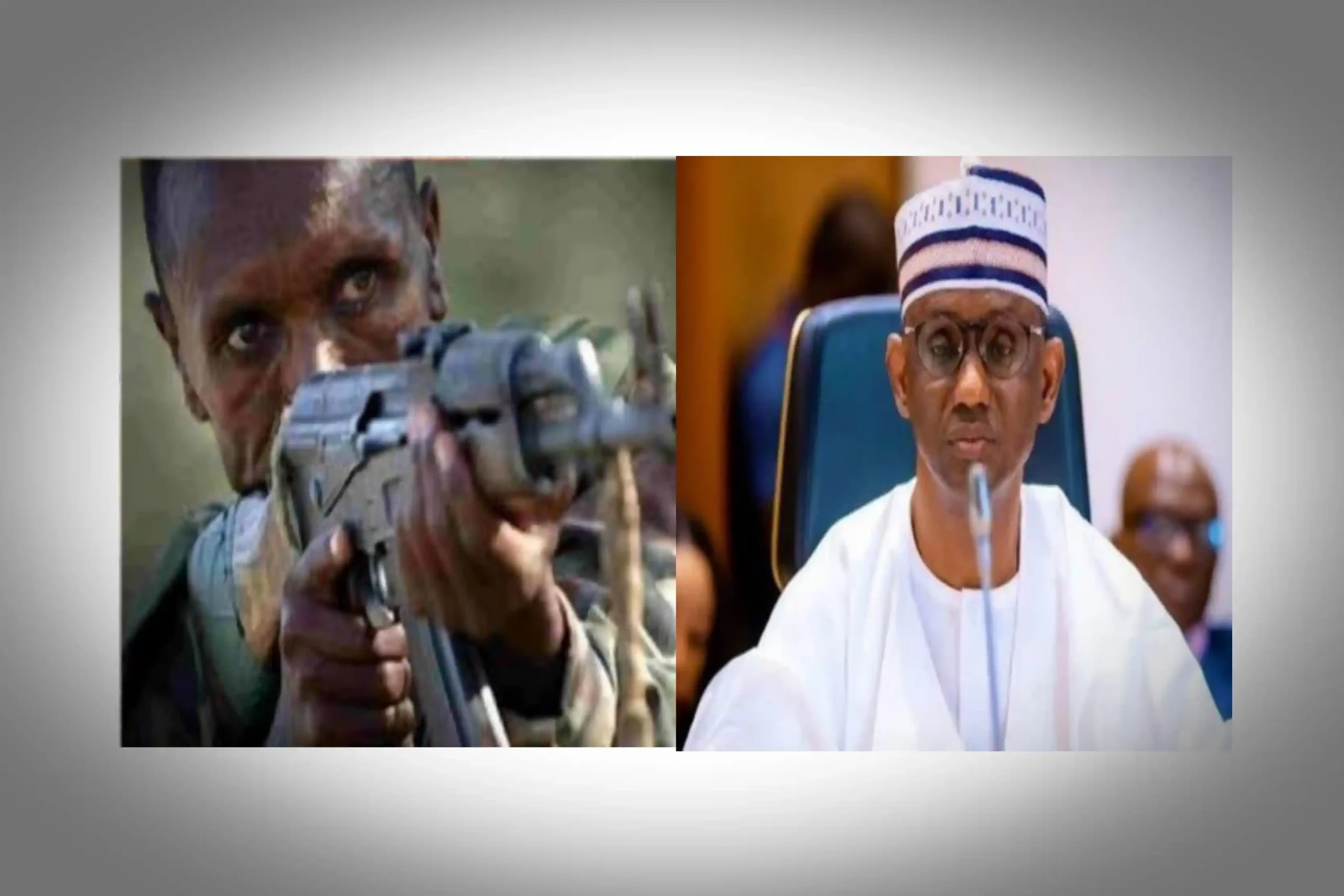
    However, the narrative shifted dramatically after the Office of the National Security Adviser, led by Nuhu Ribadu, confirmed that the weapons were issued under a vigilante framework aimed at combating banditry and rural insecurity.


    In a statement, the Head of Strategic Communications at the National Counter Terrorism Centre (NCTC), ONSA, Mr Abu Michael, said the intervention was in line with Part III, Sections 4, 5 and 6 of the Terrorism Prevention and Prohibition Act, 2022.


    Mallam Nuhu Ribadu was appointed by President Bola Tinubu as National Security Adviser on June 19, 2023.


    He explained that the NCTC, operating under the ONSA, “continues to coordinate and support law enforcement, security and intelligence agencies in countering all forms of terrorism in Nigeria.”


    NSA’s Confirmation Triggers Backlash

    The admission by the NSA’s office that the vigilantes were armed under official authorization triggered widespread condemnation, particularly on social media and civic platforms.

    Many Nigerians questioned the wisdom of arming a group linked to Miyetti Allah, especially given repeated allegations by communities and security analysts that Fulani herdsmen have been involved in kidnappings, armed robberies, and communal violence in several parts of the country.

    Critics argued that the confirmation validated long-held fears that non-state actors were being empowered with military-grade weapons without adequate transparency or public oversight.


    Government’s Position and Justification

    Sources within the security establishment explained that the arming of the vigilantes was part of a broader community security initiative, designed to support overstretched conventional security forces in tackling banditry and rural crime.

    According to officials, the individuals were vetted and deployed as local vigilantes, not as representatives of any ethnic or socio-cultural organisation.

    The National Counter Terrorism Centre (NCTC), operating under the NSA’s office, later issued clarifications, insisting that arms were not supplied to Miyetti Allah as an organisation, but to vetted individuals operating under lawful security arrangements.

    Despite the clarification, public reaction remained largely hostile, with many Nigerians describing the explanation as inadequate and evasive.


    Nigerians React Strongly on Social Media

    Reactions on X (formerly Twitter) were swift and intense, with users expressing disbelief, anger, and fear over the implications of the revelation.

    Posts reacting to the development, including commentary linked to @FinPlanKaluAja1, framed the incident as confirmation that individuals widely perceived as Fulani herdsmen were being officially armed by the state.

    Several commentators argued that the distinction between “vigilantes” and “Fulani herdsmen” was merely semantic, insisting that in practical terms, the armed individuals remained non-state actors with ethnic affiliations.

    Common sentiments expressed online included:

    • Accusations that the federal government was institutionalising insecurity
    • Claims that arming vigilantes could worsen ethnic tensions
    • Fears that such weapons could be diverted for criminal use
    • Demands for full disclosure of the rules governing the arms distribution

    Some users warned that the decision could undermine trust in the government’s ability to act as a neutral guarantor of security for all Nigerians.


    Allegations of Double Standards in Security Policy

    A recurring theme in public reactions was the perception of double standards in Nigeria’s security policy.

    Several commentators questioned why community self-defence groups in other regions have faced disarmament, arrests, or outright bans, while vigilantes linked to Miyetti Allah were reportedly armed with modern weapons.

    Others pointed to past incidents where local security outfits were labelled illegal or accused of threatening national unity, arguing that the current situation exposed inconsistency in enforcement and policy direction.


    Concerns Over Proliferation of Arms

    Security experts and civil society groups warned that the incident could accelerate the proliferation of small arms, a problem Nigeria has struggled with for decades.

    Analysts noted that once weapons leave formal security armouries, tracking and accountability become significantly more difficult, raising the risk of diversion to criminal networks.

    They also cautioned that arming vigilantes without clear legislative backing or public accountability frameworks could weaken the monopoly of force traditionally reserved for the state.


    Kwara Arrests Deepen Public Anxiety

    The fact that the controversy originated from arrests in Kwara State has heightened public anxiety, given the state’s strategic location between northern and southern Nigeria.

    Residents and commentators expressed fears that similar vigilante arrangements could be replicated elsewhere, potentially leading to uneven security outcomes and increased mistrust between communities.

    Some community leaders argued that rather than strengthening security, such measures could provoke reprisals or vigilantism by other groups who may feel excluded or threatened.


    Calls for Presidential Intervention

    In response to the outrage, many Nigerians have called on President Bola Ahmed Tinubu to intervene directly.

    Demands include:

    • A full, independent investigation into the arming of vigilantes
    • Public disclosure of the legal framework authorising the weapons
    • Clear guidelines on community security initiatives nationwide
    • Assurance that no ethnic or socio-cultural group receives preferential treatment

    Several commentators stressed that silence or delayed action could deepen public mistrust and fuel conspiracy theories surrounding national security decisions.


    Broader Implications for National Security

    The episode has reopened debate over Nigeria’s reliance on non-state security actors amid persistent insecurity.

    While proponents argue that vigilantes provide critical local intelligence and manpower, critics insist that such arrangements blur the line between lawful security operations and armed militias.

    The controversy surrounding Miyetti Allah vigilantes has further complicated this debate, given the organisation’s controversial public image and past statements on grazing conflicts and rural violence.


    What Nigerians Are Demanding

    Across platforms, Nigerians have consistently demanded:

    • Transparency from the NSA’s office
    • Consistent security policy across regions
    • Accountability for officials who authorised the arms
    • Protection for all communities, regardless of ethnicity

    Many have warned that failure to address these concerns decisively could erode confidence in the federal government’s security strategy.


    As of the time of reporting, the federal government has not announced any reversal of the policy or disciplinary action related to the arms supply.

    Investigations into the Kwara arrests are reportedly ongoing, while public debate continues to dominate national discourse.

    For many Nigerians, the incident has become a symbol of deeper anxieties about insecurity, governance, and the role of the state in regulating the use of force.

    Our Sources:

    NSA’s Office Admits Supplying Arms To Vigilantes

    NSA Confirmed Providing Modern Weapons to Miyetti Allah Vigilantes

    Conflicting Accounts On Kwara Arms Show ‘Dangerous Sabotage,’ Security Cover-Up

  • What to Know as UK Extends Nigerian Officers’ Visas to Avert Prison Collapse

    What to Know as UK Extends Nigerian Officers’ Visas to Avert Prison Collapse

    The United Kingdom Government has approved emergency visa extensions for hundreds of foreign prison officers, the majority of whom are Nigerians, following warnings that the country’s prison system was at risk of severe staffing shortages and operational breakdown.

    The decision comes amid recent changes to UK immigration rules that placed many overseas prison officers at risk of deportation, raising concerns about public safety and prison stability.


    Ejes Gist News reports that the intervention was triggered after strong representations from prison unions and mounting pressure from justice officials.


    Why the UK Extended Nigerian Prison Officers’ Visas

    According to a report by the British Broadcasting Corporation (BBC), the visa extension applies to foreign prison staff already in the UK and will remain in effect until the end of 2026.

    The move followed warnings that several prisons were facing an acute workforce crisis after the UK raised the skilled worker visa salary threshold in July.

    Under the revised immigration rules:

    • The skilled worker visa threshold increased to £41,700 per year
    • The average starting salary for prison officers is about £33,000 outside London
    • Thousands of overseas prison officers no longer met the new requirement

    As a result, many officers, including a large number of Nigerians, faced possible removal from the UK.


    Reduced Salary Threshold and Timeline

    To address the crisis, the UK government approved a temporary exemption for prison staff.

    Key details include:

    • A reduced salary threshold of £33,400 will apply to eligible prison officers
    • The reduced threshold will remain in place until December 31, 2027
    • The visa exemption applies only to officers already in the UK

    The BBC noted that this measure was designed to prevent an immediate collapse in staffing levels while longer-term recruitment solutions are developed.


    Prison Officers Association Warned of “Catastrophic” Impact

    The Prison Officers Association (POA) had earlier warned that the new visa rules could cost the prison service more than 2,500 overseas recruits.

    The union described the potential consequences as “catastrophic”, citing risks such as:

    • Reduced staff-to-inmate ratios
    • Increased violence and unrest in prisons
    • Compromised public safety
    • Overstretching of existing officers

    The POA welcomed the exemption, describing it as a victory for common sense.


    Union Leaders React

    POA General Secretary Steve Gillan said the decision would help stabilise the prison system.

    “It might not be perfect, but it will mean the prison service can hopefully remain stable,” Gillan was quoted as saying.

    The union’s National Chairman, Mark Fairhurst, added that the decision had lifted a major burden from affected officers.

    “Our members can now go about their daily lives without the threat of removal from the country,” he said.


    Division Within UK Government

    According to the BBC, the decision was not without internal disagreement.

    British newspaper The Times reported that Home Secretary Shabana Mahmood initially opposed the exemption, arguing that recruitment efforts should prioritise British citizens.

    However, Justice Secretary David Lammy told Members of Parliament that he was in discussions with Mahmood, stressing that while local recruitment was important, meeting immediate prison staffing needs was critical.

    A Home Office source told the BBC that prisons were granted special consideration due to their role in public safety and national security, adding that the exemption was intended to be temporary.


    Ministry of Justice Explains Rationale

    A source within the Ministry of Justice said the UK prison system was already under significant strain and that the visa extension would provide “breathing space.”

    According to the source, the government plans to use the extension period to:

    • Expand domestic recruitment campaigns
    • Improve retention of UK-based prison officers
    • Stabilise staffing levels across England and Wales

    A government spokesperson said public safety remained the overriding concern.

    “Net migration has already fallen by more than two-thirds under this government. However, public safety is the first duty of any government, and we must ensure prisons continue to operate safely with the right level of experienced staff,” the spokesperson said.


    Why Nigerians Are Central to the Issue

    The BBC reported that prisons have been allowed to sponsor visas for overseas recruits since 2023, due to a shortage of British applicants willing to take up prison officer roles.

    Data cited by the broadcaster showed that:

    • More than 700 Nigerians were recruited into UK prisons last year
    • Nigerians accounted for 29 per cent of applicants
    • They made up 12 per cent of staff hired in England and Wales
    • Nigerians were the largest foreign nationality in prison recruitment after Britons

    Ghanaians followed as the next most recruited group, with about 140 job offers recorded.


    What the Decision Means Going Forward

    The visa extension ensures that Nigerian and other foreign prison officers already working in the UK can continue in their roles without immediate fear of deportation.

    However, officials have made it clear that the exemption is temporary, with the long-term goal of increasing local recruitment and reducing reliance on overseas labour.

    For now, the move is seen as a critical stopgap to prevent staffing shortages from escalating into a full-scale crisis within the UK prison system.

  • Police Arrest Woman in Delta for Selling Two-Month-Old Baby After Raising False Alarm

    Police Arrest Woman in Delta for Selling Two-Month-Old Baby After Raising False Alarm

    Operatives of the Delta State Police Command have arrested a woman, Rita Ughale, from Kokori community in Ethiope East Local Government Area, over the alleged sale of her two-month-old baby boy for ₦1.5 million.

    The suspect was arrested alongside the alleged buyers, Osas Omijie (39) and Judith Omijie (30), while the infant has been rescued and is currently safe in police custody. Ejes Gist News reports that all suspects are being detained as investigations continue.


    How the Alleged Baby Sale Was Uncovered

    According to a statement issued by the Police Public Relations Officer (PPRO) of the Delta State Command, SP Bright Edafe, the case initially came to light following a false report made by the suspect.

    SP Edafe disclosed that on December 15, 2025, at about 6:40 pm, Rita Ughale reported at the Ekpan Police Division that her two-month-old baby had been snatched during a robbery attack while she was travelling in a commercial tricycle.

    Upon receiving the report, the Divisional Police Officer (DPO) of Ekpan Division, CSP Labe Joseph, immediately mobilised operatives for a coordinated search and rescue operation.


    Confession After Police Investigation

    The police said inconsistencies and suspicious elements were observed in the woman’s account during preliminary investigations. This development prompted further interrogation.

    According to the police statement, the suspect later confessed that the robbery report was staged. She admitted selling her baby to a couple identified as Osas and Judith Omijie for the sum of ₦1,500,000.

    The police confirmed that:

    • The baby was successfully rescued
    • The alleged seller and buyers were arrested
    • All suspects are currently in custody
    • Investigation is ongoing to identify other accomplices

    Police Move to Arrest Other Accomplices

    The Delta State Police Command stated that efforts are being intensified to track down and arrest any other individuals connected to the alleged crime.

    The Command noted that the suspects will be charged to court after the conclusion of investigations, in line with extant laws on child trafficking and related offences.

    Senator Nwaoboshi Dies, Cause of Death Emerges as Delta Gov Mourns


    Police Bust Illegal Dry Gin Factory in Ughelli

    In a related development, the police also announced the arrest of a 67-year-old woman, Lydia Osanebi, over the alleged production and distribution of adulterated dry gin in Ughelli, Delta State.

    According to SP Edafe, operatives of the Eagle Net Special Squad, Ughelli Surveillance Team, acting on credible intelligence, executed a search warrant at the suspect’s residence on December 14, 2025, at about 7:30 am.


    Items Recovered From the Suspect’s Residence

    During the search, operatives recovered:

    • Large quantities of dangerous chemicals suspected to be methanol, formalin, and cochineal (carminic acid)
    • Empty and newly printed seals and packaging materials of various dry gin brands
    • Over 60 litres of suspected counterfeit and adulterated dry gin
    • Super glue, stickers, and shot glasses

    The suspect reportedly confessed to producing and repackaging adulterated dry gin using recycled bottles for over 20 years.


    Health Risks Linked to Recovered Chemicals

    Preliminary police investigations revealed that methanol, one of the recovered substances, is highly toxic.

    The police warned that exposure or consumption of methanol-contaminated products can result in:

    • Severe organ damage
    • Permanent blindness
    • Coma
    • Death

    Investigations are ongoing to determine the scale of distribution and identify other individuals involved in the illegal operation.


    Police Arrest Drug Suspect in Sapele

    In a separate operation, operatives of the Commissioner of Police – Special Assignment Team (CP-SAT), led by ASP Julius Robinson, raided a residence in the Gana area of Sapele on December 18, 2025, at about 8:05 am, following actionable intelligence.

    The operation led to the arrest of Felix Africa (44). A search of the premises resulted in the recovery of eight bags of weeds suspected to be Indian hemp.

    The suspect reportedly admitted ownership of the exhibits and confessed to engaging in the buying and selling of Indian hemp and other illicit drugs.


    Delta CP Reaffirms Commitment to Public Safety

    Reacting to the series of arrests, the Commissioner of Police, Delta State, CP Olufemi Abaniwonda, reaffirmed the Command’s commitment to safeguarding lives, property, and public health across the state.

    He warned residents against engaging in illegal activities and advised the public to avoid consuming unregulated or suspicious products.

    The police boss further urged residents to remain vigilant and promptly report suspicious activities to the nearest police station or through the Command’s Control Room contact: 0803 668 4974

  • Senator Nwaoboshi Dies, Cause of Death Emerges as Delta Gov Mourns

    Senator Nwaoboshi Dies, Cause of Death Emerges as Delta Gov Mourns

    Former Senator representing Delta North Senatorial District, Peter Onyelukachukwu Nwaoboshi, has died after a prolonged illness, marking the end of a significant political career that spanned decades of party leadership and legislative service at both state and national levels.


    The death of the former lawmaker was officially confirmed in a statement issued by the Chief Press Secretary to the Delta State Governor, Festus Ahon, on Friday.


    Ejes Gist News reports that the announcement triggered widespread reactions across Delta State and beyond, particularly among political stakeholders in the Anioma region and the National Assembly.


    Cause of Death

    According to information disclosed by the Delta State Government, Senator Nwaoboshi reportedly died after battling an illness that lasted for several months. While specific medical details were not disclosed by the family or government officials, sources confirmed that the illness had kept the former senator away from public engagements for an extended period before his death.

    No further details were released regarding the circumstances surrounding his final moments, in line with the family’s request for privacy.


    Delta Governor Reacts to Nwaoboshi’s Death

    Delta State Governor, Sheriff Oborevwori, expressed deep sorrow over the passing of the former senator, describing it as a major loss to Delta State, the Anioma people, and the country at large.

    In an official condolence message, the governor referred to Senator Nwaoboshi as a distinguished son of Delta State whose voice and influence were instrumental in advancing the interests of the Anioma nation and the Niger Delta region.

    “On behalf of the government and people of Delta State, I mourn the passing of my dear friend, Senator Peter Onyelukachukwu Nwaoboshi,” Governor Oborevwori said.

    The governor extended his condolences to the immediate family of the deceased, members of the Anioma nation, his political associates, and members of the All Progressives Congress (APC), noting that many lives were touched by Nwaoboshi’s years of public service.


    Political Career at the National Assembly

    Senator Peter Nwaoboshi represented Delta North Senatorial District at the National Assembly from 2015 to 2023, during which he played a visible role in legislative debates and committee leadership.

    During his tenure in the Senate, Nwaoboshi served as Chairman of the Senate Committee on Niger Delta Affairs, a position that placed him at the center of discussions on oil-producing communities, environmental remediation, and infrastructural development in the Niger Delta.

    Governor Oborevwori recalled that in this role, the late senator consistently championed policies and interventions aimed at improving living conditions in Delta State and other Niger Delta communities.


    Contributions to Niger Delta Development

    As chairman of the Senate Committee on Niger Delta Affairs, Senator Nwaoboshi was involved in oversight activities related to the Niger Delta Development Commission (NDDC) and other intervention agencies.

    According to the governor’s statement, Nwaoboshi used his legislative platform to advocate for:

    • Increased funding for Niger Delta development projects
    • Accountability in intervention agencies
    • Infrastructure development in oil-producing communities
    • Improved social welfare for residents of the region

    These efforts, the governor noted, contributed to his reputation as a fearless advocate for regional development within the National Assembly.


    Leadership Within Political Parties

    Beyond his role in the Senate, Nwaoboshi was a prominent political figure in Delta State, with a history of leadership within Nigeria’s major political parties.

    He served two tenures as Chairman of the Peoples Democratic Party (PDP) in Delta State, where he was credited with strengthening party structures and grassroots mobilisation across the state.

    Governor Oborevwori described Nwaoboshi’s political rise as one rooted in strong political heritage, discipline, and commitment to democratic principles. These attributes, according to the governor, earned him respect across party lines.


    Legacy of Public Service

    In reflecting on the former senator’s life, Governor Oborevwori described him as a devoted public servant who dedicated his political career to serving his people, his party, and the nation.

    The governor noted that Nwaoboshi’s political journey was characterised by:

    • Selfless leadership
    • Loyalty to party ideals
    • Courage in political engagement
    • Consistency in public advocacy

    According to the statement, these qualities defined his legacy and contributed to his prominence in Delta State politics over several decades.


    Reactions From Anioma and Beyond

    The death of Senator Nwaoboshi has generated reactions across the Anioma region, where he was widely regarded as one of the most influential political figures of his generation.

    Community leaders, party members, and former colleagues described his passing as a significant loss, particularly at a time when experienced political voices are considered crucial to navigating national and regional challenges.

    Although official statements from political parties and the National Assembly were still emerging at the time of reporting, sources indicated that tributes were expected from lawmakers who worked with him during his time in the Senate.


    Family and Funeral Arrangements

    As of the time of this report, the family of the late senator had not announced details regarding burial or funeral arrangements. Government officials indicated that such information would be communicated in due course, following consultations with the family.

    The Delta State Government stated that it would continue to engage with the family and relevant stakeholders to honour the former lawmaker in line with his contributions to the state and the nation.


    Senator Nwaoboshi’s Place in Delta Political History

    Senator Peter Nwaoboshi remains a notable figure in Delta State’s political history, having combined party leadership with legislative influence at the national level. His representation of Delta North from 2015 to 2023 placed him among key voices from the South-South geopolitical zone during a period of intense national debate on resource control, federal allocation, and regional development.


    Governor Oborevwori concluded that the late senator’s contributions to democracy and governance would not be forgotten, describing his life as one marked by service, conviction, and commitment to public duty.


  • Airtel Africa Fellowship Programme 2026 ( Requirements & Application link)

    Airtel Africa Fellowship Programme 2026 ( Requirements & Application link)

    The Airtel Africa Foundation has unveiled its 2026 Airtel Africa Tech Fellowship, a transformative educational initiative designed to empower young Africans from underserved communities with access to higher education in Science, Technology, Engineering, and Mathematics (STEM).

    The program, which represents the first phase of Airtel’s continent-wide fellowship strategy, will begin in Nigeria, supporting at least 100 exceptional undergraduate students in technology-related disciplines across seven major public universities.

    Ejes Gist News reports that the Airtel Africa Foundation — the philanthropic arm of Airtel Africa plc — aims to strengthen Africa’s digital and financial inclusion by nurturing the next generation of innovators and problem-solvers. The fellowship underscores the company’s commitment to creating sustainable social impact through education and digital literacy.

    Overview of the Airtel Africa Fellowship

    The Airtel Africa Tech Fellowship seeks to address the skill gap in Africa’s technology sector by providing full academic sponsorships to bright, financially challenged students who secure admission into tech or ICT-related undergraduate programs.

    Under this initiative, the Foundation will cover tuition, study materials, and accommodation support for the entire duration of the degree program — typically between four to five years. Beneficiaries will also receive a modest living stipend to ease financial pressure throughout their studies.

    Also Apply for: University of Bath International Excellence Scholarships in UK 2026: Full Guide for Undergraduate Applicants

    Participating Universities

    For the 2026 academic cycle, the fellowship will be open to students from the following seven public universities in Nigeria:

    1. University of Lagos (UNILAG)
    2. University of Nigeria, Nsukka (UNN)
    3. Ahmadu Bello University, Zaria (ABU)
    4. University of Benin (UNIBEN)
    5. Obafemi Awolowo University (OAU)
    6. University of Ilorin (UNILORIN)
    7. Tai Solarin University of Education (TASUED)

    These institutions were selected for their academic excellence, strong ICT departments, and geographical representation across the country.

    Fellowship Coverage

    According to the Foundation, the fellowship will provide full coverage for:

    • Tuition and compulsory fees
    • Study materials and equipment
    • Accommodation assistance
    • A modest monthly stipend

    This support will run for the entire duration of each beneficiary’s program, provided they maintain strong academic performance and uphold the terms of the fellowship.

    Eligibility Criteria

    Applicants must meet the following conditions to qualify for the Airtel Africa Fellowship:

    • Must be Nigerian citizens and newly admitted (100-level) students.
    • Must be enrolled in one of the seven participating public universities.
    • Must have scored a minimum of 230 in the Unified Tertiary Matriculation Examination (UTME/JAMB).
    • Must possess five credits in O’Level results (including English and Mathematics) obtained in one sitting.
    • Must demonstrate financial need.
    • Must not currently be receiving any other scholarships, grants, or fellowships.
    • Must provide required documentation such as JAMB results, admission letter, school ID, and WAEC certificate.

    The program also prioritizes gender diversity to ensure inclusive representation of female students in STEM disciplines.

    Eligible Courses

    Students pursuing degrees in the following areas are eligible to apply:

    • Information Technology
    • Computer Science
    • Systems Engineering
    • Data Science
    • Software Engineering
    • Cybersecurity
    • Artificial Intelligence
    • Telecommunication Engineering
    • Library and Information Science
    • Other related ICT or technology-focused fields

    How to Apply

    Interested candidates are to submit their applications online via the official portal at:
    https://candidate.scholastica.ng/schemes/airtelfellowship2026

    Application Steps

    1. Click on “Apply Now” on the portal.
    2. Select “Register Now” to create a personal account.
    3. Activate the account via the confirmation email sent to your inbox.
    4. Log in to the portal using your registered credentials.
    5. Complete your personal and educational details accurately.
    6. Upload all required supporting documents.

    Required Documents

    Applicants are expected to upload scanned copies of the following:

    • Recent passport photograph (JPEG format, max 200KB)
    • University admission letter
    • UTME (JAMB) result slip
    • O’Level result(s) (WAEC/NECO)
    • ‘A’ Level/OND/NCE results (if applicable)

    Selection Process

    The Airtel Africa Tech Fellowship selection will be conducted through a transparent and merit-based process. Applications will be reviewed based on academic performance, verified financial need, and fulfillment of all eligibility requirements.

    Successful applicants will be notified via email and through the official Scholastica portal, managed by Dragnet Solutions Limited, Airtel’s implementation partner.

    Beneficiaries will continue to receive funding annually throughout the duration of their studies, subject to meeting renewal requirements and maintaining good academic standing.

    Fellowship Impact and Vision

    The Airtel Africa Foundation has reiterated that this fellowship program represents a strategic investment in the continent’s digital future. By equipping youth with critical technology skills, the Foundation aims to nurture Africa’s next generation of innovators, software engineers, and tech entrepreneurs.

    The initiative also aligns with Airtel Africa’s broader commitment to sustainable community empowerment, financial inclusion, and environmental responsibility.

    According to the Foundation, the long-term vision is to scale the fellowship across all 14 Airtel Africa markets, reaching thousands of students annually and creating a robust network of African tech professionals capable of driving innovation and economic growth.

  • Farouk Ahmed Resigns After Dangote Accusation as Tinubu Nominates New Heads of Petroleum Regulators

    Farouk Ahmed Resigns After Dangote Accusation as Tinubu Nominates New Heads of Petroleum Regulators

    President Bola Ahmed Tinubu has forwarded the names of two new chief executives to the Senate for confirmation following the resignation of Engineer Farouk Ahmed and Mr. Gbenga Komolafe, the heads of Nigeria’s midstream/downstream and upstream petroleum regulatory agencies.

    The development follows allegations and public controversy surrounding the leadership of the petroleum regulators, raising renewed concerns about transparency, accountability, and governance in Nigeria’s oil and gas sector.


    Ejes Gist News reports that the resignations mark one of the most significant shake-ups in the regulatory architecture established under the Petroleum Industry Act (PIA).

    Also Read : Delta Govt Approves ₦42bn Infrastructure Projects Covering Roads, Flood Control, Power

    In a statement released on Wednesday, the Special Adviser to the President on Information and Strategy, Mr. Bayo Onanuga, confirmed that President Tinubu had written separate letters to the Senate seeking expedited confirmation of new nominees to lead the two key regulatory bodies.

    According to the presidency, Mrs. Oritsemeyiwa Amanorisewo Eyesan has been nominated as Chief Executive Officer of the Nigerian Upstream Petroleum Regulatory Commission (NUPRC), while Engineer Saidu Aliyu Mohammed was named as the proposed Chief Executive Officer of the Nigerian Midstream and Downstream Petroleum Regulatory Authority (NMDPRA).


    Pay Attention To: BREAKING: Former Chief Justice of Nigeria, Justice Ibrahim Tanko Muhammad, Dies in Saudi Arabia

    The nominations followed the resignation of Farouk Ahmed, who served as CEO of the NMDPRA, and Gbenga Komolafe, who headed the NUPRC. Both officials were appointed in 2021 by former President Muhammadu Buhari in accordance with the Petroleum Industry Act, which restructured Nigeria’s oil and gas governance framework and unbundled the former Department of Petroleum Resources (DPR).


    Background to the Regulatory Shake-Up

    While the presidency did not officially disclose the details behind the resignations, the exits come amid public allegations and heightened scrutiny of the petroleum regulators’ leadership.

    Business mogul Aliko Dangote had, in a recent public intervention, accused the former NMDPRA chief, Farouk Ahmed, of alleged financial impropriety, including claims relating to the misuse of public resources. The allegations, which have not been established by a court of law, triggered widespread debate and calls for greater accountability within the sector.

    Neither the presidency nor the affected officials provided detailed responses to the allegations at the time of the announcement.


    Role of NUPRC and NMDPRA Under the PIA

    The Nigerian Upstream Petroleum Regulatory Commission and the Nigerian Midstream and Downstream Petroleum Regulatory Authority were created under the PIA to oversee different segments of the petroleum value chain.

    Their mandates include:

    • Regulation and supervision of petroleum operations
    • Ensuring compliance with industry standards
    • Promoting transparency and efficiency
    • Supporting investment and sector reforms

    Since their establishment, both agencies have played central roles in implementing post-PIA reforms aimed at repositioning Nigeria’s oil and gas industry.


    Profile of NUPRC Nominee: Oritsemeyiwa Eyesan

    Mrs. Oritsemeyiwa Amanorisewo Eyesan is a veteran economist with extensive experience in Nigeria’s oil and gas sector. She is a graduate of the University of Benin and spent nearly 33 years at the Nigerian National Petroleum Company Limited (NNPC) and its subsidiaries.

    She retired in 2024 as Executive Vice President, Upstream, where she oversaw upstream operations, investment strategies, and production planning. Between 2019 and 2023, she served as Group General Manager, Corporate Planning and Strategy, playing a key role in NNPC’s transition under the PIA framework.

    Industry analysts describe her nomination as an effort to ensure continuity and institutional knowledge at the upstream regulator during a period of heightened scrutiny.


    Profile of NMDPRA Nominee: Saidu Aliyu Mohammed

    Engineer Saidu Aliyu Mohammed brings decades of technical and executive experience to the midstream and downstream regulator.

    Born in 1957 in Gombe State, he holds a Bachelor’s degree in Chemical Engineering from Ahmadu Bello University, Zaria. He recently served as an independent non-executive director at Seplat Energy.

    His career includes previous roles as:

    • Managing Director, Kaduna Refining and Petrochemical Company
    • Managing Director, Nigerian Gas Company
    • Group Executive Director and Chief Operating Officer, Gas and Power Directorate

    He has also chaired several boards, including the West African Gas Pipeline Company and Nigeria LNG subsidiaries.

    According to the presidency, Mohammed played key roles in major national gas infrastructure projects, including the Escravos–Lagos Pipeline Expansion and the Ajaokuta–Kaduna–Kano (AKK) Gas Pipeline.


    Senate Confirmation and Sector Expectations

    The Senate is expected to consider the president’s request for expedited confirmation in the coming days. If confirmed, the new appointees will assume office at a critical time for Nigeria’s petroleum sector.

    The Tinubu administration has signalled its intention to restore confidence in regulatory institutions, address governance concerns, and deepen reforms under the Petroleum Industry Act.

    Observers say the leadership changes underscore growing pressure on public institutions to demonstrate transparency, accountability, and adherence to due process in the management of Nigeria’s energy resources.

  • Delta Govt Approves ₦42bn Infrastructure Projects Covering Roads, Flood Control, Power

    Delta Govt Approves ₦42bn Infrastructure Projects Covering Roads, Flood Control, Power

    The Delta State Executive Council (EXCO) has approved capital projects valued at more than ₦42 billion, covering road construction and rehabilitation, erosion and flood control, and the expansion of electricity infrastructure across multiple parts of the state. The approvals reflect a continued focus on infrastructure-led development and service delivery.

    Briefing journalists after the State Executive Council meeting presided over by Governor Sheriff Oborevwori, the Commissioner for Works (Rural Roads) and Public Information, Mr. Charles Aniagwu, said the decisions aligned with the administration’s development agenda and its commitment to improving living standards statewide.

    Ejes Gist News reports that the approvals cut across critical transport corridors, flood-prone zones, and power infrastructure needed to support residential and industrial activities.

    Aniagwu was joined at the briefing by the Commissioner for Economic Planning, Mr. Sunny Ekedayen; the Executive Assistant to the Governor on Public Enlightenment, Projects and Policies, Mr. Olisa Ifeajika; and the Executive Assistant on New Media, Mr. Felix Ofou. The officials provided a detailed breakdown of the projects, their scope, and the rationale behind the approvals.

    Also Read : BREAKING: Former Chief Justice of Nigeria, Justice Ibrahim Tanko Muhammad, Dies in Saudi Arabia


    Scope of the ₦42 Billion Project Approvals

    According to the Works Commissioner, the projects approved by EXCO span three major sectors:

    • Road infrastructure, including reconstruction, new road construction, and completion of stalled internal roads.
    • Erosion and flood control, targeting areas vulnerable to seasonal flooding and environmental degradation.
    • Energy and electricity infrastructure, focusing on transformer replacement, substation rehabilitation, and network expansion.

    The projects are distributed across several local government areas to ensure balanced development and address long-standing infrastructure deficits.


    Major Road Projects Across Delta State

    Old Lagos–Asaba Road Reconstruction

    One of the flagship approvals involves major works on the Old Lagos–Asaba Road, a strategic arterial route linking several communities and supporting commercial movement within Delta State.

    Aniagwu disclosed that EXCO approved the reconstruction of Phase Two of the Old Lagos–Asaba Road, covering:

    • The Obior to Ubulu-Uku axis, serving Aniocha North and Aniocha South Local Government Areas.
    • Connecting routes that enhance intra-community access and reduce travel time.

    The commissioner explained that the road plays a critical role in agricultural produce evacuation, trade, and commuter mobility, making its rehabilitation a priority.

    Ika North East Road Connections

    In Ika North East Local Government Area, EXCO approved works on key connector roads, including:

    • Ute-Ogbeje to Ebuenor Road
    • Ani-Nwachokor Road

    These routes link rural communities to larger commercial centres and social infrastructure, such as schools and healthcare facilities.


    Cost Reviews and Adjustments for Ongoing Projects

    Aniagwu confirmed that some previously approved projects had their contract sums reviewed upward. He attributed the adjustments to:

    • Changes in market prices of construction materials.
    • Delays caused by weather conditions.
    • Funding constraints that affected contractors’ mobilisation.

    Among the projects with revised costs is the Ute-Ogbeje to Otolokpo Road, which EXCO approved for upward review to enable contractors to complete the work without compromising quality or timelines.


    Ndokwa West Internal Road Construction

    To improve internal connectivity in Ndokwa West Local Government Area, the council approved:

    • Construction of Etua-Etiti Internal Roads
    • Construction of Etua-Oliogo Internal Roads

    Aniagwu noted that these roads are essential for easing movement within the communities, improving access to markets, and reducing transportation costs for residents.

    He said the approvals would allow contractors to mobilise fully and complete the projects in line with engineering standards.


    Flood and Erosion Control Interventions

    Asaba International Airport Erosion Control

    EXCO approved the construction of erosion control measures around the Asaba International Airport, a critical aviation facility serving Delta State and neighbouring regions.

    According to Aniagwu, the intervention aims to:

    • Protect airport infrastructure from flood-related damage.
    • Prevent soil erosion that could undermine runways, access roads, and adjoining facilities.
    • Enhance the long-term safety and functionality of the airport environment.

    Dennis Osadebay Way Flood Control Works

    Flood control works were also approved for Dennis Osadebay Way, specifically from the traffic light junction to Abraka Road.

    The commissioner described the corridor as one of the areas most affected by erosion and floodwaters during heavy rainfall, leading to:

    • Road deterioration.
    • Traffic disruption.
    • Property damage for nearby residents and businesses.

    The approved works are expected to improve drainage, stabilise the road structure, and reduce the impact of seasonal flooding.


    Additional Road Projects in Ethiope East and Ughelli

    EXCO further approved:

    • Completion of internal roads in Otorho-Abraka, Ethiope East Local Government Area.
    • Construction of Imohwe Street in Ughelli, a project aimed at improving access and urban mobility.

    Aniagwu said these projects respond to persistent demands from residents and align with the administration’s commitment to grassroots development.


    Energy and Electricity Infrastructure Expansion

    Transformer Replacement and Installation in Udu

    On the energy front, the commissioner disclosed that EXCO approved the replacement of a broken-down 15MVA power transformer serving parts of Udu and neighbouring communities.

    In addition, the council approved:

    • Installation of new 300KVA distribution transformers.
    • Rehabilitation of existing substations.
    • Replacement of ancillary electrical equipment.

    Aniagwu explained that the interventions are designed to stabilise power supply, reduce outages, and support both domestic consumption and industrial operations in the area.

    Impact on Economic and Industrial Activities

    According to the commissioner, improved electricity supply in Udu is expected to:

    • Support manufacturing and small-scale industries.
    • Reduce reliance on diesel-powered generators.
    • Lower operating costs for businesses.
    • Improve quality of life for residents.

    He described the energy projects as deliberate investments to strengthen Delta State’s economic base.


    Link Between Infrastructure and Economic Planning

    Commissioner for Economic Planning, Mr. Sunny Ekedayen, emphasised that the approved projects align with the state’s medium- and long-term development plans.

    He said infrastructure investment remains central to:

    • Job creation.
    • Poverty reduction.
    • Improved access to social services.
    • Sustainable urban and rural development.

    Ekedayen noted that the distribution of projects reflects data-driven planning and identified needs across different zones of the state.


    2026 Appropriation Bill Signed Into Law

    Aniagwu also informed journalists that Governor Oborevwori had signed the ₦1.7 trillion 2026 Appropriation Bill into law.

    Key highlights of the budget include:

    • Over 70 percent allocation to capital expenditure.
    • Strong emphasis on infrastructure development.
    • Continued funding for roads, energy, education, healthcare, and environmental protection.

    The commissioner said the budget structure underscores the administration’s preference for long-term assets over recurrent spending.


    Procurement Process and Governance Assurance

    Addressing concerns about project execution timelines and transparency, Aniagwu assured that:

    • All projects would follow due procurement processes.
    • Contract awards would comply with existing laws and regulations.
    • Monitoring mechanisms would be strengthened to ensure value for money.

    He added that the administration would continue to focus on development delivery regardless of political activities or the approaching election season.


    Expected Impact on Delta State Development

    According to government officials, the combined effect of the approved projects is expected to:

    • Improve road safety and reduce travel time.
    • Minimise flood-related damage and environmental degradation.
    • Enhance electricity reliability in strategic economic zones.
    • Stimulate local economies and attract private investment.

    Aniagwu expressed confidence that the projects would significantly advance Delta State’s development trajectory and reinforce public trust in government programmes.

    He also acknowledged the support of residents and stakeholders across the state, noting that community cooperation remains essential for successful project implementation.