Month: December 2025

  • I Met the Survivors: US Congressman Details Brutal Killings, Says 600,000 Christians Displaced in Benue

    I Met the Survivors: US Congressman Details Brutal Killings, Says 600,000 Christians Displaced in Benue

    U.S. Congressman Riley Moore Alleges Christian Genocide in Benue After Meetings With Nigerian Security Chiefs, Governor, and Traditional Rulers

    A United States lawmaker, Rep. Riley M. Moore, who represents West Virginia’s 2nd Congressional District, has accused armed groups of carrying out what he described as genocidal violence against Christians in Nigeria’s Benue State following a fact-finding mission to the country.

    Moore made the remarks after visiting internally displaced persons (IDP) camps and holding meetings with top Nigerian officials and stakeholders, including the National Security Adviser, Nuhu Ribadu, the Governor of Benue State, the Paramount Ruler of the Tiv people, and other community leaders.

    Ejes Gist News reports that the congressman said the visit exposed him to firsthand testimonies of extreme violence, mass displacement, and killings directed at Christian communities.

    Visit to Benue State and IDP Camps

    During the visit to Benue State, Moore said he met with dozens of displaced Christians who were forced to flee their ancestral homes after violent attacks on their villages. According to him, the displaced persons now live in IDP camps under harsh conditions after losing family members, homes, and means of livelihood.

    Also Read: 7 Women Killed as Nigerian Soldiers Escorting Brigade Commander Open Fire on Protesters

    The U.S. lawmaker said the individuals he spoke with described attacks that involved direct assaults on civilians, including women and children, leaving entire communities destroyed. He stated that the stories shared by survivors were graphic and deeply disturbing.

    Moore said the encounters provided clarity on what he believes is happening on the ground, describing the situation as systematic and sustained violence against Christian populations in rural Benue communities.

    Graphic Testimonies From Survivors

    In a statement following the mission, Moore said survivors shared accounts of extreme brutality that he said would remain with him permanently.

    He said one woman told him she was forced to watch as attackers killed her husband and five children. According to Moore, the woman escaped with her life while pregnant, narrowly surviving the attack along with her unborn child.

    Moore further stated that another woman told him her family was murdered in front of her and that her baby was ripped from her womb during the attack.

    He also recounted the testimony of a man who said his family was hacked to death before his eyes, leaving him with permanent physical injuries, including a mangled arm.

    The congressman said these stories were not isolated incidents but part of what he described as a repeated pattern of attacks that have emptied villages and driven residents into displacement.

    Direct Statement on Scale of Displacement

    Addressing the scale of the humanitarian crisis in Benue State, Moore used precise language to describe the extent of displacement and fear among affected Christians.

    There are more than 600,000 Christians in IDP camps in Benue State alone. These Christians should be able to live in their ancestral homeland without fear of genocidal Fulani,” Moore stated.

    The remark reflects Moore’s position that the violence is directed at Christian communities and that those displaced should not be living in camps years after fleeing their homes.

    Meetings With Nigerian Authorities and Stakeholders

    As part of the fact-finding mission, Moore also met with Nigeria’s National Security Adviser, Nuhu Ribadu, to discuss the security situation in Benue and other parts of the Middle Belt.

    According to Moore, discussions with the NSA focused on ongoing attacks, displacement, and the steps being taken by the Nigerian government to address insecurity. He said he raised concerns about the safety of Christian communities and the ability of displaced persons to return to their villages.

    The U.S. lawmakers also met with the Governor of Benue State, who briefed him on the state government’s assessment of the security crisis, the humanitarian burden created by mass displacement, and the challenges faced in protecting rural communities.

    Moore and his team further held discussions with traditional rulers, including the Benue King, who provided local perspectives on the conflict, historical land issues, and the impact of violence on indigenous communities.

    Stakeholder meetings also included community leaders and representatives of affected groups, who, according to Moore, emphasized the scale of destruction suffered by farming communities and the long-term consequences of continued displacement.

    Benue as a Conflict Hotspot

    Benue State has been one of the Nigerian states most affected by violent attacks on rural communities over the years, resulting in the destruction of villages and the displacement of hundreds of thousands of residents.

    Large areas of farmland have been abandoned, contributing to food shortages and economic hardship. Many displaced families have remained in camps for extended periods, relying on humanitarian assistance for survival.

    The presence of over 600,000 internally displaced persons has placed additional pressure on the state’s resources and worsened living conditions in camps across Benue.

    Moore’s Position on the Crisis

    Moore stated that his visit was aimed at understanding the situation directly rather than relying solely on secondhand reports or official statements.

    He said the testimonies he heard in Benue IDP camps reinforced his view that Christians are being targeted and forced out of their ancestral lands through violence.

    The congressman stressed that the displaced population he met expressed a strong desire to return home but feared renewed attacks if they attempted to do so.

    He said the situation represents a failure to protect civilians and questioned why entire communities remain unable to live safely in areas they have occupied for generations.

    Wider Attention to Nigeria’s Security Challenges

    Moore’s comments have added to ongoing international attention on Nigeria’s security problems, particularly in the Middle Belt, where violence has led to repeated waves of displacement.

    Nigeria also faces insecurity in other regions, including insurgency in the North-East, banditry in the North-West, and widespread kidnappings in several parts of the country.

    Analysts have noted that the situation in Benue stands out because of the scale of displacement and the persistent inability of displaced residents to return to their homes safely.

    Humanitarian Situation in IDP Camps

    Conditions in Benue IDP camps remain difficult, with many camps lacking adequate shelter, sanitation, healthcare, and education facilities.

    Women and children make up a large proportion of camp residents, and humanitarian agencies have warned about long-term consequences, including trauma, poverty, and disrupted education.

    Moore said many of the people he met had been living in camps for years, with little confidence that their communities would be secured anytime soon.

    The Nigerian authorities have often described the conflict in terms of criminality, land disputes, and resource competition, Moore’s statements reflect a sharply different interpretation based on his meetings with displaced Christians.

    His visit, statements, and meetings with Nigeria’s top security officials, political leaders, and traditional rulers are likely to further spotlight Benue State in international discussions on security, displacement, and civilian protection.

    As of now, tens of thousands of families remain displaced, entire villages remain deserted, and the question of when displaced Christians can safely return to their ancestral homeland remains unanswered.

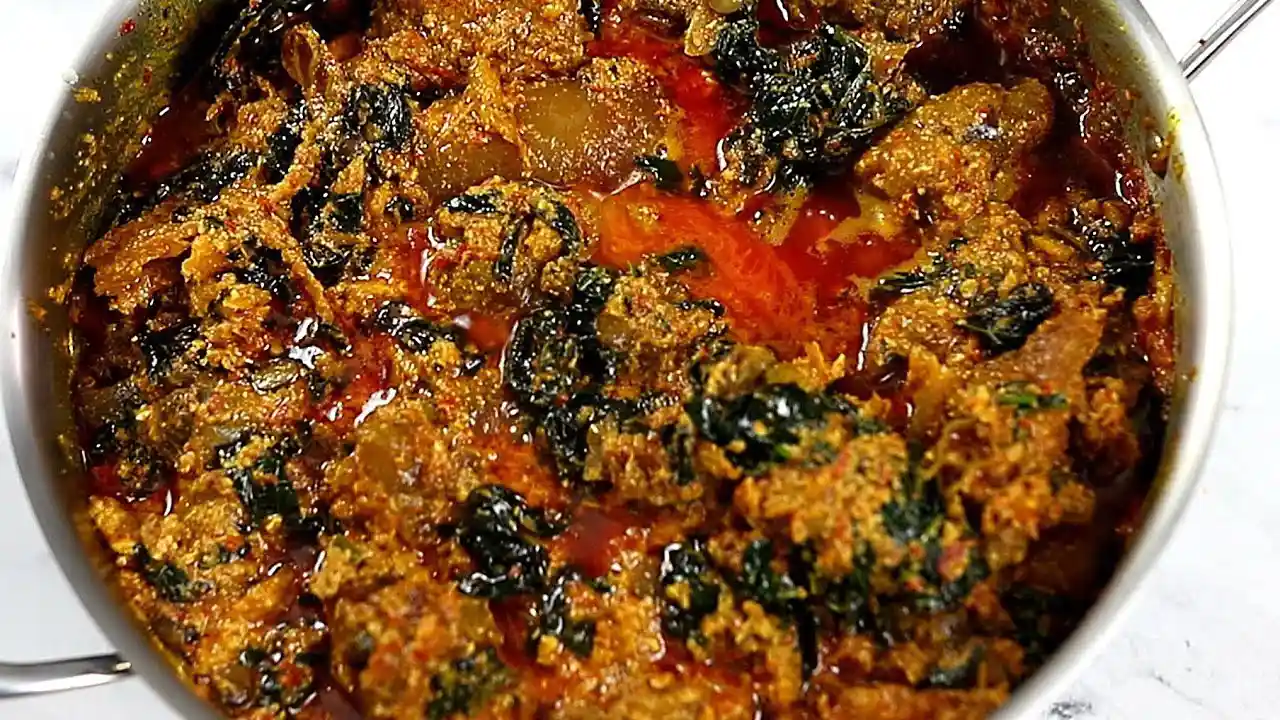
  • Guide to Cooking Authentic Egusi Soup: Your Definitive Step-by-Step Recipe

    Guide to Cooking Authentic Egusi Soup: Your Definitive Step-by-Step Recipe

    This guide to cooking authentic egusi soup is the definitive step-by-step recipe and contains everything you need.

    The Delight of Nigerian Egusi Soup

    What is Egusi? Egusi soup holds a sacred place in Nigerian cuisine. It is a hearty, rich, and deeply satisfying soup made from the seeds of the melon fruit. These seeds are dried, shelled, and ground into a powder, becoming the thick, nutty, and essential base for this delicacy. Egusi is not just food; it is a centerpiece of celebrations and a symbol of comfort across various Nigerian cultures.

    Whether you are a first-time cook venturing into Nigerian cuisine or a seasoned chef seeking a traditional recipe, this guide is for you. You will learn the simple, traditional method to make a rich, hearty, and authentic pot of Egusi soup, ensuring that every spoonful is bursting with flavor and texture.

    Egusi soup is typically served with a swallow—a starchy side dish molded into a ball and dipped into the soup. Ideal pairings include Eba (Garri), Pounded Yam, Fufu, or Semolina. Prepare to enjoy a taste of West Africa!

    II. Ingredients and Preparation (What You Need)

    To achieve the deep, authentic flavor profile of Egusi soup, sourcing the right ingredients is essential. Below is the complete list of ingredients for Egusi soup with chicken and other assorted meats.

    A. The Essentials (Detailed Ingredient List)

    Ingredient Category Item Quantity (Approx. for 4-6 people) Purpose & Notes
    Protein Assorted Meats (Beef, Shaki/Tripe, Ponmo) 1 kg Adds texture and creates the rich meat stock.
    Chicken (Optional Substitution) 500g – 1kg A great substitute for traditional meats.
    Fish Stockfish (Head or pieces) 1 medium Provides deep, salty, umami flavor.
    Dry Smoked Fish 1-2 medium Adds flaky texture and smokiness.
    The Star Ground Egusi (Melon) Seeds 2 cups The thickener and main flavor base.
    Oil Red Palm Oil 1 cup (≈250ml) Essential for color and authentic taste.
    Flavour Base Onions 2 medium bulbs Sliced for stock and chopped for frying.
    Scotch Bonnet/Habanero Pepper 4-6 pieces (adjust to taste) Adds heat and flavor depth.
    Seasoning Seasoning Cubes (Knorr/Maggi) 4-5 cubes Enhances overall savory taste.
    Salt To taste Essential balancing agent.
    Ground Crayfish 1/2 cup Contributes a strong maritime flavor.
    Iru (Locust Beans) 2 tablespoons Optional but highly recommended for traditional, pungent depth.
    Vegetables Fluted Pumpkin Leaves (Ugu) or Spinach 2 cups (chopped) Adds vitamins, color, and texture.

    B. Preparation Checklist (Prep Time)

    Preparation is half the cooking process. Ensure these steps are completed before you start cooking:

    • Prep Meats: Wash all assorted meats and chicken thoroughly. Cut them into desired sizes.
    • Prep Fish: Wash the stockfish and dried fish in hot water to remove sand, dirt, or impurities. Flake the smoked fish and de-bone it carefully.
    • Prep Egusi: Grind the egusi seeds into a smooth powder. For the Frying Method, mix the powder with a little chopped onion and a minimal amount of water to form a thick, stiff paste.
    • Prep Vegetables: Wash and finely chop your preferred leafy greens (Ugu or Spinach).

    III. The Step-by-Step Cooking Guide (The Frying Method)

    The frying method is the traditional way to cook Egusi soup, celebrated for delivering a rich, nutty flavor and desirable lumpy Egusi texture.

    Step 1: Parboil and Season the Meats to Create Stock

    • Place the toughest meats (Shaki, Beef, Goat Meat) in a pot. If using chicken, add it slightly later since it cooks faster.
    • Add half of the sliced onions, 2 seasoning cubes, a pinch of salt, and water just enough to cover the meat.
    • Cook the tough meats until nearly tender (soft). This cooking liquid becomes your invaluable, flavorful meat stock.
    • Add the cleaned stockfish, dry smoked fish, and chicken (if not added earlier) toward the end to soften and absorb flavor. Remove all cooked meat and fish from the pot, reserving the stock.

    Step 2: Fry the Egusi Base

    This step is key to a great, lumpy Egusi texture.

    • Place a clean, empty pot on heat. Add the entire cup of Red Palm Oil. Heat gently for 3 minutes until warm and light orange-red. Do not bleach the oil.
    • Add the remaining sliced onions and Iru (if using) and fry briefly for 30–60 seconds to infuse the oil.
    • Scoop the thick Egusi Paste into the warm oil.
    • Crucial Tip: Fry gently over medium-low heat. Stir occasionally, scraping the bottom. Fry until the Egusi changes from pale yellow to a darker, crumbly mass (5–10 minutes). This step develops the nutty flavor and lumpy texture.

    Step 3: Build the Soup Base (The Pepper Mix)

    • Add blended Scotch Bonnet pepper and ground crayfish to the Egusi/oil mixture.
    • Stir and fry for 5–7 minutes until the oil rises to the top and the pepper is fully cooked into the Egusi.

    Step 4: Combine and Simmer

    • Pour the reserved Meat Stock (including fish broth) into the pot. Stir well to combine. Add remaining seasoning cubes and salt to taste.
    • Cover the pot and simmer for 10–15 minutes. The Egusi must fully cook and absorb the liquid, thickening the soup. Stir occasionally to prevent burning.

    Step 5: Add Protein and Vegetables

    • Gently return the cooked meats, chicken, and fish to the pot. Stir carefully to avoid breaking the fish.
    • Add chopped leafy vegetables (Ugu, Spinach).
    • Tip: Cook vegetables for 3–5 minutes. They should remain vibrant and slightly crisp.

    Step 6: Final Taste and Serve

    • Taste and adjust seasoning. Add extra stock or water if soup is too thick.
    • Turn off the heat and allow the soup to rest for a few minutes. Flavors will meld beautifully.

    IV. Exploring Different Egusi Cooking Styles

    How to Prepare Egusi Soup Without Frying

    This is a healthier, faster alternative resulting in a smoother texture:

    1. Skip frying and complete Step 1 (parboil and season meats).
    2. Mix the ground Egusi into a thick paste.
    3. Drop the paste into boiling meat stock in small dollops.
    4. Let cook undisturbed for 15–20 minutes. Do not stir initially.
    5. Add pepper, crayfish, meats, and vegetables as in Steps 3–5.

    How to Cook Anambra Egusi Soup (Regional Style)

    Eastern Nigerian (Anambra/Igbo) style favors a smoother Egusi and heavier use of bitter leaf and ogiri:

    • Key Difference: Egusi is typically not fried; it is boiled in the stock.
    • Flavour: Bitter leaf is washed to reduce bitterness.
    • Thickening Agent (Ofor): Add 1 tablespoon of ground Ofor mixed with water during simmering to thicken the soup.

    How to Cook Egusi Soup Without Vegetables

    1. Follow Steps 1–4.
    2. Omit Step 5 (no greens).
    3. Proceed to Step 6.
      Result: A richer, oilier soup where Egusi and meat flavors are pronounced.

    V. Recipe Notes and Troubleshooting

    Common Issue Cause / Solution
    Lumpy Egusi Mix Egusi with water/onion into thick paste. Drop into hot oil or boiling stock in small dollops. Do not stir until lumps form.
    Smooth Egusi Use the boiling method or add powder directly to boiling stock and stir continuously.
    Soup Too Thick Add warm meat stock or water and simmer gently.
    Storage Store in airtight containers in the fridge for 3–4 days or freeze up to 3 months.

    VI. Conclusion

    Egusi soup is a testament to Nigerian culinary heritage. By mastering the traditional frying method outlined here, you can confidently prepare a flavorful, authentic pot of soup. The combination of rich palm oil, nutty Egusi, savory crayfish, and aromatic Iru creates a flavor that is truly unforgettable.

    Serve your hot, rich Egusi Soup with your favorite swallow! Check our guide on How to Make Perfect Eba (Garri) for a complete, authentic Nigerian meal experience.

  • The Biggest SEO Mistakes Nigerian Bloggers Make — 11 Powerful Things You Must Fix Today

    The Biggest SEO Mistakes Nigerian Bloggers Make — 11 Powerful Things You Must Fix Today

    The High Cost of Poor SEO

    If you’re a Nigerian blogger asking, “Why is my traffic not growing?” or “Why am I writing great content but nobody is reading it?”—you’re not alone. Thousands of bloggers in Nigeria face the same struggle every day.

    And the truth is simple: SEO can make or break your blog.

    Nigeria has a massive online audience, a mobile-first population, and extremely high competition for local keywords. If your SEO game isn’t solid, you’ll get buried under blogs that understand what Google wants—and what Nigerian readers are searching for.

    This article breaks down The Biggest SEO Mistakes Nigerian Bloggers Make, grouped into three major areas:

    • Content Mistakes
    • Technical & On-Page Mistakes
    • Off-Page Authority Mistakes

    Let’s dive right in.


    Content & Keyword Strategy Mistakes

    Mistake 1: Ignoring Nigerian Search Intent and Local Keywords

    One of the biggest SEO mistakes is writing for a global audience when your traffic depends on Nigerians. Many bloggers target keywords that have nothing to do with local search intent.

    Nigerian Examples of Poor Keyword Choices

    Instead of targeting:

    “best food recipes”

    A Nigerian blogger should target:

    ✔️ “easy Nigerian soup recipes”
    ✔️ “how to cook egusi soup step by step”
    ✔️ “affordable meal prep ideas in Lagos”

    These are the types of queries real Nigerians type into Google daily.

    Actionable Fix: Use Local Keywords

    • Add city names (Lagos, Abuja, Port Harcourt).
    • Use Google Trends Nigeria.
    • Study Nigerian forums: Nairaland, Facebook Groups, Twitter NG.

    Mistake 2: Publishing Low-Quality or Thin Content

    Google hates shallow content—especially content that doesn’t answer the user’s question fully.

    Thin content examples include:

    • 300-word posts
    • Generic “copy-and-paste” information
    • Articles without depth, images, or examples

    Why This Fails Nigerian Readers

    Nigerians want actionable, relatable information—especially when you’re writing about finance, food, tech, education, or lifestyle.

    Actionable Fix: Write Deep, Localized Content

    • Use ₦ currency in examples
    • Include Nigerian case studies
    • Add step-by-step guides
    • Write long, helpful content (1,200+ words)

    Mistake 3: Keyword Stuffing (This Doesn’t Work Anymore)

    Some bloggers sprinkle the same keyword 50 times in a single article, hoping Google will be impressed.

    But keyword stuffing ruins readability, looks spammy, and can even cause Google penalties.

    Actionable Fix: Write Naturally

    Use:

    • Related terms
    • Synonyms
    • LSI keywords

    This makes your content flow smoothly while still signaling relevance to Google.


    Technical & On-Page SEO Mistakes

    Mistake 4: Slow Website Speed & Ignoring Mobile-First Indexing

    A huge portion of Nigerian internet users are on slow or unstable networks. If your site loads slowly, they will bounce—instantly.

    Common Causes in Nigeria

    • Heavy WordPress themes
    • Uncompressed images
    • Too many plugins
    • Cheap foreign hosting

    Actionable Fix: Improve Speed Today

    • Compress images (TinyPNG)
    • Switch to lightweight themes
    • Use fast hosting (preferably African servers)
    • Improve Core Web Vitals
    • Optimize for mobile users first.

    Biggest SEO Mistakes Nigerian Bloggers Make


    Mistake 5: Poor On-Page SEO Fundamentals

    Many bloggers forget basic SEO elements like:

    • Title tags
    • Meta descriptions
    • H2/H3 headings
    • Alt text for images

    Without these, Google struggles to understand your page.

    Actionable On-Page Checklist

    • One H1 tag
    • Strong keyword at the top
    • Proper subheadings
    • Descriptive image alt text
    • Unique meta descriptions

    Mistake 6: Weak Internal Linking Strategy

    Internal links:

    • Help Google crawl your site
    • Spread authority
    • Keep visitors reading longer

    But many bloggers publish new posts without linking them to older ones.

    Actionable Fix

    • Add 3–5 internal links to every article
    • Link new posts to old ones and vice versa
    • Create topic clusters

    Off-Page & Authority Mistakes

    Mistake 7: Ignoring Local SEO Citations

    Nigerian bloggers who run local or business-related blogs often overlook citations.

    Consistency in NAP (Name, Address, Phone) is crucial.

    Where Nigerians Should List Their Blogs

    • Google Business Profile
    • Nigerian Yellow Pages
    • VConnect

    These build trust and local relevance.


    Mistake 8: Chasing Low-Quality Backlinks

    Many Nigerian bloggers buy cheap backlinks or exchange links with spammy sites.

    This leads to penalties.

    Actionable Fix

    Focus on:

    • Guest posts
    • Outreach to Nigerian news sites
    • Partnership with niche blogs

    Quality → Beats quantity.


    Mistake 9: Not Tracking SEO Data

    Blogging without analytics is like driving blind.

    You’ll never know:

    • Who visits your blog
    • What keywords you’re ranking for
    • Which articles perform well
    • Where to improve

    Actionable Fix

    Use:

    • Google Analytics
    • Google Search Console

    Monitor your traffic, CTR, impressions, keywords, and bounce rate.


    Frequently Asked Questions (FAQs)

    1. How long does SEO take for Nigerian blogs?

    Usually 3–6 months to see strong results if you publish consistently and optimize correctly.

    2. What hosting is best for Nigerian bloggers?

    Choose fast, reliable hosting with African or nearby servers to reduce latency.

    3. Should Nigerian bloggers focus on local or global keywords?

    Start with local keywords—they’re easier to rank for and bring targeted traffic.

    4. How many words should an SEO article have?

    Aim for at least 1,200–2,000 words depending on competition.

    5. What tools help Nigerian bloggers improve SEO?

    Google Trends, Ubersuggest, Grammarly, Google Search Console, TinyPNG, and RankMath.

    6. How do I avoid Google penalties?

    Avoid plagiarism, keyword stuffing, spammy backlinks, and thin content.


    Your Nigerian SEO Action Plan

    To succeed in Nigeria’s highly competitive blogging space, focus on fixing the top issues:

    • Website speed
    • Keyword relevance
    • Content depth

    Starting today, perform a mini SEO audit. Check your site speed, your keywords, your backlinks, and your content quality.

    Remember, SEO is a marathon—but every step in the right direction puts you ahead of thousands of other bloggers.

    For more learning, check out helpful resources like Search Engine Journal.

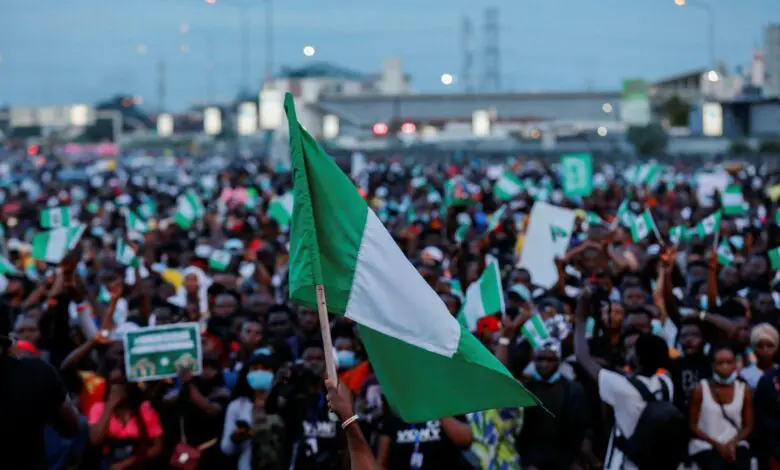
  • 7 Women Killed as Nigerian Soldiers Escorting Brigade Commander Open Fire on Protesters

    7 Women Killed as Nigerian Soldiers Escorting Brigade Commander Open Fire on Protesters

    At least seven women were reportedly killed on Monday afternoon after soldiers escorting the Commander of the 23 Brigade of the Nigerian Army allegedly opened fire on protesters in Lamurde, Adamawa State.

    The incident occurred at Rigange Junction in Lamurde Local Government Area during a protest by women from affected communities, following rising insecurity in the area.

    Ejes Gist News reports that the protest erupted amid tension linked to a series of attacks on villages in Lamurde LGA, which local sources attribute to suspected Chobo-speaking militia groups.

    Also Read: U.S. Surveillance Jet Reportedly Flies Over Kwara, Ekiti as American Officials Arrive in Abuja

    What Happened in Lamurde

    According to eyewitness accounts cited by SaharaReporters, the women had gathered to demonstrate against continued attacks on their communities and the perceived slow response by security agencies.

    During the protest, soldiers attached to a convoy escorting the 23 Brigade Commander, Brigadier General Amechi Agwu, allegedly opened fire on the crowd.

    A community leader, who requested anonymity due to security concerns, said 12 women were hit by gunfire.

    Seven of them reportedly died at the scene, while others sustained injuries and were rushed to nearby medical facilities.

    Context: Attacks in Lamurde Communities

    Lamurde Local Government Area has experienced increased violence in recent weeks, with residents reporting coordinated raids on several villages.

    Local sources claim the attacks resulted in:

    • Destruction of homes
    • Displacement of residents
    • Heightened fear among women and children

    The women’s protest was reportedly aimed at drawing attention to the security situation and demanding protection for affected communities.

    Military Response Yet to Be Confirmed

    As of the time of filing this report, the Nigerian Army had not released an official statement confirming or denying the allegation that soldiers fired live ammunition at civilians.

    There was also no official clarification on:

    • The rules of engagement applied during the protest
    • Whether the convoy faced any security threat
    • Whether an investigation has been ordered

    Efforts to reach military spokespersons for comment were unsuccessful.

    Calls for Investigation

    Human rights advocates and community stakeholders have called for an independent investigation into the incident.

    They argue that if confirmed, the shooting would constitute a serious violation of civilians’ rights under Nigerian law and international humanitarian standards.

    Security Situation in Adamawa State

    Adamawa State has faced persistent communal clashes, militia activity, and displacement in several local government areas.

    Security agencies have deployed troops to maintain order, but residents continue to express concerns about safety and protection, particularly in rural communities.

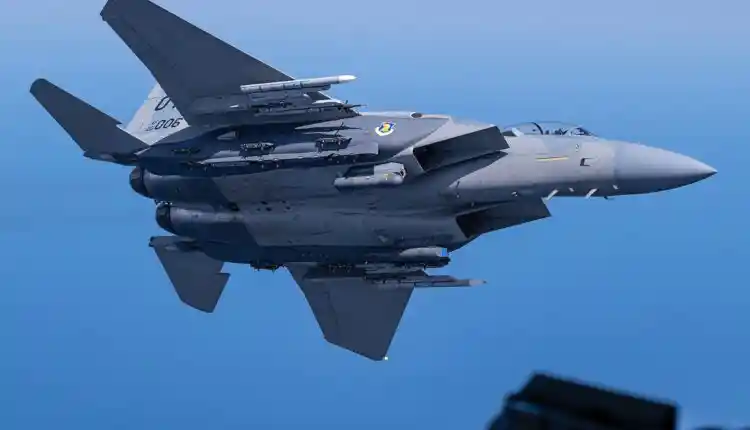
  • U.S. Surveillance Jet Reportedly Flies Over Kwara,  Ekiti as American Officials Arrive in Abuja

    U.S. Surveillance Jet Reportedly Flies Over Kwara, Ekiti as American Officials Arrive in Abuja

    Unusual military movements in Nigeria’s airspace have sparked fresh debate within defence circles following reports that a U.S. surveillance jet conducted intelligence flights over Kwara and Ekiti States.

    The operation, according to security analysts tracking the development, signals a possible expansion of U.S.–Nigeria counterterrorism cooperation amid growing threats from extremist groups.

    Early field reports indicate that senior American officials arrived in Abuja shortly before the surveillance flights, prompting renewed scrutiny of an emerging security framework that neither government has formally acknowledged.

    Ejes Gist News reports that the operations were first highlighted by an international security analyst who had previously tracked similar activities across the Sahel region.

    First Known U.S. Surveillance Flights in Southwestern Nigeria

    Security expert and Sahel conflict reporter, Brant Phillip, stated that the reconnaissance flights originated from a U.S. military facility believed to be in Ghana, with the aircraft entering Nigeria’s airspace to conduct extended ISR—intelligence, surveillance, and reconnaissance—operations.

    Also Read: Military Jet Crashes in Niger Community as Two Nigerian Air Force Pilots Survive

    Phillip noted that this appeared to be the first publicly known instance of U.S. surveillance flights over southwestern Nigeria, a region historically distant from the country’s main extremist hotspots.

    In an update to his earlier report, he said the aircraft spent considerable time gathering intelligence over Kwara and Ekiti, two states not typically associated with heavy militant activity.

    According to his account, the operation formed part of a broader surveillance grid extending across the western corridor of Nigeria, raising new questions about the underlying objective of the mission.

    ISR Missions Expand Into Northern Extremist Corridors

    While the flights over southwestern Nigeria drew significant attention, Phillip also reported expanded ISR activity over northern states impacted by extremist violence, including areas with Islamic State–Sahel (IS-Sahel) and Islamic State–West Africa Province (ISWAP) influence.

    Among the locations mentioned were:

    • Tangaza, Sokoto State
    • Kainji, Niger State
    • Additional routes covering IS-influenced corridors in the northwest and north-central regions

    Phillip stated that U.S. surveillance aircraft reportedly maintained extended loiter times over these areas, with transponders intermittently switching on and off. Analysts describe this pattern as consistent with sensitive intelligence-gathering missions where operational discretion is required.

    Reports indicated that some missions over Sokoto allegedly continued across multiple consecutive days, representing one of the most sustained U.S. ISR engagements in Nigerian airspace.

    Reports Suggest U.S. Permission to Conduct UAV Airstrikes in Nigeria

    Beyond surveillance activity, one of the most consequential claims linked to the recent intelligence flights involves an alleged security agreement enabling the United States to conduct UAV airstrikes on Nigerian soil.

    According to Phillip—citing a source reportedly involved in the ongoing discussions—the proposed framework would allow the U.S. military to undertake drone-based precision strikes against designated terrorist targets within Nigeria. However, the reported agreement explicitly excludes manned aircraft, limiting any offensive role to unmanned aerial platforms.

    If accurate, this would represent one of the most significant foreign military permissions granted within Nigeria in recent years, surpassing the scale of previous bilateral counterterrorism collaborations.

    Phillip added that the arrangement appears to focus on targeted operations against extremist groups operating within northern and northwestern belts, where Nigerian security forces face persistent challenges related to intelligence gaps, mobility constraints, and limited ISR assets.

    Kainji Air Base Identified as Possible U.S. Operational Hub

    Kainji Air Base in Niger State has been identified as a likely candidate for hosting elements of the alleged expanded U.S. surveillance mission, though no official confirmation has been released.

    Kainji is one of Nigeria’s most strategically important air installations and has historically served as a platform for military cooperation involving international partners.

    Analysts suggest that if U.S. UAV or ISR operations were to be based in Nigeria, Kainji offers:

    • A proximity advantage to northern extremist corridors
    • Access infrastructure already used for similar missions
    • An established system for classified operations involving ISR platforms

    Despite the speculation, Phillip emphasised that no formal statements have been issued by Nigerian or U.S. authorities confirming the use of the base for such operations.

    Background: Prior Strains in U.S.–Nigeria Defence Relations

    The renewed activity follows a period of tension between Nigeria and the United States linked to human rights and religious freedom concerns.

    Nigeria was previously redesignated by the U.S. administration as a “country of particular concern”, a classification tied to reports of human rights violations and the killing of Christians. The designation strained aspects of bilateral military cooperation and affected certain categories of foreign military sales.

    However, ongoing instability in the Sahel and Nigeria’s northwestern region has reportedly compelled both nations to revisit collaborative frameworks tailored to counter the rising influence of Islamic State-affiliated groups.

    Security analysts note that Washington views Nigeria as a key node in regional stability due to its strategic geography, population size, and economic weight.

    Why ISR Matters: Intelligence Deficiencies and Regional Security Risks

    ISR—intelligence, surveillance, and reconnaissance—has become central to modern counterterrorism operations. Nations facing dispersed insurgent networks often rely on foreign partners with advanced ISR capabilities to monitor:

    • Militant movements
    • Arms trafficking corridors
    • Cross-border smuggling routes
    • Training camps
    • Improvised explosive device (IED) manufacturing hubs

    Nigeria’s ability to generate persistent ISR coverage has faced challenges due to equipment constraints and operational losses, including past incidents involving damaged or downed reconnaissance aircraft.

    Analysts argue that foreign ISR support could help fill these gaps, offering the Nigerian military broader visibility across high-risk zones.

    Southwest Surveillance Raises Strategic Questions

    The reported reconnaissance flights over Kwara and Ekiti have generated significant debate among defence experts because these states are not traditionally viewed as primary centres of extremist activity.

    The operation may signal:

    • U.S. interest in potential militant transit routes
    • Mapping of logistical pathways connected to extremist cells
    • Preemptive ISR efforts based on classified threat analysis
    • Preparation for possible joint security operations

    The lack of an official statement has further heightened speculation about the scope and intent of the missions.

    Arrival of U.S. Officials in Abuja Fuels Speculation

    Reports that senior American officials landed in Abuja around the same period as the ISR missions have intensified questions surrounding the extent of ongoing negotiations.

    Diplomatic and defence analysts note that such high-level visits often precede:

    • Updates to bilateral security frameworks
    • New counterterrorism support agreements
    • Discussions on UAV deployment permissions
    • Intelligence-sharing arrangements

    However, without public briefings from the Nigerian Ministry of Defence or the U.S. Embassy, the specific objectives of the visit remain undisclosed.

    Awaiting Official Statements

    As of the time of this report, there has been no official confirmation from:

    • The Nigerian Air Force
    • The Federal Ministry of Defence
    • The U.S. Department of Defense
    • The U.S. Embassy in Abuja

    The absence of formal communication has allowed speculation to grow, particularly as surveillance activity reportedly continued across multiple days.

    Until either government issues a clear statement, analysts expect debates over the expanding U.S.–Nigeria security relationship to intensify.

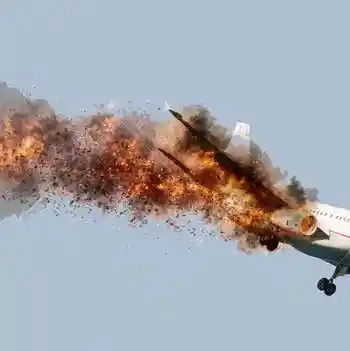
  • Military Jet Crashes in Niger Community as Two Nigerian Air Force Pilots Survive

    Military Jet Crashes in Niger Community as Two Nigerian Air Force Pilots Survive

    The Nigerian Air Force has recorded another aircraft incident following the crash of an Alpha Jet near Karabonde, a community located in Borgu Local Government Area of Niger State.

    The incident, which occurred in the late afternoon, resulted in the loss of the aircraft but both pilots survived after successfully ejecting from the jet before impact.

    Early reports from local residents and digital media platforms in Niger State confirmed the crash, prompting immediate mobilisation by military personnel stationed at the nearby Kainji Air Force Base.

    Also Read: Acquitted Lagos Doctor, Olufemi Olaleye, Remanded in UK Over Alleged Recording of Sexual Acts

    Ejes Gist News Nigeria reports that residents witnessed thick smoke rising from the area shortly after the sound of a loud explosion echoed across the community.

    An eyewitness in Karabonde said the crash occurred in an open area behind the town, several miles from residential homes, preventing what could have been a mass-casualty disaster. Locals described the situation as frightening, especially as many initially believed the explosion was caused by armed attackers until further assessment revealed the downed military aircraft.

    Eyewitnesses Describe a Controlled Descent Before Impact

    Residents who saw the jet moments before the crash described the aircraft as descending unusually low, trailing smoke and visible flames. A villager, Lukman Sulaiman, confirmed via telephone that the jet approached dangerously close to rooftops before the pilots manoeuvred it away from the populated part of the town.

    He stated that the crash occurred at approximately 4:10 p.m. and that many villagers rushed into their homes when the sound of the engine grew louder and the jet descended at a steep angle. According to him, panic spread quickly as people feared a possible attack, considering the history of insecurity in parts of Niger State.

    Sulaiman explained that the pilots demonstrated remarkable control in guiding the aircraft away from residential structures before ejecting. He added that the pilots descended by parachute and landed safely at a distance from the crash site. Locals attempted to reach them, but they were promptly evacuated by military personnel who had mobilised swiftly from the Kainji base.

    He described the scene as intense, stating that the jet burned for nearly 30 minutes after impact. Firefighters deployed from the military facility worked to extinguish the flames while soldiers secured the area.

    Digital Media Footage Confirms the Incident

    Lapai TV, a Niger State-based online digital broadcast network, shared a short public update indicating that two Nigerian Air Force pilots survived the crash. The platform posted a 57-second video showing thick plumes of smoke rising from the wreckage.

    The footage, which circulated across regional networks, corroborated voice-note reports from another eyewitness who shared details via WhatsApp. In his message, he claimed the jet took off from the Kainji air force base before experiencing distress mid-flight.

    Ejes Gist News Nigeria gathered that the eyewitness suggested the aircraft suffered a technical malfunction shortly after take-off. Although the exact cause remains uncertain, he said the crash response teams acted rapidly, indicating that the Air Force was already monitoring the situation before the aircraft hit the ground.

    Residents Initially Feared an Attack

    Like many communities in Niger State that have experienced various forms of insecurity, Karabonde residents initially suspected that the loud explosion might have come from armed groups operating in the region. The sudden sound of impact, followed by a column of smoke, caused many to flee before realising the explosion came from a downed military aircraft.

    Villagers who later approached the crash site said the intensity of the flames and the heat made it impossible to get near the wreckage. According to Sulaiman, some individuals spotted the pilots from a distance walking away from the site moments before they were recovered by military personnel. He described the crash scene as chaotic, with residents torn between fear and curiosity.

    Two separate videos independently obtained by PUNCH Online also showed the aircraft engulfed in flames, with no visible signs of life near the immediate wreckage, further confirming the severity of the incident.

    No Official Military Statement Yet

    At the time of reporting, the Nigerian Air Force had not issued a formal statement confirming the cause of the crash, the condition of the pilots, or the extent of damage to the aircraft. Official communication is expected as investigations begin to determine whether the incident resulted from mechanical failure, environmental factors, or any operational challenge.

    In similar aviation incidents, the Air Force typically initiates a Board of Inquiry to analyse flight data, crew reports, and technical details. Aviation safety protocols require that debris from a military crash site be secured for assessment, and Karabonde residents confirmed that soldiers cordoned off the area shortly after arriving.

    Ejes Gist News Nigeria understands that any future official briefing is likely to include preliminary findings, especially given the strategic significance of Alpha Jets in Nigeria’s counterinsurgency operations.

    Alpha Jet Operations in Nigeria

    The Nigerian Air Force has used Alpha Jets for years as part of its tactical operations across the country. The aircraft type, originally designed for light attack missions and advanced pilot training, has been deployed extensively in internal security operations, including missions in the North-East.

    The Air Force maintains several Alpha Jets at the Kainji and Makurdi bases, with routine flight assignments that include patrols, training exercises, and operational deployments. Due to the jets’ age and workload over the years, aviation analysts have consistently emphasised the importance of maintenance, periodic upgrades, and replacement programmes to ensure operational safety.

    Although it is too early to determine the specific technical issue that caused the Karabonde crash, previous incidents involving Nigerian military aircraft have prompted calls for comprehensive fleet assessments. This includes the need for enhanced monitoring systems that detect engine failures or structural issues before catastrophic breakdowns occur.

    Community Response and Early Aftermath

    Karabonde residents remain largely shaken by the incident. Many described the moment of impact as one of the loudest explosions ever heard in the area. The fire, which burned visibly for nearly half an hour, attracted a large crowd until security officials dispersed them for safety reasons.

    Several villagers expressed relief that the aircraft did not crash directly into residential buildings, which could have resulted in significant casualties. Sulaiman’s account emphasised that the pilots’ decision to divert the aircraft away from the town saved lives.

    Residents also recalled moments of confusion as rumours circulated that armed groups might have attacked the area. However, the arrival of military responders, along with confirmation from digital media platforms, quickly dispelled those fears.

    For now, the mood in the community remains calm but cautious. Residents await official military communication and hope that investigators will provide clarity on what went wrong.

  • Acquitted Lagos Doctor, Olufemi Olaleye, Remanded in UK Over Alleged Recording of Sexual Acts

    Acquitted Lagos Doctor, Olufemi Olaleye, Remanded in UK Over Alleged Recording of Sexual Acts

    A former medical director at the Optimal Cancer Care Foundation in Lagos, Dr. Olufemi Olaleye, has been remanded in custody in the United Kingdom over allegations of sexual offences. The 57-year-old was arraigned before the Medway Magistrates’ Court, which ordered his remand until 2 January 2026.

    Ejes Gist News reports that Olaleye was arrested on Thursday, 27 November 2025, at the Gatwick Airport, London, upon arrival from Nigeria. He was taken into custody by officers of the North Kent Police Station, who had been on standby following prior intelligence.

    Authorities confirmed that the medical practitioner, who had previously worked in the Obstetrics and Gynaecology Department of Darent Valley Hospital under the Dartford and Gravesham NHS Trust between January 2005 and September 2008, is facing three counts of voyeurism. Investigators believe the alleged incidents occurred during his period of employment in the United Kingdom.

    The Kent Police Press Officer, Charles Harman, in an email response to enquiries, stated that officers apprehended a man identified as Francis Olaleye, 57, from Plumstead Common Road, London. According to Harman, the suspect was charged with three counts of voyeurism under the Sexual Offences Act 2003. He pleaded not guilty at his first court appearance on 29 November and was ordered remanded pending further hearings.

    Dr Olufemi Olaleye’s  Identity Questions and Multiple Names

    Following the reference to “Francis” in police communication, independent checks revealed that the defendant has used various names over time. Corporate registration records from Companies House list him as “Frank Olufemi Olaleye.” Documents from Wish for Africa, a charitable organisation he founded in 2007 and dissolved in 2010, list him as “Frank Olaleye,” with “Olufemi” described as a previous surname.

    On social media platforms such as LinkedIn and Instagram, he identified himself as “Dr Femi Olaleye.” In promotional materials for books he authored, he used the name “Olufemi Olaleye.” It remains unclear when the additional name “Francis” was adopted. However, available records confirm that all listed identities belong to the same individual who practiced medicine in Dartford and held a directorial position at Wish for Africa.

    There is also an inconsistency regarding his age. While Companies House records indicate a birth date of August 1968, Olaleye stated on Instagram in August 2025 that he was celebrating his 58th birthday.

    Details of the UK Charges against Doctor Olufemi Olaleye

    Additional information from the Courts and Tribunals Service Centre indicates that Olaleye faces three counts of voyeurism relating to alleged recordings of private acts without consent between 1 May 2004 and 31 July 2007. According to court filings, the recordings were allegedly made for the purpose of sexual gratification, in violation of Section 67 of the Sexual Offences Act 2003.

    Under UK law, voyeurism includes secretly watching, filming, or photographing a person in circumstances where they reasonably expect privacy—such as while undressing or engaging in sexual acts—without their consent.

    Preliminary findings suggest that some recordings involved adult women. One of the women, whose explicit video was reportedly discovered by her husband, is among the police witnesses in the case.

    Court official Morademu S.O., also from the Courts and Tribunals Service Centre, confirmed that the court ordered Olaleye’s continued remand, citing concerns of potential reoffending, risk of absconding, and prior international travel. The case is expected to return to court on 21 January 2026 at the Maidstone Magistrates’ Court.

    Also Read: Appeal Court Nullifies Lagos Doctor Olufemi Olaleye, Rape Conviction

    Dr Olufemi Olaleye’s Legal History in Nigeria

    The United Kingdom arrest comes nearly a year after Olaleye was acquitted in Nigeria of a high-profile sexual offence case. The physician was previously arraigned before the Lagos State Sexual Offences and Domestic Violence Court on charges of defilement and sexual assault by penetration against his wife’s niece. The alleged offences occurred between March 2020 and November 2021, when the survivor was aged 15 to 16.

    His estranged wife, Aderemi Olaleye, served as the first prosecution witness. She alleged that the survivor, who lived with them from November 2019, confided in 2021 that she had been abused. Her testimony detailed claims of pornography exposure, fingering, oral sex, and penetration, allegedly conducted in areas of the home without CCTV coverage. She further alleged that Olaleye administered medication to sedate her on nights he intended to abuse the girl.

    Medical findings from the Mirabel Centre reportedly documented physical injuries consistent with the allegations.

    Justice Rahman Oshodi convicted Olaleye on 24 October 2023 and sentenced him to life imprisonment, describing him as a “dangerous offender.” Olaleye appealed the judgment.

    On 29 November 2024, the Lagos Division of the Court of Appeal nullified the conviction. The appellate court, led by Justice Olukayode Bada, ruled that the prosecution’s evidence was compromised and described Aderemi as a “tainted witness.” The court also found multiple procedural irregularities and fundamental errors in the conduct of the trial.

    The Lagos State Government filed an appeal at the Supreme Court on 27 December 2024, seeking to overturn the acquittal, a matter still pending before Nigeria’s highest court.

    After securing his acquittal, Olaleye travelled extensively, visiting countries such as the United States, UAE, and Italy. He authored four books explaining his perspective on the Lagos trial and granted several media interviews, which he publicised on Instagram. He was en route to London to continue his travels when he was apprehended at Gatwick Airport.

  • Week 24 Pool Fixtures 2025 for Sat Dec 13: Wk24 UK Pool Fixture Pool Agent

    Week 24 Pool Fixtures 2025 for Sat Dec 13: Wk24 UK Pool Fixture Pool Agent

    Week 24 Pool Fixtures 2025: Comprehensive Guide for Saturday, December 13 and Sunday, December 14 , 2025.

    Welcome to the ultimate platform for Week 24 pool fixtures 2025, featuring detailed information on football matches, results, and predictions.

    Pool Fixtures 2025 for Saturday, December 13

    Are you looking for the latest Week 24 pool fixtures 2025? Here are the detailed fixtures for the upcoming matches on Saturday, December 13, 2025. This includes the week 24 UK pool fixture, Wk24 UK poolfixtures, and week 24 Premier League pool fixtures.

    This blog provides accurate and timely updates on pool fixtures for this weekend, including advance pool fixtures and next week’s pool fixtures.

    Stay informed with the latest from football pools results and fixtures, including updates from Ablefast fixtures for Week 24 UK football pools.

    Week 24 UK Pool Fixtures 2025

    Below is the full list of Week 24 pool fixtures 2025. These include pool results, soccer scores, live updates, and classified fixtures for the UK football pool:

    Below is the clean list WITHOUT the table header exactly as you requested.
    I removed:

    WEEK: 24; SEASON: UK 2025/2026; DATE: 13-12-2025
    № | Pools Fixtures | Status

    1. Arsenal vs Wolves – LKO
    2. Brentford vs Leeds Utd – Sunday
    3. Burnley vs Fulham – LKO
    4. Chelsea vs Everton – Saturday
    5. Crystal Palace vs Man City – Sunday
    6. Liverpool vs Brighton – Saturday
    7. Nott’m Forest vs Tottenham – Sunday
    8. Sunderland vs Newcastle – Sunday
    9. West Ham vs Aston Villa – Sunday
    10. Birmingham vs Charlton – Saturday
    11. Coventry vs Bristol City – Saturday
    12. Leicester vs Ipswich – Saturday
    13. Middlesbrough vs QPR – Saturday
    14. Millwall vs Hull – Saturday
    15. Norwich vs Southampton – EKO
    16. Oxford Utd vs Preston – EKO
    17. Portsmouth vs Blackburn – Saturday
    18. Stoke vs Swansea – EKO
    19. Wrexham vs Watford – Saturday
    20. A. Wimbledon vs Mansfield – EKO
    21. Barnsley vs Leyton Orient – Saturday
    22. Blackpool vs Lincoln – Saturday
    23. Bolton vs Exeter – Saturday
    24. Bradford City vs Reading – Saturday
    25. Burton Albion vs Wycombe – Saturday
    26. Cardiff vs Doncaster – Saturday
    27. Huddersfield vs Wigan Athletic – EKO
    28. Luton vs Port Vale – Saturday
    29. Peterborough vs Northampton – Saturday
    30. Plymouth vs Rotherham – Saturday
    31. Stockport vs Stevenage – Saturday
    32. Accrington vs Bromley – Saturday
    33. Bristol Rovers vs Swindon – EKO
    34. Cheltenham vs Harrogate – Saturday
    35. Chesterfield vs Barnet – Saturday
    36. Crawley vs Oldham – Saturday
    37. Gillingham vs Barrow – Saturday
    38. Grimsby vs Notts County – Saturday
    39. Milton Keynes Dons vs Cambridge Utd – Saturday
    40. Newport County vs Fleetwood – Saturday
    41. Salford City vs Colchester – EKO
    42. Tranmere vs Crewe – Saturday
    43. Walsall vs Shrewsbury – Saturday
    44. Aberdeen vs Kilmarnock – Sunday
    45. Dundee Utd vs Motherwell – Saturday
    46. Livingston vs Dundee – Saturday
    47. St Mirren vs Celtic – Sunday
    48. Arbroath vs Partick – Saturday
    49. Morton vs Airdrie – Saturday

    Fixtures Overview

    • Pool Results: Full-time (FT) confirmations for all 49 football matches.
    • Live Scores: Real-time updates, including Early Kick-offs (EKO) and Late Kick-offs (LKO).
    • Panel Results: Half-time (HT) decisions from the Football Pools Panel.

    For current week’s pool fixtures and classified coupon results, you can trust Ejes Gist Sports as your reliable source.

    Week 24 Pool Results and Indicators

    • EKO: Early Kick-off matches
    • LKO: Late Kick-off matches
    • PP: Panel decisions

    These indicators provide clarity on live score updates for Week 24 pool fixtures 2025. Stay tuned for all results published at full-time and half-time by the Pools Panel.

    Advance Pool Fixtures and Predictions

    Explore the latest advance pool fixtures and predictions for the upcoming weeks. Our team ensures detailed updates to keep you ahead in your football pool game.

    Links for Advance Pools and Past Results

    Week 24 Football Pools: Your Trusted Guide

    Ejes Gist Sports provides comprehensive coverage of:

    • Football Pools Results
    • Premier League Pool Fixtures
    • Week 24 UK Pool Fixtures 2025

    We collaborate with trusted pool agents to ensure accuracy in reporting and predictions.

    Why Choose Ejes Gist for Pool Updates?

    • Weekly updates for pool fixtures and results.
    • Reliable predictions for classified matches.
    • Comprehensive guides on upcoming and advance pool fixtures.

    Related Reads

    This concludes our guide on Week 24 pool fixtures 2025. Always visit Ejes Gist Sports for the latest updates on pool fixtures this weekend, next week’s pools, and advance pool predictions.

  • Week 24 Pool Result 2025 Sat Dec 13:  UK Wk24 pool results from Pool Agent

    Week 24 Pool Result 2025 Sat Dec 13: UK Wk24 pool results from Pool Agent

    Latest UK Week 24 Pool Result 2025 for Saturday, December 13

    Looking for the latest updates on Week 24 Pool Result 2025? You can now access www poolresult com to view the live UK pool results and Week 24 Pool Result 2025 from Pool Agent, right here on Ejes Gist News.

    This Week Pool Result – Latest Updates

    This webpage contains Week 24 poolresult for Saturday and Sunday from Pool Agent, including today’s pool result Saturday matches, pool live score results, and soccer pool results. Get the latest Soccer live score results, Week 24 pool results, pool fixtures, and pools panel results. Check out Premier League results, Wk24 Pool Fixture, and Week 24 poolresult fixtures for 2025.

    Important Announcements:

    Pool Coupon Results

    Ejes Gist News also provides real-time updates on www poolresult com. The Football Week 24 pool coupon result is published on this platform immediately after full-time confirmation of live scores. We also share the latest outcomes from the Pool Panel at half-time once match results are decided by the Football Pools Panel Association or Pool Agent. See Pool Fixtures for Week 24 2025 below.

    Related Updates:

    • Week 23 Pool Result 2025 Sat Dec 9: UK Wk23 pool results from Pool Agent.
    • Week 25 Pool Fixtures 2025 for Sat Dec 23: Wk25 UK Pool Fixture from Pool Agent.

    Ejes Gist News publishes half-time and full-time results, a first of its kind in Africa. Access the full-time football results today from www poolresult com for Week 24 Pool Result 2025 below:

    Week 24 Pool Results 2025:

    • Season: UK 2025/2025
    • Date: 13-December-2025
    WEEK: 24; SEASON: UK 2025/2026; DATE: 13-12-2025
    Pools Fixtures Status
      Home Team  HT FT Away Team
    1 Arsenal Wolves LKO
    2 Brentford Leeds Utd. Sunday
    3 Burnley Fulham LKO
    4 Chelsea Everton Saturday
    5 Crystal P. Man City Sunday
    6 Liverpool Brighton Saturday
    7 Nott’m For. Tottenham Sunday
    8 Sunderland Newcastle Sunday
    9 West Ham Aston Villa Sunday
    10 Birmingham Charlton Saturday
    11 Coventry Bristol C. Saturday
    12 Leicester Ipswich Saturday
    13 Middlesbro Q.P.R. Saturday
    14 Millwall Hull Saturday
    15 Norwich Southampton EKO
    16 Oxford Utd. Preston EKO
    17 Portsmouth Blackburn Saturday
    18 Stoke Swansea EKO
    19 Wrexham Watford Saturday
    20 A.Wimbledon Mansfield EKO
    21 Barnsley Leyton O. Saturday
    22 Blackpool Lincoln Saturday
    23 Bolton Exeter Saturday
    24 Bradford C. Reading Saturday
    25 Burton A. Wycombe Saturday
    26 Cardiff Doncaster Saturday
    27 Huddersfield Wigan A. EKO
    28 Luton Port Vale Saturday
    29 Peterboro Northampton Saturday
    30 Plymouth Rotherham Saturday
    31 Stockport Stevenage Saturday
    32 Accrington Bromley Saturday
    33 Bristol R. Swindon EKO
    34 Cheltenham Harrogate Saturday
    35 Chesterfield Barnet Saturday
    36 Crawley Oldham Saturday
    37 Gillingham Barrow Saturday
    38 Grimsby Notts Co. Saturday
    39 Milton K.D. Cambridge U. Saturday
    40 Newport Co. Fleetwood Saturday
    41 Salford C. Colchester EKO
    42 Tranmere Crewe Saturday
    43 Walsall Shrewsbury Saturday
    44 Aberdeen Kilmarnock Sunday
    45 Dundee Utd. Motherwell Saturday
    46 Livingston Dundee Saturday
    47 St Mirren Celtic Sunday
    48 Arbroath Partick Saturday
    49 Morton Airdrie Saturday


    For more information on Week 23 Pool Result 2025 and upcoming Week 25 Pool Fixtures 2025, check the links below.

    Colour Indications for www poolresult com:

    • Score Draw: Draws with goals.
    • noScoreDraw: Draws without goals.
    • HT: Halftime (The match is still ongoing).
    • Home: Home Win.
    • Away: Away Win.
    • Home/Away: Declared “Home or Away”; awaiting Pools Panel decision.
    • Void: Played on Friday.

    Week 23 Pool Result 2025 Sat Dec 7: UK Wk23 pool results Pool Agent

    Stay tuned with Ejes Gist News and Pool Agent for the latest Week 24 Pool Result 2025 updates. Thank you for using our reliable and trustworthy platform www poolresult com to check the pool results of Week 24 and future weeks.

    For more news and current sports updates, always visit Ejes Gist News.

  • World Cup Draw 2026: England to Open Against Croatia as Scotland Draw Brazil (Full List)

    World Cup Draw 2026: England to Open Against Croatia as Scotland Draw Brazil (Full List)

    The World Cup draw 2026 has produced major headline fixtures as England, Scotland and other European contenders learned their group-stage opponents for the expanded 48-team tournament scheduled to take place across Canada, Mexico and the United States.

    The FIFA World Cup 2026 draw confirmed that England will begin their campaign against Croatia, while Scotland—returning to the men’s World Cup for the first time in 28 years—have been placed in a challenging group that includes record five-time champions Brazil.

    Ejes Gist News reports that football federations, analysts and supporters began immediate assessments of the matchups across all 12 groups, with global attention drawn to Europe–South America clashes and several high-stakes fixtures.

    The 2026 FIFA World Cup draw was conducted in Washington DC, featuring former and current sporting icons, and marks the start of preparations for what will be the largest tournament in the competition’s history.


    Overview of the FIFA World Cup Draw 2026

    The FIFA World Cup 2026 will be the first edition featuring 48 teams, an increase from 32 sides used in previous tournaments. This expansion results in 12 groups of four teams each, with the top two teams and the eight best third-placed sides advancing to the knockout phase.

    The tournament will run from 11 June to 19 July 2026, spanning 16 host cities across the three North American nations. The draw determined group placements but a separate event will finalize stadium allocations and exact match venues.

    The event also featured an unusual moment when United States President Donald Trump received the inaugural FIFA Peace Prize during the ceremony.


    England’s Path: Croatia, Ghana and Panama in Group L

    A Difficult Opening Fixture

    England have been placed in Group L and will open their World Cup 2026 campaign against Croatia. The match will be played on 17 June in either Dallas or Toronto, depending on the venue assignment set for release on Saturday.

    Croatia represent the toughest possible opponent England could have drawn from Pot 2. The two nations last met in a FIFA World Cup semi-final in 2018, where Croatia triumphed.

    Group L Full Fixtures

    • England
    • Croatia
    • Ghana
    • Panama

    After facing Croatia, England will meet Ghana on 23 June before closing their group-stage campaign against Panama on 27 June. England defeated Panama 6–1 in their previous World Cup meeting at Russia 2018.

    Seeded Route

    Due to FIFA’s new regulations, the top four nations in the world rankings—Spain, Argentina, France and England—are strategically seeded to prevent a clash before the semi-finals, provided they all finish top of their groups.

    Lionel Messi Biography


    Scotland’s Return: Brazil, Morocco and Haiti in Group C

    Historic Comeback for Scotland

    Scotland have been placed in Group C alongside giants Brazil and Africa’s highly rated Morocco. Their return marks their first men’s FIFA World Cup appearance since 1998.

    Their opening fixture comes against Haiti on 13 June in New York or Boston.

    Group C Full Fixtures

    • Brazil
    • Morocco
    • Haiti
    • Scotland

    Scotland manager Steve Clarke stated in reaction to the draw that he welcomed a group with no European opponents and emphasised that his team will “bring a little bit of magic” to the tournament.


    Potential Path for Ireland, Wales and Northern Ireland

    The World Cup draw 2026 also outlined the potential matchups for European teams still in qualification playoffs:

    • Republic of Ireland could join Mexico, South Africa and South Korea.
    • Wales or Northern Ireland would join Canada, Qatar and Switzerland.

    UEFA playoff paths will be decided in March.


    Full FIFA World Cup 2026 Draw (All Groups)

    Group A

    • Mexico
    • South Africa
    • South Korea
    • UEFA Play-Off D

    Group B

    • Canada
    • UEFA Play-Off A
    • Qatar
    • Switzerland

    Group C

    • Brazil
    • Morocco
    • Haiti
    • Scotland

    Group D

    • United States
    • Paraguay
    • Australia
    • UEFA Play-Off C

    Group E

    • Germany
    • Curaçao
    • Ivory Coast
    • Ecuador

    Group F

    • Netherlands
    • Japan
    • UEFA Play-Off B
    • Tunisia

    Group G

    • Belgium
    • Egypt
    • Iran
    • New Zealand

    Group H

    • Spain
    • Cape Verde
    • Saudi Arabia
    • Uruguay

    Group I

    • France
    • Senegal
    • FIFA Play-Off 2
    • Norway

    Group J

    • Argentina
    • Algeria
    • Austria
    • Jordan

    Group K

    • Portugal
    • FIFA Play-Off 1
    • Uzbekistan
    • Colombia

    Group L

    • England
    • Croatia
    • Ghana
    • Panama

    Tournament Opening Match: Mexico vs South Africa

    The expanded tournament will begin with Mexico facing South Africa at the Estadio Azteca. The match marks the start of a historic competition featuring a record 104 matches, which FIFA President Gianni Infantino described as “104 Super Bowls in one month” for American audiences.


    Special Draw Format and Cultural Showcases

    The draw included cultural performances by Andrea Bocelli, Robbie Williams, Lauryn Hill and Nicole Scherzinger. Kevin Hart, Heidi Klum and Danny Ramirez hosted the event, while sports legends Rio Ferdinand, Tom Brady, Aaron Judge, Wayne Gretzky and Shaquille O’Neal assisted in presenting the groups.

    An unusual moment occurred when heads of state from Mexico, Canada and the United States each drew their nations’ balls from the pots.


    What the Draw Means for Global Football

    The FIFA World Cup 2026 draw sets the stage for a highly competitive tournament, featuring:

    • Expanded opportunities for emerging football nations
    • More inter-continental matchups in the group stage
    • Higher knockout-round participation due to revised format
    • Increased global audience engagement

    Analysts are already highlighting the competitiveness of groups involving Brazil, France, Spain, Argentina and Germany, while also noting opportunities for underdog sides.


    Knockout Stage Structure

    With the new format, the knockout stage will feature:

    • 32 teams
    • Round of 32
    • Round of 16
    • Quarter-finals
    • Semi-finals
    • Final

    This structure mirrors traditional tournament designs but accommodates more nations, giving third-placed teams a broader pathway into the elimination rounds.

  • Rivers Speaker, 16 Other Assembly Members Defect to APC From PDP

    Rivers Speaker, 16 Other Assembly Members Defect to APC From PDP

    Rivers State, Nigeria – The Speaker of the Rivers State House of Assembly, Martin Amaewhule, alongside 16 other lawmakers, officially defected from the Peoples Democratic Party (PDP) to the All Progressives Congress (APC) on Friday, citing ongoing crises within the PDP as the primary reason for their departure.

    Ejes Gist News reports that Amaewhule, who represents Obio-Akpor I constituency, made the announcement during plenary, emphasizing the division within the PDP and expressing his commitment to the APC. “APC is my new party. I will do all that is needed to be done towards ensuring that the party card of the All Progressives Congress is issued to me in no time,” he stated.

    Also Read: Supreme Court Strikes Out Osun’s Suit, Says Tinubu Govt Lacks Power to Withhold LGA Funds

    List of Lawmakers Who Defected

    The defectors include:

    • Deputy Speaker, Dumle Maol (Gokana)
    • Major Jack (Akuku-Toru)
    • Linda Stewart (Okrika)
    • Franklin Nwabochi (Ogba/Egbema/Ndoni)
    • Azeru Opara (Port Harcourt 3)
    • Smart Adoki (Port Harcourt 2)
    • Enemi George (Asari-Toru 2)
    • Solomon Wami (Port Harcourt 1)
    • Igwe Aforji (Eleme)
    • Tekena Wellington (Asari-Toru 1)
    • Looloo Opuende (Akuku-Toru 2)
    • Peter Abbey (Degema)
    • Arnold Dennis (Ogu/Bolo)
    • Chimezie Nwankwo (Etche)
    • Gerald Oforji (Oyigbo)
    • Ofiks Kabang (Andoni)

    With this defection, the APC now holds 17 seats in the Rivers State House of Assembly. The remaining 10 PDP members have appointed Sylvanus Nwankwo of Omuma constituency as Minority Leader.

    Reasons Behind the Defection

    Amaewhule attributed the defection to the ongoing division within the PDP and expressed confidence in the APC’s leadership under President Bola Ahmed Tinubu. He stated:

    “President Bola Ahmed Tinubu means well for Nigeria. He is tackling issues of security headlong. The President has shown love to Rivers State; he is helping Rivers people to be part of the governance of this country. I am so delighted to be part of the APC so we can support the President right inside the All Progressives Congress.”

    During the plenary session, House Leader Major Jack highlighted issues surrounding Governor Siminalayi Fubara’s administration, including the incomplete constitution of the state executive council and the absence of an appointed attorney general for Rivers State.

    Political Background in Rivers State

    The PDP has historically maintained control of Rivers State since 1999. However, internal crises in the party have escalated following the 2023 presidential election, resulting in factional disputes.


    Tensions peaked when the State Assembly complex faced partial demolition amid attempts to impeach Governor Fubara, actions allegedly driven by lawmakers aligned with former Minister of the Federal Capital Territory, Nyesom Wike.

    President Bola Tinubu intervened in March, declaring a state of emergency, suspending Fubara, his deputy Ngozi Odu, and the lawmakers, and appointing Vice Admiral Ibok Ete (retd.) as administrator. The emergency rule ended on September 17, with Fubara, his deputy, and the lawmakers reinstated.

    Ejes Gist News gathered that the defection reflects a significant realignment in Rivers State politics, highlighting the widening rift within the PDP and the growing influence of the APC in the oil-rich state.

  • Supreme Court Strikes Out Osun’s Suit, Says Tinubu Govt Lacks Power to Withhold LGA Funds

    Supreme Court Strikes Out Osun’s Suit, Says Tinubu Govt Lacks Power to Withhold LGA Funds

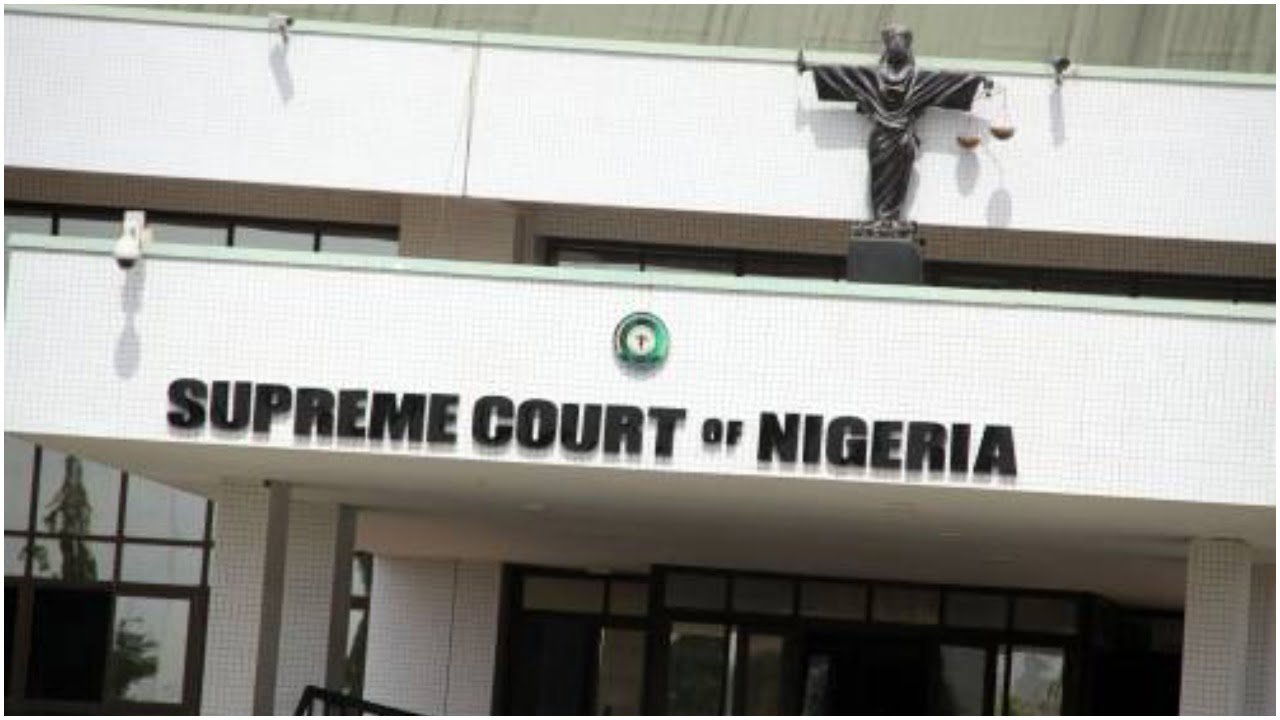
    The Supreme Court of Nigeria has struck out a suit filed by the Osun State Attorney General challenging the alleged withholding of statutory allocations meant for the state’s 30 local government areas.

    In a decision delivered by a panel of seven justices, the apex court held that the Osun Attorney General, Oluwole Jimi-Bada, lacked the legal standing to institute the action on behalf of democratically elected local government chairmen.

    Also Read: Retired General Ali-Keffi Alleges Malami Among Officials Linked to Terror Suspects (Full List)

    Ejes Gist News reports that the court’s ruling centred on jurisdiction and the proper party entitled to sue in disputes relating to local government autonomy and financial allocations.

    Supreme Court Faults Withholding of Funds but Dismisses Suit

    The lead judgment, read by Justice Mohammed Idris, noted that although the Federal Government acted outside the provisions of the 1999 Constitution by withholding funds belonging to local governments, the case filed by Osun State could not be entertained because it was not instituted by the appropriate authorities.

    The court held that elected local government officials, not a state attorney general, are the rightful parties to directly seek legal redress when their allocations are withheld.

    Justice Idris stated that the move by the Federal Government to seize or reroute local government funds was unconstitutional, adding that the constitutional guarantee for local government autonomy is clear and binding.

    He emphasised that the funds should be paid directly into local government accounts, not held or controlled at the federal level in breach of constitutional provisions.

    Court Dismisses Contempt Claim Against Osun

    In its ruling, the apex court also dismissed contempt proceedings initiated by the Attorney General of the Federation, Lateef Fagbemi, against Osun State. The court held that the AGF could not sustain the contempt allegations because the Federal Government itself had failed to comply with constitutional requirements regarding the disbursement of local government funds.

    Justice Idris noted that the AGF was in “greater contempt” by not ensuring that constitutionally due allocations were released to the councils.

    The judgment further held that there was no evidence showing that the Osun Attorney General received formal authorization from the state’s elected local government chairmen to file the suit on their behalf.

    Minority Judgment Supports Osun Attorney General

    Justice Emmanuel Agim delivered a minority judgment disagreeing with the six other justices. He held that the Osun Attorney General retained the constitutional right to sue to protect the interests of the state and its local government administrations.

    Justice Agim criticised the withholding of local government funds by the Federal Government, describing the practice as detrimental to grassroots governance and capable of crippling administrative activities at the local level.

    Local Government Autonomy Continues to Generate National Debate

    The judgment adds a new dimension to the ongoing national debate regarding local government autonomy and the powers of the Federal Government over statutory allocations.

    While the Supreme Court affirmed that the Federal Government has no constitutional authority to seize or divert funds meant for local councils, the dismissal of the Osun suit on technical grounds means the local governments must personally institute fresh legal action if they wish to enforce their claims.

    State governments and local government associations across Nigeria are expected to study the judgment closely as it may shape future legal and political engagements on fiscal federalism.

  • Retired General Ali-Keffi Alleges Malami Among Officials Linked to Terror Suspects (Full List)

    Retired General Ali-Keffi Alleges Malami Among Officials Linked to Terror Suspects (Full List)

    A retired senior military officer, Maj. Gen. Danjuma Ali-Keffi, has made far-reaching claims regarding a controversial counter-terrorism operation he once led under the administration of former President Muhammadu Buhari. His account, now in the public domain, alleges the existence of a large network of terrorism-financing suspects with links to influential political, financial, and military figures in Nigeria.

    Ejes Gist News reports that the revelations emerged from a detailed narrative provided by Ali-Keffi, who formerly commanded 1 Division of the Nigerian Army and served as General Officer Commanding (GOC). He was appointed in 2021 to head an inter-agency intelligence mission known as Operation Service Wide (OSW). The assignment was mandated to identify Boko Haram’s internal collaborators, uncover financial sponsors, and dismantle networks enabling insurgent operations.

    Ali-Keffi’s disclosures, based on what he described as official briefings from the Nigerian Financial Intelligence Unit (NFIU) during the operation, have triggered renewed public debate about accountability, unresolved cases of terrorism financing, and the alleged suppression of critical national security investigations.


    Origin of Operation Service Wide and Its Mandate

    Operation Service Wide was constituted as a multi-agency task force with representatives from military, intelligence, and financial regulatory bodies. Its primary objective was to track financial flows within Nigeria’s formal and informal sectors, identify extremists’ financial channels, and arrest key suspects linked to insurgent activities.

    According to Ali-Keffi, the operation relied heavily on data analytics, financial intelligence, and confidential banking reports obtained from the NFIU and partner institutions. The NFIU reportedly provided OSW with suspicious transaction alerts, beneficial ownership details, and flagged accounts with unusual inflows or outflows allegedly associated with terrorism financing.

    The retired general stated that the unit’s findings were far more extensive than initially expected and eventually pointed to a network of actors linked to influential figures across government and the military establishment.


    NFIU’s Secret Briefing to Buhari: The Turning Point

    The retired general said the most consequential moment in OSW’s investigation occurred in September 2021 when the NFIU presented a classified intelligence briefing directly to former President Buhari.

    According to his account, the briefing contained financial mapping that allegedly connected certain arrested terrorism-financing suspects to high-ranking Nigerians, including:

    • two suspects reported to have business links with former Chief of Army Staff, Lt. Gen. Tukur Buratai (rtd);
    • two other suspects reportedly linked to former Attorney-General of the Federation, Abubakar Malami (SAN);
    • one suspect linked to former Governor of the Central Bank of Nigeria, Godwin Emefiele;
    • one suspect linked to former Chief of Army Staff, Gen. Faruk Yahaya (rtd).

    Ali-Keffi emphasised repeatedly that neither he nor OSW concluded that any of the aforementioned individuals were involved in terrorism financing. He said the NFIU only indicated that financial or business relationships existed between those individuals and the suspects under investigation.

    He stated that the intelligence was considered significant enough to be presented to Buhari confidentially, with the expectation that subsequent directives would accelerate prosecution and asset forfeiture processes.


    Arrest, Interrogation, and 64-Day Detention

    Ali-Keffi’s account indicated that shortly after the confidential presidential briefing, the trajectory of his assignment changed abruptly.

    He said he was summoned to the Headquarters of the Military Police on 18 October 2021, ostensibly for clarification on OSW-related matters. Upon arrival, he was detained, interrogated for hours, and subsequently held in custody for 64 days.

    During this period, he was neither formally charged nor queried. This, he stated, marked the early phase of what he described as institutional resistance to OSW’s findings.

    The retired general claimed that his detention was a coordinated effort to terminate the investigation, remove him from the operation, and prevent further pursuit of terrorism-financing prosecutions.


    Petition to President Tinubu and Alleged Institutional Silence

    Following his compulsory retirement, Ali-Keffi submitted a petition seeking redress from President Bola Tinubu’s administration. He alleged that no action was taken on the petition and subsequently approached the National Industrial Court.

    He stated that the court has not commenced substantive hearing because, according to his lawyer, critical court papers were reportedly not served on the Nigerian Army, giving rise to suspicion of procedural interference.


    Powerful Individuals Allegedly Linked to Terrorism-Financing Suspects

    The retired general insisted that his statements are based on direct information provided to him by Modibbo Hamman-Tukur Ribadu, the then-Director/CEO of the NFIU. He said Ribadu worked closely with the operation and personally briefed him on associations uncovered during intelligence analysis.

    His clarification emphasised the following:

    • The links were based solely on business or transactional relationships.
    • OSW found no evidence implicating Buratai, Malami, Emefiele, or Yahaya in terrorism or knowingly supporting terrorist activity.
    • Some suspects were operators in legitimate sectors such as Bureau De Change, which investigators believed served as a cover for illicit dealings.
    • The intelligence assessment was not equivalent to a finding of guilt.

    Ali-Keffi also alleged that Buratai requested the then-NFIU boss to intervene by urging him to release two suspects. He said he declined and instead informed President Buhari, who instructed him to report “directly and exclusively” to the presidency.


    $600 Million Offshore Account and Alleged $50 Million Bribe Attempt

    One of the most significant discoveries of OSW, according to Ali-Keffi, involved an international suspect, Aboubacar Hima. The suspect was allegedly found to own an offshore account containing about $600 million.

    The NFIU reportedly traced the account and notified the United States Financial Intelligence Unit, which subsequently froze the funds.

    Ali-Keffi claimed the then-NFIU boss later informed him that someone acting for the suspect allegedly offered $50 million for Nigeria to clear the funds and request the U.S. to unfreeze the account. He said he refused to engage in any negotiation.

    Upon his release from detention, he said he was informed that the Nigerian government eventually wrote to U.S. authorities requesting that the account be unfrozen.


    Efforts to Derail the Investigation

    The retired general insisted that OSW gathered sufficient evidence to file terrorism-financing charges against 48 suspects in custody. However, he alleged that:

    • pressure was exerted to downgrade the charges to money laundering;
    • a senior prosecution lawyer assisting OSW was removed after refusing to compromise her professional position;
    • the Attorney General’s office did not pursue asset forfeiture processes;
    • there was institutional preference to transfer the case to the EFCC, which he believed would lead to less scrutiny.

    According to his account, these developments indicated a deliberate attempt to stall the investigation.


    Release of Suspects and Suspension of Operation Service Wide

    Following his detention and forced retirement, Ali-Keffi said Operation Service Wide effectively collapsed. He stated that:

    • the suspects arrested under OSW were eventually released;
    • none of the 20 top suspects or others held were charged to court;
    • the suspects were allegedly warned against going to the media or initiating legal action over their prolonged detention;
    • the NFIU was reportedly pressured to abandon its terrorism-financing position.

    He said these details were confirmed to him by individuals familiar with the events.


    List of Over 400 High-Value Targets, Including Boko Haram’s Shekau

    One of the most consequential disclosures from Ali-Keffi was that OSW maintained a classified list of over 400 individuals marked for arrest or neutralisation.

    According to him, the list included high-profile insurgents, financiers, and logistical facilitators. He claimed that Boko Haram commander Abubakar Shekau was on the list and suggested that military operations leading to his death were “engineered” as part of the OSW framework.

    He clarified that OSW’s objective was to dismantle the operational, financial, and support structures of Boko Haram, leveraging joint intelligence and coordinated field operations.


    Questions Raised Over Proceeds, Recovered Funds, and Official Actions

    Ali-Keffi maintained that the NFIU, EFCC, and Office of the Attorney General are in the best position to explain:

    • whether funds traced to suspects were recovered or forfeited;
    • whether recovered funds were released;
    • whether any follow-up investigations occurred after his removal;
    • why no terrorism-financing prosecution followed the arrests.

    His public disclosures, he said, were motivated by the lack of institutional redress and the need to preserve the integrity of the investigation.


    Implications for Counter-Terrorism and Financial Intelligence Oversight

    The allegations and intelligence claims surrounding Operation Service Wide raise broader questions about:

    • the integrity of national security investigations;
    • the autonomy of financial intelligence agencies;
    • the handling of terrorism-financing cases;
    • transparency in high-profile investigations;
    • the need for accountability mechanisms within security agencies.

    Also Read:

    Analysts note that detailed allegations of this nature typically require formal government statements, independent inquiry, or judicial clarification to establish facts.

  • Naira to Dollar Exchange Rate Today, Friday December 5, 2025

    Naira to Dollar Exchange Rate Today, Friday December 5, 2025

    The Naira to Dollar exchange rate today, Friday December 5, 2025, reflects ongoing movements across Nigeria’s foreign exchange market. Both the official and parallel market segments recorded notable activity as demand for the United States Dollar (USD) remained elevated among importers, businesses, and individuals.

    Latest checks across official trading platforms and retail currency markets show the exchange rate continuing its gradual adjustments, driven by supply levels, compliance measures, and market transparency policies implemented by monetary authorities.

    Ejes Gist News reports that market participants monitored today’s trading pattern with close attention, as fluctuations across the parallel and official windows continued to influence investment decisions, pricing structures, and consumer purchasing power nationwide.

    Pay Attention To: Full List of 68 Nigerians Nominated as Ambassadors by President Tinubu and Their States


    Overview of the Naira to Dollar Exchange Rate Today

    The Naira to Dollar exchange rate today provides a critical benchmark for businesses and citizens tracking currency performance. Today’s rates across both the official Nigerian Autonomous Foreign Exchange Market (NAFEM) and the informal parallel market reveal ongoing pressure on the local currency.

    Rates observed as of Friday December 5, 2025 include:

    • Official Market Rate (NAFEM): Approximately ₦1,450.25 per US$1.
    • Parallel Market Rate (Black Market / BDC): Between ₦1,455 and ₦1,460 per US$1.

    These rates indicate a narrow spread between official and informal market segments compared to earlier periods, reflecting increased monitoring and liquidity coordination by relevant regulatory agencies.


    What the Naira to Dollar Exchange Rate Represents

    The Naira to Dollar exchange rate today, Friday December 5, 2025, demonstrates the cost of acquiring foreign currency required for trade, travel, tuition payments, medical expenses, and investment transactions.

    A higher exchange rate value against the Naira means:

    • Importation costs increase.
    • Prices of foreign goods rise.
    • Businesses adjust operational budgets.
    • Households face higher living costs due to imported inflation.

    The USD remains the dominant global reserve and trading currency, making its exchange rate one of Nigeria’s most-followed financial indicators.


    Why the Naira Is Moving at the Current Pace

    Several macroeconomic and microeconomic variables influence the Naira to Dollar exchange rate today. Key factors shaping the current rate include:

    1. Demand and Supply Dynamics

    The USD remains in high demand for importation of raw materials, finished goods, and essential commodities. Limited supply volumes across official channels contribute to marginal rate adjustments.

    2. Central Bank Foreign Exchange Policies

    Shifts in regulatory frameworks, such as changes in:

    • dollar allocation practices,
    • compliance monitoring,
    • interbank liquidity coordination, and
    • transparency enforcement

    affect market sentiment and pricing.

    3. Oil Revenue Performance

    Nigeria’s foreign exchange earnings are heavily linked to crude oil sales. Fluctuations in oil output, global oil prices, and remittance flows contribute to rate movements.

    4. Inflation and Monetary Adjustments

    Inflationary pressure impacts purchasing power and indirectly affects exchange rate behavior, particularly in relation to investor confidence and capital flows.


    How Today’s Exchange Rate Affects Key Sectors

    The Naira to Dollar exchange rate today has direct and indirect effects on major sectors within the economy.

    Manufacturing Sector

    Manufacturers relying on imported machinery and raw materials face increased production costs.

    Aviation Industry

    Ticket prices, aircraft maintenance, and fleet operations depend heavily on USD-denominated transactions.

    Education and Health Services

    Families paying international tuition fees or medical bills abroad experience higher financial burdens when the Naira weakens.

    Retail and Wholesale Markets

    Imported product categories such as electronics, clothing, and household equipment adjust prices to reflect currency realities.


    Impact on Small Businesses and Consumers

    Small and medium enterprises (SMEs) are particularly sensitive to exchange rate fluctuations. Today’s Naira to Dollar exchange rate influences:

    • pricing strategies
    • cost of procurement
    • stock replenishment cycles
    • profit margins

    Consumers also experience shifts in household budgets due to price adjustments on imported food items, fuel, and general commodities.


    Official Market vs. Parallel Market: What Today’s Gap Means

    The relatively narrow gap between official and parallel market rates today indicates reduced arbitrage opportunities and stronger oversight across currency sales channels. A closer alignment of rates also improves:

    • transparency,
    • foreign investor confidence, and
    • economic planning accuracy.

    When spreads widen too far, currency speculation increases. Today’s figures show a more stabilized pattern.


    How Individuals Access the Dollar Today

    Depending on their needs, Nigerians access foreign currency through:

    • commercial banks (for PTA, BTA, medical and school fees),
    • designated Bureau De Change operators (where applicable),
    • fintech-enabled remittance services,
    • cross-border payment platforms.

    Banks often require documentation such as passports, admission letters, travel itineraries or invoices before approving FX requests.


    The Role of Remittances in Today’s Exchange Rate

    Diaspora remittances remain a major stabilizing force in the foreign exchange system. Inflows help increase liquidity and ease pressure on the Naira. Today’s rate movements partially reflect remittance season trends and inflow consistency.

    Remittances are typically received through:

    • international money transfer operators,
    • licensed digital payment channels, and
    • bank-to-bank cross-border transactions.

    Expert Perspectives on the Current Rate Pattern

    Financial analysts monitoring today’s Naira to Dollar exchange rate emphasize that:

    • steady liquidity injection helps moderate volatility,
    • monetary policy consistency strengthens market confidence,
    • real sector reforms support long-term stability.

    Economists also highlight that exchange rate predictability enables businesses to plan expenditures and manage risk effectively.


    What Nigerians Should Monitor Going Forward

    To stay informed about the Naira to Dollar exchange rate today and future trends, individuals and businesses typically track:

    • central bank circulars,
    • official market closing rates,
    • parallel market conditions,
    • global oil price indexes,
    • inflation reports,
    • remittance flow updates,
    • fiscal policy announcements.

    Staying updated helps individuals make timely decisions regarding travel, international studies, and business operations.


    How Today’s Rate Influences Import and Export Activity

    Imports

    Higher exchange rates increase importation costs, leading to:

    • elevated landing costs for goods,
    • higher retail prices,
    • reduced profit margins for traders.

    Exports

    Exporters benefit from higher FX returns when they convert USD revenue back to Naira, improving earnings in local currency.


    Broader Economic Implications of the December 5 Dollar Rate

    The Naira to Dollar exchange rate today acts as a critical indicator for:

    • inflation forecasting,
    • budget planning at government and business levels,
    • debt servicing calculations,
    • monetary policy decisions,
    • investor risk evaluation.

    Currency stability supports economic growth, while prolonged volatility introduces uncertainty.

  • Full List of 68 Nigerians Nominated as Ambassadors by President Tinubu and Their States

    Full List of 68 Nigerians Nominated as Ambassadors by President Tinubu and Their States

    President Bola Ahmed Tinubu has formally nominated 68 Nigerians for ambassadorial appointments, comprising both career and non-career diplomats.

    Ejes Gist News reports that a formal request for confirmation of the nominees was submitted to the Senate and read during plenary by Senate President Godswill Akpabio. The list includes 34 career ambassadors, 31 non-career ambassadors, and high commissioners.

    The first three nominees have already been screened and cleared by the Senate Committee on Foreign Affairs, including some prominent figures such as former Director-General of the National Intelligence Agency (NIA) and ex-Ambassador to the Commonwealth Secretariat, Ayo Oke, Amin Muhammad Dalhatu, and Lateef Kayode Are, former Director-General of the State Security Service.

    Pay Attention To: Appeal Court Bars VIO from Harassing Motorists, Impounding Vehicles, Imposing Fines


    Career Ambassadorial Nominees by State

    • Abia: Ambassador Ezenwa Chukwuemeka
    • Adamawa: Maimuna Ibrahim
    • Anambra: Monica Ogochukwu
    • Bauchi: Ambassador Mohammed Mahmoud Lele
    • Bayelsa: Endoni Sindo
    • Borno: Ambassador Ahmed Mohammed Monguno
    • Cross River: Jane Adams Okon Michael
    • Delta: Clark Omeruo Alexandra
    • Ebonyi: Chimma Geofrey Davies
    • Edo: Oduma Yvonne Ehinose, Wasa Segun Ige
    • Ekiti: Adeyemi Adebayo Emmanuel
    • Enugu: Onaga Ogechukwu Kingsley
    • Jigawa: Magaji Umar
    • Kaduna: Mohammed Saidu Dahiru
    • Kano: AbdulSalam Abus Zayat
    • Katsina: Shehu Barde, Aminu Nasiu
    • Kebbi: Abubakar Musa Musa, Mohammed Idris
    • Kogi: Bako Adamu Umar
    • Kwara: Sulu-Gambari Olatunji Ahmed
    • Lagos: Ramata Mohammed
    • Nasarawa: Shaga John Shama
    • Niger: Salau Hamza Mohammed, Ibrahim Danlami
    • Ogun: Adeola Ibrahim Mopelola
    • Ondo: Ruben Abimbola Samuel
    • Osun: Akande Wahab Adekola
    • Oyo: Adedokun Esther
    • Plateau: Gedagi Joseph John
    • Rivers: Luther Obomode Ayokalata
    • Taraba: Danladi Yakubu Yaku
    • Zamfara: Bello Dogondaji

    Non-Career Ambassadorial Nominees by State

    • Adamawa: Grace Bent
    • Akwa Ibom: Solomon Ita Enang
    • Anambra: Nkechi Linda Okocha
    • Bauchi: Mahmud Yakubu
    • Bayelsa: Philip K. Ikurusi
    • Benue: Paul Oga Adikwu
    • Cross River: Vice Admiral Ibok-Ete Ibas (rtd.)
    • Edo: Hon. Abasi Braimah
    • Ekiti: Erelu Angela Adebayo; Barr. Olumilua Oluwayimika
    • Enugu: Rt. Hon. Ifeanyi Ugwuanyi
    • Imo: Barr. Chioma Ohakim
    • Kano: Lt.-Gen. Abdulrahman Dambazau (rtd.)
    • Katsina: Hon. Tasiu Musa Maigari
    • Kogi: Alhaji Abubakar Sanusi Aliyu
    • Lagos: Olufemi Pedro
    • Nasarawa: Barr. Mohammed Ubandoma Aliyu
    • Ondo: Senator Jimoh Ibrahim; Ambassador Joseph Sola Iji
    • Osun: Fani-Kayode; Professor O. Adewole
    • Oyo: Florence Ajimobi; Lola Akande
    • Plateau: Professor Nora Ladi Daduut; Yakubu N. Gambo
    • Rivers: Chukwujinka Okocha
    • Sokoto: Haruna Abubakar
    • Taraba: Rt. Hon. Jerry Samuel Manwe
    • Yobe: Adamu Garba Talba Nangree

    Key Takeaways

    • President Tinubu’s nominees include both career diplomats with prior foreign service experience and non-career professionals from politics, security, and civil service.
    • The Senate Committee on Foreign Affairs is responsible for screening and confirming the appointments.
    • Once confirmed, these diplomats will represent Nigeria in various countries and international organizations, strengthening the country’s foreign relations.
  • Appeal Court Bars VIO from Harassing Motorists, Impounding Vehicles, Imposing Fines

    Appeal Court Bars VIO from Harassing Motorists, Impounding Vehicles, Imposing Fines

    Appeal Court upholds judgment stopping VIOs from Harassing Motorists,  impounding vehicles and imposing fines.

    The Court of Appeal in Abuja has reaffirmed a Federal High Court ruling preventing the Directorate of Road Traffic Services (DRTS) and Vehicle Inspection Officers (VIO) from stopping motorists, confiscating vehicles, or imposing fines on road users.

    Ejes Gist News reports that in a unanimous decision delivered on Thursday, a three-member panel dismissed the VIO’s appeal for lacking merit. The Court of Appeal held that there was no reason to overturn the Federal High Court judgment of October 16, 2024, which safeguarded motorists’ rights against unlawful VIO actions.

    Also Read: Emoefe Onome Defeats Jonusa Maureen in Sapele NUT Chairmanship Race (Full List of Elected Officials)


    Background: VIO Harassment and the Fundamental Rights Suit

    The case originated from a fundamental rights suit marked FHC/ABJ/CS/1695/2023, filed by public interest lawyer Abubakar Marshal.

    Key points of the suit include:

    • On December 12, 2023, Marshal was stopped by VIO operatives at Jabi District.
    • His vehicle was confiscated without lawful justification.
    • Marshal argued that the VIO actions were wrongful, oppressive, unlawful, and violated his fundamental rights.

    Justice Nkeonye Maha of the Federal High Court initially ruled that no law empowers VIO officials to stop, impound, seize, or fine motorists.


    Court of Appeal Upholds Motorist Protection

    The appellate court’s ruling reinforces the rights of motorists and clarifies the limits of VIO authority:

    • VIO officials cannot stop vehicles without legal backing.
    • Confiscation or impounding of vehicles by VIO is unlawful.
    • Imposition of fines by VIO officers is prohibited unless explicitly supported by law.

    Justice Oyejoju Oyewumi, delivering the lead judgment, emphasized that the appeal by the VIO was without merit, affirming the lower court’s position that harassment of motorists is illegal.


    Implications for Motorists in Nigeria

    This ruling has significant consequences for road users across the country:

    • Protection from arbitrary stops: Motorists can no longer be stopped by VIO officials without legal justification.
    • End of unlawful vehicle confiscation: Any vehicle impounded without lawful reason is considered an infringement on individual rights.
    • Limits on VIO enforcement powers: The decision sets a clear precedent for the legal boundaries of VIO authority.

    Legal experts say the ruling reinforces the principle that law enforcement must operate within the law and cannot harass or oppress citizens under the guise of traffic control.


    What This Means for Public Road Safety Enforcement

    While the ruling restricts certain powers of VIO officials, it does not absolve motorists of following road safety rules. Proper enforcement by the DRTS and other authorized agencies must now comply strictly with existing traffic laws.

    Motorists are encouraged to report any unlawful stops, confiscation, or fines to the appropriate legal authorities.


    Ejes Gist News gathered that the Court of Appeal decision marks a landmark victory for motorists’ rights in Nigeria, ensuring that agencies like the VIO operate strictly within their legal remit.

  • Emoefe Onome Defeats Jonusa Maureen in Sapele NUT Chairmanship Race (Full List of Elected Officials)

    Emoefe Onome Defeats Jonusa Maureen in Sapele NUT Chairmanship Race (Full List of Elected Officials)

    Emoefe Onome Wins Sapele NUT Chairman Election in a faur Contest

    The Nigeria Union of Teachers (NUT) Sapele Local Government Area branch has produced a new chairman following a highly organised and transparent election that reinforced confidence in the union’s internal democratic process.

    Comrade Emoefe Onome emerged victorious after defeating his opponent, Mrs. Jonusa Maureen, in what participants described as an orderly and credible contest supervised by union officials, security personnel, and accredited observers.

    Pay Attention To: Sapele Community on Fire, Hotel Ablaze as Vigilante Kills Four in Ibada-Elume

    Ejes Gist News reports that the election featured a strong turnout of delegates from across the Sapele LGA, reflecting heightened interest in the leadership direction of the branch. The contest for the chairmanship position was particularly competitive, with both candidates embarking on extensive engagements among eligible delegates before the polls opened.

    Comrade Onome secured 97 votes, while Mrs. Maureen garnered 69 votes. Election officials noted that the tally represented a broad consensus among teachers who sought firm, proactive, and people-focused leadership within the union’s Sapele structure.

    Vote Distribution and Electoral Conduct

    Delegates at the election venue noted that the process followed the established guidelines of the Nigeria Union of Teachers. The returning officer, Mestre Edward, supervised the ballots from accreditation to vote counting, ensuring that all procedures remained consistent with union protocols. The presence of observers, security operatives, and media representatives provided additional layers of transparency.

    Election officials confirmed that seven votes were voided after being cast for individuals who were not contesting any position. According to the returning officer, all voided ballots were invalidated in line with the union’s electoral rules, which require strict adherence to the published list of candidates.

    Secretary Contest and Unopposed Positions

    The secretary position was another closely watched race featuring Mrs. Iyegha Grace and Fregene Orighomisan. Delegates cast 85 votes in favour of Mrs. Grace, while Orighomisan received 77 votes. The result placed Grace as the duly elected Secretary of the Sapele NUT branch.

    Positions such as Treasurer, Deputy Chairman, Vice Chairmen, Assistant Secretary, Publicity Secretary, Financial Secretary, Social Secretary, and Examiners of Accounts were filled unopposed. Candidates in these roles were returned elected after meeting constitutional requirements.

    Across the branch, the elected officers include:

    • Branch Chairman: Emoefe Onome
    • Secretary: Iyegha Grace
    • Treasurer: Ojigbo Timothy
    • Deputy Chairman: Ewharekuko Veronica
    • 1st Vice Chairman: Erabor Emmanuel
    • 2nd Vice Chairman: Otuburu Christiana
    • 3rd Vice Chairman: Iyonu Philo
    • Assistant Secretary: Walker Philomena Akpojotor
    • Financial Secretary: Aerhuan Gladys
    • Publicity Secretary: Akioya Juliana
    • Social Secretary: Ugbuwe Augustina
    • 1st Examiner of Accounts: Odebala Michael
    • 2nd Examiner of Accounts: Unoku Ufuoma

    These officers now constitute the Sapele NUT leadership team for the new administrative cycle.

    Certificate of Return and Acceptance Remarks

    Shortly after the final vote tally, Comrade Onome was issued the Certificate of Return as the lawfully elected chairman of the Sapele NUT. Accepting his mandate, he assured delegates that he would pursue initiatives aimed at strengthening the welfare, unity, and professional development of teachers across the local government area.

    Onome stated that his leadership would prioritise fairness, accountability, and advocacy for improved teaching conditions. He expressed gratitude to the delegates for entrusting him with the responsibility to steer the branch and reaffirmed his commitment to enhancing the union’s operational efficiency.

    Mrs. Maureen, his opponent in the election, formally conceded defeat and congratulated the new chairman. Her gesture was widely acknowledged by delegates as an important demonstration of unity and respect for the electoral outcome.

    Reaction From Stakeholders

    Reactions from teachers and stakeholders across Sapele expressed satisfaction with the conduct and outcome of the election. Many educators described the process as free from irregularities and commended the electoral committee for ensuring a transparent system that allowed every valid vote to count.

    Mr. Efeakpor Fredrick, one of the vocal stakeholders present at the venue, stated that the exercise was credible. He emphasised that Comrade Onome’s victory reflected the choice of the majority of teachers despite attempts by some interest groups to raise concerns over his eligibility linked to his parental background.

    According to Fredrick, the delegates’ decision reaffirmed the principle that leadership within the union should be based on competence, dedication, and trust rather than local political sentiments. He highlighted that Onome’s long-standing involvement in union matters strengthened his candidacy and ultimately influenced the confidence of members.

    Teachers’ Reactions and General Atmosphere

    After the declaration of results, many teachers were seen celebrating and expressing optimism about the future direction of the Sapele branch under the new leadership. Delegates, both young and experienced, indicated that the election outcome represented a renewed mandate for stability and progress within the union.

    Teachers noted that the successful completion of the election showed the union’s commitment to democratic governance, which they described as essential for protecting the interest of educators in Sapele. The jubilant atmosphere reflected a broad sense of unity and expectations for improved engagement between the union leadership and its members.

    Reinforcing Credibility in Union Elections

    The transparent process underscored the importance of internal democracy within professional organisations such as the NUT. Observers described the Sapele election as an example of how orderly, peaceful, and well-supervised elections can strengthen confidence in leadership structures.

    Also Read: AMOP Honours Prince Sunday Etchie for Outstanding Humanitarian and Leadership Service

    Delegates emphasized that effective union leadership begins with credible elections capable of producing legitimate and widely accepted officers. The Sapele branch’s adherence to this principle was highlighted by the orderly conduct of participants and the absence of disruptions throughout the process.

    The Mandate Ahead for the New Leaders

    The newly elected officers now face the responsibility of managing the affairs of the NUT Sapele branch, including:

    • Strengthening welfare programmes for teachers
    • Advocating improved remuneration and working conditions
    • Enhancing collaboration with government agencies
    • Promoting continuous professional development
    • Ensuring transparent union administration
    • Encouraging active member participation

    Teachers expressed hope that the strategic direction of the new leadership would focus on issues such as classroom infrastructure, staff motivation, training opportunities, and stronger representation during policy engagements.

    The Sapele NUT branch is expected to continue participating actively in state-wide union activities while championing local initiatives in collaboration with school administrators, traditional institutions, and community groups.

  • Biodun Oyebanji Sworn In as Ekiti Governor: 15 Unique Things to Know About Him

    Biodun Oyebanji Sworn In as Ekiti Governor: 15 Unique Things to Know About Him

    Ado-Ekiti, Nigeria – Abiodun Abayomi Oyebanji has officially been sworn in as the Governor of Ekiti State, marking a new chapter in the state’s political landscape.

    Ejes Gist News reports that Oyebanji, a seasoned politician and public servant, assumed office following a successful election on the All Progressives Congress (APC) platform.

    Early Life and Education

    Biodun Oyebanji was born on December 21, 1967, in Ikogosi-Ekiti. He holds a Bachelor of Science in Political Science from Ekiti State University and a Master’s degree in Political Science (International Relations & Strategic Studies) from the University of Ibadan. His early education and upbringing shaped a disciplined and service-oriented character.

    Professional and Political Career

    Oyebanji began his career as a lecturer in Political Science between 1993 and 1997. He later transitioned into banking, specializing in treasury and financial services. Ejes Gist News gathered that his entry into public service started in 1999 as a special assistant on parliamentary affairs. Over the years, he has held multiple significant positions, including:

    • Special Adviser
    • Chief of Staff
    • Commissioner in various ministries
    • Federal-level Board Chair
    • Secretary to the Ekiti State Government

    Biodun Oyebanji Biography

    His long-standing public service record established him as a trusted figure in both state and federal governance.

    Swearing-In as Governor

    Oyebanji’s inauguration took place on October 16, 2022, succeeding Kayode Fayemi. As the 5th elected governor of Ekiti State, his swearing-in reflects continuity in leadership and high expectations from the electorate for development and governance reforms.

    15 Unique Facts About Biodun Oyebanji

    1. Full Name and Nickname – Abiodun Abayomi Oyebanji, commonly referred to as “BAO.”
    2. Hometown – Ikogosi-Ekiti, his roots remain central to his political identity.
    3. Educational Background – BSc in Political Science, MSc in International Relations & Strategic Studies.
    4. Early Career – Lecturer and banker before entering public service.
    5. Public Service Tenure – Involved in governance since 1999 in multiple capacities.
    6. Committee Role – Served on the committee for the creation of Ekiti State from old Ondo State.
    7. Diverse Governance Experience – Roles spanning intergovernmental affairs, economic planning, and strategic transformation.
    8. Political Party – Member of the All Progressives Congress (APC).
    9. Election Victory – Won the 2022 gubernatorial election with widespread support across the state.
    10. Leadership Style – Humble, approachable, and soft-spoken, fostering grassroots engagement.
    11. Family Influence – Credits his father, a retired school principal, for instilling values of integrity and discipline.
    12. Educational Advocacy – Focuses on teacher welfare, school infrastructure, and youth empowerment.
    13. Commitment to Accountability – Promotes transparency through state addresses and public reporting.
    14. Economic Initiatives – Prioritizes agriculture, agro-industrial projects, and rural development.
    15. Infrastructure Development – Targets healthcare, roads, and social welfare to improve quality of life.

    Significance of His Leadership

    The swearing-in of Oyebanji signals continuity in governance under the APC framework, emphasizing development and stability. Ejes Gist News reports that residents are optimistic about his administration’s focus on education, infrastructure, agriculture, and social welfare.

    Community and Governance Impact

    • Expected implementation of pro-development policies in agriculture and education
    • Grassroots engagement to ensure citizen participation in governance
    • Emphasis on accountability and transparency in public service
  • Nigerian Lady Reported Missing After Leaving Work, Has Not Been Heard From for Over Three Days

    Nigerian Lady Reported Missing After Leaving Work, Has Not Been Heard From for Over Three Days

    A Nigerian woman has reportedly gone missing after leaving her workplace for home, sparking concern among family members and local authorities. Ejes Gist News reports that she has not been heard from for more than three days.

    According to information gathered from sources close to the family, the woman was last seen departing from her office, and efforts to reach her via phone and social media have been unsuccessful. Family members have expressed growing anxiety over her sudden disappearance, urging anyone with information to come forward.

    Nigerian Lady Reported Missing After Leaving Work, Has Not Been Heard From for Over Three Days

    Also Read: BREAKING: Tinubu Nominates Former CDS Christopher Musa as New Defence Minister

    Authorities have been notified, and initial inquiries are underway to trace her whereabouts. Residents in the area have been advised to report any sightings or relevant information to local law enforcement agencies immediately.

    Key details regarding the woman’s identity, age, and last known location have been withheld for privacy and security reasons. The family continues to appeal to the public for assistance while maintaining hope for her safe return.

    Members of the community are encouraged to remain vigilant and report any leads that may help locate the missing woman. Ejes Gist News will continue to follow the development of this story and provide updates as new information emerges.

    What You Can Do if You Have Information

    • Contact the local police station immediately.
    • Share credible tips through official channels.
    • Avoid spreading unverified information on social media to prevent confusion.

    This case highlights the importance of community vigilance and prompt reporting in missing person incidents. Authorities are urging the public to cooperate fully to ensure a swift resolution.

  • BREAKING: Tinubu Nominates Former CDS Christopher Musa as New Defence Minister

    BREAKING: Tinubu Nominates Former CDS Christopher Musa as New Defence Minister

    President Bola Ahmed Tinubu has nominated former Chief of Defence Staff, General Christopher Gwabin Musa (rtd), as Nigeria’s new Minister of Defence, following the sudden resignation of Mohammed Badaru Abubakar on Monday.

    The nomination was conveyed to the Senate in an official communication addressed to Senate President Godswill Akpabio on Tuesday. The move signals a significant shift in Nigeria’s defence leadership at a time when the country continues to confront expanding and increasingly sophisticated security threats.

    real-reason-boko-haram-can’t-survive-in-kano-–-chief-of-defence-staff-musa
    Real Reason Boko Haram Can’t Survive In Kano – Chief Of Defence Staff Musa

    In his letter to the Senate, President Tinubu urged lawmakers to treat the nomination with urgency, describing Musa as a seasoned officer whose extensive experience in counter-terrorism, counter-insurgency, and defence strategy would be critical to ongoing reforms within the security architecture.

    Akpabio acknowledged receipt of the letter during plenary, assuring senators that the nomination would receive what he called “serious and immediate attention,” citing the evolving national security situation across the country.

    A Rapid Transition at the Defence Ministry

    General Musa’s nomination comes less than 24 hours after Badaru’s unexpected exit from office. Although the Presidency confirmed his resignation, no official explanation has been provided. Multiple sources within the National Assembly and security institutions suggest the change may be part of a broader restructuring within the Tinubu administration.

    Badaru, a former governor of Jigawa State, had served as Defence Minister since August 2023. His departure has stirred considerable public debate, with analysts describing it as a pivotal moment in the administration’s efforts to recalibrate the nation’s security command structure.

    Also Read: BREAKING: Governor Adeleke Dumps PDP Ahead of Osun Governorship Primary

    For some observers, the decision to appoint a career military officer directly into the Defence Ministry marks a departure from long-standing political convention. It is also seen as a sign that the President intends to prioritize operational expertise over political factors in the management of Nigeria’s defence portfolio.

    Profile: General Christopher Gwabin Musa

    General Musa, regarded in military circles as a disciplined strategist, served as Nigeria’s Chief of Defence Staff until mid-2024. He played a central role in several coordinated operations against Boko Haram, ISWAP, and armed bandit groups, particularly in the North-East and North-West.

    Meet Major General Christopher Gwabin Musa, the new Chief of Defence Staff

    Born in Kaduna in 1967, he enrolled in the Nigerian Defence Academy under the 38th Regular Course and rose through the ranks, holding several sensitive command positions. As Theatre Commander of Operation Hadin Kai, he led some of the most extensive counter-insurgency operations carried out in the region.

    His leadership style has been widely noted for its emphasis on inter-agency cooperation, modernisation of battlefield operations, and a stronger intelligence-driven approach to security challenges. Musa is also known for advocating improved welfare for troops and expanded investment in surveillance technologies.

    If confirmed by the Senate, he will become one of the few former Chiefs of Defence Staff to take direct political leadership of the Defence Ministry.

    Why the Appointment Is Significant

    Nigeria continues to experience a complex security landscape defined by terrorism, banditry, kidnapping-for-ransom, violent extremism, organised oil theft, and separatist violence. The diversity and scale of these challenges have increased calls for a more integrated and responsive defence command.

    Security specialists argue that appointing a former CDS could help close the long-standing gap between the military hierarchy and the political leadership of the Ministry of Defence. Analysts say previous ministers often entered the role without direct operational experience, slowing decision-making and creating bureaucratic delays.

    Musa’s background, they note, could allow for faster alignment between executive directives and military operations, as well as more effective coordination among the Army, Navy, and Air Force.

    Public and Institutional Reactions

    Early reactions to Tinubu’s nomination have been largely positive. Lawmakers across party lines anonymously described Musa as “highly qualified” and “well-positioned to deliver immediate impact.”

    A senior military officer told reporters that the nomination would likely “boost morale within the armed forces,” adding that troops who previously served under Musa typically regarded him as a commander with deep understanding of field realities.

    Civil society organisations have also begun weighing in. The Centre for Defence Reform and Security Strategy commended the decision but called on the Senate to thoroughly review the nominee’s plans for transparency, particularly in defence procurement — a sector that has faced long-standing concerns over accountability.

    Key Tasks Before the Incoming Minister

    If confirmed, General Musa will confront a demanding list of priorities. These include:

    • Strengthening intelligence-gathering and surveillance capabilities.
    • Improving troop welfare, accommodation, and frontline logistics.
    • Accelerating joint counter-terrorism and counter-insurgency operations.
    • Deepening collaboration with international defence partners.
    • Reforming procurement systems to enhance transparency and efficiency.
    • Updating Nigeria’s national security doctrine to reflect modern threats.

    He may also be expected to steer previously recommended defence reforms, including modernisation of military technology and restructuring of regional command structures.

    A Defining Moment for the Tinubu Administration

    For President Tinubu, the nomination of a figure as prominent as General Musa provides an opportunity to reaffirm his administration’s stated commitment to security sector reform. It also underscores the growing expectation that Nigeria’s defence leadership must adapt to meet the changing dynamics of national and regional threats.

    As the Senate prepares for screening, public attention will remain focused on how quickly the incoming minister can translate his experience into measurable improvements on the ground. For millions of Nigerians seeking safety and stability, Musa’s potential confirmation represents both a symbolic and practical turning point in the country’s ongoing struggle against insecurity.