Trump Loses as Supreme Court Upholds Birthright Citizenship
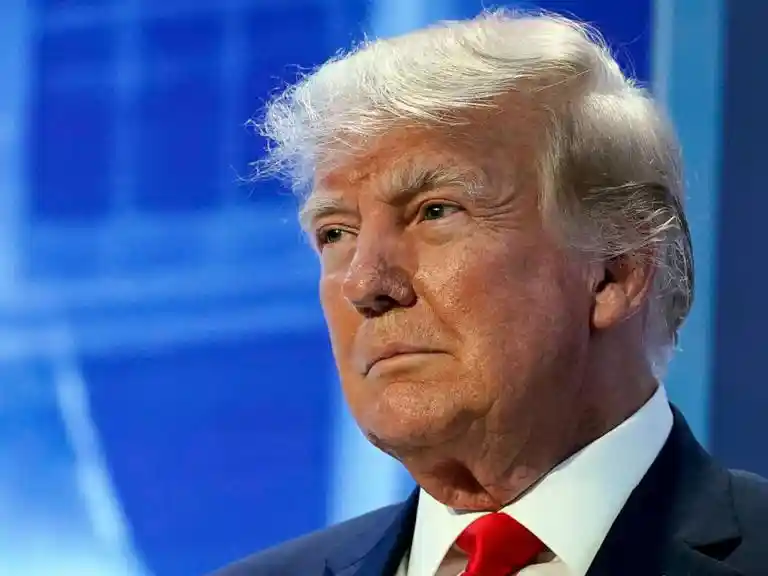
The United States Supreme Court on Tuesday struck down President Donald Trump’s executive order seeking to limit birthright citizenship.
Ejes Gist News reports that, according to the ruling, children born on American soil to parents who are in the country unlawfully or temporarily are entitled to citizenship under the Constitution.
The 6-3 decision represents a major legal defeat for the Trump administration, which had argued that the 14th Amendment’s Citizenship Clause does not extend to children of undocumented immigrants or those on temporary visas.

Don’t Speak For Us – CAN Blasts Trump
Supreme Court Upholds Birthright Citizenship
In its majority opinion, the court held that the language of the 14th Amendment is unambiguous.
However, the amendment, ratified in 1868, states: “All persons born or naturalized in the United States, and subject to the jurisdiction thereof, are citizens of the United States and of the State wherein they reside.”
The court found that Mr Trump’s executive order, which sought to reinterpret the phrase “subject to the jurisdiction thereof” to exclude certain categories of children, exceeded presidential authority and conflicted with over a century of settled legal precedent.
Birthright Citizenship
Birthright citizenship has been a cornerstone of American immigration law since the Supreme Court’s 1898 decision in United States v. Wong Kim Ark, which affirmed that a child born in the US to non-citizen parents is entitled to citizenship.
President Trump had long argued that the policy encourages illegal immigration and “birth tourism.” He signed the executive order shortly after returning to office, fulfilling a campaign promise that had been central to his political platform.
The order was immediately challenged by a coalition of states, civil rights organisations, and immigration advocacy groups. Lower courts had blocked its implementation while the legal battle unfolded.
Tuesday’s ruling settles the constitutional question, but the political debate over birthright citizenship is likely to continue.
Meanwhile, immigration remains one of the most divisive issues in American politics, and the decision is expected to reverberate through the 2028 presidential election cycle.
You May Also Like
Trending Now