Petrol Prices Hit ₦1,500 as Markets Hail Dangote for Saving Nigerians Amid Iran War Crisis
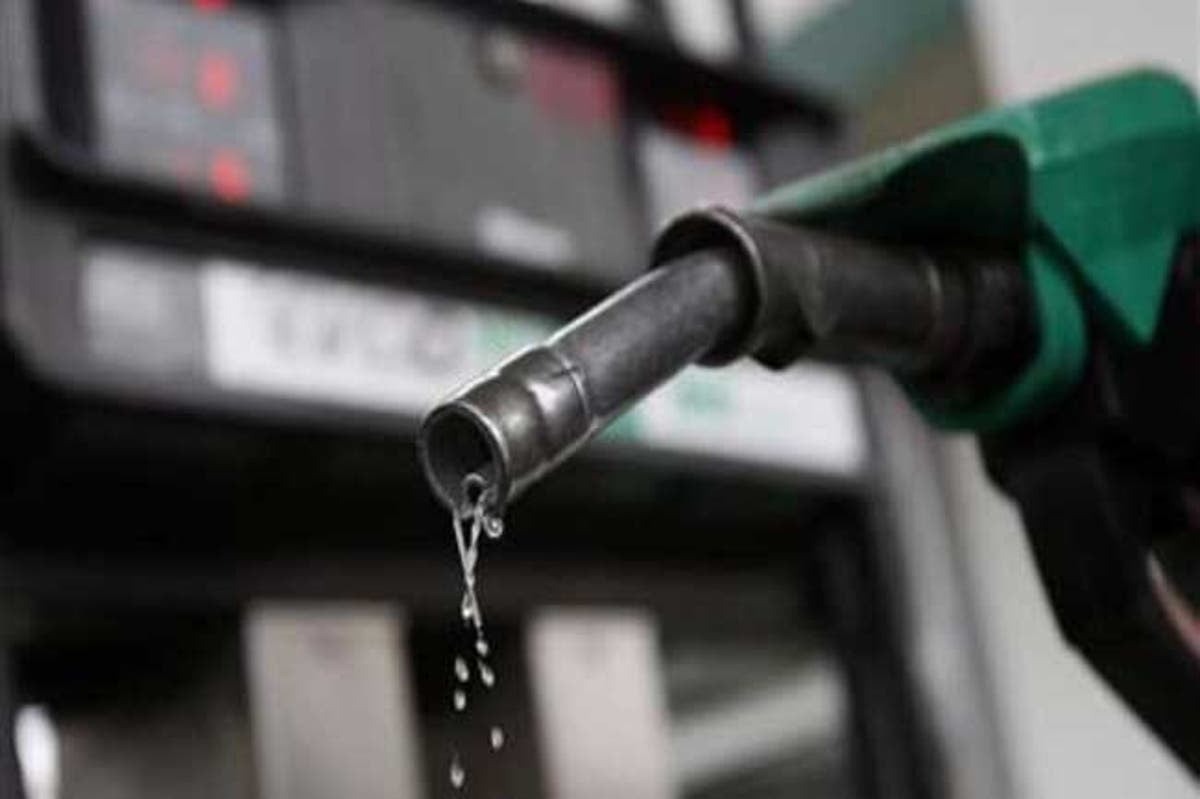
The pump price of Premium Motor Spirit (PMS), commonly known as petrol, has crossed the ₦1,500 per litre threshold in several filling stations across Nigeria, as the ripple effects of the ongoing Iran-Israel conflict continue to reshape global energy economics. However, despite the historic high, industry operators are hailing the Dangote Petroleum Refinery as a strategic buffer that has shielded the nation from what could have been a catastrophic fuel scarcity.
PETROAN Confirms New Price Reality
The National President of the Petroleum Products Retail Outlets Owners Association of Nigeria (PETROAN), Dr. Billy Gillis-Harry, confirmed the new price regime in an interview on Tuesday, explaining that the figure, while painful for consumers, represents the new reality of a deregulated market exposed to global volatility.
“The pricing we predicted has risen above ₦1,000 per litre, the other time, to ₦1,175 at the gantry. By the time we add the charges, logistics, and others, the price will get higher and higher. So, yes, ₦1,500 per litre is not far-fetched,” Dr. Gillis-Harry stated.
Also Read : Fresh Crisis Rocks Rivers as House of Assembly Rejects Fubara’s Four Commissioner Nominees
His remarks followed a sharp rally in international crude benchmarks on Monday, triggered by escalating hostilities between US-Israeli forces and Iran. Brent crude hit $102.8 per barrel, marking a 10.91% increase, while West Texas Intermediate (WTI) surged to $101.0 per barrel, an 11.08% rise.
Dangote Refinery: A Critical Buffer
Despite the financial strain on households and businesses, stakeholders in the downstream sector are emphasizing a paradigm shift in Nigeria’s energy security architecture. Ejes Gist News reports that the Dangote Refinery’s consistent output has prevented the kind of prolonged scarcity that historically accompanied global oil price shocks.
Dr. Gillis-Harry described the 650,000-barrel-per-day facility as the nation’s “salvation” in the current crisis, prioritizing availability over affordability in a time of global supply uncertainty.
“The reality is that if you look at the volatility in the price from what we are seeing today, the Dangote Refinery is the salvation for us, due to the consistent source of product, which is much more important at this time than anything,” he said.
This sentiment was echoed across the downstream value chain, with marketers noting that in previous decades, such a severe spike in global crude prices would have resulted in empty filling stations and paralyzing queues nationwide.
The Mechanics of the Price Hike
The Dangote Refinery revised its ex-depot price for petrol to ₦1,175 per litre on Monday, marking the fourth consecutive price adjustment in less than two weeks. Diesel (Automotive Gas Oil) was also increased to ₦1,620 per litre.
Speaking at a press conference, the Managing Director and Chief Executive Officer of Dangote Petroleum, David Bird, clarified that despite the federal government’s crude-for-naira arrangement, the refinery remains fully exposed to international pricing mechanisms. He explained that the facility purchases Nigerian crude at global market rates, meaning its output prices are inextricably linked to the volatility of Brent and WTI benchmarks.
Energy Security vs. Affordability
The core argument presented by marketers to Nigerian consumers is one of trade-offs: the current high prices are preferable to the economic paralysis of fuel scarcity.
Dr. Gillis-Harry urged the public to view the situation through the lens of energy security, noting that business continuity, even at higher costs, prevents a more devastating economic shutdown.
“It should not make us panic. It is better for us to have the product available, be able to do our business, and get some level of energy security than not having it,” he added.
Global Context and Market Response
The conflict in the Middle East has upended global transport and energy sectors, with particular concern focused on the Strait of Hormuz, through which approximately 20% of the world’s oil passes. Fears of supply disruptions have sent shivers through commodity markets worldwide.
In response to the crisis, former US President Donald Trump announced a temporary waiver of certain oil sanctions to boost global supply and stabilize prices. “We’re also waiving certain oil-related sanctions to reduce prices,” Trump told reporters, adding that the measures would remain in place “till this straightens out.”
Market sentiment showed signs of stabilization on Tuesday following de-escalation signals from Washington. Trump told CBS News that the active phase of the conflict was “pretty much” complete, contributing to a partial pullback in oil prices and offering temporary relief to global markets.
You May Also Like
Trending Now