
Guide to Cooking Authentic Egusi Soup: Your Definitive Step-by-Step Recipe

Advertisements
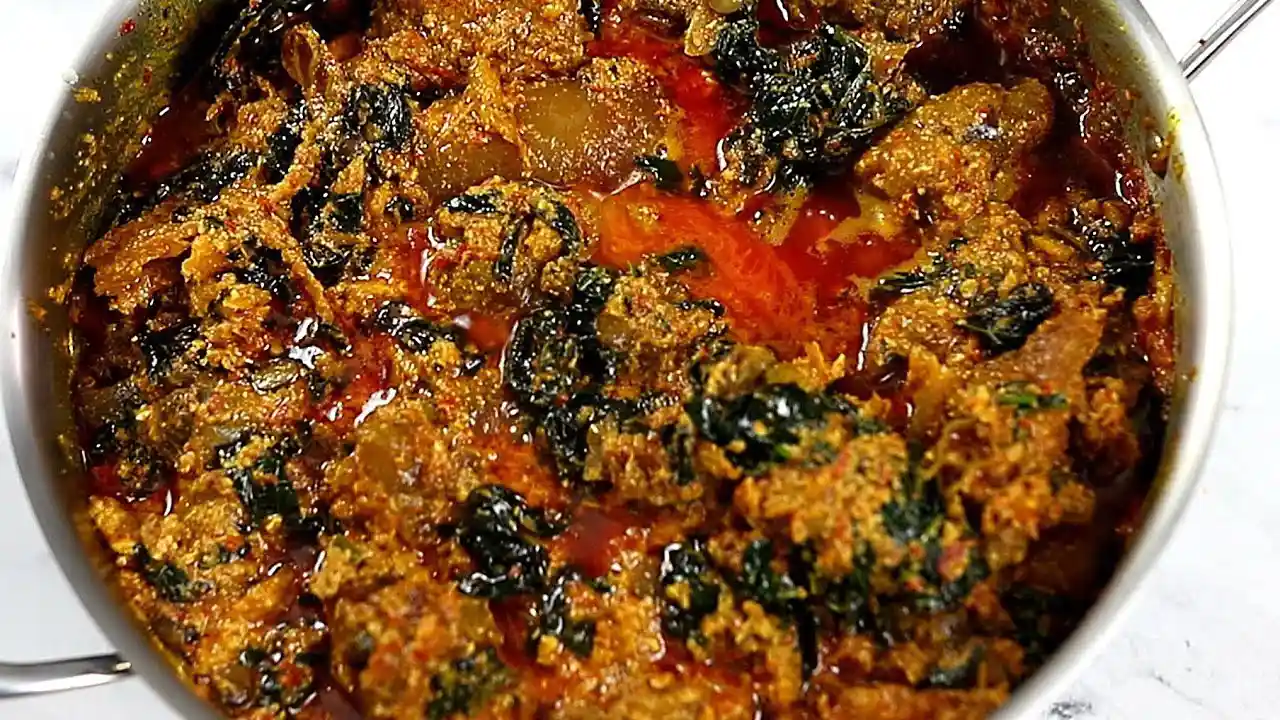
This guide to cooking authentic egusi soup is the definitive step-by-step recipe and contains everything you need.
The Delight of Nigerian Egusi Soup
What is Egusi? Egusi soup holds a sacred place in Nigerian cuisine. It is a hearty, rich, and deeply satisfying soup made from the seeds of the melon fruit. These seeds are dried, shelled, and ground into a powder, becoming the thick, nutty, and essential base for this delicacy. Egusi is not just food; it is a centerpiece of celebrations and a symbol of comfort across various Nigerian cultures.
Whether you are a first-time cook venturing into Nigerian cuisine or a seasoned chef seeking a traditional recipe, this guide is for you. You will learn the simple, traditional method to make a rich, hearty, and authentic pot of Egusi soup, ensuring that every spoonful is bursting with flavor and texture.
Advertisements
Egusi soup is typically served with a swallow—a starchy side dish molded into a ball and dipped into the soup. Ideal pairings include Eba (Garri), Pounded Yam, Fufu, or Semolina. Prepare to enjoy a taste of West Africa!
II. Ingredients and Preparation (What You Need)
To achieve the deep, authentic flavor profile of Egusi soup, sourcing the right ingredients is essential. Below is the complete list of ingredients for Egusi soup with chicken and other assorted meats.
Advertisements
A. The Essentials (Detailed Ingredient List)
| Ingredient Category | Item | Quantity (Approx. for 4-6 people) | Purpose & Notes |
|---|---|---|---|
| Protein | Assorted Meats (Beef, Shaki/Tripe, Ponmo) | 1 kg | Adds texture and creates the rich meat stock. |
| Chicken (Optional Substitution) | 500g – 1kg | A great substitute for traditional meats. | |
| Fish | Stockfish (Head or pieces) | 1 medium | Provides deep, salty, umami flavor. |
| Dry Smoked Fish | 1-2 medium | Adds flaky texture and smokiness. | |
| The Star | Ground Egusi (Melon) Seeds | 2 cups | The thickener and main flavor base. |
| Oil | Red Palm Oil | 1 cup (≈250ml) | Essential for color and authentic taste. |
| Flavour Base | Onions | 2 medium bulbs | Sliced for stock and chopped for frying. |
| Scotch Bonnet/Habanero Pepper | 4-6 pieces (adjust to taste) | Adds heat and flavor depth. | |
| Seasoning | Seasoning Cubes (Knorr/Maggi) | 4-5 cubes | Enhances overall savory taste. |
| Salt | To taste | Essential balancing agent. | |
| Ground Crayfish | 1/2 cup | Contributes a strong maritime flavor. | |
| Iru (Locust Beans) | 2 tablespoons | Optional but highly recommended for traditional, pungent depth. | |
| Vegetables | Fluted Pumpkin Leaves (Ugu) or Spinach | 2 cups (chopped) | Adds vitamins, color, and texture. |
B. Preparation Checklist (Prep Time)
Preparation is half the cooking process. Ensure these steps are completed before you start cooking:
- Prep Meats: Wash all assorted meats and chicken thoroughly. Cut them into desired sizes.
- Prep Fish: Wash the stockfish and dried fish in hot water to remove sand, dirt, or impurities. Flake the smoked fish and de-bone it carefully.
- Prep Egusi: Grind the egusi seeds into a smooth powder. For the Frying Method, mix the powder with a little chopped onion and a minimal amount of water to form a thick, stiff paste.
- Prep Vegetables: Wash and finely chop your preferred leafy greens (Ugu or Spinach).
III. The Step-by-Step Cooking Guide (The Frying Method)
The frying method is the traditional way to cook Egusi soup, celebrated for delivering a rich, nutty flavor and desirable lumpy Egusi texture.
Step 1: Parboil and Season the Meats to Create Stock
- Place the toughest meats (Shaki, Beef, Goat Meat) in a pot. If using chicken, add it slightly later since it cooks faster.
- Add half of the sliced onions, 2 seasoning cubes, a pinch of salt, and water just enough to cover the meat.
- Cook the tough meats until nearly tender (soft). This cooking liquid becomes your invaluable, flavorful meat stock.
- Add the cleaned stockfish, dry smoked fish, and chicken (if not added earlier) toward the end to soften and absorb flavor. Remove all cooked meat and fish from the pot, reserving the stock.
Step 2: Fry the Egusi Base
This step is key to a great, lumpy Egusi texture.
- Place a clean, empty pot on heat. Add the entire cup of Red Palm Oil. Heat gently for 3 minutes until warm and light orange-red. Do not bleach the oil.
- Add the remaining sliced onions and Iru (if using) and fry briefly for 30–60 seconds to infuse the oil.
- Scoop the thick Egusi Paste into the warm oil.
- Crucial Tip: Fry gently over medium-low heat. Stir occasionally, scraping the bottom. Fry until the Egusi changes from pale yellow to a darker, crumbly mass (5–10 minutes). This step develops the nutty flavor and lumpy texture.
Step 3: Build the Soup Base (The Pepper Mix)
- Add blended Scotch Bonnet pepper and ground crayfish to the Egusi/oil mixture.
- Stir and fry for 5–7 minutes until the oil rises to the top and the pepper is fully cooked into the Egusi.
Step 4: Combine and Simmer
- Pour the reserved Meat Stock (including fish broth) into the pot. Stir well to combine. Add remaining seasoning cubes and salt to taste.
- Cover the pot and simmer for 10–15 minutes. The Egusi must fully cook and absorb the liquid, thickening the soup. Stir occasionally to prevent burning.
Step 5: Add Protein and Vegetables
- Gently return the cooked meats, chicken, and fish to the pot. Stir carefully to avoid breaking the fish.
- Add chopped leafy vegetables (Ugu, Spinach).
- Tip: Cook vegetables for 3–5 minutes. They should remain vibrant and slightly crisp.
Step 6: Final Taste and Serve
- Taste and adjust seasoning. Add extra stock or water if soup is too thick.
- Turn off the heat and allow the soup to rest for a few minutes. Flavors will meld beautifully.
IV. Exploring Different Egusi Cooking Styles
How to Prepare Egusi Soup Without Frying
This is a healthier, faster alternative resulting in a smoother texture:
- Skip frying and complete Step 1 (parboil and season meats).
- Mix the ground Egusi into a thick paste.
- Drop the paste into boiling meat stock in small dollops.
- Let cook undisturbed for 15–20 minutes. Do not stir initially.
- Add pepper, crayfish, meats, and vegetables as in Steps 3–5.
How to Cook Anambra Egusi Soup (Regional Style)
Eastern Nigerian (Anambra/Igbo) style favors a smoother Egusi and heavier use of bitter leaf and ogiri:
- Key Difference: Egusi is typically not fried; it is boiled in the stock.
- Flavour: Bitter leaf is washed to reduce bitterness.
- Thickening Agent (Ofor): Add 1 tablespoon of ground Ofor mixed with water during simmering to thicken the soup.
How to Cook Egusi Soup Without Vegetables
- Follow Steps 1–4.
- Omit Step 5 (no greens).
- Proceed to Step 6.
Result: A richer, oilier soup where Egusi and meat flavors are pronounced.
V. Recipe Notes and Troubleshooting
| Common Issue | Cause / Solution |
|---|---|
| Lumpy Egusi | Mix Egusi with water/onion into thick paste. Drop into hot oil or boiling stock in small dollops. Do not stir until lumps form. |
| Smooth Egusi | Use the boiling method or add powder directly to boiling stock and stir continuously. |
| Soup Too Thick | Add warm meat stock or water and simmer gently. |
| Storage | Store in airtight containers in the fridge for 3–4 days or freeze up to 3 months. |
VI. Conclusion
Egusi soup is a testament to Nigerian culinary heritage. By mastering the traditional frying method outlined here, you can confidently prepare a flavorful, authentic pot of soup. The combination of rich palm oil, nutty Egusi, savory crayfish, and aromatic Iru creates a flavor that is truly unforgettable.
Serve your hot, rich Egusi Soup with your favorite swallow! Check our guide on How to Make Perfect Eba (Garri) for a complete, authentic Nigerian meal experience.
