

Advertisements
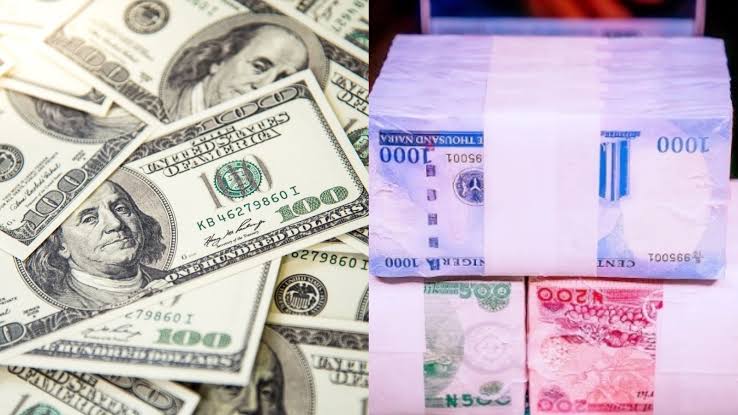
The Dollar to Naira exchange rate today, March 10, 2026, shows continued fluctuations across Nigeria’s official and parallel foreign-exchange markets as the local currency responds to supply conditions, external demand pressures, and Central Bank interventions.
Data from the Nigerian Foreign Exchange Market (NFEM) indicates that the naira traded around ₦1,398 per United States dollar in the official market during early trading. Ejes Gist News reports that the currency opened at ₦1,398.24/$, briefly touching ₦1,398.82/$ before strengthening slightly to about ₦1,396.24/$ as supply from the Central Bank of Nigeria (CBN) and authorised dealers met prevailing demand.
Market data analysts note that movements in the official exchange window remain closely tied to liquidity injections and corporate demand for foreign currency.
Advertisements
Dollar to Naira Exchange Rate in Official Market
According to foreign-exchange market data, the naira maintained a relatively stable position in the official window.
Key figures for March 10, 2026 (NFEM window):
Advertisements
- Opening rate: ₦1,398.24 per $1
- Intraday high: ₦1,398.82 per $1
- Mid-session rate: around ₦1,396.24 per $1
The slight appreciation recorded during the trading session followed increased liquidity from the CBN and authorised dealers in the interbank foreign-exchange market.
Also Read: BREAKING: Appeal Court Upholds Suspension of Wike’s Allies Anyanwu, Bature, Ajibade, Others
Historical data compiled from market trackers also indicates that the official USD/NGN rate has fluctuated within the ₦1,372–₦1,402 band during the first week of March 2026, reflecting moderate volatility in the currency market.
Dollar to Naira Exchange Rate in the Black Market
In Nigeria’s parallel market—often referred to as the black market or Aboki FX—rates typically trade above the official window due to supply constraints and demand from individuals and businesses unable to access foreign exchange through banks.
As of March 10, 2026, foreign-exchange dealers in Lagos, Abuja, and other major trading hubs quoted the dollar at approximately:
- Buying rate: ₦1,415 per $1
- Selling rate: ₦1,428 per $1
Other market trackers also place the parallel-market rate around ₦1,420 per dollar, indicating a narrow spread between the official and informal markets.
The Central Bank of Nigeria does not recognise the parallel market and has repeatedly directed individuals seeking foreign currency transactions to authorised financial institutions.
Comparison: Official vs Black Market Rates
| Market Segment | Buying Rate | Selling Rate |
|---|---|---|
| Official Market (NFEM) | ~₦1,396/$ | ~₦1,398/$ |
| Parallel Market (Black Market) | ~₦1,415/$ | ~₦1,428/$ |
The difference between the official and parallel market rates has narrowed in recent trading sessions, reflecting improved liquidity and increased foreign-exchange inflows into the Nigerian market.
Key Factors Influencing the Dollar to Naira Rate
Several structural and short-term factors continue to influence the Dollar to Naira exchange rate in Nigeria:
1. Foreign Exchange Supply
Liquidity from the Central Bank and authorised dealers plays a significant role in stabilising the official market.
2. Corporate and Import Demand
Businesses seeking dollars for import payments, international services, and debt servicing increase pressure on the naira.
3. Foreign Portfolio Investment
Inflows from foreign investors can strengthen the currency, while capital exits tend to weaken it.
4. External Economic Conditions
Global financial developments and geopolitical tensions have also contributed to currency volatility in recent months.
Historical Context of Dollar to Naira Movement
Nigeria’s currency has undergone multiple devaluations since the adoption of structural economic reforms in the late twentieth century. Earlier decades recorded exchange rates far below current levels, but persistent pressure from declining oil revenues, import dependency, and structural economic challenges has pushed the naira weaker over time.
Recent market data indicates that the naira has fluctuated significantly since 2024, when the USD/NGN pair reached record highs amid foreign-exchange reforms and liquidity adjustments in the Nigerian financial system.
Quick Conversion Guide (Based on Parallel Market Rate)
Using the approximate ₦1,428/$ parallel market selling rate:
- $10 ≈ ₦14,280
- $50 ≈ ₦71,400
- $100 ≈ ₦142,800
- $500 ≈ ₦714,000
- $1,000 ≈ ₦1,428,000
Currency traders note that exchange rates in the informal market can change several times during a single trading day depending on supply conditions and local demand.
Overview of the Dollar to Naira Exchange Rate
The Dollar to Naira exchange rate today, March 10, 2026, reflects ongoing adjustments within Nigeria’s foreign-exchange system as policymakers pursue exchange-rate convergence and improved liquidity across the official market.
Financial analysts continue to monitor foreign-exchange reserves, investor inflows, and monetary policy decisions by the Central Bank of Nigeria as key indicators influencing the future direction of the naira.
Sources:
