‘Governor Fubara Was Denied Return Ticket Because He Decided to Fund Trans-Kalabari Road’ — Lulu-Briggs
Key Takeaways
- Southern Expansion Strategy: The NDC Rivers governorship candidate, Dumo Lulu-Briggs, revealed plans to extend infrastructural expansion southward to create powerful economic engines.
- Investment Advice: Stakeholders were urged to secure land along the new axes, predicting that modest current investments will appreciate exponentially.
- The Trans-Kalabari Backlash: Lulu-Briggs asserted that political friction against leaders like himself stems from funding the Trans-Kalabari project, which opens a major economic corridor.
- Resisting Enslavement: He argued that opposition forces seek to block economic liberation because financially empowered citizens cannot be easily controlled.
Unlocking Southern Economic Corridors
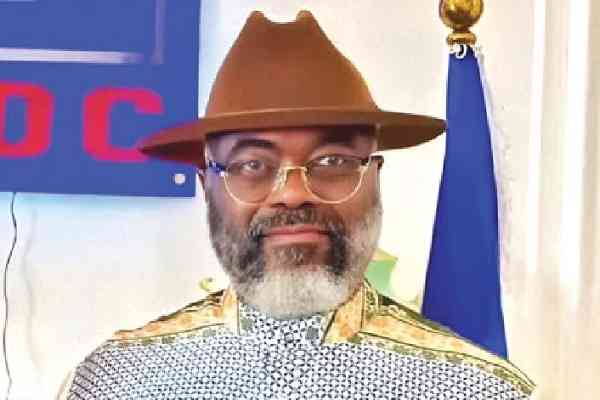
During a recent briefing providing insider perspective on regional development, Nigeria Democratic Congress (NDC) Rivers governorship candidate, Dumo Lulu-Briggs, detailed plans to pivot major infrastructure expansions toward the south. Explaining the strategic vision, Lulu-Briggs stated:
“Part of the plan, you know, is that the great expansion which was going to the north, would also be made to go also to the south. So we’re going to extend, you know, get up to it and… Right, so that would be the next axis that we’re going to have.”
Lulu-Briggs encouraged stakeholders and locals to acquire land along these upcoming routes, noting that current modest property values are poised for massive financial growth:
“So those of who are for those areas that would begin to see how you can buy plots and all those things because the small things that you have that today, you know, will not be valued at a penny, would be, you know, valued in the billions in no time.”
He emphasized that these infrastructure drives are essential structural catalysts rather than mere charitable acts:
“And we are not trying to do these things because we’re kind people. But these are, you know, economic engines that we have to activate.”
The Truth Behind the Trans-Kalabari Resistance
Addressing the heavy political friction and opposition surrounding political actors, Lulu-Briggs pointed directly to the Trans-Kalabari project as the core catalyst. He explained that opening up new regional economic routes threatens entrenched interests:
“And that is why, you know, I have always been in sympathy with our dear governor, Governor Siminalayi Fubara. Part of what he is facing is the fact that he decided to fund Trans-Kalabari, if you must know. So all of this is that he must be stopped. Because he is opening up yet another economic corridor, you know, that will bring prosperity not just to the people in that corridor, but to the entire state. But the people in that corridor will be great beneficiaries.”
Lulu-Briggs further contended that opposition factions attempt to halt these initiatives because economic freedom breeds political independence:
“But those who want to, you know, have their regime money grow, know that, you know, a people who are liberated, you know, because their economies are good, cannot be enslaved. So they have decided that well that stream has to be stopped. And that’s what they are about, you know, you know, doing.”
Concluding his remarks, he noted that pushback against political figures usually arises when leaders deviate from establishment master plans:
“So all of these things that you cannot re-contest are all of those ones, was because he was doing things against their own master plan.”
Ejes Gist News ( EGN) stands for truth, responsible journalism, editorial integrity and fearless accountability.
You May Also Like
Trending Now