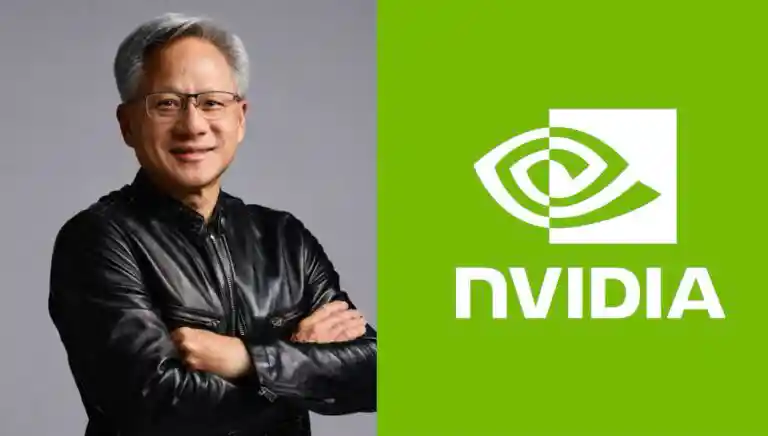
NVIDIA CEO Jensen Huang faces FBI scrutiny: nine things to know
Jensen Huang steps down as NVIDIA CEO.
NVIDIA co-founder and former chief executive officer Jensen Huang has come under intense scrutiny following allegations of an extramarital relationship with a woman suspected by US intelligence officials of having links to Chinese espionage. The controversy has triggered an FBI investigation, a shareholder lawsuit and an independent inquiry by NVIDIA’s board, raising concerns about corporate security and the company’s relationship with China.
Huang’s departure from the world’s leading artificial intelligence chipmaker on November 12, 2026, has intensified the crisis. NVIDIA appointed its Chief Financial Officer, Colette Kress, as interim chief executive while the board searches for a permanent replacement. Ejes Gist News reports that the allegations have also raised questions about the security of sensitive technology and the enforcement of US restrictions on advanced semiconductor exports to China.
Here are nine important things to know about the controversy involving Jensen Huang, the FBI investigation and NVIDIA’s leadership crisis.
1. Who is Jensen Huang?
Jensen Huang is a Taiwanese-American technology entrepreneur and co-founder of NVIDIA, one of the world’s most valuable technology companies.
Born in Taiwan in 1963, Huang co-founded NVIDIA in 1993 and spent more than three decades building the company into a global leader in graphics processing units (GPUs), artificial intelligence chips and data-centre technology.
Under his leadership, NVIDIA became a major supplier of the processors used to develop and operate advanced artificial intelligence systems. Its technology powers computing infrastructure used by leading technology companies, research institutions and AI developers.
Huang, 63, became one of the most influential executives in the global semiconductor industry before the controversy surrounding his personal relationships threatened his position.
2. Why is the FBI investigating Jensen Huang?
The controversy centres on allegations that Huang had an extramarital relationship with Alice Huang, a Singapore-based businesswoman and former executive of Megaspeed International, whom US intelligence officials suspect of having links to Chinese espionage.
US authorities are examining whether the relationship formed part of a broader foreign intelligence operation targeting the NVIDIA chief.
The concerns extend beyond Huang’s private life because of his position at a company that controls access to some of the world’s most advanced artificial intelligence processors.
US President Donald Trump confirmed that the FBI was investigating Huang’s relationship and his alleged connections with the woman suspected of spying for China.
However, the precise scope and findings of the FBI investigation have not been publicly established.
3. Who is Alice Huang?
Alice Huang, also known as Huang Le, is a former senior executive at Megaspeed International, a Singapore-based technology company involved in computing infrastructure and NVIDIA-related business activities.
She is reportedly the woman at the centre of the allegations involving Jensen Huang.
US intelligence officials reportedly suspect that she maintained connections with Chinese intelligence operations and may have sought to influence NVIDIA’s business relationships and chip distribution.
Alice Huang and Jensen Huang share the same surname but are not related.
Her former company, Megaspeed, has also attracted scrutiny over allegations that it helped Chinese businesses obtain advanced NVIDIA processors despite US export restrictions.
However, Singaporean authorities have indicated that their investigation did not establish sufficient evidence of criminal offences against Alice Huang, while she was issued a warning and barred from returning to the country.
4. Why does the relationship raise US national security concerns?
The FBI investigation has attracted attention because NVIDIA manufactures advanced semiconductor technology with significant commercial and military applications.
Its graphics processing units power artificial intelligence systems, high-performance computing infrastructure, data centres and other technologies that can also support military and intelligence operations.
The US government has imposed restrictions on exports of certain advanced semiconductor products to China since 2022, citing national security concerns.
Washington fears that unrestricted access to advanced American chips could strengthen China’s military capabilities and artificial intelligence development.
Investigators are therefore examining whether Huang’s alleged relationship exposed confidential company information, created opportunities for foreign influence or affected the enforcement of restrictions on sensitive semiconductor technology.
There is, however, no established public finding that NVIDIA’s national security or confidential corporate information was compromised.
5. What action has NVIDIA taken over the allegations?
NVIDIA’s board of directors initiated an independent investigation after reports emerged that Huang might have been targeted by a foreign intelligence operation.
The board appointed independent directors to oversee the inquiry, with assistance from external legal advisers.
The company engaged US law firm Wachtell, Lipton, Rosen & Katz to conduct the investigation. The legal team is led by Joon Kim, a former acting US attorney.
In its November 8, 2026, statement, NVIDIA said its board had no reason to believe that US national security or the company’s confidential information had been compromised.
However, the directors said the investigation would examine all available information.
Huang initially supported the inquiry and pledged to cooperate with investigators before his resignation.
6. Did Jensen Huang have another alleged relationship with an NVIDIA employee?
The controversy intensified after reports emerged that Huang allegedly had another extramarital relationship involving a senior NVIDIA employee who reportedly reported directly to him.
The New York Times reported that the alleged relationship involved a senior company executive, adding another dimension to the leadership crisis.
The Associated Press said it could not independently confirm the second relationship.
The allegations raised additional corporate governance questions concerning executive conduct, workplace relationships and the potential abuse of authority within the technology company.
The reports also increased pressure on NVIDIA’s board to address the controversy surrounding its chief executive.
7. Why did Jensen Huang resign as NVIDIA CEO?
Huang resigned as NVIDIA’s chief executive on November 12, 2026, following mounting pressure over the allegations and the investigations surrounding his relationships.
The company’s board had reportedly considered removing him as the controversy threatened to undermine investor confidence and create further uncertainty about corporate leadership.
NVIDIA announced that Chief Financial Officer Colette Kress would take over as interim CEO while the company searches for a permanent replacement.
Huang’s departure also marked the end of his more than 30-year tenure as the company’s chief executive.
He is also leaving NVIDIA’s board, while the company appointed former Synopsys chief executive Harvey Jones as its first-ever board chair.
8. How much has NVIDIA lost because of the controversy?
NVIDIA’s market value has come under significant pressure as investors react to the leadership crisis and concerns about the company’s exposure to regulatory and national security investigations.
Reports of Huang’s alleged relationship with Alice Huang, the FBI investigation and the possibility of his removal contributed to a sharp decline in NVIDIA shares.
The company’s stock fell by approximately 14 per cent at the opening of US trading on November 12, although it subsequently recovered some of its losses.
The market reaction wiped hundreds of billions of dollars from NVIDIA’s valuation, with reports indicating that the company lost more than $600 billion in market value over the course of the week.
The scale of the sell-off reflects investor concerns about leadership uncertainty at a company central to the global artificial intelligence industry.
9. Why are NVIDIA shareholders suing the company, and why should Nigerians care?
NVIDIA is facing a shareholder lawsuit accusing the company and Huang of failing to disclose information about the alleged relationship and potential risks to the business.
The investors argue that the alleged failure to disclose material information deprived shareholders of information that could have influenced their decisions to purchase, hold or sell NVIDIA shares.
The lawsuit also raises questions about the responsibilities of corporate directors and executives to disclose information that could materially affect a publicly traded company.
The allegations have not established liability, and the legal proceedings will determine whether the claims have merit.
For Nigerians, the controversy matters because NVIDIA occupies a central position in the global artificial intelligence industry.
Its processors support the computing infrastructure used by technology companies, financial institutions, software developers and businesses operating in Nigeria’s expanding digital economy.
Disruptions to NVIDIA’s operations, changes in US export policies or restrictions on international chip distribution could have implications for the availability and cost of computing infrastructure.
The investigation could also influence how Washington regulates advanced artificial intelligence technology and monitors companies with business relationships involving China.
NVIDIA’s leadership transition therefore carries implications beyond the company’s internal management, particularly for the global semiconductor industry and the future of artificial intelligence development.
Saturday, Nov 14, 2026
Brasileirão Série A
-
Brasileirão Série A UPCOMING
-
Brasileirão Série A UPCOMING


Wednesday, Nov 18, 2026
Brasileirão Série A
-
Brasileirão Série A UPCOMING
-
Brasileirão Série A UPCOMING
-
Brasileirão Série A UPCOMING


Ejes Gist News stands for truth, responsible journalism, editorial integrity and fearless accountability.
You May Also Like


Trending Now