
Opposition Coalition Finally Moves To Pick Consensus Candidate Between Atiku, Peter Obi
The G-100 opposition coalition has intensified efforts to produce a consensus presidential candidate to challenge President Bola Tinubu in the 2027 general election, with negotiations involving prominent opposition figures, including Atiku Abubakar and Peter Obi.
The coalition said its strategic engagements were progressing rapidly, expressing optimism that discussions among political parties and presidential aspirants would yield significant breakthroughs before the end of 2026.
Naijaonpoint Nigeria reports that the National Chairman of the Social Democratic Party (SDP), Sadiq Gombe, disclosed this on Wednesday in Abuja during the inauguration of the coalition’s Legal and Media Committees.
The committees are expected to strengthen the alliance’s coordination, address potential legal challenges and establish a unified communication strategy as the opposition explores ways to present a common candidate against the ruling All Progressives Congress (APC).
Atiku, Peter Obi, Donald Duke Among Contenders
Prominent presidential hopefuls being considered by the coalition include former Vice President Atiku Abubakar, former Labour Party presidential candidate Peter Obi, former Cross River State Governor Donald Duke and former presidential candidate Adewale Adebayo.
The inclusion of the political figures highlights the range of interests the coalition must reconcile as it seeks to agree on a candidate capable of attracting support across different political parties and voter groups.
Atiku contested the 2023 presidential election under the Peoples Democratic Party (PDP), while Obi ran on the platform of the Labour Party. Both politicians attracted significant support during the election, making their potential participation in a consensus arrangement a major consideration for opposition stakeholders.
However, reaching an agreement could prove challenging, given the individual ambitions of the aspirants, their political followings and the interests of the parties involved.
Gombe said direct discussions between party leaders and the presidential hopefuls were already underway, adding that the coalition expected major progress before the end of the year.
He did not disclose the criteria that would ultimately determine the consensus candidate or indicate whether any of the aspirants had agreed to step aside in favour of another contender.
Six Political Parties Participate In Coalition
The G-100 coalition brings together political parties seeking to coordinate their efforts ahead of the 2027 general election.
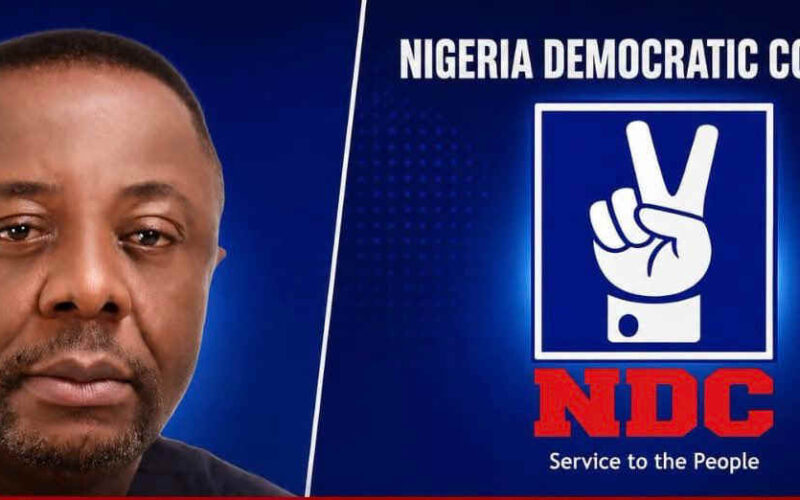
The parties identified as participants are the Social Democratic Party (SDP), African Democratic Congress (ADC), Nigeria Democratic Congress (NDC), Peoples Redemption Party (PRP), Peoples Democratic Party (PDP) and Allied Peoples Movement (APM).
The alliance’s immediate challenge is to establish a framework that allows the participating parties to negotiate their political interests while working towards a common electoral objective.
A consensus arrangement could reduce the likelihood of competing opposition candidates splitting votes among supporters who want a change of government. However, its success would depend on whether the parties and aspirants accept the eventual decision and mobilise their supporters behind the selected candidate.
The coalition has yet to announce a final agreement on its presidential ticket.
Legal Committee To Examine Electoral Laws
The newly inaugurated Legal Committee comprises national legal advisers from the participating parties.
According to the coalition, the committee will examine constitutional provisions, electoral laws and relevant Supreme Court judgments to identify potential legal obstacles that could affect the alliance’s operations or its participation in the 2027 elections.
The committee is also expected to help ensure that the coalition’s arrangements comply with applicable legal requirements.
The legal dimension is significant because any consensus arrangement involving multiple political parties must account for party nomination procedures, eligibility requirements and the provisions governing presidential elections.
A clear legal framework could help the coalition minimise disputes and avoid complications that might undermine its preparations.
Media Committee To Coordinate Opposition Messaging
The coalition has also inaugurated a Media and Publicity Committee comprising national publicity secretaries and campaign spokespersons from the participating parties.
The committee will coordinate joint communications and develop strategic messaging for the alliance.
Its responsibilities are expected to include presenting a common position on major national issues and communicating the coalition’s objectives to Nigerians as negotiations continue.
Coordinated communication could help the parties explain their proposed alliance and prevent conflicting public statements from weakening the initiative.
However, the coalition will also need to demonstrate that its proposed alternative extends beyond the selection of a presidential candidate to include policies addressing the country’s major economic and security challenges.
Economic Hardship, Insecurity Drive Push For Unity
Gombe said the coalition’s efforts were motivated by concerns about economic hardship and insecurity under the current administration.
He emphasised the need for opposition parties to prioritise the national interest over individual political ambitions, arguing for a credible and unified alternative for Nigerians.
The coalition’s approach reflects a broader effort among opposition figures to coordinate their political activities ahead of the next presidential election rather than allow competing parties to approach the contest independently.
For such an arrangement to succeed, the participating parties will need to agree not only on a presidential candidate but also on the principles, policies and campaign strategy that would guide a joint effort.
The ability of the coalition to resolve disagreements among its leading figures could therefore prove as important as the popularity of the candidate it eventually selects.
What Happens Next?
With negotiations reportedly underway and key committees now inaugurated, attention will turn to the criteria for selecting the consensus candidate and whether the leading aspirants will accept the outcome.
The coalition’s stated target of making significant progress before the end of 2026 provides a timeline for its negotiations, although no final candidate has been announced.
For now, Atiku Abubakar, Peter Obi, Donald Duke and Adewale Adebayo remain among the prominent figures identified as being under consideration.
Whether the G-100 can unite its participating parties behind one candidate will be a major test of the opposition’s ability to mount a coordinated challenge to Tinubu in 2027.
Ejes Gist News stands for truth, responsible journalism, editorial integrity and fearless accountability.
You May Also Like
Trending Now