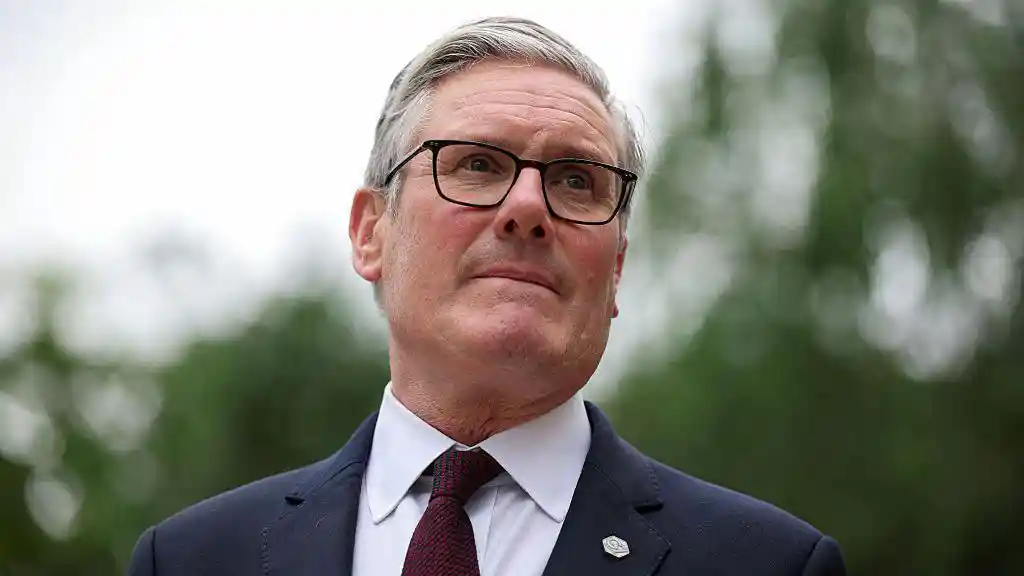
Tears, Emotion as UK Prime Minister Keir Starmer Resigns – Details Inside
British Prime Minister Keir Starmer has announced his resignation, bringing an end to his premiership after less than two years in office.
Starmer made the emotional announcement outside 10 Downing Street on Monday, June 22, 2026, fighting back tears as he confirmed he would step down as leader of the Labour Party and prime minister.
Ejes Gist News reports that Starmer’s voice choked with emotion near the end of his brief statement, which was watched by staff, Cabinet ministers, and scores of journalists.
“The question my party is asking now is whether I am best placed to lead us into the next general election. I have heard the answer of my parliamentary party to that question, and I accept that answer with good grace,” Starmer said.
He informed King Charles III of his decision earlier on Monday morning.
Why Starmer Resigned
Starmer’s resignation follows weeks of mounting pressure from within his own Labour Party.
The immediate trigger was the victory of Andy Burnham, the former Mayor of Greater Manchester, in a special parliamentary by-election on June 19. Burnham’s return to Parliament paved the way for him to challenge Starmer for leadership of the party.
Also Read : No Loans, No Debt – Delta Govt Reveals How Oborevwori Delivered Mega Projects
Starmer swept to power in a landslide election victory in July 2024, ending 14 years of Conservative rule. However, his popularity and that of the party plummeted due to a series of policy missteps, damaging scandals, and failure to deliver promised economic growth.
Key controversies that led to his downfall include:
The appointment of Peter Mandelson, a scandal-tarnished friend of Jeffrey Epstein, as UK ambassador to the United States
Poor results in regional elections in May
Resignations of senior cabinet members, including Health Secretary Wes Streeting and Defense Secretary John Healey
Criticism of immigration and energy policies
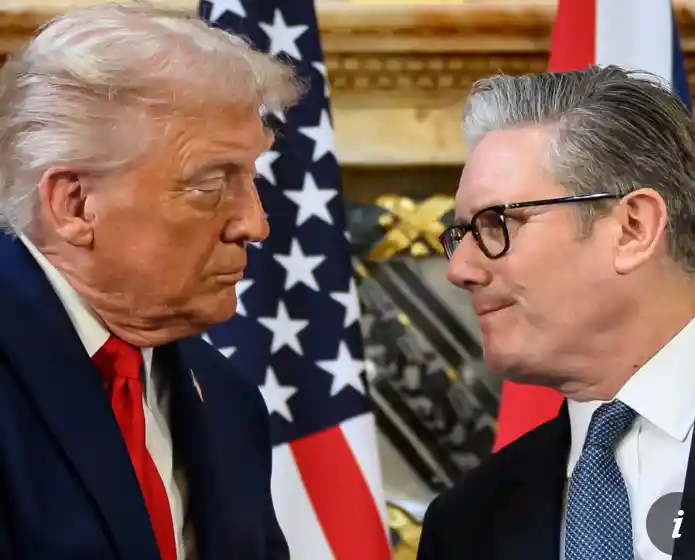
U.S. President Donald Trump weighed in on the matter, posting on social media: “Keir Starmer will resign as Prime Minister of The United Kingdom. He failed badly on two very important subjects – IMMIGRATION AND ENERGY (OPEN NORTH SEA OIL!). I wish him well!”
What Happens Next – Leadership Contest
Starmer will remain as caretaker prime minister until a new Labour leader is chosen.
He has asked Labour’s National Executive Committee to set out a timetable for the leadership contest, with nominations opening on July 9, 2026, and closing before Parliament’s summer recess on July 16.
A new leader is expected to be in place before Parliament returns in September.
Andy Burnham Emerges as Frontrunner
Andy Burnham, 56, the former Mayor of Greater Manchester, has confirmed he will put himself forward for the leadership.
Nicknamed the “King of the North,” Burnham won the Makerfield by-election last week and is expected to be sworn in as a Member of Parliament on Monday.
Former Health Secretary Wes Streeting, who resigned last month to protest Starmer’s leadership, had previously said he would run if there was a contest. However, he has since indicated he will back Burnham.
Starmer’s Emotional Farewell
In his resignation speech, Starmer reflected on his time in office: “Every decision I have taken has been about putting the country I love first. That is why I will resign as leader of the Labour Party.”
Before concluding his speech, he said that upon leaving the most powerful position in British politics, he would dedicate his time to being “the best husband I can to my fantastic wife Vic, who has been a rock by my side through good times and bad; and being the best dad I can to my beautiful children, who are my pride and my joy.”
Starmer is the sixth prime minister in a decade to stand outside 10 Downing Street and announce a premature departure.
Reactions to Starmer’s Resignation
European Commission President Ursula von der Leyen praised Starmer’s legacy and support for Ukraine, saying: “It can take many leaders years to grow into the statesman you became in just two years… European and Ukrainian security is stronger because of you. Thank you, dear Keir.”
Keir Starmer Leadership Crisis
The leadership crisis surrounding Keir Starmer emerged after growing dissatisfaction within the governing Labour Party over electoral setbacks, declining public approval ratings, and concerns about the government’s direction. Reports indicated that dozens of Labour MPs questioned his leadership following poor local election results and a series of political controversies. The pressure intensified throughout 2026, culminating in Starmer’s announcement that he would step down as prime minister after losing the confidence of significant sections of his party.
Keir Starmer’s Government
The government led by Keir Starmer came to power after Labour’s landslide victory in the 2024 UK general election, ending 14 years of Conservative rule. Starmer’s administration focused on economic growth, public service reform, reducing NHS waiting lists, housing development, and restoring political stability. However, the government faced significant challenges, including economic pressures, public spending constraints, internal party divisions, and voter frustration over the pace of change. These difficulties contributed to declining support for both Starmer and his government, ultimately leading to a leadership transition within the Labour Party.
What do you think?
Will Andy Burnham become the UK’s next prime minister? Drop your opinion in the comments below. Let’s gist!
Ejes Gist News stands for truth, responsible journalism, editorial integrity and fearless accountability.
You May Also Like
Trending Now