Terrorists Kill Over 160 in Kwara, Emir’s Wives, Children, Chief Imam, Teachers, Students Among Victims
Kwara State has been plunged into mourning following a coordinated and deadly attack on the Woro and Nuku communities in Kaiama Local Government Area, where armed assailants reportedly killed over 160 people in one of the deadliest assaults the state has experienced in recent years.
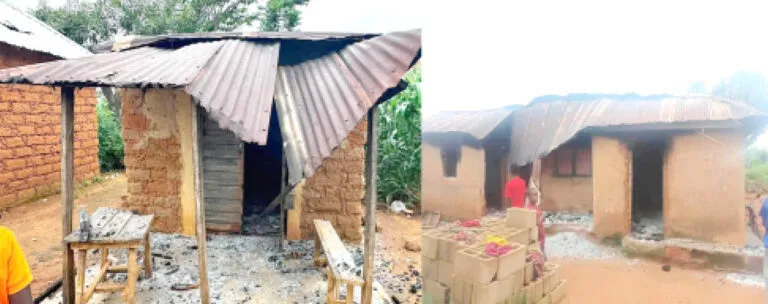
Ejes Gist News reports that the massacre, which began late on Tuesday, February 3, left entire families dead, homes and public structures burned, and survivors fleeing into nearby forests and bushlands. By Wednesday morning, the communities were described as scenes of horror, with charred buildings, mass graves, and bodies scattered across the settlements.
Coordinated Assault and Mass Casualties
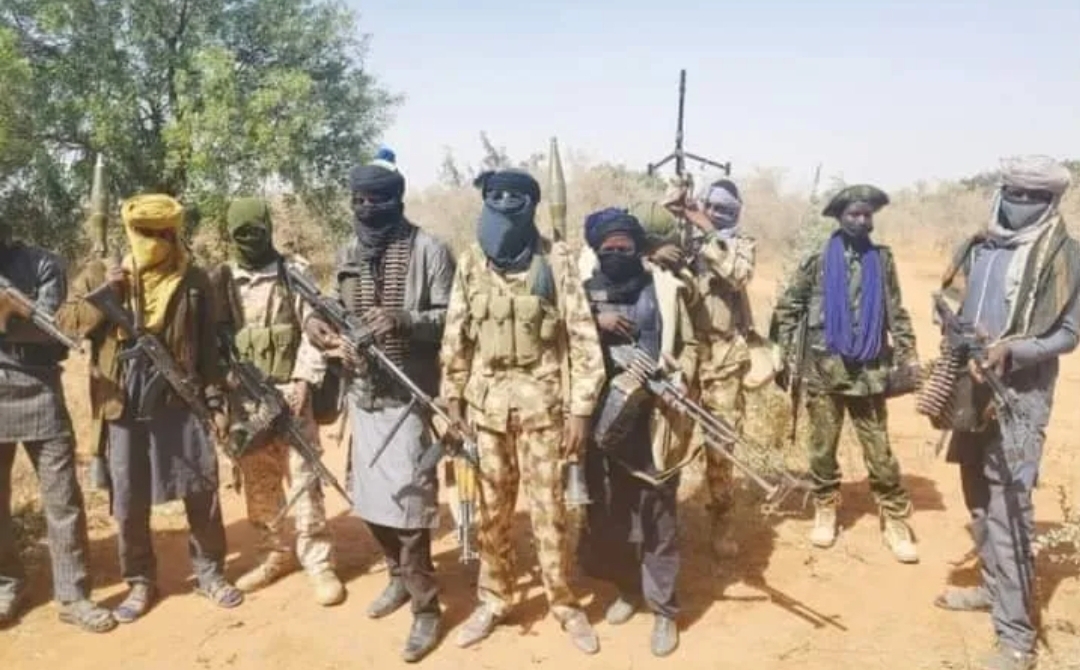
Residents and local officials said the attackers arrived in large numbers, armed with sophisticated weapons, and operated with a high level of coordination. Witnesses reported that the gunmen stormed from multiple directions, firing indiscriminately before targeting villagers inside their homes.
Horrific Scene as Islamic Terrorists Killed 70 People, Vandalize 35 Churches
“They were shooting everywhere. People ran in different directions, but many could not escape,” a survivor, who requested anonymity, said. “They went house to house, dragging people out. Some were killed instantly, others were gathered in groups and shot.”
The palace of the Emir of Woro, Alhaji Saliu Bio Umar, was among the structures set ablaze, along with residential buildings, shops, schools, and public facilities. Preliminary reports indicate that victims included traditional leaders, family members of the Emir, teachers, students, farmers, traders, and religious figures, including the Chief Imam of one of the affected communities.
Reports of Emir’s Family Among the Dead
Unverified accounts circulating in the area suggested that some of the Emir’s wives and children were killed during the assault, although these reports have not yet been independently confirmed. The Emir himself is currently unaccounted for, with community sources alleging that his official vehicle was seized during the attack, raising fears of abduction or death.
Possible Motive and Pattern
Preliminary intelligence suggests that the attackers may be extremists or armed bandits operating along Nigeria’s border with Niger. Residents reported that the group had previously visited the communities weeks earlier, posing as preachers and urging locals to reject the Nigerian constitution in favor of strict Sharia law. Security experts note that this pattern—initial ideological engagement followed by violent retaliation—is consistent with tactics used by extremist groups to control rural areas.
Security Response and Government Reaction
In response to the massacre, police, military, and tactical units have been deployed to Kaiama LGA, with checkpoints established and aerial and ground patrols underway.
Kwara State Governor AbdulRahman Abdulrazaq condemned the attack, describing it as “cowardly and barbaric,” and pledged collaboration with federal authorities to bring the perpetrators to justice. The governor also promised relief for displaced residents and strengthened security measures around vulnerable communities, especially near borders.
Humanitarian Impact
The International Committee of the Red Cross (ICRC), working with local emergency teams, estimated that at least 162 people were killed, although the toll could rise as recovery operations continue. At least 102 victims have already been buried in mass Islamic funeral rites conducted under security oversight. Survivors have fled to neighboring towns, and many remain traumatized and displaced.
“This is a tragedy beyond words,” said the Emir of Kaiama. “Every hour, more bodies are being found. We are still counting our dead.”
The massacre has reignited national debates over rural security, border control, and the protection of vulnerable communities. Civil society groups and political leaders have called for urgent reforms in intelligence gathering and emergency response, highlighting the persistent threat posed by extremist and criminal elements in Nigeria’s rural areas.
With the full extent of the attack still being assessed, Kwara State faces a long and painful recovery, as families search for missing relatives and communities attempt to rebuild amid widespread devastation.
Ejes Gist News stands for truth, responsible journalism, editorial integrity and fearless accountability.
You May Also Like


Trending Now