
Heart Attack Symptoms: 5 Signs You Must Recognize to Save a Life
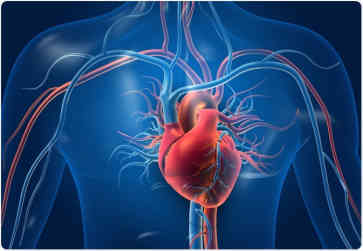
Your heart works relentlessly, pumping blood throughout your body to sustain life. Despite its resilience, it can give subtle signals when under distress. Recognizing heart attack symptoms early can save lives.
Ejes Gist News reports that timely detection of these signs, followed by immediate medical intervention, dramatically improves survival rates and limits heart damage.
A heart attack, or myocardial infarction, occurs when one or more arteries supplying blood to the heart become blocked. This obstruction usually results from plaque buildup combined with blood clot formation, reducing oxygen supply to heart muscles. Left untreated, it can lead to permanent cardiac damage or death. Understanding the heart attack warning signs is crucial for acting quickly and effectively.
Cardiologists note that the symptoms of a heart attack are not always obvious. They can range from severe and sudden to mild and intermittent, making vigilance essential. According to Dr. Nnenna Ezeigwe, former Director and National Coordinator for Non-Communicable Diseases at the Federal Ministry of Health, nearly 80 percent of cardiovascular-related deaths are linked to heart attacks and strokes.
By learning how to recognize a heart attack, individuals can seek help promptly, reducing the risk of irreversible damage. Below are the five critical signs of a heart attack that you should never ignore.
1. Chest Pain or Discomfort
Chest pain is the most widely known heart attack symptom. The National Health Service (NHS) describes it as a feeling of pressure, heaviness, tightness, or squeezing in the chest. Typically, this discomfort is felt in the center or left side of the chest and may persist for several minutes. It can subside temporarily and then return.
It is essential to differentiate cardiac chest pain from indigestion or muscle strain. Pain caused by a heart attack often does not improve with rest or positional changes. Persistent chest pressure, even if mild, may signal a myocardial infarction, and immediate medical attention is advised.
Read Also : Bitter Kola And Honey, A Strong Cure For Ulcer, No Matter How Chronic It Is. Here Is How To Prepare It
2. Shortness of Breath
Shortness of breath, or dyspnea, can appear with or without chest pain. Patients may feel unusually winded or struggle to breathe deeply, even during periods of rest. Dizziness, lightheadedness, or extreme fatigue can accompany this symptom.
Cardiologists explain that compromised heart function reduces blood flow efficiency, which can lead to fluid accumulation in the lungs, causing difficulty breathing. Recognizing heart attack symptoms such as unexplained shortness of breath can prompt swift intervention.
3. Excessive Sweating
Sudden, unexplained sweating—particularly cold or clammy sweat—is a common heart attack warning sign. Unlike sweating caused by physical exertion, this symptom occurs without obvious triggers.
Healthline notes that narrowed coronary arteries force the heart to pump harder, elevating body temperature and triggering profuse sweating. If this occurs alongside chest discomfort or shortness of breath, it should be treated as an urgent heart attack symptom.

4. Pain Radiating to Other Areas
Discomfort that spreads beyond the chest is another important sign of a heart attack. Pain may radiate to the shoulder, arm, back, neck, jaw, teeth, or upper abdomen. Professor Newby, a leading cardiology expert, emphasizes that pain extending down the left arm or into the neck is more likely cardiac-related than gastrointestinal discomfort.
Misinterpreting radiating pain as muscle strain or indigestion can delay crucial care. Persistent pain in these areas, especially when combined with chest discomfort or shortness of breath, is a critical heart attack warning sign.
5. Nausea and Indigestion-Like Sensations
Nausea, vomiting, or a general feeling of sickness can occur during a heart attack. While nausea alone does not confirm a myocardial infarction, its occurrence alongside chest pain, radiating pain, or sweating should never be ignored.
Professor Newby advises that nausea combined with other heart attack symptoms is a red flag. Immediate medical evaluation is necessary to confirm whether a cardiac event is underway and to initiate treatment.
How Heart Attack Symptoms Develop
Heart attacks do not always occur suddenly. Many cases develop over hours, days, or weeks. Recurring chest pressure, mild discomfort, or shortness of breath can precede a major event. Early recognition of these signs of a heart attack allows for prompt action and may prevent extensive heart muscle damage.
The underlying cause of most myocardial infarction symptoms is plaque buildup in the coronary arteries. When plaques rupture, blood clots form, obstructing blood flow. The resulting oxygen deprivation causes heart muscle tissue to die. Awareness of early warning signs can provide a critical window for intervention.
Also Read : 6 Major Health Benefits of Garri Every Nigerian Should Know
Risk Factors for Heart Attack
Understanding heart attack warning signs goes hand in hand with awareness of risk factors. Individuals with the following conditions are at greater risk:
- High blood pressure (hypertension): Increases arterial strain.
- High cholesterol levels: Leads to plaque accumulation in arteries.
- Diabetes: Damages blood vessels and increases heart disease risk.
- Smoking: Reduces oxygen supply and accelerates arterial blockage.
- Sedentary lifestyle: Contributes to obesity and poor cardiovascular fitness.
- Family history of heart disease: Genetic predisposition increases risk.
Lifestyle modifications—including regular exercise, a balanced diet, weight management, controlling blood pressure, and avoiding tobacco—can reduce the likelihood of heart attacks.
- Omega 3: No protection against heart attack or strokes, say scientists
- 5 Signs Your Heart Is Unhealthy
When to Seek Emergency Care
If any heart attack symptoms are present, immediate medical attention is essential. Emergency services should be contacted without delay, even if symptoms seem mild. Quick action can save lives and reduce the extent of heart damage.
Healthcare professionals warn that delaying treatment can lead to irreversible cardiac injury. Individuals experiencing unexplained chest discomfort, shortness of breath, or radiating pain should prioritize urgent care over assumptions that symptoms will resolve spontaneously.
Variations in Symptoms Among Different Groups
Heart attack presentations can vary widely. Women often experience subtler or atypical heart attack warning signs, such as extreme fatigue, nausea, or shortness of breath without pronounced chest pain. Older adults and people with diabetes may also show unusual symptoms.
This variability reinforces the importance of monitoring any unexplained physical changes, recurring discomfort, or persistent malaise. Recognizing even atypical myocardial infarction symptoms can facilitate timely treatment.
Diagnostic Approaches and Treatments
Once a patient reaches a healthcare facility, doctors typically perform an electrocardiogram (ECG) to detect heart rhythm abnormalities. Blood tests measuring cardiac enzymes confirm a myocardial infarction, while imaging studies, such as echocardiography or coronary angiography, assess heart function and locate blockages.
Treatment depends on severity and timing. Interventions include medications to dissolve clots, procedures to open blocked arteries (angioplasty or stent placement), or surgical options such as coronary artery bypass grafting (CABG). Early recognition of heart attack symptoms significantly improves the success of these treatments.
Public Awareness and Prevention
Community education about heart attack warning signs is critical. Individuals who can recognize a heart attack promptly are more likely to receive life-saving treatment. Health campaigns, workplace programs, and public outreach help reduce mortality rates by improving awareness and response.
Ejes Gist News reports that Nigerian health initiatives now focus on educating citizens to identify early heart attack symptoms and encourage immediate medical consultation. Increasing knowledge of heart attack warning signs empowers people to act quickly, potentially saving lives.
Pay Attention To: Health benefits of Air Potato (IKPALO) | 10 Natural Remedies, Nutrition, and More
Summary
The heart works relentlessly, yet it can signal distress through subtle changes. Key heart attack symptoms include chest discomfort, shortness of breath, unexplained sweating, radiating pain, and nausea. Recognizing these early warning signs, understanding risk factors, and seeking timely care are crucial to preventing irreversible damage or death.
Awareness, rapid response, and preventive measures form the foundation of effective cardiovascular care. Knowing how to recognize a heart attack can make the difference between life and death, both for yourself and for those around you.
Lashes & Permanent Makeup Artist
Gunstig, Preiswert, Top-Qualitat, Kostenlose Beratung!